Leading Spray Can Manufacturers: Advanced Aerosol Container Solutions for Every Industry

Get a Free Quote

Our representative will contact you soon.
Email
Mobile
Name
Company Name
Product Type
Product
Message
0/1000

spray can manufacturers

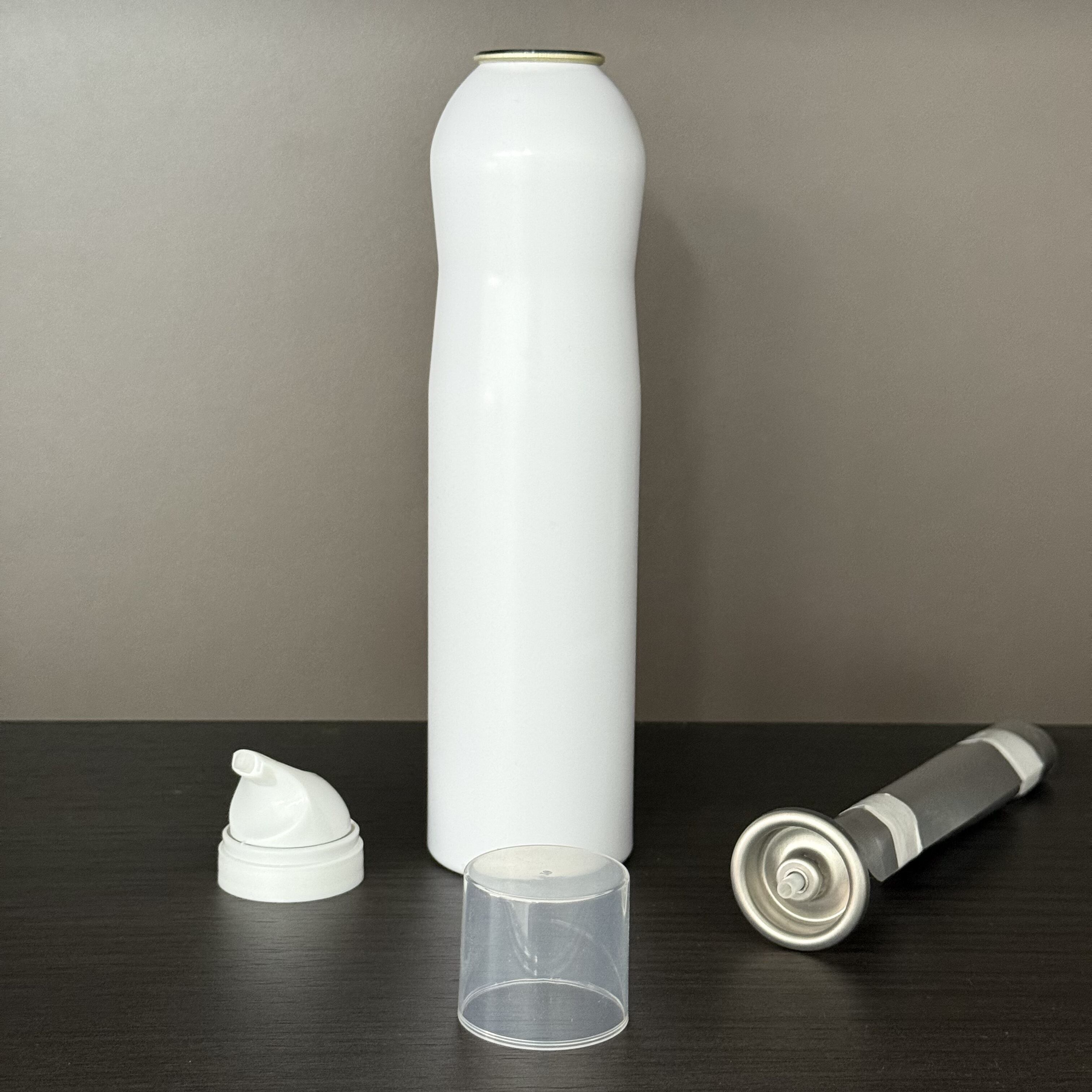
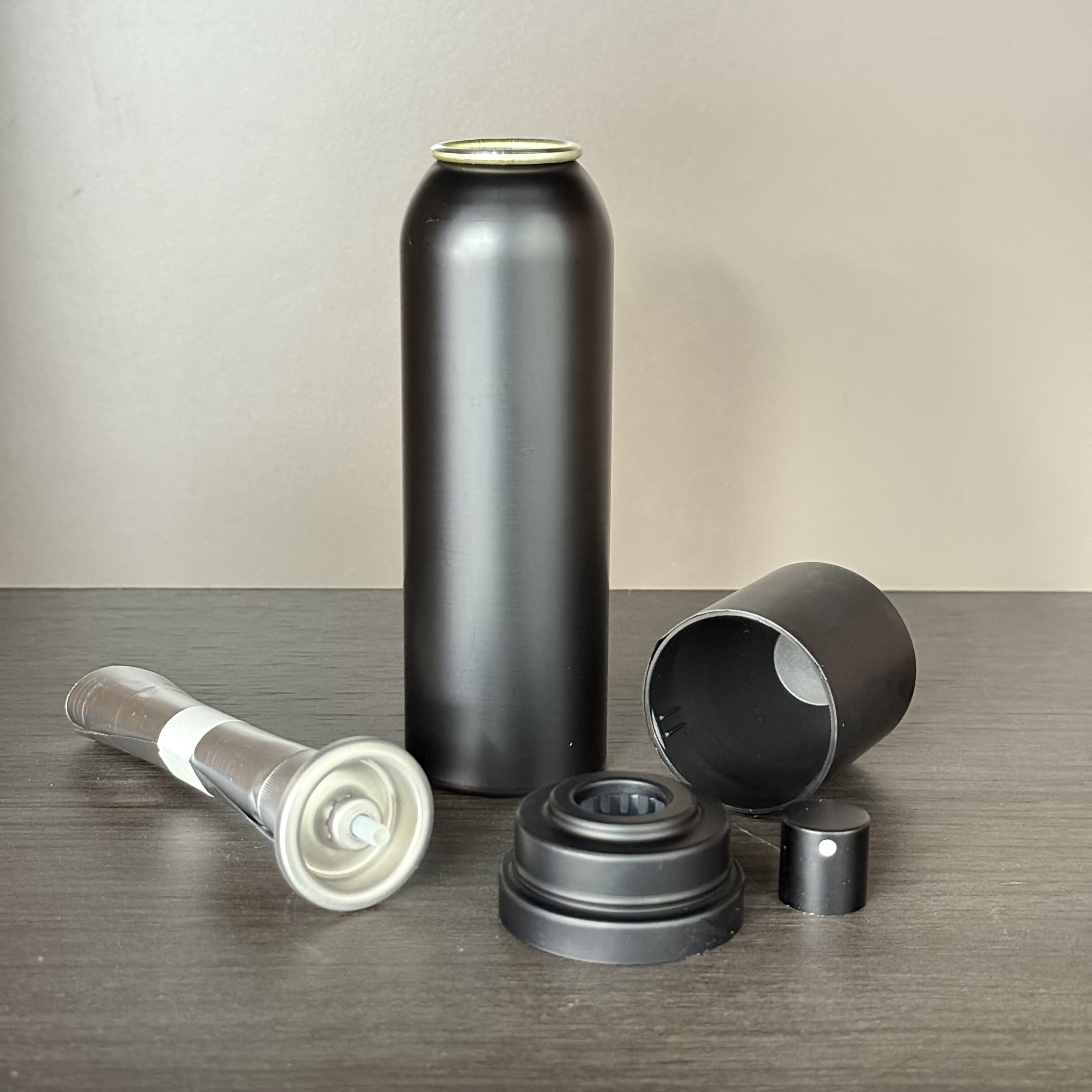
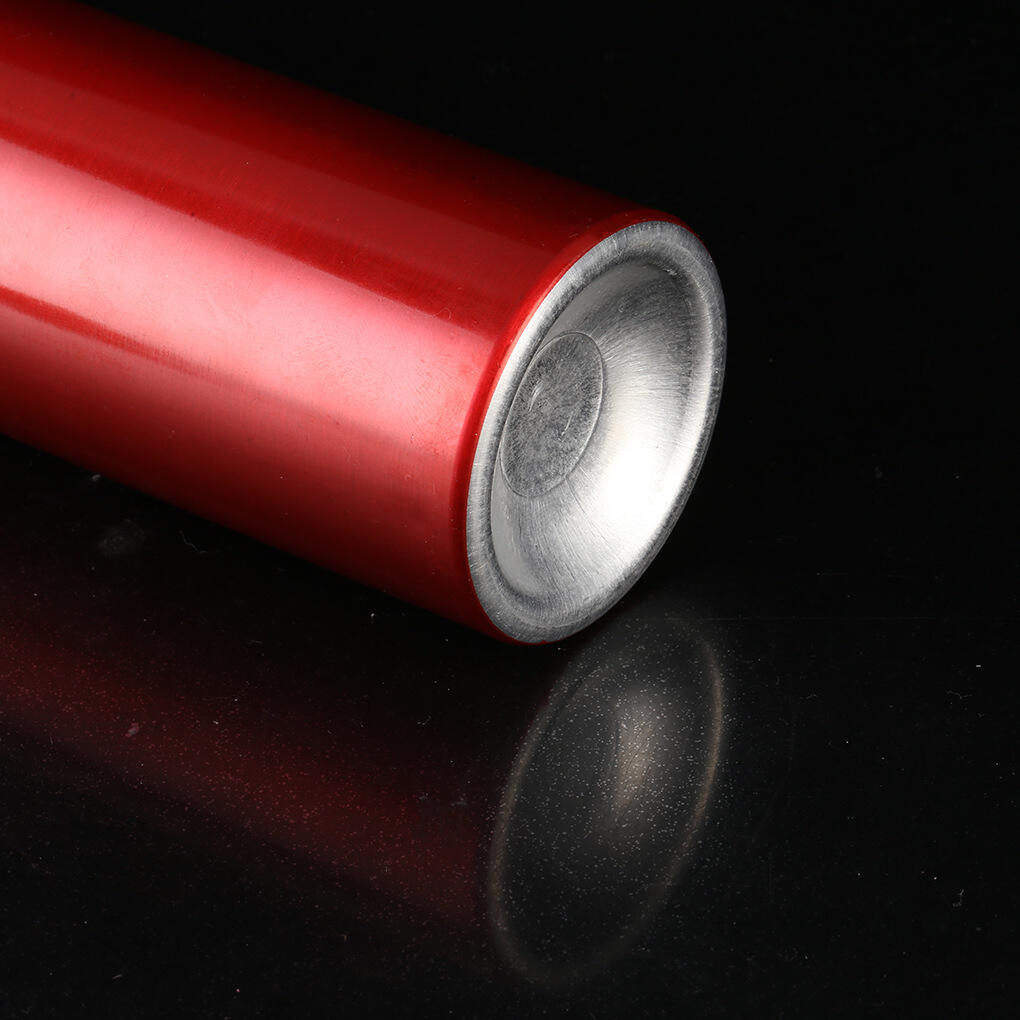
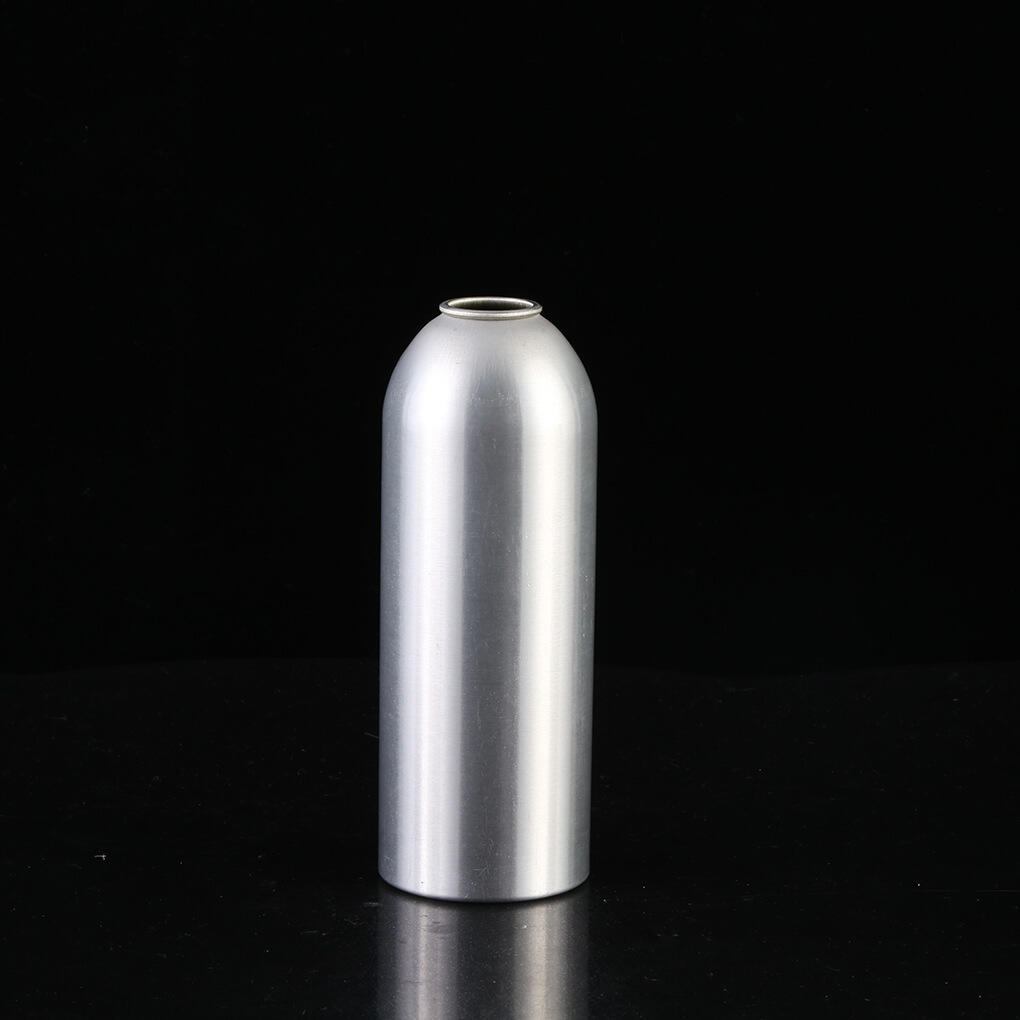
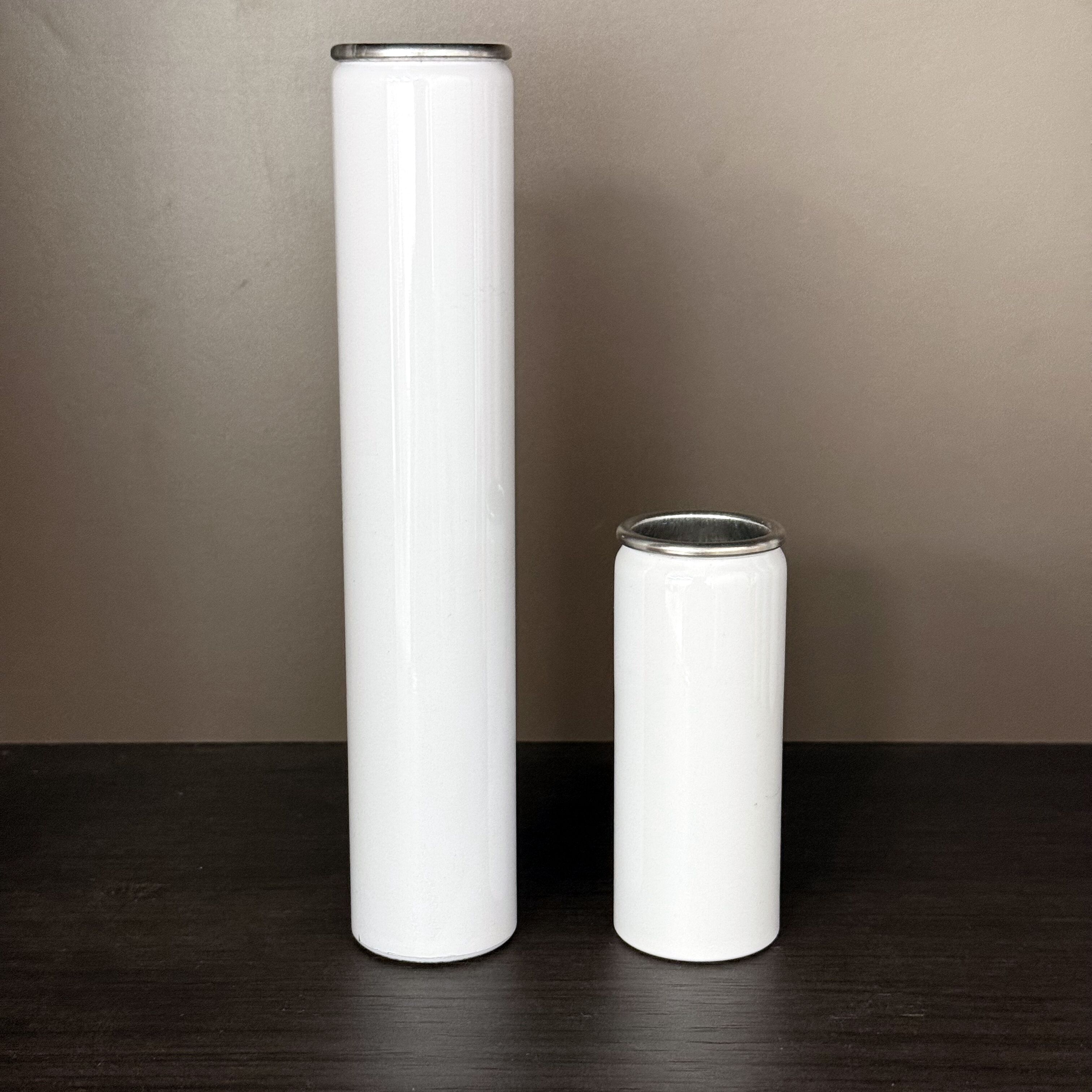
Spray can manufacturers represent a critical segment of the packaging industry, specializing in the design, engineering, and production of aerosol containers used across countless applications worldwide. These specialized companies combine metallurgy expertise, precision engineering, and advanced coating technologies to create containers that safely store and dispense products under pressure. The primary function of spray can manufacturers involves producing durable metal containers, typically made from tinplate or aluminum, that can withstand internal pressures ranging from 20 to 180 psi while maintaining product integrity throughout their lifecycle. These manufacturers employ sophisticated production lines featuring deep-drawing processes, seaming operations, and interior coating applications to ensure each container meets stringent safety and performance standards. The technological features integrated into modern production facilities include automated quality control systems, computerized pressure testing equipment, and environmentally controlled coating chambers that guarantee consistent output. Spray can manufacturers utilize specialized valve systems, actuators, and propellant combinations tailored to specific product formulations, whether aerosol paints, personal care items, household cleaners, or industrial lubricants. Their expertise extends beyond simple container production to encompass research and development initiatives focused on sustainability, including lightweighting programs that reduce material consumption, recycling initiatives, and development of eco-friendly propellant alternatives. Applications for products from spray can manufacturers span virtually every consumer and industrial sector imaginable. In automotive industries, these containers deliver paints, rust preventatives, and maintenance products. Personal care brands rely on them for deodorants, hairsprays, and sunscreen formulations. Food service operations use specialized spray cans for cooking oils and whipped cream dispensers. Industrial applications include lubricants, cleaning solvents, and protective coatings. The versatility of aerosol technology makes spray can manufacturers essential partners for brands seeking efficient, controlled product delivery systems that offer convenience, precision dosing, and extended shelf life without preservatives.

Popular Products

Working with established spray can manufacturers offers numerous practical benefits that directly impact your bottom line and market success. First and foremost, these specialized producers bring decades of engineering knowledge that translates into superior product performance. When you partner with experienced manufacturers, you gain access to container designs that have been refined through countless iterations, eliminating common problems like clogging, inconsistent spray patterns, or premature valve failure. This expertise means fewer customer complaints and reduced return rates for your brand. Another significant advantage involves production scalability that accommodates businesses at any growth stage. Whether you need an initial run of 10,000 units for product testing or ongoing orders exceeding millions of containers annually, professional manufacturers maintain flexible production schedules that align with your demand forecasts. This scalability eliminates the substantial capital investment required to establish in-house aerosol filling capabilities, allowing you to allocate resources toward marketing, product development, and business expansion instead. Quality assurance represents another compelling reason to work with dedicated spray can manufacturers. These facilities implement rigorous testing protocols including pressure resistance verification, valve functionality assessments, and coating integrity examinations that ensure every container leaving their production lines meets international safety standards. This comprehensive quality control protects your brand reputation and provides peace of mind regarding regulatory compliance across different markets. Cost efficiency emerges as a practical advantage that impacts profitability directly. Manufacturers leverage economies of scale, purchasing raw materials in bulk quantities that individual brands cannot match. They maintain established relationships with valve suppliers, coating specialists, and propellant providers, securing preferential pricing that gets passed along to clients. Additionally, their optimized production processes minimize waste and maximize output efficiency, reducing per-unit costs significantly compared to alternative packaging solutions. Innovation access stands as yet another benefit when collaborating with forward-thinking spray can manufacturers. Leading producers continuously invest in research exploring new materials, valve technologies, and sustainable alternatives. By partnering with these innovators, your brand gains early access to breakthrough developments like recyclable components, reduced-carbon manufacturing processes, and enhanced user-friendly dispensing mechanisms that differentiate your products in competitive markets. Finally, regulatory navigation becomes substantially easier when working with experienced manufacturers who understand the complex compliance landscape surrounding pressurized containers. They maintain current knowledge of transportation regulations, disposal requirements, and labeling standards across jurisdictions, ensuring your products meet all necessary legal requirements without requiring you to become an expert in aerosol regulations yourself.

Latest News

What Buyers & Brand Owners Look for in an Aluminum Aerosol Can Supplier

13

May

What Buyers & Brand Owners Look for in an Aluminum Aerosol Can Supplier

For procurement teams and brand owners, selecting an aluminum aerosol can supplier is a commercial decision that affects product safety, launch timelines, and long-term margin control. The title question is not about finding the cheapest option; it i...
View More
Innovative Applications of Food Grade Aerosol Cans in the Food Industry

13

May

Innovative Applications of Food Grade Aerosol Cans in the Food Industry

Innovation in food packaging is no longer limited to shelf life and transport safety. Producers now need formats that improve dosing precision, protect product quality after opening, and support cleaner production lines. In that shift, food grade aer...
View More
Navigating Customization and Printing with Your Aluminum Can Supplier

13

May

Navigating Customization and Printing with Your Aluminum Can Supplier

Customization and print execution are often where packaging projects either gain momentum or stall. In personal care, cosmetics, and industrial spray applications, your aluminum can supplier has a direct impact on artwork accuracy, line efficiency, a...
View More
Evaluating the Long-Term Value of Your Aluminum Can Supplier Partnership

13

May

Evaluating the Long-Term Value of Your Aluminum Can Supplier Partnership

A durable packaging strategy is not built on unit price alone. In most industrial procurement environments, the real return comes from how well an aluminum can supplier partnership supports production continuity, quality consistency, and long-range c...
View More

Get a Free Quote

Our representative will contact you soon.
Email
Mobile
Name
Company Name
Product Type
Product
Message
0/1000

spray can manufacturers

Advanced Manufacturing Technology and Precision Engineering

Advanced Manufacturing Technology and Precision Engineering

Modern spray can manufacturers have transformed traditional container production into a sophisticated technological operation that combines precision engineering with advanced automation systems. At the heart of their capabilities lies state-of-the-art deep-drawing equipment that converts flat metal sheets into seamless cylindrical containers through carefully controlled forming processes. This technology enables manufacturers to produce containers with uniform wall thickness, eliminating weak points that could compromise structural integrity under pressure. The precision achieved through computer-controlled forming equipment ensures dimensional accuracy within microns, which becomes critically important when containers must accommodate standardized valve systems and ensure proper fitment with actuators and overcaps. Beyond basic forming operations, leading spray can manufacturers invest heavily in multi-stage coating systems that apply protective interior linings designed to prevent chemical reactions between container metals and product formulations. These coating technologies utilize specialized polymers, epoxies, or phenolic resins selected based on the specific compatibility requirements of intended contents. Application occurs in environmentally controlled chambers where temperature, humidity, and air quality are precisely managed to ensure uniform coverage and proper curing. Advanced manufacturers employ automated inspection systems using machine vision technology to detect coating defects, measuring film thickness at multiple points and identifying any holidays or thin spots that could compromise product stability. The integration of robotics throughout production lines represents another technological advantage that spray can manufacturers bring to their clients. Automated systems handle container transfer between processing stations, reducing human contact that could introduce contamination while simultaneously increasing throughput rates and consistency. Robotic leak testing equipment applies pressure to every container, monitoring for even microscopic pressure drops that indicate seal failures imperceptible to human inspectors. This comprehensive quality verification ensures only containers meeting exacting standards proceed to filling operations. Furthermore, sophisticated manufacturers maintain dedicated research and development facilities where engineers continuously explore innovations in metallurgy, valve design, and propellant systems. These facilities conduct compatibility testing, shelf-life studies, and performance evaluations that help clients optimize their formulations for aerosol delivery while ensuring long-term stability and consistent dispensing characteristics throughout product lifecycles.
Comprehensive Customization and Brand Differentiation Capabilities

Comprehensive Customization and Brand Differentiation Capabilities

One of the most valuable aspects of partnering with professional spray can manufacturers involves the extensive customization options they provide to help brands create distinctive market presence and enhance consumer recognition. These manufacturers understand that packaging serves not merely as a functional container but as a critical marketing tool that communicates brand identity, conveys quality perceptions, and influences purchasing decisions at the point of sale. Their customization capabilities begin with container size and shape variations, offering everything from compact pocket-sized cans to large industrial formats, with specialty shapes including contoured designs that improve ergonomics and enhance shelf appeal. Beyond dimensional options, manufacturers provide sophisticated decoration services that transform plain metal surfaces into eye-catching brand ambassadors. Advanced printing technologies including offset lithography, digital printing, and specialty coating applications enable reproduction of complex graphics, photographic images, and vibrant color schemes that capture consumer attention in crowded retail environments. These decoration capabilities extend to specialty finishes such as matte coatings, soft-touch surfaces, metallic effects, and textured applications that provide tactile differentiation and premium positioning. Some manufacturers offer embossing and debossing services that create dimensional design elements, adding perceived value and making containers more memorable to consumers. Valve and actuator customization represents another dimension where spray can manufacturers help brands optimize user experience and functional performance. Different applications demand specific spray characteristics, from fine mists for personal care products to concentrated streams for cleaning applications or broad fan patterns for coating products. Manufacturers maintain relationships with valve suppliers worldwide, providing access to hundreds of actuator designs in various colors, shapes, and spray patterns. They can source or develop custom actuator designs that incorporate brand logos, ergonomic features, or unique aesthetic elements that reinforce brand identity while delivering optimal product performance. Additionally, manufacturers offer specialized cap designs including child-resistant closures for products requiring safety features, tamper-evident seals that assure consumers of product integrity, and decorative overcaps that enhance premium positioning. The ability to coordinate all these elements into a cohesive package design that balances aesthetics, functionality, regulatory compliance, and cost parameters represents the comprehensive value that experienced spray can manufacturers bring to brand development initiatives.
Sustainability Initiatives and Environmental Responsibility

Sustainability Initiatives and Environmental Responsibility

Environmental consciousness has become a defining priority for consumers, retailers, and regulatory bodies worldwide, making sustainability initiatives from spray can manufacturers increasingly important for brands seeking to demonstrate environmental responsibility. Progressive manufacturers have embraced this challenge by implementing comprehensive programs addressing every aspect of the aerosol container lifecycle, from raw material sourcing through end-of-life recycling. These initiatives begin with lightweighting programs that utilize advanced metallurgy and engineering to reduce the amount of material required for each container without compromising structural integrity or safety performance. By optimizing wall thickness through finite element analysis and employing higher-strength alloys, manufacturers have achieved substantial reductions in metal consumption per unit, directly decreasing the carbon footprint associated with mining, refining, and transporting raw materials. Some manufacturers have reduced container weights by 20 to 30 percent compared to older designs while maintaining identical performance characteristics. Beyond material reduction, leading spray can manufacturers actively source recycled aluminum and tinplate for their production operations. Metal recycling offers remarkable environmental advantages, as producing aluminum from recycled sources requires approximately 95 percent less energy compared to primary production from bauxite ore. Manufacturers working with recycled content help close the circular economy loop, creating market demand for post-consumer metal while significantly reducing the energy intensity and greenhouse gas emissions associated with container production. Many facilities now operate with 50 percent or higher recycled content in their metal feedstock, with some achieving even greater percentages for specific product lines. Propellant selection represents another critical area where spray can manufacturers contribute to environmental objectives. Traditional propellants including chlorofluorocarbons were phased out decades ago due to ozone depletion concerns, and modern manufacturers now focus on alternatives with minimal global warming potential. Options include compressed gases like nitrogen and carbon dioxide, hydrocarbons with low atmospheric impact, and specialized blends designed to optimize both environmental performance and product functionality. Manufacturers work closely with propellant suppliers and formulators to identify solutions that meet performance requirements while minimizing environmental consequences. Manufacturing operations themselves have undergone significant greening initiatives at facilities operated by responsible spray can manufacturers. Energy efficiency improvements including LED lighting, heat recovery systems, and optimized compressed air networks reduce operational energy consumption. Water conservation programs minimize freshwater withdrawal and implement closed-loop systems for process water. Waste reduction initiatives capture and recycle production scrap, solvents, and coating materials that might otherwise require disposal. Some manufacturers have achieved carbon-neutral certification through combination of operational improvements and offset programs, demonstrating comprehensive commitment to environmental stewardship that environmentally conscious brands can leverage in their own sustainability communications.

Get a Free Quote

Our representative will contact you soon.
Email
Mobile
Name
Company Name
Product Type
Product
Message
0/1000
email goToTop