
 EN
EN


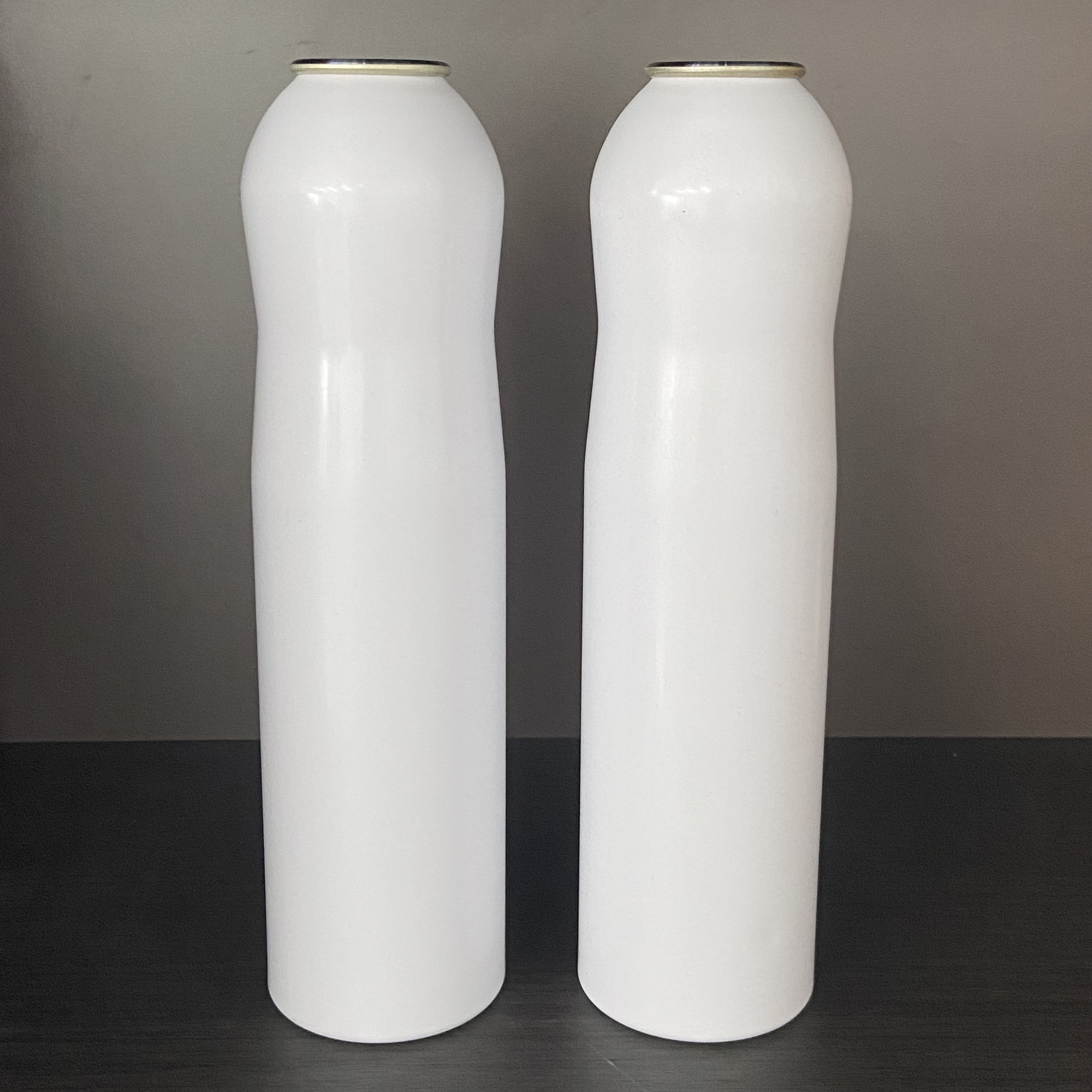
For procurement teams and brand owners, selecting an aluminum aerosol can supplier is a commercial decision that affects product safety, launch timelines, and long-term margin control. The title question is not about finding the cheapest option; it is about understanding the exact criteria that reduce risk across packaging development, filling, logistics, and market performance. In practice, a qualified aluminum aerosol can supplier is evaluated on technical consistency, compliance strength, operational reliability, and communication discipline. Buyers who define these standards early usually avoid expensive corrective actions later.

A strong aluminum aerosol can supplier must support both brand strategy and manufacturing reality. Buyers and brand owners look for a partner that can meet decoration requirements, protect formula integrity, and deliver stable lead times even when demand fluctuates. They also expect transparent specifications, predictable quality outcomes, and practical support during qualification and scale-up. When these expectations are formalized, the sourcing process becomes faster, clearer, and more defensible for internal stakeholders.
Commercial and strategic fit buyers evaluate first
Category understanding and application alignment
The first filter is whether an aluminum aerosol can supplier understands the product category, not just the container format. Haircare, personal care, household, and technical products can require different pressure behavior, coating compatibility, and shelf-life expectations. Buyers therefore test whether the aluminum aerosol can supplier asks relevant technical questions before quoting. Early category alignment is a strong indicator of lower downstream risk.
Brand owners also examine how the aluminum aerosol can supplier translates market positioning into packaging decisions. Premium positioning may require higher visual consistency, while value positioning may prioritize throughput and cost efficiency. A capable aluminum aerosol can supplier can discuss both objectives in practical terms without pushing a one-size-fits-all offer. This commercial maturity helps teams avoid misalignment between marketing promises and production constraints.
Scalability, responsiveness, and account reliability
Buyers rarely source for one purchase cycle only, so they assess whether an aluminum aerosol can supplier can support phased growth. Pilot runs, regional launches, and wider distribution create different demand patterns that must be handled without quality drift. An experienced aluminum aerosol can supplier plans capacity windows, safety stock logic, and forecast communication rhythm from the beginning. This planning discipline matters as much as unit price.
Responsiveness is another early signal. Procurement and packaging teams watch how quickly the aluminum aerosol can supplier answers technical clarifications, provides revised drawings, and confirms production feasibility. Slow or vague responses during quotation often predict future execution friction. A reliable aluminum aerosol can supplier maintains clear ownership across sales, quality, and operations so issues do not stall between departments.
Technical quality standards that drive supplier confidence
Dimensional consistency and process control
A central expectation is repeatable can performance across batches. Buyers verify whether the aluminum aerosol can supplier can maintain tolerances for neck dimensions, body diameter, wall thickness distribution, and seam integrity where applicable. Even small variation can affect filling stability, crimp quality, and spray performance at line speed. For this reason, a credible aluminum aerosol can supplier documents process capability and inspection frequency in detail.
Brand owners also look for preventive quality logic, not only final inspection. The right aluminum aerosol can supplier monitors critical process points and escalates drift before defects reach shipment. This reduces line stoppages, scrap, and complaint handling effort on the buyer side. In commercial terms, process control quality protects both cost and launch reputation.
Internal coating, decoration, and compatibility assurance
Formula compatibility is non-negotiable when selecting an aluminum aerosol can supplier. Buyers expect clear information on internal coating systems, cure control, and resistance behavior relative to intended product chemistry. A responsible aluminum aerosol can supplier supports compatibility validation with structured test plans rather than assumptions. This is especially important for aggressive formulas or long target shelf life.
Decoration quality also influences brand decisions because visual inconsistency is immediately visible to consumers. Teams review print registration, color repeatability, abrasion resistance, and handling durability during transport. A skilled aluminum aerosol can supplier treats appearance control as part of functional quality, not as an isolated design topic. That integrated mindset is what brand owners look for when protecting shelf impact at scale.
Compliance and risk management requirements brand owners prioritize
Documentation discipline and traceability strength
Procurement leaders expect an aluminum aerosol can supplier to provide documentation that is complete, current, and easy to audit. Typical needs include material declarations, conformity evidence, and batch traceability records linked to production dates. A mature aluminum aerosol can supplier does not delay compliance requests or provide partial files that create approval gaps. Strong documentation shortens onboarding time with internal quality and regulatory teams.
Traceability is not just a formal checkbox; it is a response tool when deviations occur. Buyers assess whether the aluminum aerosol can supplier can isolate affected lots rapidly and support containment actions without confusion. Fast traceability limits business disruption and protects customer relationships. In practical terms, this capability is a core part of supplier risk management.
Change control and deviation communication
Brand owners want predictability, so they look closely at how an aluminum aerosol can supplier handles process or material changes. Any adjustment that may influence filling behavior, decoration outcome, or compatibility should follow formal notice procedures. A disciplined aluminum aerosol can supplier communicates timing, impact assessment, and validation requirements before implementation. This prevents surprises on the filling line and avoids preventable requalification costs.
Deviation communication is equally important. Buyers value an aluminum aerosol can supplier that reports issues early with clear root-cause logic and corrective action timelines. Silence or delayed disclosure is usually treated as a major trust failure. Transparent communication, even under pressure, is one of the strongest indicators of long-term supplier suitability.
Operational performance signals that influence final selection
Lead time reliability and planning coordination
On-time delivery performance often determines whether a launch succeeds or slips. Buyers examine historical stability, not only quoted lead time, when evaluating an aluminum aerosol can supplier. A dependable aluminum aerosol can supplier aligns production planning with forecast quality and flags capacity risks early. This coordination protects campaign timing, customer commitments, and working capital balance.
Planning quality also includes packaging logistics details such as pallet configuration, handling protection, and receiving consistency. The best aluminum aerosol can supplier treats logistics standards as part of product quality because transit damage can erase manufacturing gains. Procurement teams notice this operational depth and usually prioritize it during final award decisions. Reliability across the full flow is what turns a vendor into a strategic partner.
Total cost logic and long-term value creation
Price matters, but sophisticated buyers calculate total cost instead of unit cost alone. They evaluate how an aluminum aerosol can supplier influences scrap rates, line efficiency, complaint frequency, and inventory risk over time. A slightly higher quote from a stable aluminum aerosol can supplier may produce better annual economics than a lower quote with frequent disruptions. This is why brand owners ask for performance evidence, not just pricing tables.
Long-term value also comes from collaborative improvement. When an aluminum aerosol can supplier can suggest realistic specification refinements, decoration optimizations, or pack density improvements, buyers gain measurable operational benefits. For teams reviewing options, this aluminum aerosol can supplier perspective supports stronger business cases beyond procurement savings. Strategic sourcing decisions are strongest when technical and financial value are evaluated together.
FAQ
What is the single most important factor when choosing an aluminum aerosol can supplier?
There is no single universal factor, but consistent quality under real production conditions is usually the top priority. Buyers need an aluminum aerosol can supplier that can deliver repeatable dimensions, stable coating behavior, and predictable lead times. When those fundamentals are weak, pricing advantages disappear quickly through downtime and rework. Most brand owners therefore treat consistency as the base requirement before negotiating commercial terms.
How do brand owners validate compatibility with their formula?
Brand owners typically request structured compatibility testing that reflects actual storage and usage conditions. A reliable aluminum aerosol can supplier provides coating details, sample planning support, and clear acceptance criteria for corrosion and interaction outcomes. Results are reviewed jointly by quality, packaging, and regulatory teams before full approval. This approach reduces risk of field complaints and costly reformulation work.
Why is change control such a major evaluation point?
Any unannounced change can affect filling performance, shelf appearance, or regulatory documentation. Buyers therefore expect an aluminum aerosol can supplier to issue formal notice, explain potential impact, and support any required revalidation. Strong change control protects both operational continuity and compliance confidence. It also signals that the supplier can manage growth without losing discipline.
Can a lower unit price still be a poor sourcing decision?
Yes, when lower price introduces instability that raises total operating cost. If an aluminum aerosol can supplier causes delivery delays, batch variation, or higher rejection rates, the downstream losses often exceed initial savings. Procurement teams increasingly model total cost, including quality and planning impact, before awarding volume. In B2B packaging, predictable execution usually creates better long-term value than the cheapest quote.

