eco-friendly aerosol can manufacturer
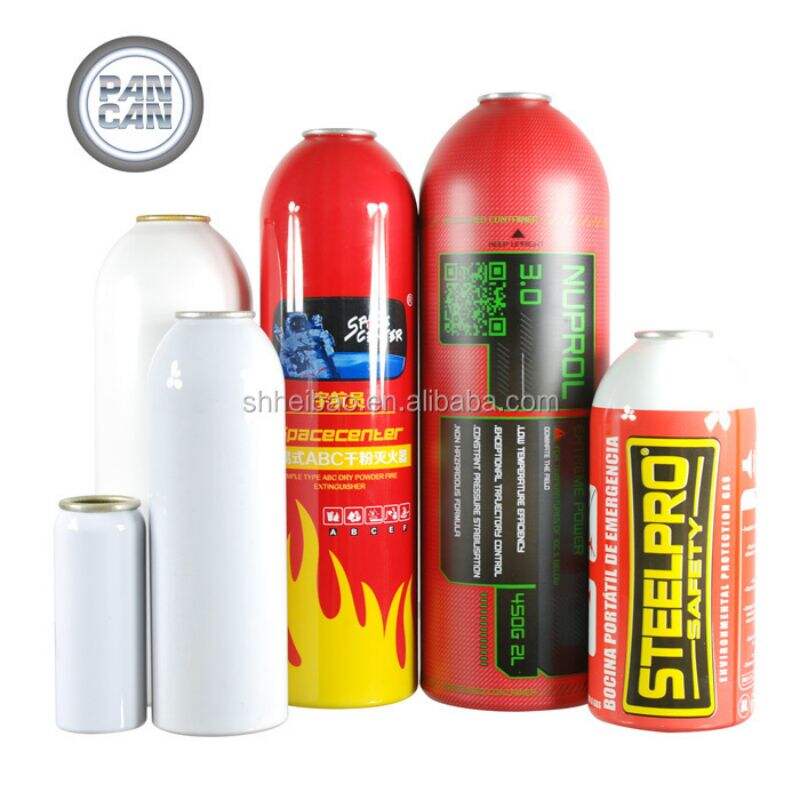
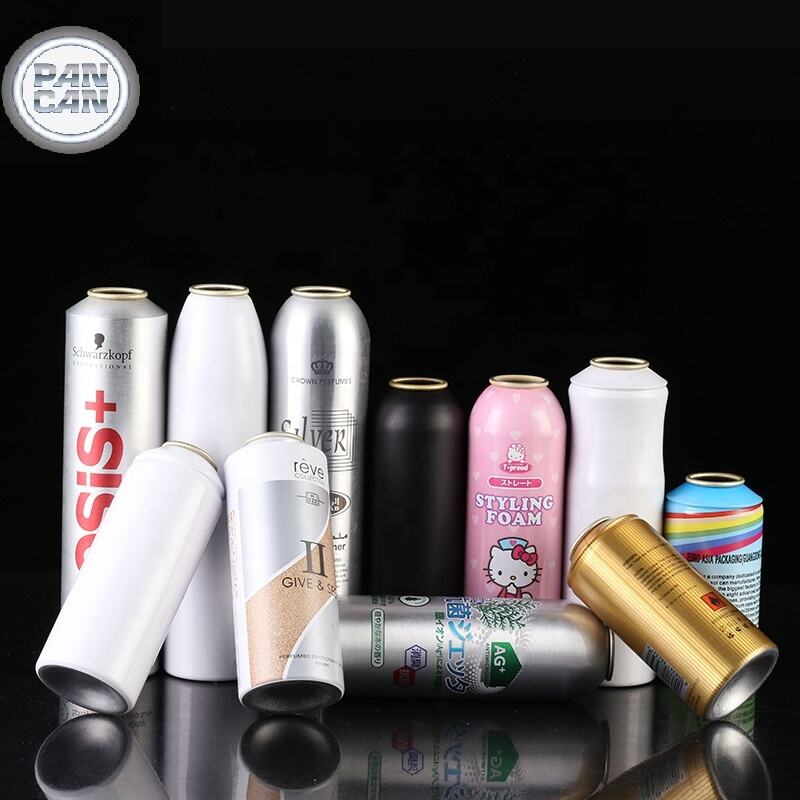
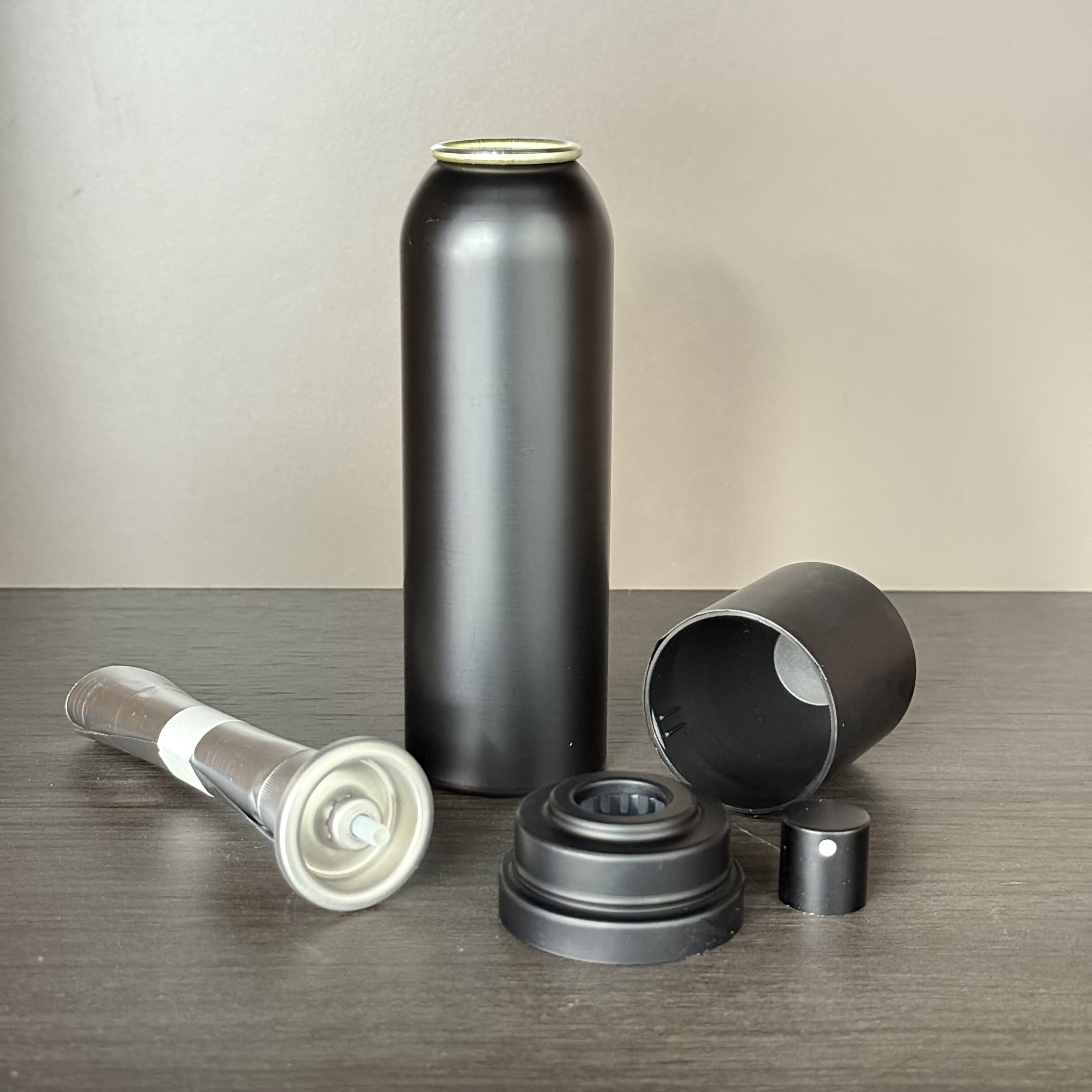
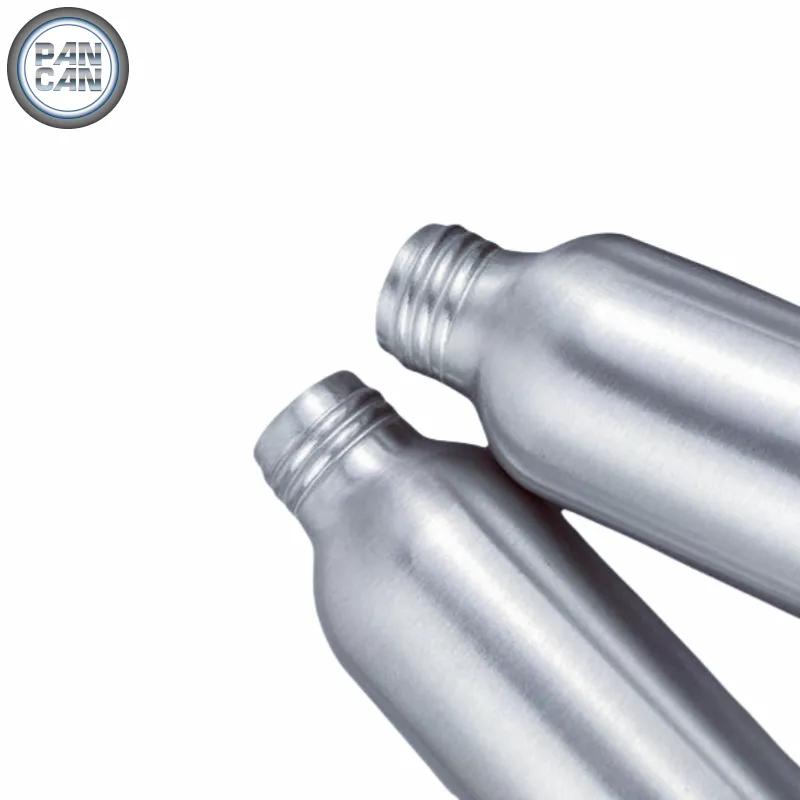
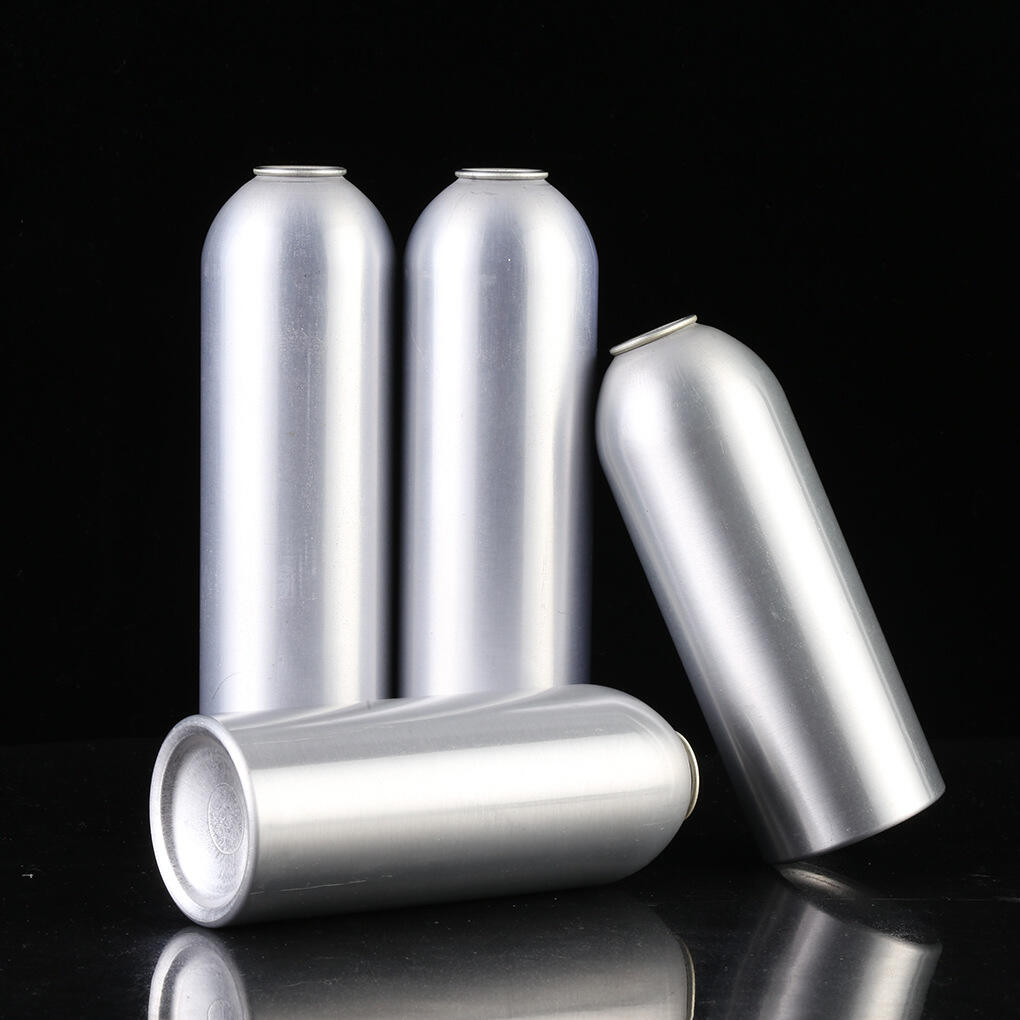
An eco-friendly aerosol can manufacturer represents a forward-thinking production facility dedicated to creating sustainable pressurized container solutions that minimize environmental impact while maintaining superior performance standards. These specialized manufacturers focus on developing aerosol cans using recyclable materials, reduced carbon footprint production methods, and innovative designs that support global sustainability initiatives. The primary function of an eco-friendly aerosol can manufacturer involves producing aluminum and tinplate containers that can be completely recycled after use, ensuring that materials re-enter the circular economy rather than ending up in landfills. These manufacturers implement advanced technological features including low-VOC propellant systems, solvent-free coating processes, and energy-efficient manufacturing lines that significantly reduce greenhouse gas emissions during production. The technological capabilities extend to precision engineering that ensures consistent spray patterns, optimal product delivery, and extended shelf life for contents ranging from personal care products to industrial applications. Modern eco-friendly aerosol can manufacturers utilize state-of-the-art quality control systems, automated production lines with minimal waste generation, and rigorous testing protocols to guarantee product safety and reliability. Applications for these sustainable containers span multiple industries including cosmetics, pharmaceuticals, food services, automotive care, household cleaning products, and industrial maintenance supplies. The versatility of eco-friendly aerosol cans makes them ideal for packaging hair sprays, deodorants, cooking sprays, air fresheners, paint coatings, lubricants, and countless other products requiring pressurized delivery systems. By partnering with an eco-friendly aerosol can manufacturer, brands demonstrate corporate responsibility while accessing packaging solutions that meet stringent environmental regulations across different markets. These manufacturers continuously invest in research and development to improve material efficiency, reduce energy consumption, and develop next-generation propellant technologies that eliminate harmful substances while maintaining product efficacy. The commitment to sustainability extends throughout the entire production chain, from sourcing raw materials through responsible supply chains to implementing closed-loop water systems and renewable energy sources in manufacturing facilities.

 EN
EN