
 EN
EN


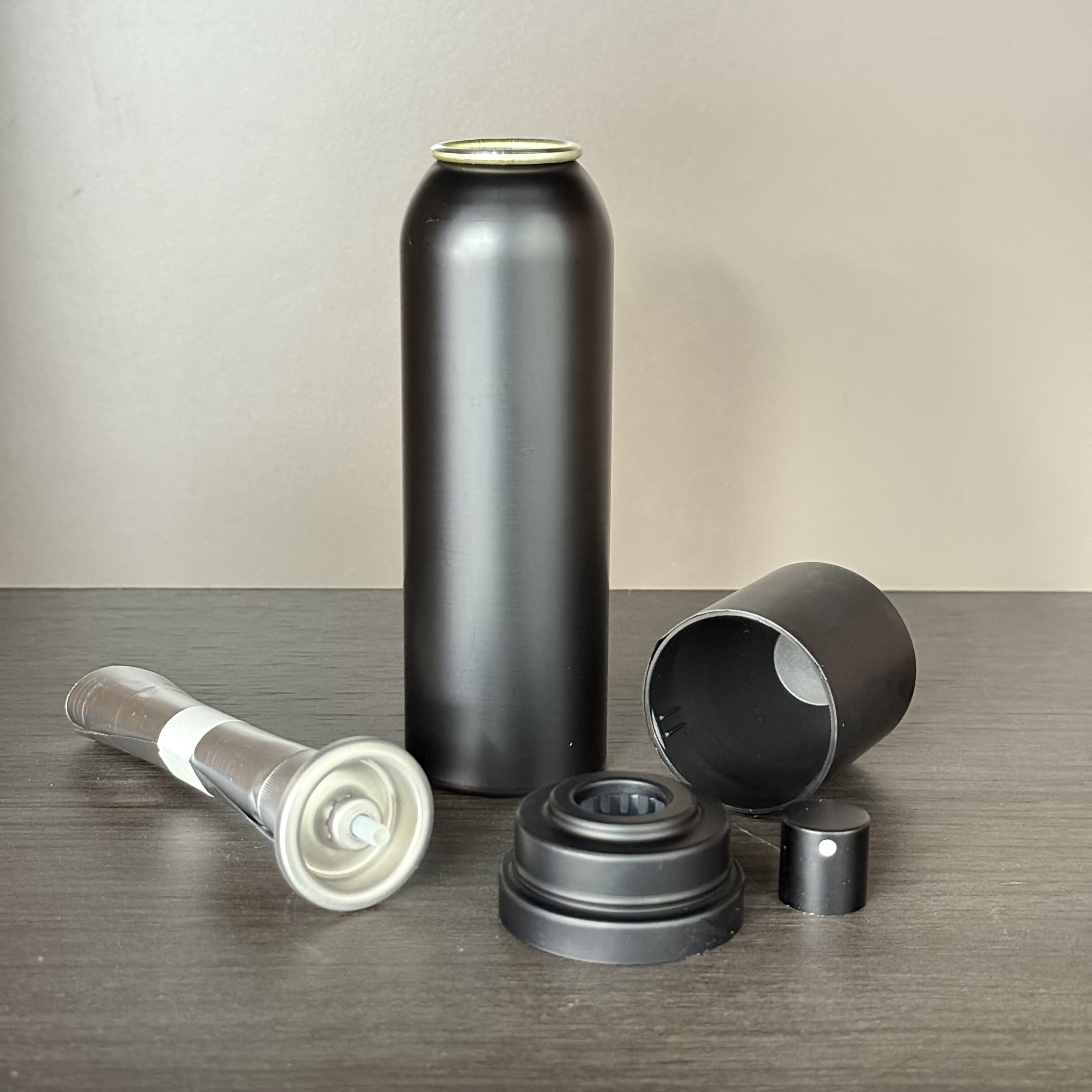
Customization and print execution are often where packaging projects either gain momentum or stall. In personal care, cosmetics, and industrial spray applications, your aluminum can supplier has a direct impact on artwork accuracy, line efficiency, and launch timing. The most effective way to manage risk is to treat the aluminum can supplier as a technical partner rather than a late-stage vendor. When teams align early on print process limits, coating compatibility, and filling line realities, customization becomes a controlled workflow instead of a sequence of revisions.

Navigating this process well means understanding how your aluminum can supplier handles design translation, color management, production tolerances, and quality checkpoints from proof to shipment. It also means setting practical expectations around lead times, minimum runs, and change control before art files are locked. A capable aluminum can supplier can help you protect brand consistency while still adapting to fast-moving product cycles. This article breaks down how to structure that collaboration so customization and printing deliver predictable results.
Building the Right Collaboration Model from the Start
Defining technical scope before artwork development
Many delays happen because teams create artwork before confirming what the aluminum can supplier can execute at production speed. Start by documenting can dimensions, shoulder geometry, print area boundaries, varnish options, and any limitations tied to the selected decoration method. Your aluminum can supplier should provide a clear dieline package with safe zones and seam-related constraints so design decisions match manufacturing reality. This early alignment prevents expensive redesign cycles after internal approvals are already complete.
At this stage, the aluminum can supplier should also review product chemistry, especially for spray formats where propellant systems and active ingredients can influence internal coating requirements. Customization is not only visual; it includes material and barrier performance that affects shelf stability. When the aluminum can supplier integrates these checks into prepress planning, the project avoids late technical conflicts between packaging and formula teams. That creates a cleaner path from concept to commercial production.
Setting governance for approvals and revisions
A strong governance model keeps printing projects moving even when multiple departments are involved. Your aluminum can supplier should know who signs off on color targets, who approves text content, and who authorizes engineering changes. Without that structure, revision loops can multiply and compress production windows. A disciplined approval ladder helps the aluminum can supplier lock files at the right moment and protect promised delivery dates.
Version control is especially important when regional variants or seasonal designs are in play. Ask the aluminum can supplier to use standardized file naming and revision logs that trace every change from first proof to final print release. This protects against accidental use of obsolete artwork and reduces internal confusion during handoffs. In B2B packaging programs, process discipline is as valuable as print quality itself.
Managing Design Translation and Print Feasibility
Converting brand intent into print-ready execution
Design files often look perfect on screen but behave differently on curved metal surfaces. An experienced aluminum can supplier translates visual intent into practical print parameters, balancing gradients, line weight, trapping, and registration tolerance. This step is where many brand teams realize that small artwork refinements can dramatically improve consistency across high-volume runs. A proactive aluminum can supplier will flag risk zones before plates or cylinders are finalized.
Color expectations require the same discipline. Depending on finish and process, metallic substrate interaction can shift perceived shade and contrast, so the aluminum can supplier should provide realistic color references and tolerance bands. When stakeholders agree on these standards in advance, acceptance decisions become objective instead of subjective. That clarity shortens approval cycles and supports repeatability across future reorder batches.
Balancing aesthetics with line performance
Customization decisions should always be tested against filling, handling, and logistics conditions. A skilled aluminum can supplier evaluates whether selected inks, varnishes, or tactile effects could affect downstream speed, scuff resistance, or codability. Visual ambition matters, but operational stability matters just as much in industrial environments. The best outcomes come when your aluminum can supplier helps balance both from the beginning.
This is especially true for products moving through high-contact distribution channels. If packaging will face friction, condensation, or frequent handling, the aluminum can supplier may recommend adjusted topcoat specifications and cure conditions. These recommendations are not compromises; they are safeguards that preserve brand appearance through transport and retail exposure. Practical print engineering keeps customization from becoming a hidden cost center.
Controlling Quality Through Proofing and Production
Using staged proofing to reduce launch risk
Proofing should be treated as a sequence, not a single checkpoint. Your aluminum can supplier can structure this sequence with digital preflight, physical mockups, and pilot-level validation before full production starts. Each stage answers a different question, from text accuracy to visual realism to process capability. This layered approach gives teams confidence that final output will match approved intent.
During these stages, the aluminum can supplier should document measurable criteria such as color tolerance, registration stability, scratch resistance, and adhesion performance. Objective thresholds make acceptance consistent across procurement, quality, and marketing teams. They also simplify root-cause analysis if a deviation appears later. In practice, disciplined proofing is one of the strongest controls in custom printed packaging programs.
Embedding in-line controls during manufacturing
Once production begins, consistency depends on in-line monitoring and feedback loops. A reliable aluminum can supplier will track critical parameters and respond quickly when drift appears, rather than waiting for final inspection to reveal issues. Early correction reduces scrap, protects lead times, and maintains visual uniformity across lots. For buyers, this is where supplier capability becomes visible in daily operations.
Quality communication after production matters too. Request structured reports from the aluminum can supplier that summarize run conditions, inspection outcomes, and release decisions. These records improve traceability and support better forecasting for repeat programs. Over time, this data-driven relationship helps both sides refine specifications and reduce avoidable variation.
Aligning Commercial Terms with Customization Reality
Planning lead times, MOQ, and change windows
Commercial planning should reflect the real complexity of customization and printing. Your aluminum can supplier needs clear forecasts, launch milestones, and artwork freeze dates to allocate capacity effectively. When planning is vague, projects absorb rush charges, expedited freight, and quality risk from compressed timelines. Transparent scheduling with the aluminum can supplier protects both cost control and execution confidence.
Minimum order quantity and replenishment cadence should also be discussed in the context of SKU strategy. A good aluminum can supplier can suggest practical run structures that balance inventory exposure with print efficiency. This is especially useful for portfolios with multiple scents, functions, or regional compliance variants. The goal is to keep customization flexible without creating operational fragmentation.
Turning supplier expertise into a repeatable advantage
When programs mature, the relationship with your aluminum can supplier should move beyond transactional purchasing. Shared post-project reviews can identify which artwork elements caused delays, which specifications drove stability, and where approval cycles can be shortened. This continuous improvement loop turns each launch into better process intelligence for the next one. It is a practical way to improve speed without sacrificing quality.
For teams evaluating options in custom spray packaging, engaging an experienced aluminum can supplier early can simplify technical alignment and reduce avoidable revisions. The value is not only in producing decorated cans, but in guiding decisions across design, material compatibility, and production readiness. In B2B settings, that guidance often determines whether customization supports growth or creates friction. Strong collaboration converts printing complexity into predictable execution.
FAQ
How early should we involve an aluminum can supplier in a customization project?
Involve the aluminum can supplier before final artwork is created, ideally during initial packaging concept development. Early involvement allows the aluminum can supplier to define print boundaries, coating requirements, and process constraints that influence design choices. This prevents late rework and keeps approval timelines realistic. It also improves coordination between formulation, packaging engineering, and procurement teams.
What causes most delays in custom printed aluminum can programs?
The most common delays come from unclear approval ownership, frequent artwork revisions after technical review, and misaligned production expectations. An aluminum can supplier can reduce these delays by enforcing revision control, staging proofs, and setting measurable acceptance criteria. Projects also slow down when launch schedules ignore true lead-time requirements. Structured planning with the aluminum can supplier is the most reliable preventive measure.
How can we improve print consistency across multiple production batches?
Consistency improves when specifications are measurable and documented, not just visually described. Work with your aluminum can supplier to define color tolerance, registration limits, and durability checkpoints, then track them batch by batch. Stable file management and controlled change approval are equally important. A data-based review rhythm with the aluminum can supplier helps maintain repeatability over time.
Is customization still practical when we have many SKU variants?
Yes, as long as customization is managed through disciplined planning and modular artwork logic. Your aluminum can supplier can help group variants into efficient run structures while preserving key brand distinctions. This reduces setup inefficiency and inventory risk without abandoning flexibility. With the right governance, an aluminum can supplier can support broad SKU portfolios in a controlled, scalable way.

