
 EN
EN



A durable packaging strategy is not built on unit price alone. In most industrial procurement environments, the real return comes from how well an aluminum can supplier partnership supports production continuity, quality consistency, and long-range cost control. When teams evaluate suppliers only at the quotation stage, they often miss how an aluminum can supplier partnership influences margin stability over multiple contract cycles.
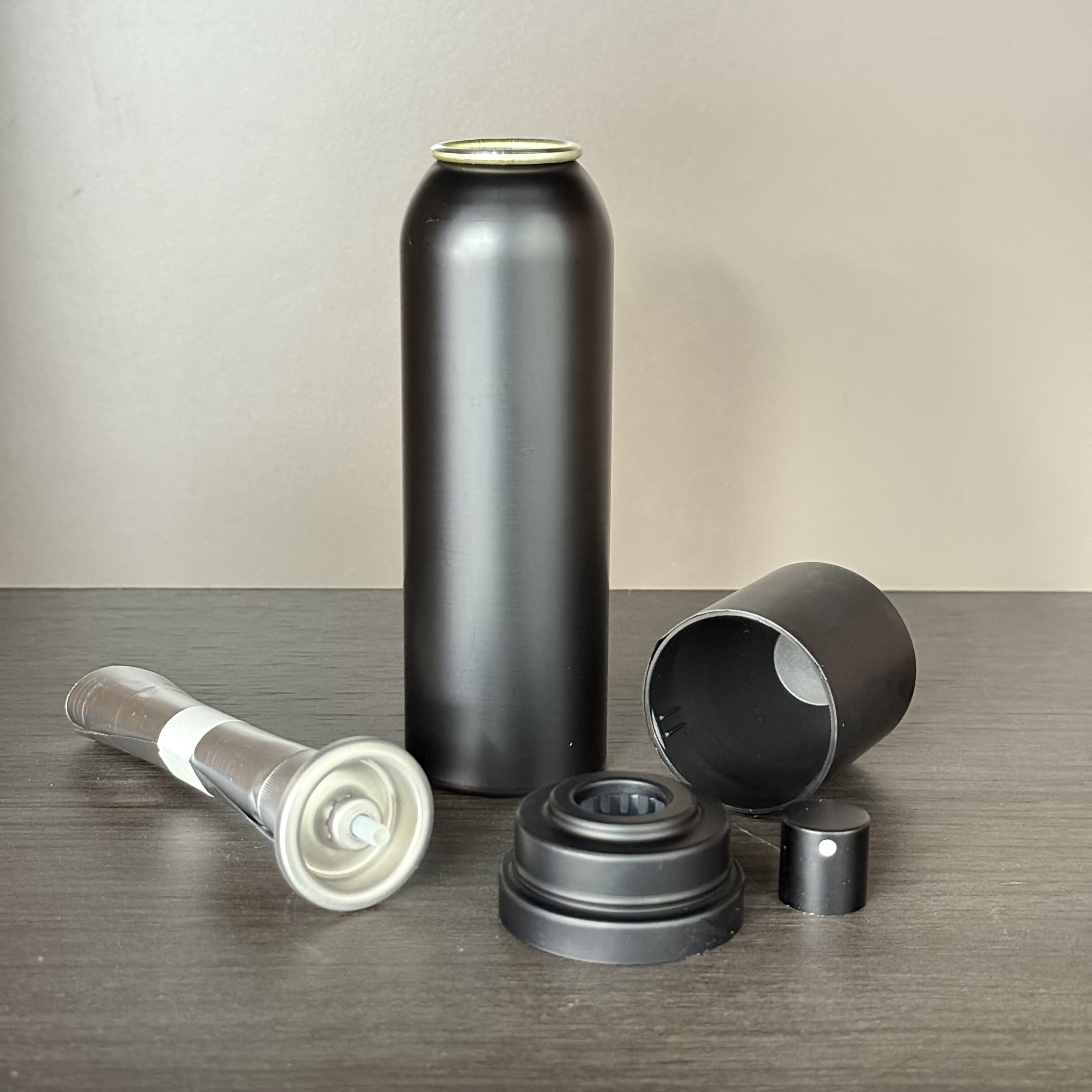
The strongest evaluation method is to treat an aluminum can supplier partnership as a strategic operating asset rather than a transactional vendor relationship. That means measuring service reliability, engineering support, response speed, and planning alignment over time. A well-managed aluminum can supplier partnership can lower hidden risk, improve forecasting accuracy, and protect your business from avoidable packaging disruptions.
Defining Long-Term Value in a Procurement Relationship
From purchase cost to lifecycle economics
Most buyers begin with straightforward pricing metrics, but long-term value depends on full lifecycle economics. An aluminum can supplier partnership affects scrap rates, line stoppages, rework frequency, freight efficiency, and inventory carrying cost. These factors can outweigh small differences in initial quote prices.
When evaluating an aluminum can supplier partnership, procurement and operations should model total landed cost over 12 to 36 months. Include quality incidents, expedited shipping events, and changeover losses in that model. This wider view reveals whether the aluminum can supplier partnership protects profitability through stable execution.
Operational resilience as a value multiplier
Resilience is often invisible until disruption occurs. A mature aluminum can supplier partnership includes clear escalation paths, backup planning, and transparent lead-time communication. These capabilities help your team keep output stable when demand swings or material constraints appear.
In practical terms, a resilient aluminum can supplier partnership reduces emergency decisions that usually increase cost and quality risk. It also improves internal confidence across planning, manufacturing, and sales teams. Over time, that confidence translates into faster decisions and fewer reactive purchasing cycles.
Performance Signals That Predict Future Partnership Value
Consistency indicators beyond on-time delivery
On-time delivery is important, but it is only one indicator. A high-value aluminum can supplier partnership also shows low variance in can dimensions, coating integrity, and batch-to-batch specification control. Consistency at this level supports smoother filling operations and reduces downstream inspection burden.
Track trend data instead of isolated incidents. If your aluminum can supplier partnership demonstrates stable process capability month after month, you gain better production predictability. That predictability matters for capacity planning, labor scheduling, and service-level commitments to your own customers.
Communication quality and issue resolution speed
The way problems are handled is one of the clearest predictors of future performance. In a strong aluminum can supplier partnership, technical and commercial teams communicate early, share root-cause findings, and agree on corrective actions with realistic deadlines. Speed matters, but clarity matters just as much.
Slow or fragmented communication can create hidden cost even when shipments arrive on time. By contrast, an aluminum can supplier partnership with disciplined issue management helps your organization recover quickly from deviations. It also supports stronger cross-functional trust between quality, sourcing, and production leaders.
Commercial and Technical Alignment Over Multiple Years
Contract structure and flexibility planning
Commercial terms should reflect expected market volatility and growth scenarios. A well-designed aluminum can supplier partnership includes review points for volume changes, specification updates, and logistics adjustments without creating unnecessary friction. Flexibility in contract mechanics can prevent future conflict.
Your team should evaluate how the aluminum can supplier partnership manages cost drivers such as raw material movement and packaging design changes. Predictable adjustment mechanisms support budget control while maintaining fairness for both sides. This balance is essential for long-term continuity.
Engineering collaboration and product evolution
Technical collaboration can create measurable value over time. In an effective aluminum can supplier partnership, engineering teams share feedback on manufacturability, filling-line behavior, and closure compatibility early in development cycles. This reduces redesign loops and shortens time to implementation.
When product requirements evolve, collaboration quality determines how smoothly changes are absorbed. A proactive aluminum can supplier partnership contributes technical insight that improves performance without destabilizing operations. Many organizations source this capability through partners offering solutions such as aluminum can supplier partnership support tied to application-specific packaging needs.
Building a Practical Evaluation Framework for Decision Teams
Cross-functional scorecard design
A reliable assessment framework should combine procurement, quality, operations, and planning inputs. Scoring an aluminum can supplier partnership only through purchasing metrics can hide execution risks that appear later on the line. Cross-functional evaluation creates a more accurate view of total value.
Use weighted criteria that reflect your business priorities, such as defect trends, schedule adherence, response times, and change management quality. Reviewing this scorecard quarterly helps determine whether the aluminum can supplier partnership is improving, stable, or drifting. Consistent review discipline also supports stronger renewal decisions.
Governance cadence and continuous improvement
Long-term value is sustained through regular governance, not annual firefighting. A structured aluminum can supplier partnership includes monthly operational checkpoints and periodic strategic reviews focused on risk, demand outlook, and improvement projects. This cadence keeps both teams aligned before small issues become large disruptions.
Continuous improvement should be documented with targets, owners, and completion dates. When an aluminum can supplier partnership has visible accountability, performance gains are easier to maintain across personnel changes and market shifts. Over several years, this discipline is often the difference between acceptable supply and strategic supply advantage.
FAQ
How early should we evaluate long-term value after onboarding a supplier?
Initial signals can be reviewed within the first quarter, but a full aluminum can supplier partnership evaluation usually needs at least two to three demand cycles. This period captures performance under normal operations and at least one period of variability. Early review should focus on responsiveness and process transparency, while later review should focus on trend stability and cost behavior.
What is the biggest mistake in assessing supplier partnerships?
The most common mistake is treating an aluminum can supplier partnership as a unit-price decision instead of a system performance decision. Price-only reviews can overlook defects, delays, and escalation weaknesses that create higher total cost. A balanced assessment should include quality consistency, communication speed, and operational resilience.
Can one partnership model fit every product line?
Not always. Each aluminum can supplier partnership should be calibrated to product sensitivity, forecast volatility, and service expectations. High-variation product lines may require tighter governance and faster technical feedback loops than stable, high-volume lines. Tailoring the model improves fit and avoids unnecessary management overhead.
How do we know if partnership value is improving year over year?
Track a consistent set of indicators across time, including defect trends, delivery variance, response lead time, and total incident recovery time. If the aluminum can supplier partnership shows lower volatility and faster corrective closure while maintaining commercial predictability, long-term value is improving. Year-over-year comparison is most meaningful when metrics and review cadence remain stable.

