Premium Aerosol Spray Bottle Manufacturer - Custom Solutions & Advanced Technology

Get a Free Quote

Our representative will contact you soon.
Email
Mobile
Name
Company Name
Product Type
Product
Message
0/1000

aerosol spray bottle manufacturer

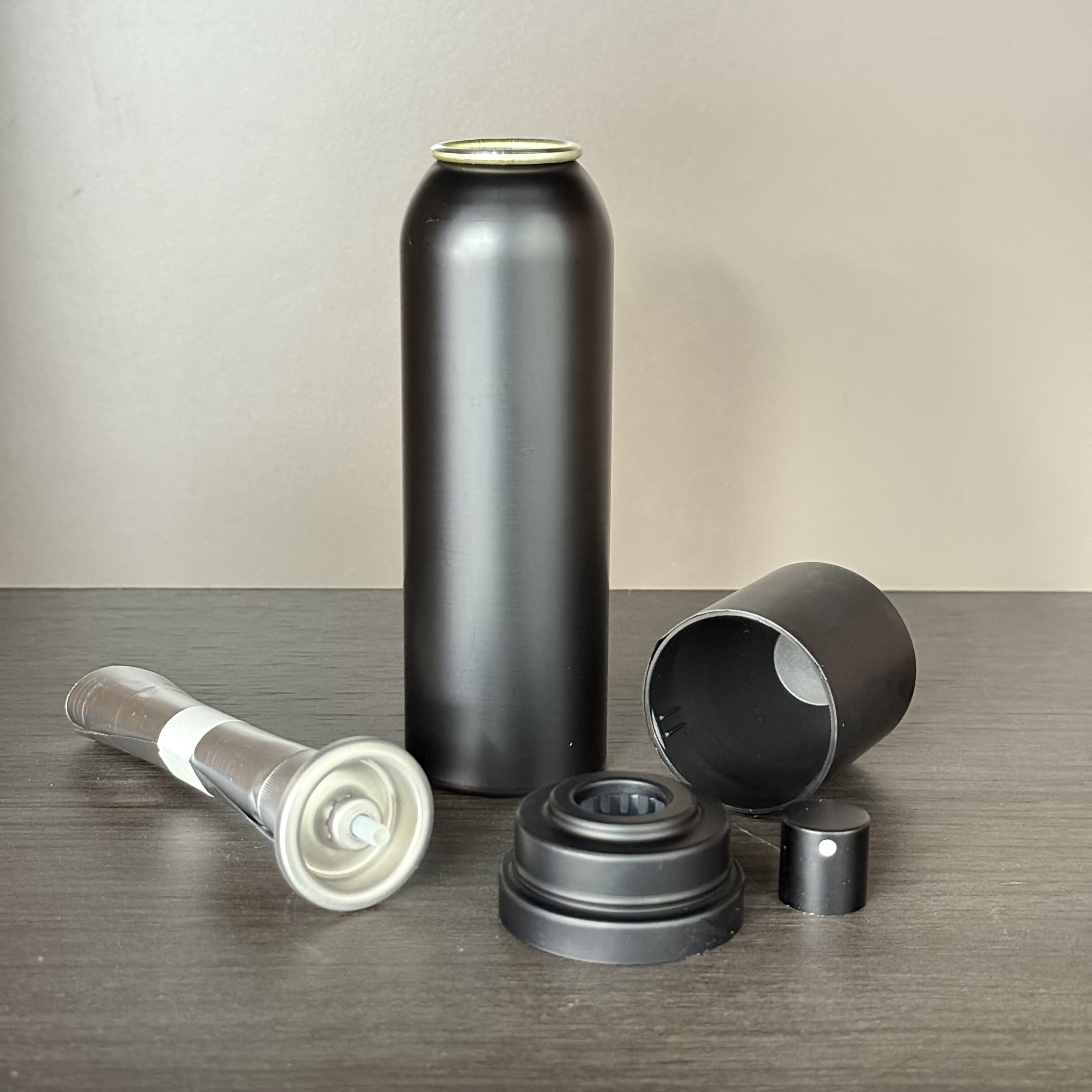
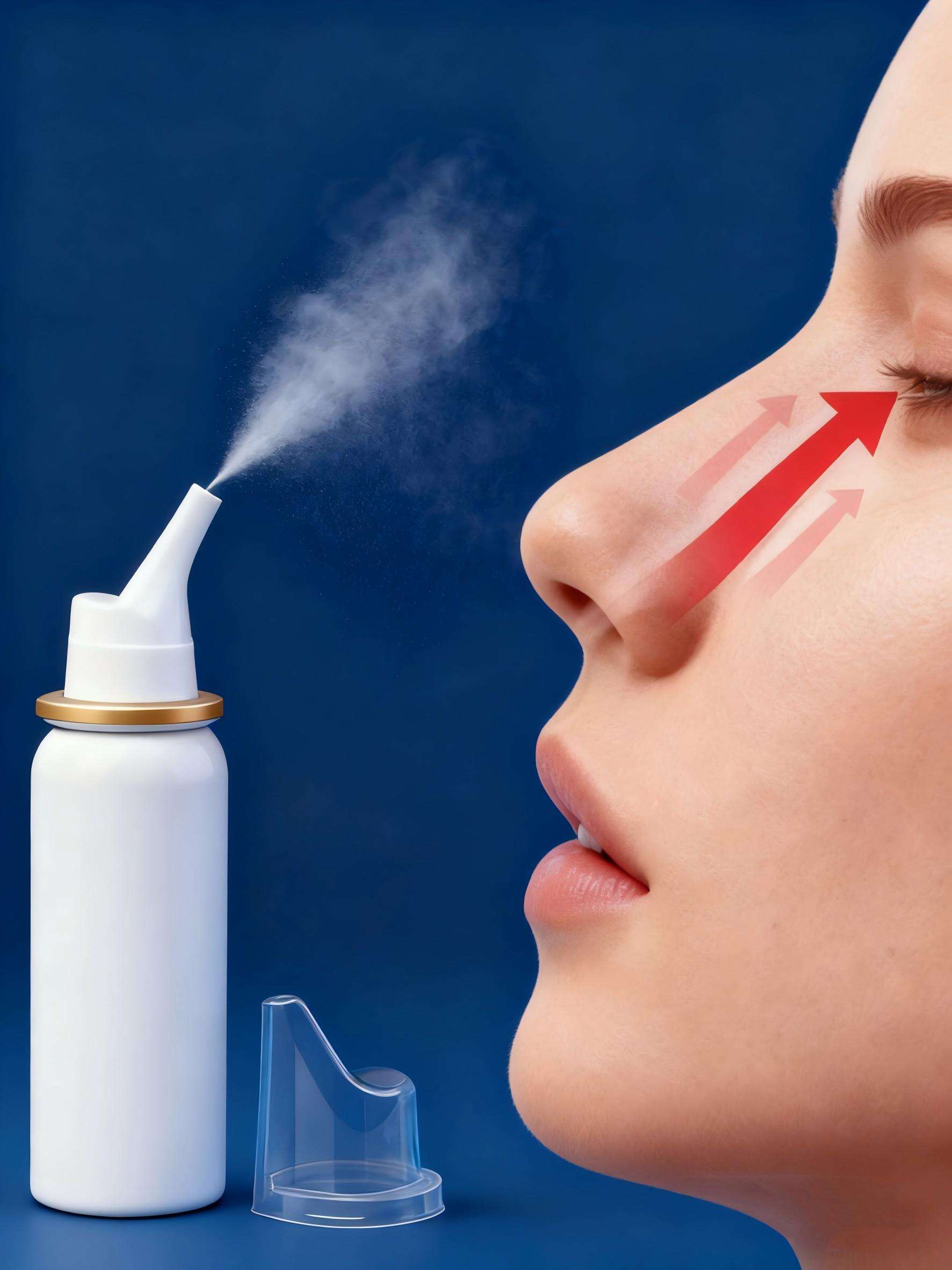
An aerosol spray bottle manufacturer specializes in designing, engineering, and producing sophisticated dispensing systems that deliver liquid products through pressurized containers. These manufacturers create comprehensive packaging solutions that transform ordinary liquids into fine mists, powerful streams, or controlled sprays depending on the intended application. The primary function of an aerosol spray bottle manufacturer revolves around developing containers that combine metallic or plastic bottles with precisely calibrated valve systems, actuators, and propellant mechanisms. These components work together to ensure consistent product delivery while maintaining safety standards and environmental compliance. Modern aerosol spray bottle manufacturers utilize advanced technological features including specialized valve engineering that controls spray patterns, pressure regulation systems that maintain consistent output throughout the product lifecycle, and innovative actuator designs that provide ergonomic user experiences. The manufacturing process involves multiple stages including container fabrication, valve assembly, quality testing, and filling operations. Manufacturers employ cutting-edge automation technology to ensure precision in every unit produced, implementing rigorous quality control protocols that test pressure resistance, leak prevention, and spray performance. Applications for products from an aerosol spray bottle manufacturer span numerous industries including personal care, household cleaning, automotive maintenance, industrial coatings, pharmaceutical delivery, food service, pest control, and cosmetics. In personal care, these containers dispense hair sprays, deodorants, and styling products. Household applications include air fresheners, cleaning solutions, and disinfectants. The automotive sector relies on aerosol packaging for lubricants, paints, and tire inflators. Industrial applications encompass protective coatings, rust preventatives, and technical cleaners. Pharmaceutical companies utilize aerosol technology for respiratory medications and topical treatments. The versatility of aerosol spray systems makes them indispensable across countless market segments, with manufacturers continuously innovating to meet evolving consumer demands, sustainability requirements, and regulatory standards governing pressurized container production and distribution worldwide.


New Product Releases

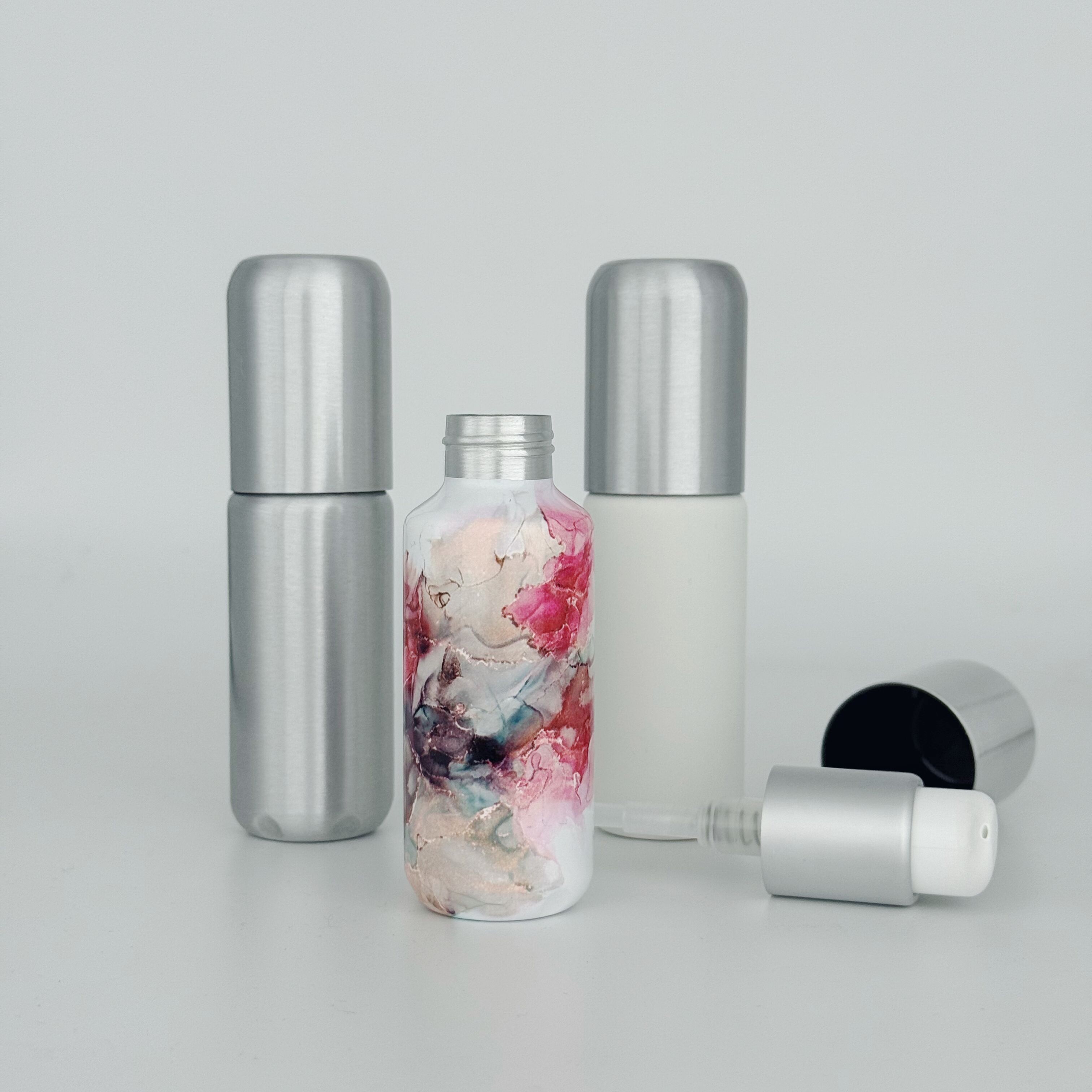
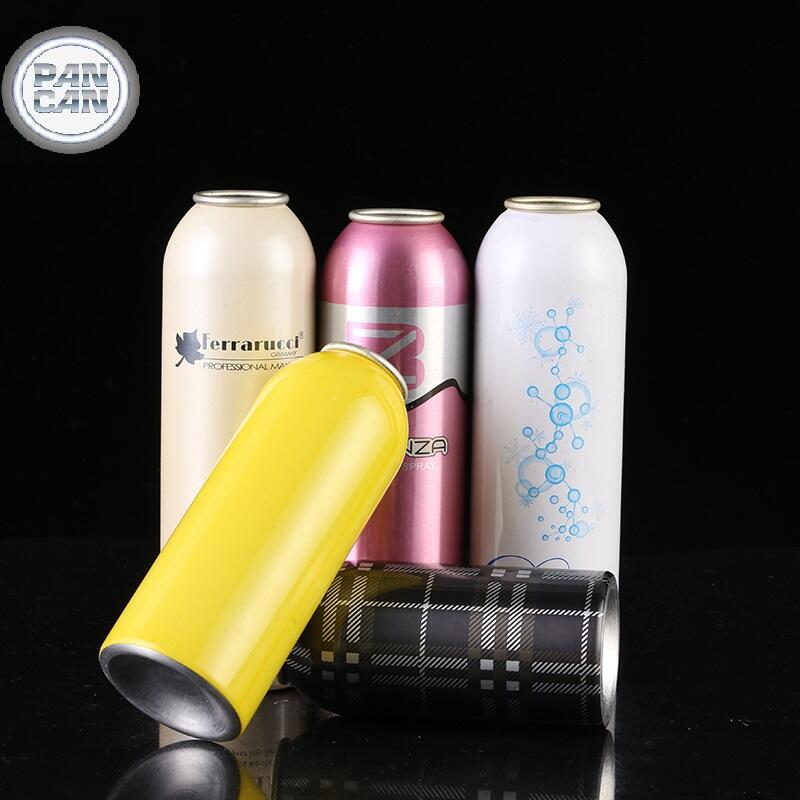
Working with a professional aerosol spray bottle manufacturer offers numerous practical benefits that directly impact your product success and business profitability. First, these manufacturers provide extensive customization options that allow brands to create unique packaging solutions tailored to specific product formulations and target audiences. You gain access to various container sizes ranging from small sample units to industrial-sized cans, multiple material options including aluminum and specialized plastics, and diverse valve configurations that control spray patterns from fine mists to concentrated streams. This flexibility ensures your product reaches consumers in the most effective format possible. Second, partnering with an established aerosol spray bottle manufacturer significantly reduces your operational complexity and capital investment requirements. Rather than building internal production facilities requiring millions in equipment purchases, specialized technical expertise, and ongoing maintenance costs, you leverage existing infrastructure and experienced personnel. This arrangement allows you to focus resources on core competencies like product development and marketing while the manufacturer handles complex production logistics. Third, quality assurance becomes substantially more reliable when working with dedicated manufacturers who implement comprehensive testing protocols throughout production cycles. Every batch undergoes pressure testing, leak detection, valve performance evaluation, and compatibility assessments ensuring consistent output that meets international safety standards. Fourth, experienced manufacturers provide valuable technical consultation regarding formulation compatibility, propellant selection, and regulatory compliance across different markets. This guidance proves invaluable when launching new products or expanding into international territories with varying regulatory frameworks. Fifth, established manufacturers maintain robust supply chain networks ensuring steady access to raw materials and components even during market disruptions. This reliability protects your production schedules and prevents costly delays that damage retailer relationships and consumer trust. Sixth, economies of scale achieved through specialized manufacturing operations translate into competitive pricing that improves your profit margins without compromising quality. Large production volumes allow manufacturers to negotiate favorable material costs and optimize operational efficiency, passing savings to clients. Seventh, sustainability initiatives implemented by forward-thinking manufacturers help brands meet environmental objectives through recyclable materials, reduced propellant emissions, and energy-efficient production processes. These green credentials increasingly influence consumer purchasing decisions and satisfy corporate responsibility mandates. Finally, ongoing innovation from dedicated research and development teams keeps your products competitive by incorporating latest technological advancements in spray technology, material science, and user interface design without requiring your own R&D investment.

Latest News

What to Know Before Customizing Aluminum Aerosol Cans

13

May

What to Know Before Customizing Aluminum Aerosol Cans

Before you start customizing aluminum aerosol cans, the most important step is to define what the can must achieve in real operating conditions, not just what it should look like on a shelf. In industrial and B2B projects, customizing aluminum aeroso...
View More
Custom Aluminum Aerosol Can Solutions for Brands

13

May

Custom Aluminum Aerosol Can Solutions for Brands

For brand owners in personal care, household, automotive, and specialty chemical markets, packaging is no longer a secondary decision. It directly shapes shelf impact, regulatory confidence, filling efficiency, and long-term margin performance. A cus...
View More
Navigating Customization and Printing with Your Aluminum Can Supplier

13

May

Navigating Customization and Printing with Your Aluminum Can Supplier

Customization and print execution are often where packaging projects either gain momentum or stall. In personal care, cosmetics, and industrial spray applications, your aluminum can supplier has a direct impact on artwork accuracy, line efficiency, a...
View More
Custom Aluminum Screw Bottles: Enhancing Brand Identity and Appeal

13

May

Custom Aluminum Screw Bottles: Enhancing Brand Identity and Appeal

In competitive B2B packaging markets, visual sameness is one of the fastest ways to lose attention at shelf level and in digital catalogs. Custom aluminum screw bottles give product teams a practical way to shape first impressions through material qu...
View More

Get a Free Quote

Our representative will contact you soon.
Email
Mobile
Name
Company Name
Product Type
Product
Message
0/1000

aerosol spray bottle manufacturer

Advanced Valve Technology and Precision Engineering

Advanced Valve Technology and Precision Engineering

The sophisticated valve systems developed by leading aerosol spray bottle manufacturers represent the pinnacle of dispensing technology, directly determining product performance and user satisfaction. These precision-engineered components consist of multiple integrated parts including stems, gaskets, springs, and housing units that must work in perfect harmony to deliver consistent spray patterns throughout the container's lifecycle. Top-tier manufacturers invest heavily in proprietary valve designs that address specific application challenges, developing solutions for everything from ultra-fine cosmetic mists to powerful industrial degreasers. The engineering process involves computational fluid dynamics modeling to optimize internal flow paths, material science research to identify compounds that resist chemical degradation from aggressive formulations, and extensive prototype testing under varied temperature and pressure conditions. Advanced manufacturers offer multiple valve configurations including standard vertical spray valves for traditional applications, horizontal valves for furniture polishes and cooking sprays, metered dose valves for pharmaceutical applications requiring precise volume control, and specialized foam valves that mix product with air to create rich lathers for shaving creams and cleaning products. The manufacturing precision required for these components operates at micron-level tolerances, ensuring that each valve delivers identical performance characteristics across millions of units. This consistency proves critical for consumer products where brand reputation depends on reliable functionality with every use. Furthermore, modern valve technology incorporates ergonomic actuator designs that reduce finger fatigue during extended use, particularly important for professional applications in salons, workshops, and commercial cleaning environments. Manufacturers continually refine these interfaces based on user feedback and biomechanical studies, creating buttons and triggers that accommodate diverse hand sizes and strength levels. The environmental benefits of advanced valve technology cannot be overstated, as newer designs minimize product waste by ensuring complete evacuation of container contents, with some systems achieving over ninety-eight percent product delivery. This efficiency reduces environmental impact while maximizing value for consumers who pay for every milliliter of product. Additionally, innovative valve designs enable the use of lower-pressure propellant systems and compressed air alternatives, significantly reducing the carbon footprint associated with traditional aerosol products while maintaining spray performance that meets consumer expectations across all application categories.
Comprehensive Quality Control and Safety Standards

Comprehensive Quality Control and Safety Standards

The commitment to quality assurance demonstrated by professional aerosol spray bottle manufacturers establishes the foundation for safe, reliable products that protect both consumers and brand reputations. These manufacturers implement multi-stage inspection protocols that begin with incoming raw material verification and continue through every production phase until final product release. Initial quality checks assess container material integrity, examining metal cans for wall thickness uniformity, surface defects, and proper internal coating application that prevents product interaction with container materials. Plastic components undergo rigorous testing for chemical resistance, ensuring compatibility with formulations that might include solvents, alcohols, or acidic compounds. Valve components receive dimensional verification using coordinate measuring machines and optical inspection systems that detect microscopic flaws invisible to human inspectors. During assembly operations, automated vision systems monitor critical connection points, verifying proper gasket seating and stem alignment that prevent leakage during product use. Pressure testing represents perhaps the most critical safety verification, with manufacturers subjecting sample units from each production batch to pressures exceeding normal operating conditions, ensuring containers withstand stress without failure. Burst testing determines absolute failure points, providing safety margins that protect consumers even under extreme conditions like vehicle storage during summer heat. Leak detection systems utilizing helium tracing or submersion testing identify even minute seal imperfections that could compromise product integrity or create safety hazards. Spray pattern analysis ensures consistent product delivery, with automated testing stations measuring droplet size distribution, spray angle, and flow rate across the actuator's operational range. These measurements confirm that products perform as intended whether used in bathroom humidity or outdoor temperature extremes. Regulatory compliance testing addresses requirements specific to target markets, including transportation regulations governing pressurized containers, environmental standards limiting volatile organic compound emissions, and consumer safety requirements mandating child-resistant actuators for hazardous products. Manufacturers maintain detailed documentation systems tracking every production batch, enabling rapid response to any quality concerns and facilitating continuous improvement initiatives. This traceability proves essential for industries like pharmaceuticals and food service where regulatory agencies demand complete supply chain transparency. The financial protection afforded by comprehensive quality programs extends beyond avoiding product recalls to include liability insurance advantages and retailer confidence that reduces barriers to distribution channel access.
Sustainable Manufacturing Practices and Environmental Innovation

Sustainable Manufacturing Practices and Environmental Innovation

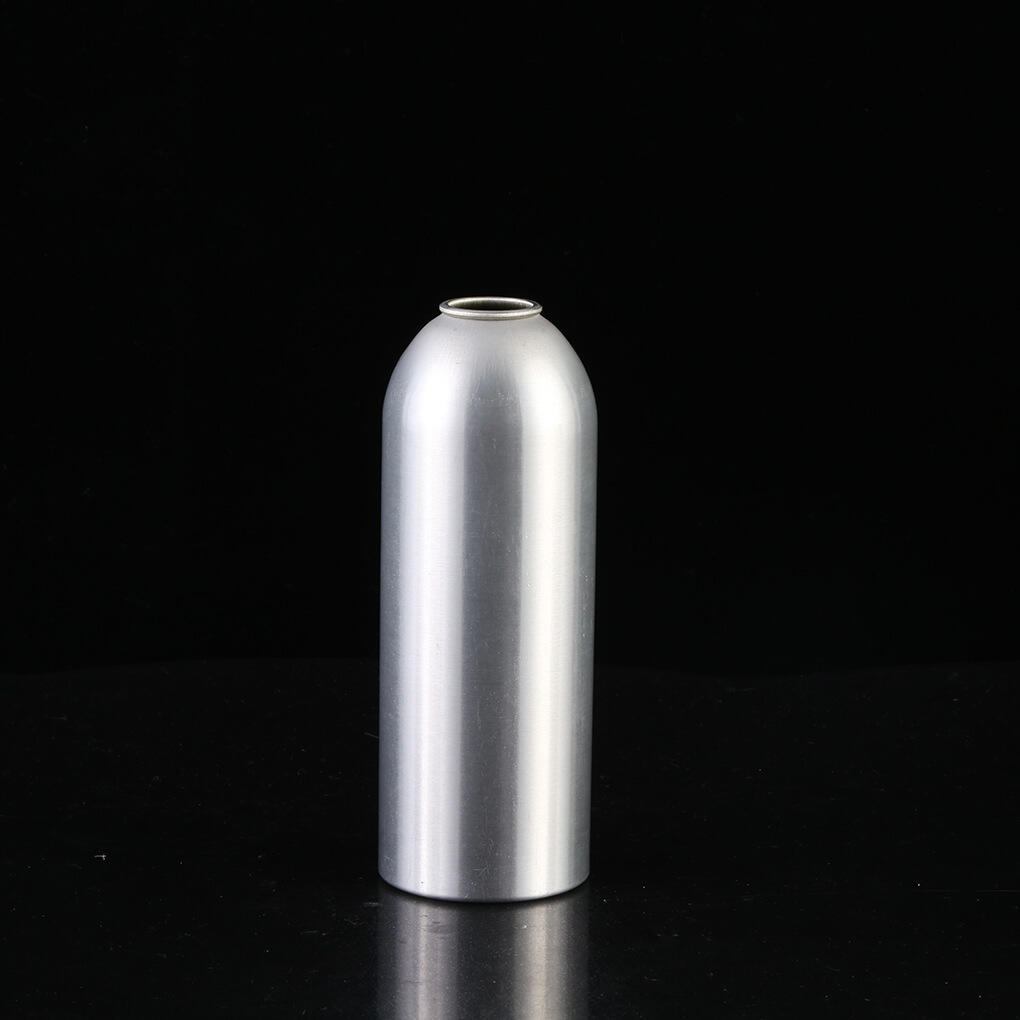
Contemporary aerosol spray bottle manufacturers increasingly prioritize environmental stewardship through innovative sustainable practices that address the entire product lifecycle from raw material sourcing to end-of-life disposal. These initiatives respond to growing consumer demand for environmentally responsible packaging while meeting increasingly stringent regulatory requirements governing emissions, recyclability, and environmental impact. Forward-thinking manufacturers have invested in aluminum container production since this material offers infinite recyclability without quality degradation, allowing used cans to return to the manufacturing stream repeatedly while requiring significantly less energy than virgin material production. The closed-loop recycling system for aluminum aerosol containers achieves recycling rates exceeding seventy-five percent in many developed markets, representing substantial environmental benefits compared to single-use packaging alternatives. Plastic aerosol bottle manufacturers similarly advance sustainability through post-consumer recycled content integration and development of bio-based polymers derived from renewable resources rather than petroleum feedstocks. Propellant innovation represents another critical sustainability frontier, with manufacturers transitioning from traditional hydrocarbon and hydrofluorocarbon propellants toward compressed gases like nitrogen, carbon dioxide, and atmospheric air that eliminate greenhouse gas contributions entirely. These alternative propellant systems require sophisticated pressure regulation technology to maintain consistent spray performance, demonstrating how environmental objectives drive technological advancement. Bag-on-valve technology exemplifies this innovation, separating product from propellant using an internal pouch that allows use of compressed air while preventing contamination and enabling any-angle dispensing including complete inversion. This technology delivers environmental benefits alongside functional advantages including extended product shelf life and elimination of chemical propellant interaction with sensitive formulations. Manufacturing facility operations similarly embrace sustainability through energy-efficient production equipment, solar power installation, waste heat recovery systems, and water recycling programs that minimize resource consumption. Packaging reduction strategies optimize material usage, employing advanced engineering to reduce container wall thickness while maintaining structural integrity, thereby decreasing raw material consumption and transportation emissions from reduced weight. Life cycle assessment methodologies guide product development decisions, quantifying environmental impacts across manufacturing, distribution, use, and disposal phases to identify improvement opportunities. These comprehensive evaluations reveal that aerosol packaging often delivers superior sustainability profiles compared to alternatives like trigger sprayers when factors including product concentration, distribution efficiency, and complete product evacuation receive proper consideration. Consumer education initiatives from responsible manufacturers highlight proper disposal practices and recycling program participation, closing the sustainability loop through behavioral engagement that transforms used containers into valuable manufacturing inputs rather than waste stream burdens.

Get a Free Quote

Our representative will contact you soon.
Email
Mobile
Name
Company Name
Product Type
Product
Message
0/1000
email goToTop