aerosol can manufacturer price
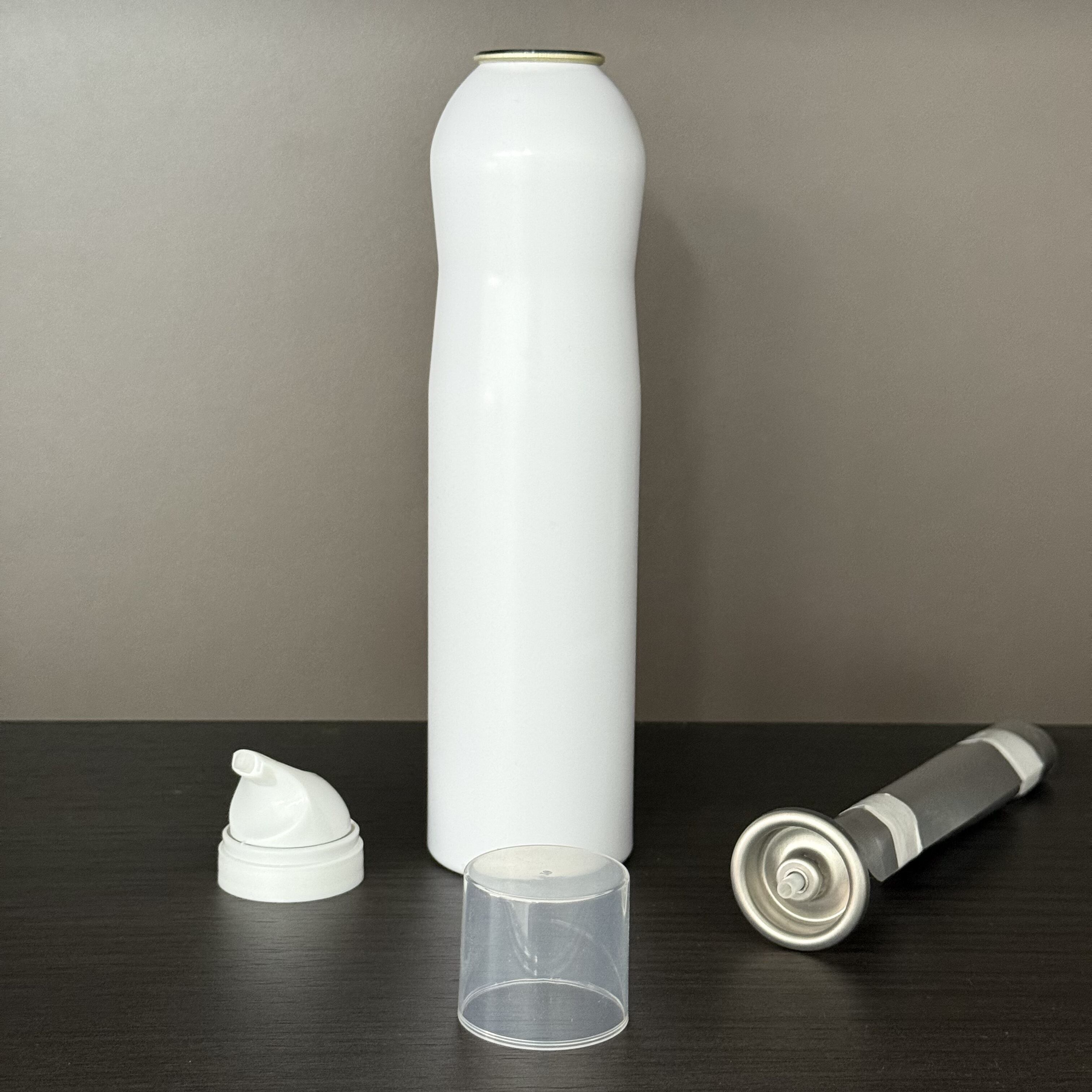
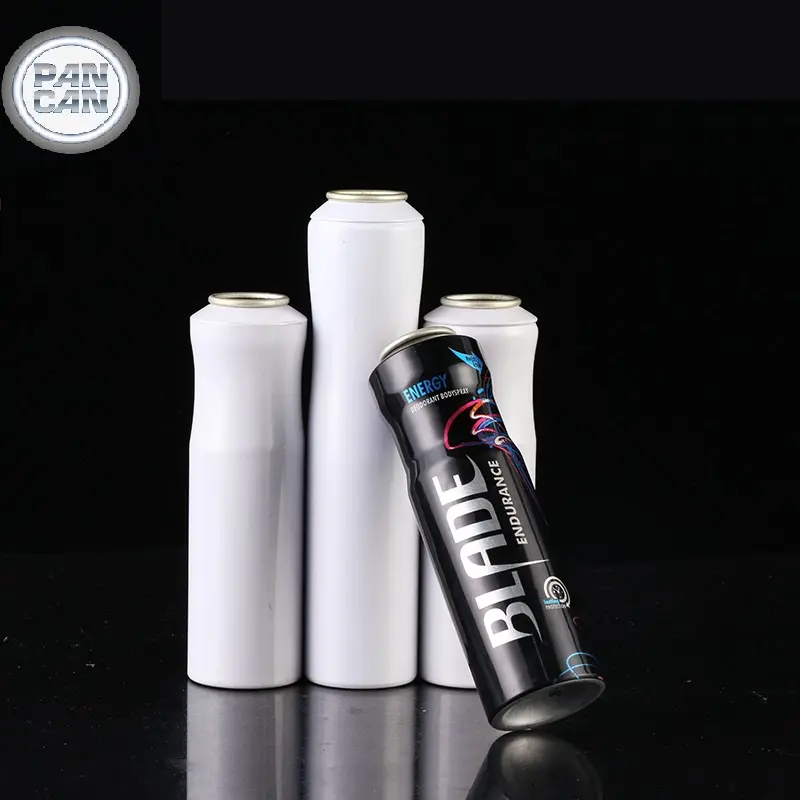
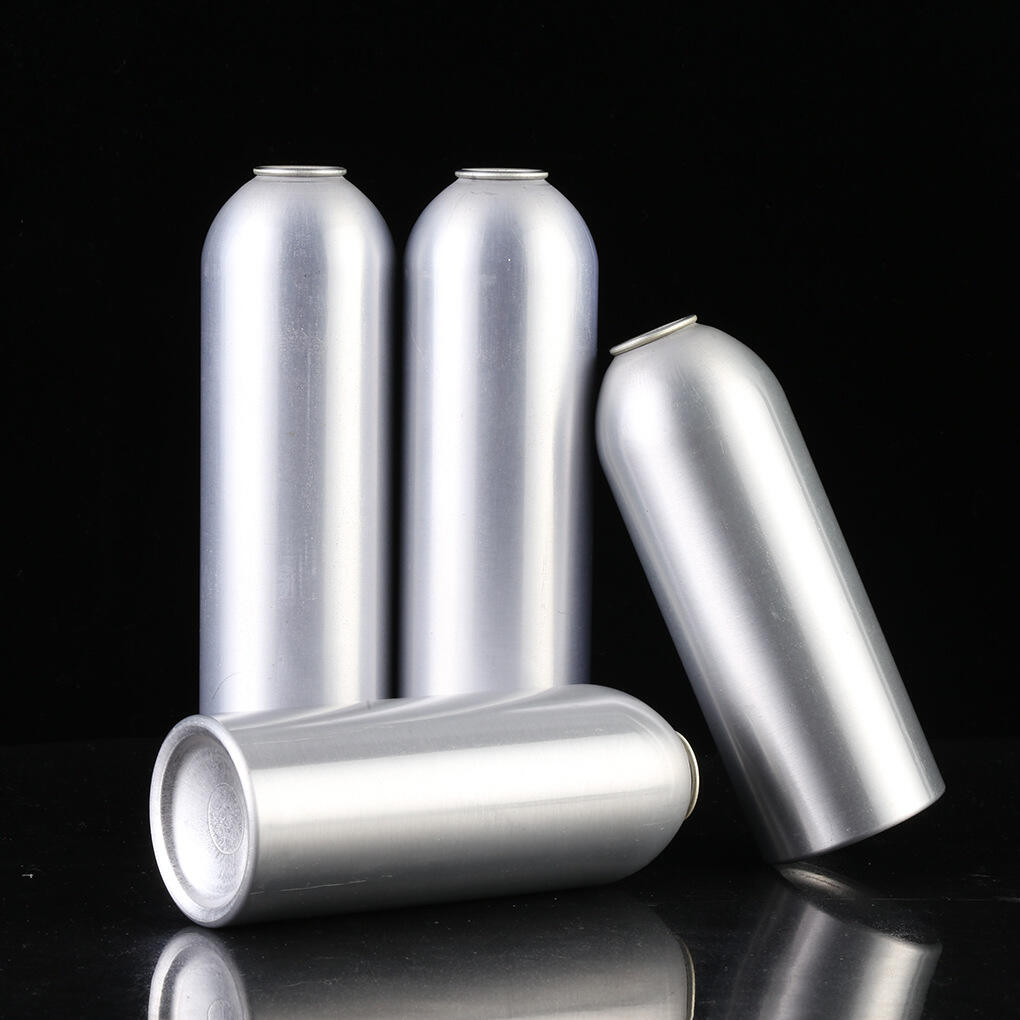
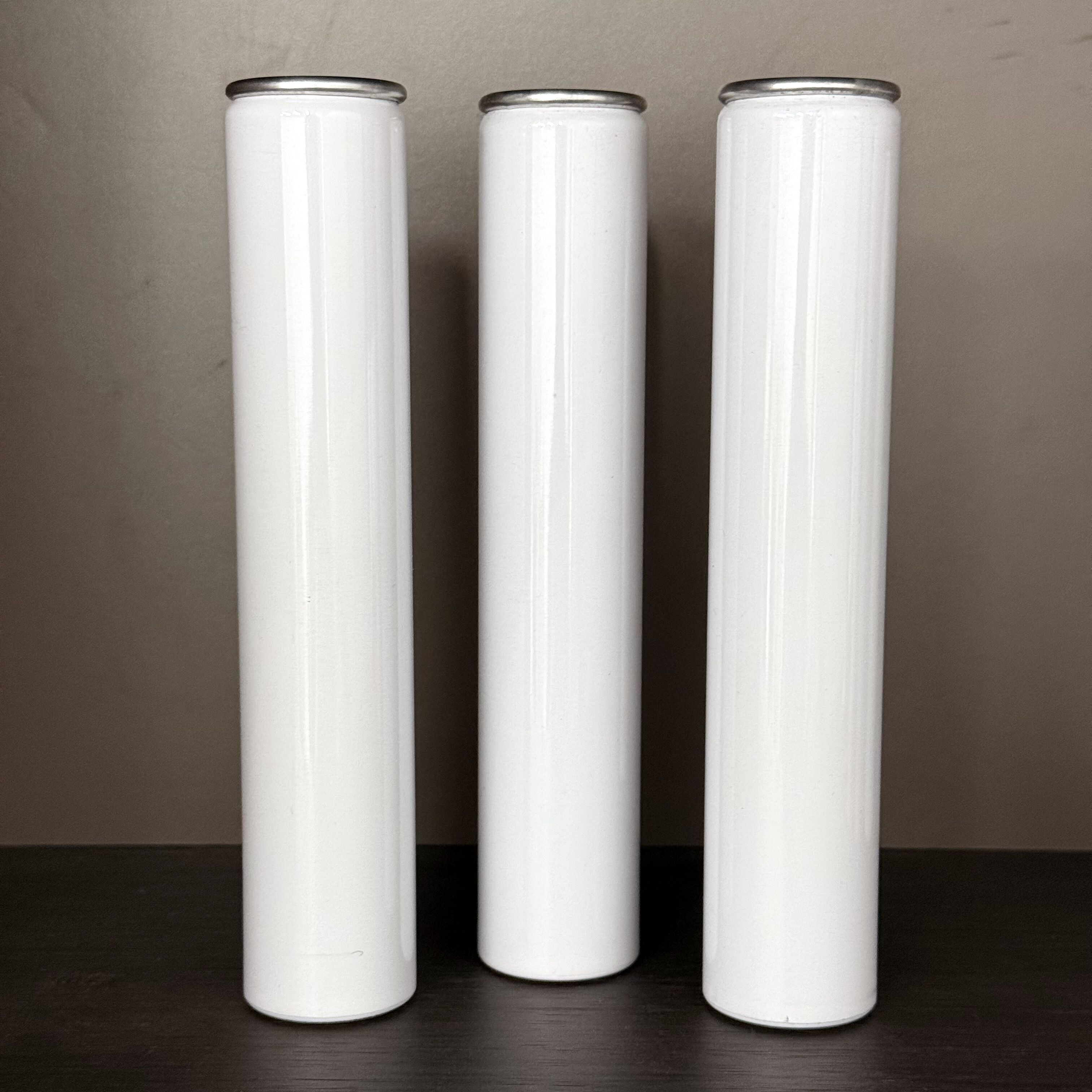
Understanding aerosol can manufacturer price involves examining multiple dimensions of value, functionality, and market positioning that directly impact purchasing decisions for businesses across numerous industries. The aerosol can manufacturer price represents more than just a simple cost figure; it encompasses the comprehensive value proposition of obtaining high-quality pressurized containers designed for diverse product applications ranging from personal care items to industrial lubricants and household cleaners. When evaluating aerosol can manufacturer price, buyers must consider several critical technological features that influence overall cost-effectiveness. Modern aerosol cans utilize advanced materials such as aluminum and tinplate steel, engineered to withstand internal pressures while maintaining product integrity throughout extended shelf life periods. The manufacturing process involves sophisticated techniques including deep drawing, impact extrusion, and precision welding that ensure structural reliability and safety compliance. These containers feature specialized valve systems, actuators, and dip tubes that enable controlled dispensing of products in various spray patterns, from fine mists to concentrated streams. The aerosol can manufacturer price reflects investment in quality control systems that test for leak resistance, pressure tolerance, and compatibility with different propellants and formulations. Applications for these containers span pharmaceutical products, cosmetics, food products, automotive care items, paint and coatings, pest control solutions, and medical treatments. The pricing structure accounts for customization options including size variations from small sample cans to industrial-sized containers, surface finishing treatments, printing capabilities for branding, and specialized coatings that protect against corrosion or chemical interaction. Understanding aerosol can manufacturer price means recognizing the balance between initial investment and long-term benefits such as product protection, consumer convenience, extended distribution capabilities, and brand presentation opportunities that enhance market competitiveness and customer satisfaction.

 EN
EN