Premium OEM Aerosol Cans - Custom Packaging Solutions for Your Brand | Quality Guaranteed

Get a Free Quote

Our representative will contact you soon.
Email
Mobile
Name
Company Name
Product Type
Product
Message
0/1000

oem aerosol cans

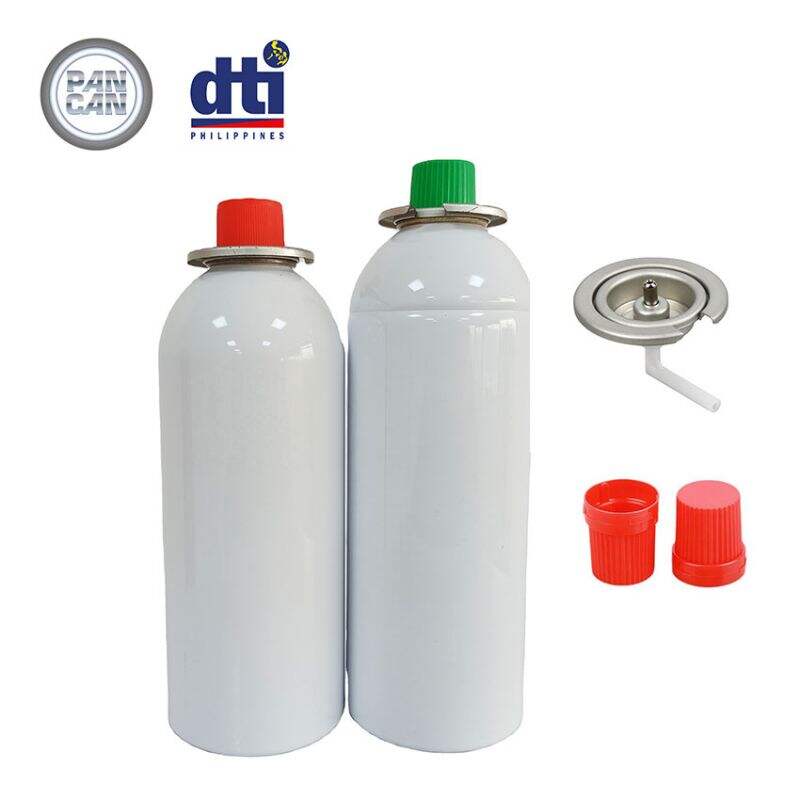
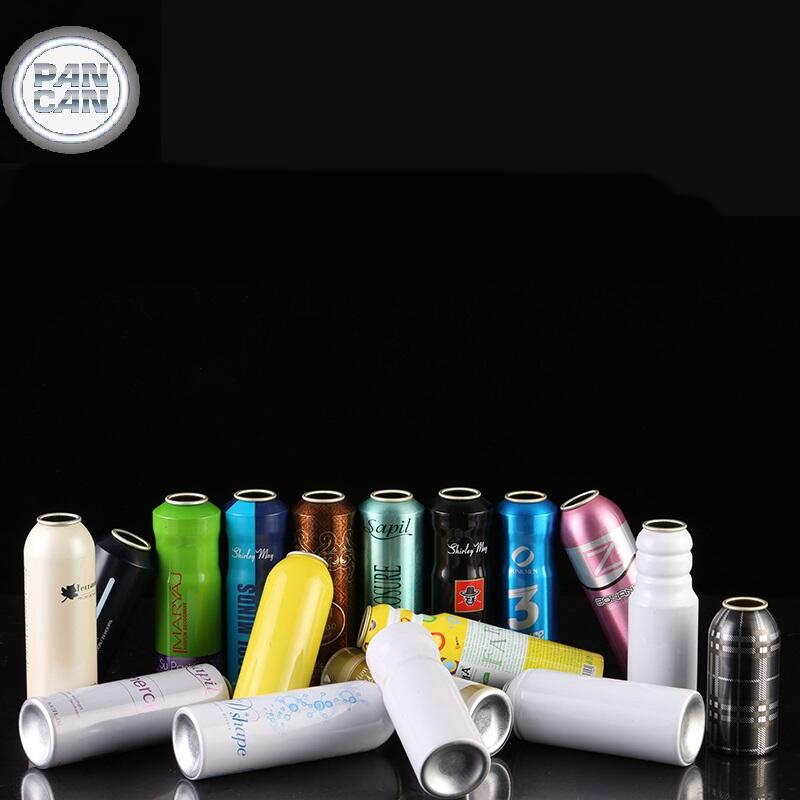
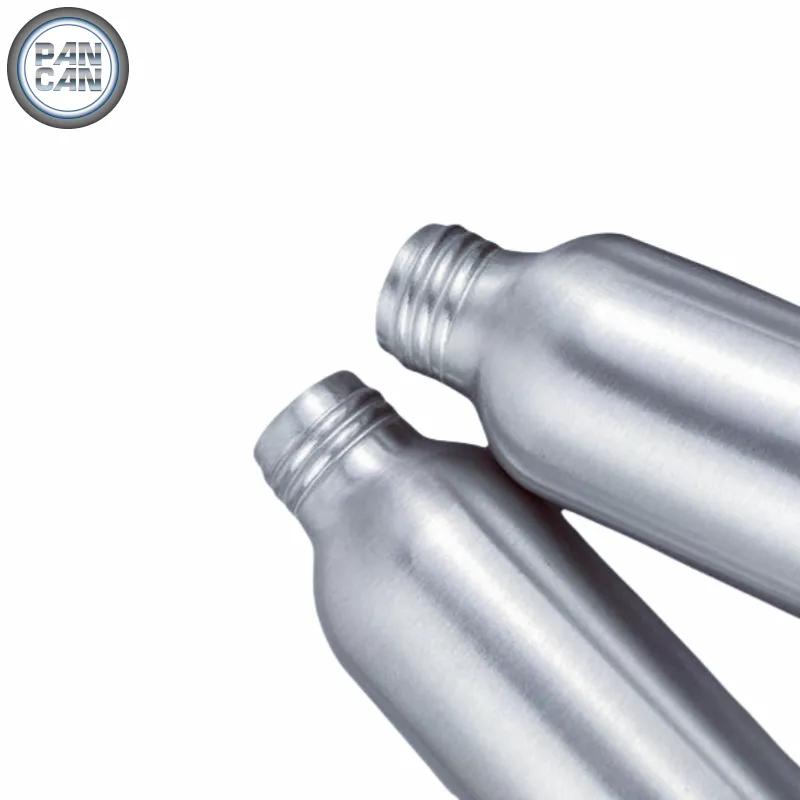
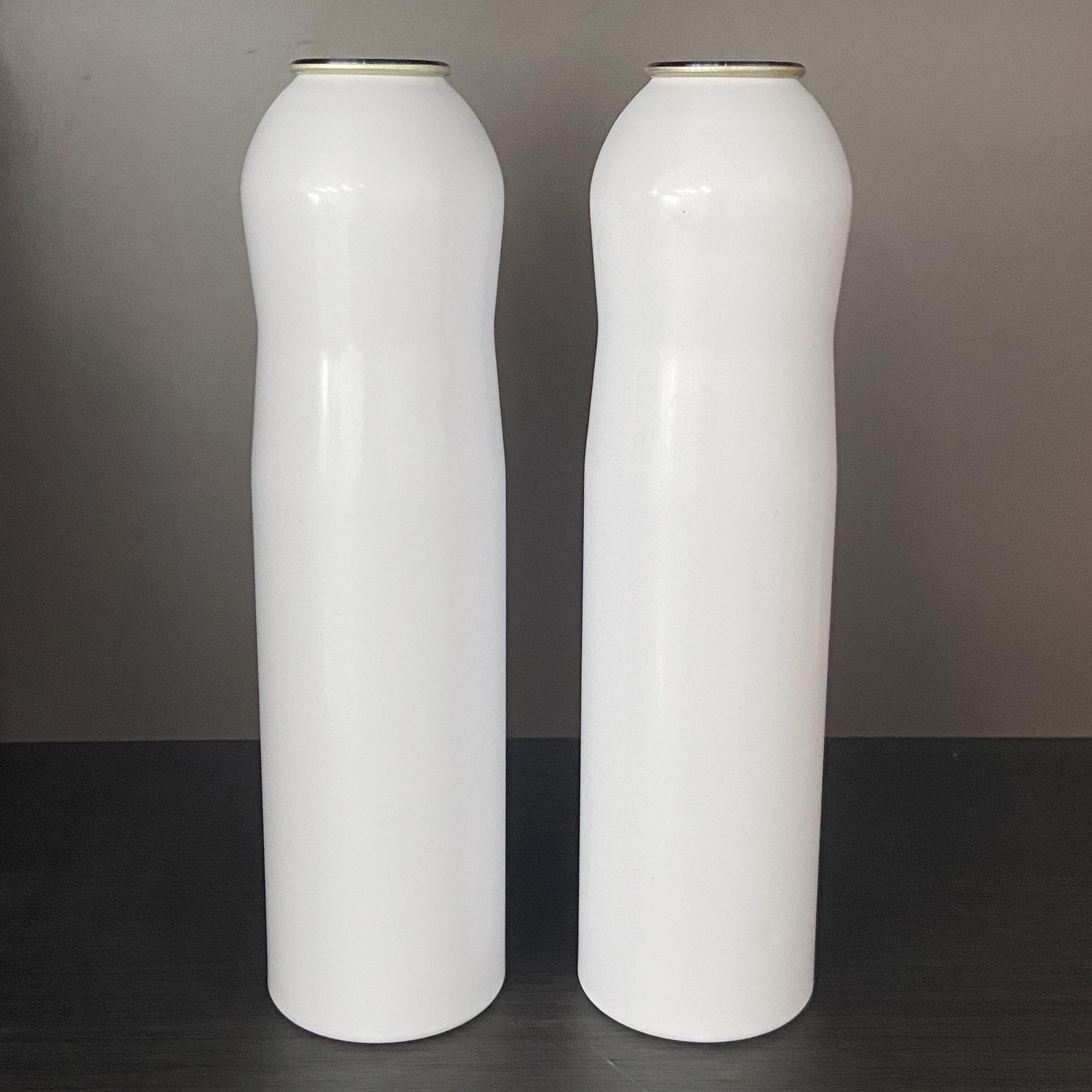
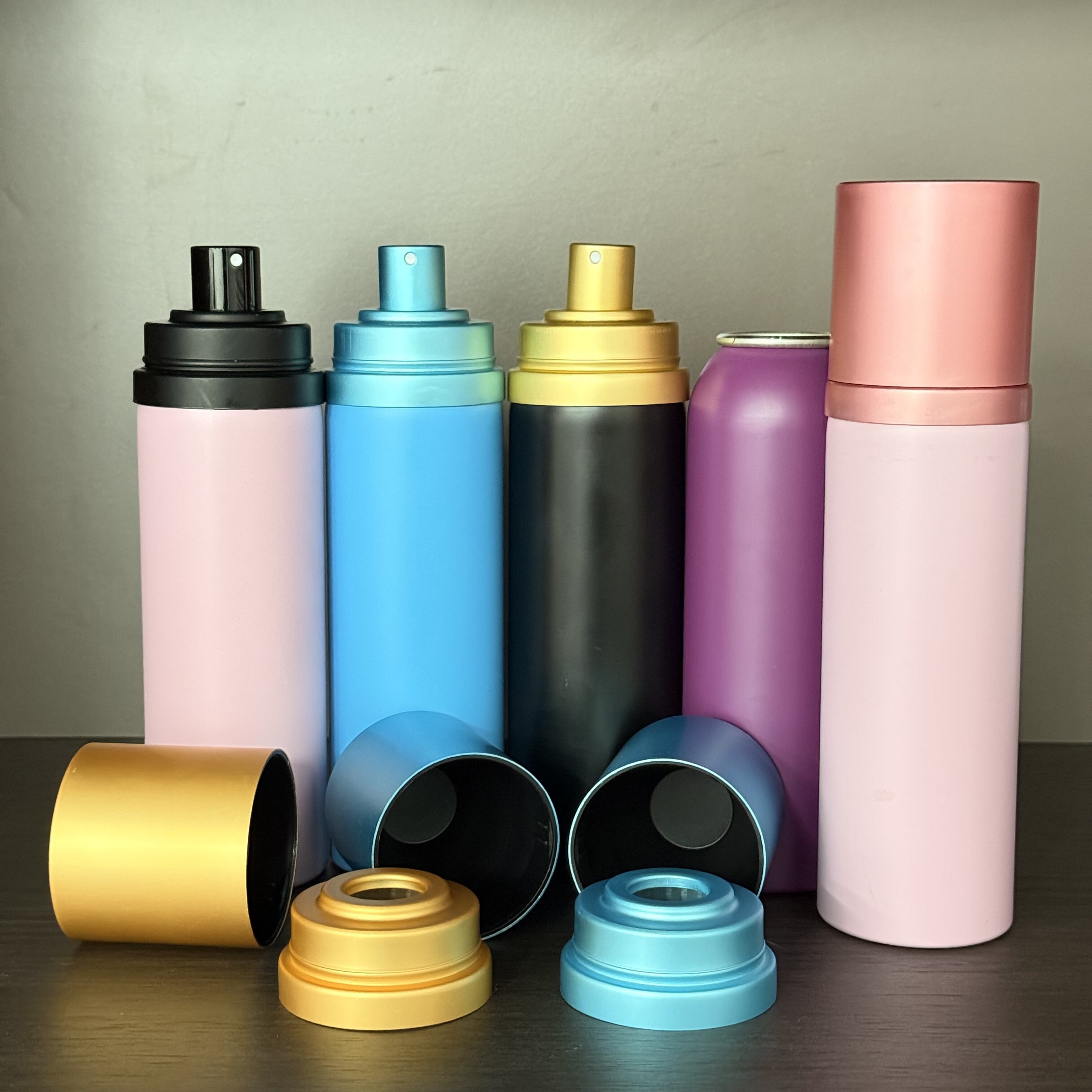
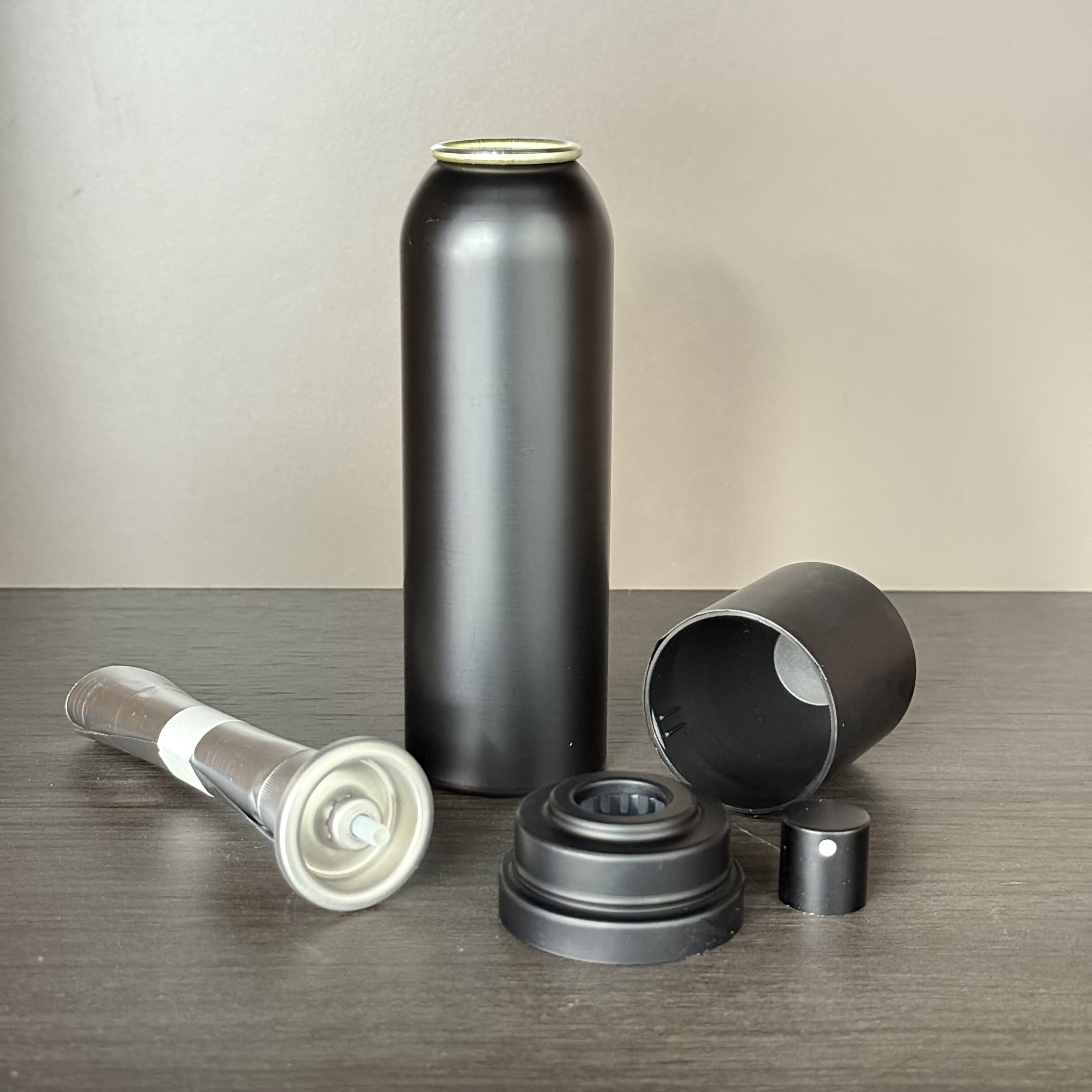
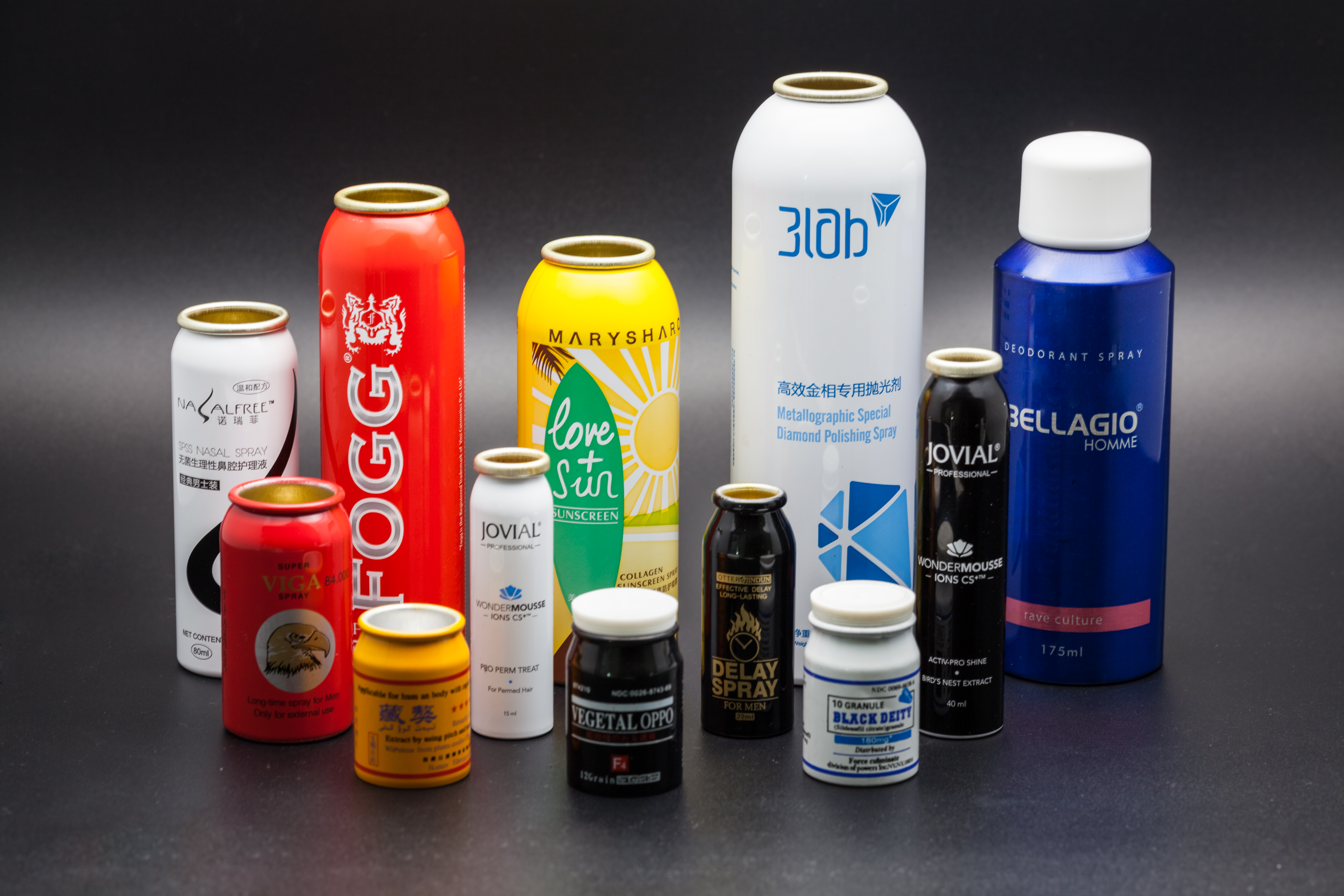
OEM aerosol cans represent a specialized packaging solution designed for brands seeking customized dispensing containers that align perfectly with their specific product requirements and brand identity. These containers serve as pressurized vessels that store and dispense various substances through controlled spray mechanisms, offering versatility across numerous industries. The primary function of OEM aerosol cans involves delivering liquids, gels, or powders in fine mist or concentrated stream formats, ensuring consistent product application with minimal waste. Manufacturing OEM aerosol cans involves sophisticated processes including metal forming, surface treatment, valve integration, and pressure testing to guarantee safety and reliability. The technological features of these containers encompass multi-layered construction using aluminum or tinplate materials that provide excellent barrier properties against light, oxygen, and moisture contamination. Advanced valve systems incorporated into OEM aerosol cans enable precise dosage control and spray pattern adjustment, accommodating different viscosities and formulation requirements. These cans utilize propellant systems, either compressed gases or liquefied gases, that create the necessary pressure differential to expel contents effectively. The applications of OEM aerosol cans span diverse sectors including personal care products like deodorants and hair sprays, household cleaning solutions, automotive maintenance products, industrial lubricants, pharmaceutical preparations, and food-grade applications such as cooking sprays and whipped cream dispensers. The customization aspect of OEM aerosol cans allows businesses to select specific dimensions, ranging from compact 50ml units to larger 750ml containers, ensuring optimal product-to-package ratios. Surface decoration options including offset printing, silk screening, and digital printing enable brands to create visually striking packaging that communicates product benefits and enhances shelf appeal. Environmental considerations have driven innovations in OEM aerosol cans, with manufacturers developing recyclable materials and propellant alternatives that reduce carbon footprints while maintaining performance standards. Quality assurance protocols ensure each OEM aerosol can meets international safety standards and regulatory compliance requirements specific to intended markets and product categories.

Popular Products

Choosing OEM aerosol cans delivers substantial benefits that directly impact your business operations and customer satisfaction. The customization flexibility stands as a primary advantage, allowing you to tailor every aspect of the container to match your exact specifications, from capacity and dimensions to valve types and actuator designs. This personalized approach ensures your product dispenses exactly as intended, creating consistent user experiences that build brand loyalty and reduce customer complaints. Cost efficiency emerges as another significant benefit when ordering OEM aerosol cans, particularly for businesses operating at scale, as manufacturers optimize production runs to deliver competitive pricing without compromising quality standards. The durability of these containers protects your products throughout distribution channels, withstanding handling stresses, temperature fluctuations, and transportation impacts that might damage alternative packaging formats. This robustness translates to reduced product loss, fewer returns, and lower overall operational costs. OEM aerosol cans provide superior product preservation by creating hermetically sealed environments that prevent contamination, oxidation, and degradation, extending shelf life significantly compared to traditional packaging methods. This preservation capability proves especially valuable for sensitive formulations containing volatile ingredients or products requiring sterile conditions. The convenience factor resonates strongly with end users, as aerosol dispensing eliminates the need for additional application tools, provides instant readiness, and enables one-handed operation that appeals to busy consumers seeking efficiency. Marketing advantages materialize through the extensive branding opportunities available on OEM aerosol cans, with 360-degree surface areas providing ample space for compelling graphics, detailed product information, and eye-catching designs that differentiate your offerings in crowded marketplaces. The professional appearance of well-designed aerosol packaging elevates perceived product value, justifying premium pricing strategies and attracting quality-conscious consumers. Environmental responsibility becomes achievable with modern OEM aerosol cans, as recyclable materials and eco-friendly propellants align your brand with sustainability values increasingly important to consumers. Production efficiency improves when using OEM aerosol cans, as automated filling lines process these standardized containers rapidly, reducing labor costs and increasing output capacity. The versatility of these containers accommodates formula modifications and product line extensions without requiring entirely new packaging infrastructure, providing strategic flexibility as market demands evolve. Safety features integrated into OEM aerosol cans protect both consumers and products, with child-resistant caps, tamper-evident seals, and pressure relief mechanisms minimizing liability risks. The global acceptance of aerosol packaging simplifies international expansion, as consumers worldwide recognize and trust this dispensing format, reducing the need for market-specific education campaigns.

Latest News

The Versatility of Aluminum Screw Bottles for Various Industries

29

Apr

The Versatility of Aluminum Screw Bottles for Various Industries

In today's competitive industrial landscape, packaging solutions must deliver more than basic containment. They need to protect product integrity, enhance brand perception, support regulatory compliance, and adapt seamlessly across diverse operationa...
View More
Why Inner Coating Is Critical for Aluminum Aerosol Cans

13

May

Why Inner Coating Is Critical for Aluminum Aerosol Cans

In industrial packaging, product stability is not determined by metal strength alone. The real performance driver is often the inner coating for aluminum aerosol cans, because it forms the direct barrier between the formula and the container wall. Wi...
View More
Aluminum Aerosol Cans for Deodorant Products

13

May

Aluminum Aerosol Cans for Deodorant Products

Aluminum Aerosol Cans for Deodorant Products are a strategic packaging choice for brands that need product protection, stable spray performance, and a premium shelf impression in one format. In deodorant categories, packaging is not a secondary detai...
View More
The Key Factors to Consider When Choosing an Aluminum Can Supplier

13

May

The Key Factors to Consider When Choosing an Aluminum Can Supplier

Choosing the right aluminum can supplier is a strategic decision that affects product quality, production stability, and long-term cost control. In industrial procurement, packaging is not only a container but also a performance component tied to fil...
View More

Get a Free Quote

Our representative will contact you soon.
Email
Mobile
Name
Company Name
Product Type
Product
Message
0/1000

oem aerosol cans

Advanced Customization Capabilities That Perfectly Match Your Brand Vision

Advanced Customization Capabilities That Perfectly Match Your Brand Vision

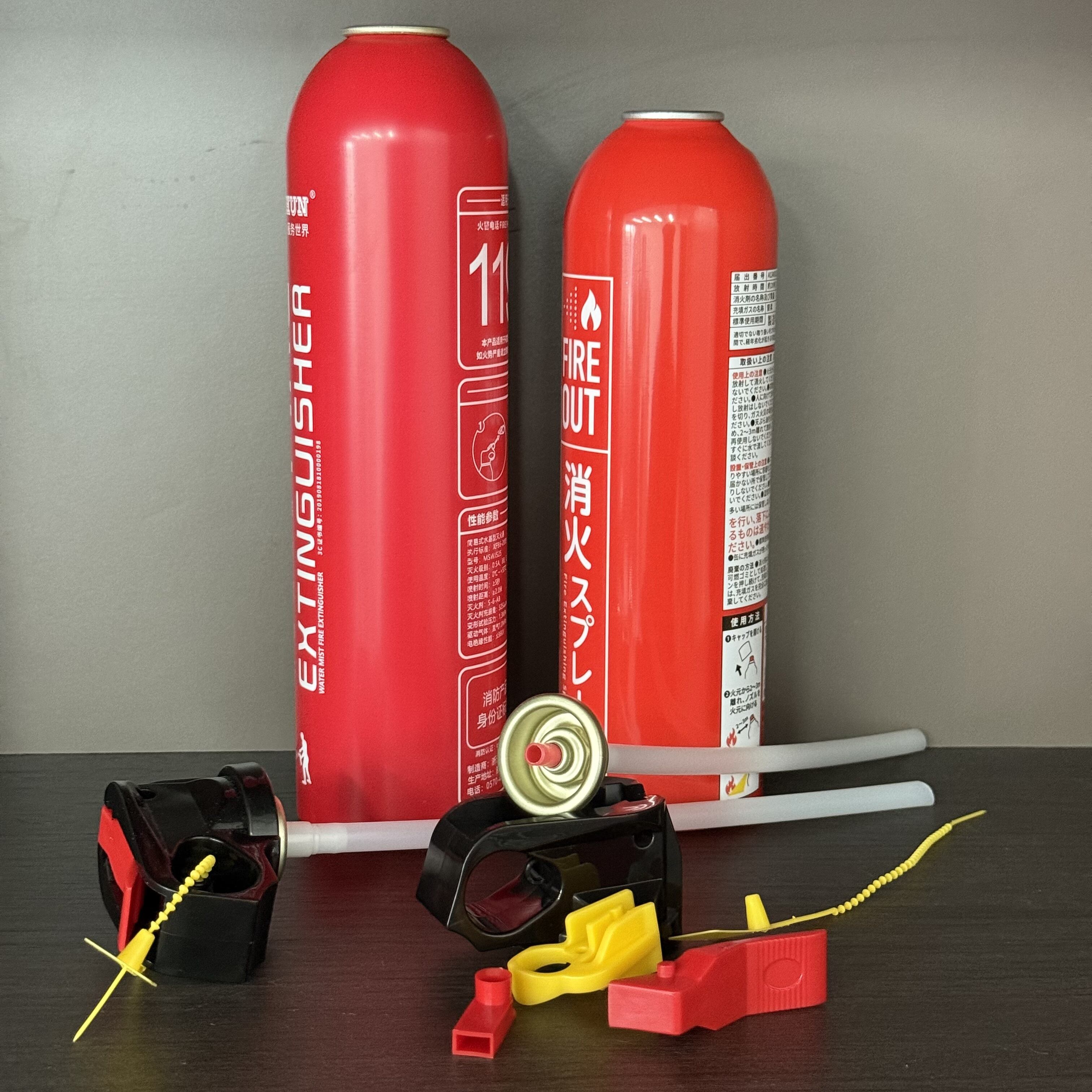
The customization possibilities available with OEM aerosol cans extend far beyond basic size selection, offering comprehensive design flexibility that transforms standard containers into distinctive brand assets. Manufacturers work collaboratively with clients to engineer containers that address specific technical requirements while incorporating visual elements that capture brand essence and appeal to target demographics. Material selection represents the foundation of customization, with options including lightweight aluminum that facilitates portability, cost-effective tinplate offering robust protection, or specialized alloys designed for demanding applications requiring enhanced chemical resistance. Surface finish treatments range from glossy coatings that create premium aesthetics to matte finishes providing sophisticated modern appearances, with options for metallic effects, pearl finishes, or textured surfaces that engage tactile senses and differentiate products at point of sale. The printing capabilities available for OEM aerosol cans have evolved dramatically, with advanced offset printing delivering photographic quality images, vibrant color gradients, and intricate design details that communicate brand stories effectively. Digital printing technologies enable shorter production runs with variable data capabilities, supporting limited edition releases, regional variations, or personalized campaigns that create emotional connections with consumers. Embossing and debossing techniques add dimensional elements to OEM aerosol cans, creating raised or recessed patterns that enhance perceived value and provide distinctive brand signatures recognizable through touch alone. Valve customization proves critical for product performance, with options including standard vertical spray valves, horizontal dispensing systems for inverted use, foam valves creating rich lathers, and specialized actuators designed for specific application needs like precision targeting or wide-area coverage. Cap and actuator design opportunities allow brands to incorporate ergonomic features, distinctive shapes, and color coding that improve user experiences and reinforce brand recognition. Window panels or transparent sections can be integrated into OEM aerosol cans, providing visual confirmation of remaining product levels and creating intriguing design elements that break traditional packaging conventions. The ability to specify exact dimensions ensures optimal product ratios, minimizes wasted space in shipping configurations, and allows perfect integration into existing product lines or retail display systems. Barrier coating technologies can be applied internally to OEM aerosol cans, preventing interactions between aggressive formulations and container materials while enabling use of more economical base materials without compromising product integrity.
Uncompromising Quality Standards Ensuring Safety and Performance Reliability

Uncompromising Quality Standards Ensuring Safety and Performance Reliability

Quality assurance processes governing OEM aerosol cans manufacture reflect stringent safety requirements and performance expectations essential for products delivered under pressure. Every production phase undergoes rigorous inspection protocols, beginning with raw material verification ensuring metal compositions meet specified grades and thicknesses capable of withstanding internal pressures without deformation or failure. Manufacturing facilities producing OEM aerosol cans implement automated quality control systems that monitor critical parameters continuously, detecting dimensional variations, coating inconsistencies, or structural anomalies that might compromise container integrity. Pressure testing represents a non-negotiable quality checkpoint where each batch of OEM aerosol cans undergoes hydraulic or pneumatic testing at pressures exceeding normal operating conditions, verifying structural soundness and identifying potential weak points before products reach filling operations. Leak detection systems employ sophisticated methodologies including vacuum decay testing, helium mass spectrometry, and water immersion techniques that identify even microscopic seal imperfections that could lead to product loss or contamination. Valve functionality testing ensures consistent actuation forces, proper spray patterns, and reliable sealing performance across the expected product lifespan, with accelerated aging protocols simulating years of storage conditions to predict long-term reliability. Coating adhesion and corrosion resistance evaluations subject OEM aerosol cans to harsh environmental exposures including salt spray, humidity cycling, and chemical exposure tests that verify protective layers maintain integrity under challenging conditions. Drop testing and impact resistance assessments replicate distribution stresses, ensuring containers survive typical handling scenarios without denting, leaking, or compromising spray functionality. Dimensional accuracy measurements verify that OEM aerosol cans maintain specified tolerances essential for automated filling line compatibility and proper component fitment. Chemical compatibility studies evaluate interactions between container materials and specific formulations, preventing degradation reactions that might affect product stability or generate safety hazards. Regulatory compliance verification ensures OEM aerosol cans meet applicable standards including DOT transportation regulations, international shipping requirements, and market-specific packaging directives. Traceability systems implemented throughout production enable rapid identification of manufacturing batches, facilitating targeted responses if quality issues emerge and demonstrating commitment to accountability. Statistical process control methodologies identify trends before they result in defective products, supporting continuous improvement initiatives that enhance manufacturing consistency. Third-party certification options provide independent validation of quality systems, offering customers additional confidence in OEM aerosol cans manufacturing integrity and demonstrating commitment to industry best practices.
Sustainable Manufacturing Practices Reducing Environmental Impact While Maintaining Excellence

Sustainable Manufacturing Practices Reducing Environmental Impact While Maintaining Excellence

Environmental stewardship has become integral to modern OEM aerosol cans production, with manufacturers implementing comprehensive sustainability strategies that address resource consumption, waste reduction, and end-of-life considerations. Material selection emphasizes recyclability, with aluminum and steel used in OEM aerosol cans being infinitely recyclable without quality degradation, enabling closed-loop systems where used containers become raw materials for new production cycles. Lightweight engineering reduces material usage per container without compromising structural integrity, decreasing transportation energy requirements and lowering overall carbon footprints associated with product distribution. Manufacturing efficiency improvements minimize waste generation, with advanced forming technologies achieving higher yield rates and reducing scrap metal volumes requiring reprocessing. Energy management systems optimize power consumption throughout OEM aerosol cans production facilities, incorporating renewable energy sources, waste heat recovery, and efficient equipment that collectively reduces manufacturing emissions. Water conservation measures implement closed-loop systems that treat and recycle process water, dramatically reducing freshwater consumption and wastewater discharge volumes. Propellant innovation has shifted OEM aerosol cans toward environmentally preferable options, replacing ozone-depleting chlorofluorocarbons with compressed gases like nitrogen or carbon dioxide, liquefied hydrocarbons with lower global warming potential, or emerging technologies using air-powered systems. Coating formulations have evolved to eliminate heavy metals and reduce volatile organic compound emissions, improving workplace safety while minimizing environmental releases during application and curing processes. Supply chain sustainability extends environmental responsibility beyond manufacturing facilities, with sourcing strategies favoring suppliers demonstrating environmental commitment and transportation optimization reducing logistics impacts. Design for recyclability principles guide OEM aerosol cans development, ensuring components separate easily during recycling processes and avoiding material combinations that complicate recovery operations. Consumer education initiatives promote proper disposal and recycling of aerosol containers, increasing recovery rates and closing material loops that transform waste into valuable resources. Life cycle assessments evaluate environmental impacts across entire product lifecycles, identifying improvement opportunities and validating sustainability claims with quantitative data. Carbon offset programs address unavoidable emissions, supporting reforestation, renewable energy development, or verified climate projects that neutralize production impacts. Packaging reduction strategies minimize secondary packaging requirements for OEM aerosol cans, reducing material consumption and waste generation throughout distribution chains. Biodegradable or compostable alternatives for non-metal components like actuators and caps are emerging, though careful evaluation ensures these materials maintain necessary performance characteristics. Transparency in environmental reporting demonstrates commitment to continuous improvement, with manufacturers publishing sustainability metrics and progress toward reduction targets that stakeholders can verify and track over time.


Get a Free Quote

Our representative will contact you soon.
Email
Mobile
Name
Company Name
Product Type
Product
Message
0/1000
email goToTop