
 EN
EN


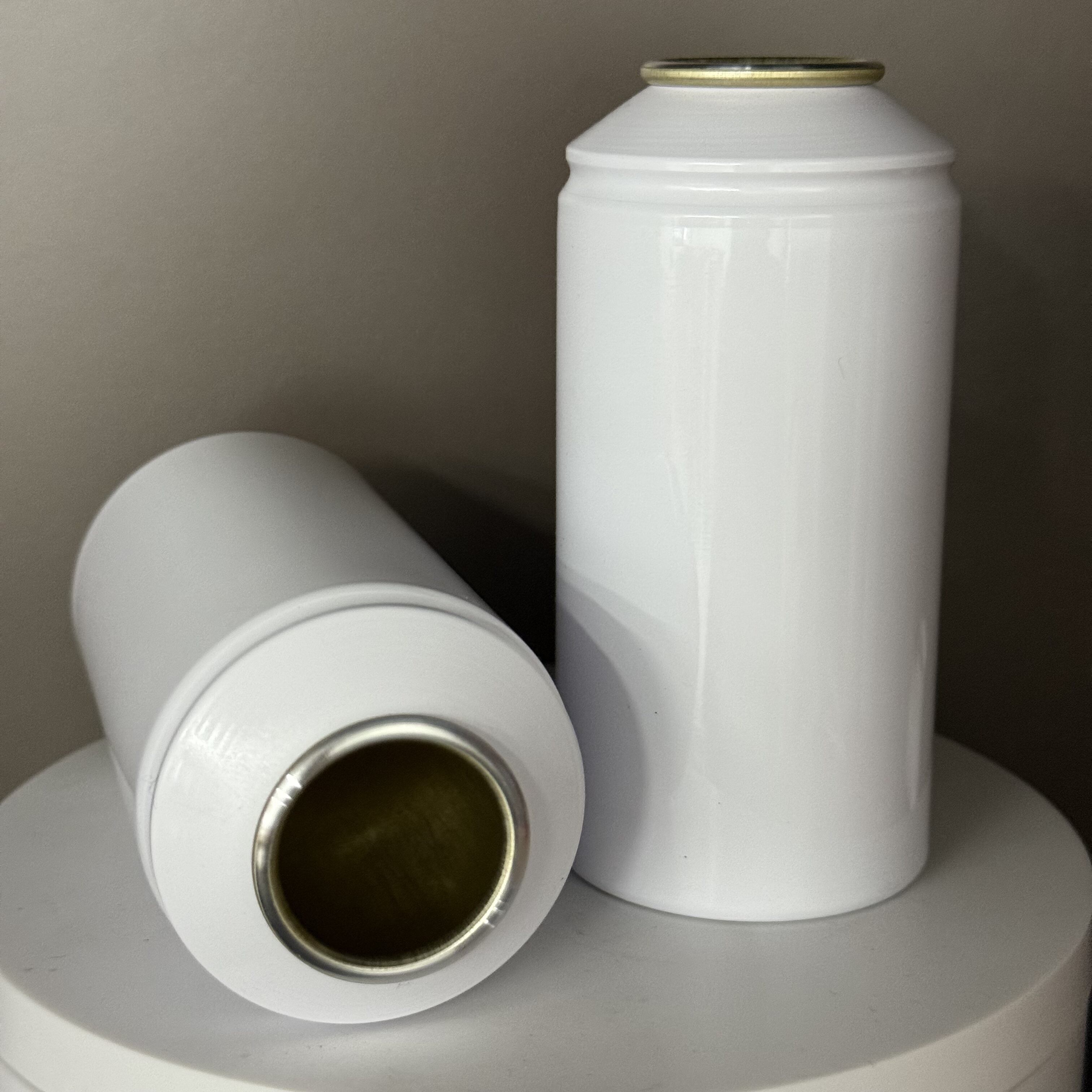
The packaging industry has witnessed significant evolution in spray can technology, with manufacturers constantly debating the merits of different materials. Modern consumers and businesses alike face critical decisions when selecting between aluminum and plastic spray containers for their products. The choice between an aluminum spray can and plastic alternatives can dramatically impact product performance, environmental sustainability, and overall user experience. Understanding the fundamental differences between these materials helps industries make informed packaging decisions that align with their specific requirements and market demands.
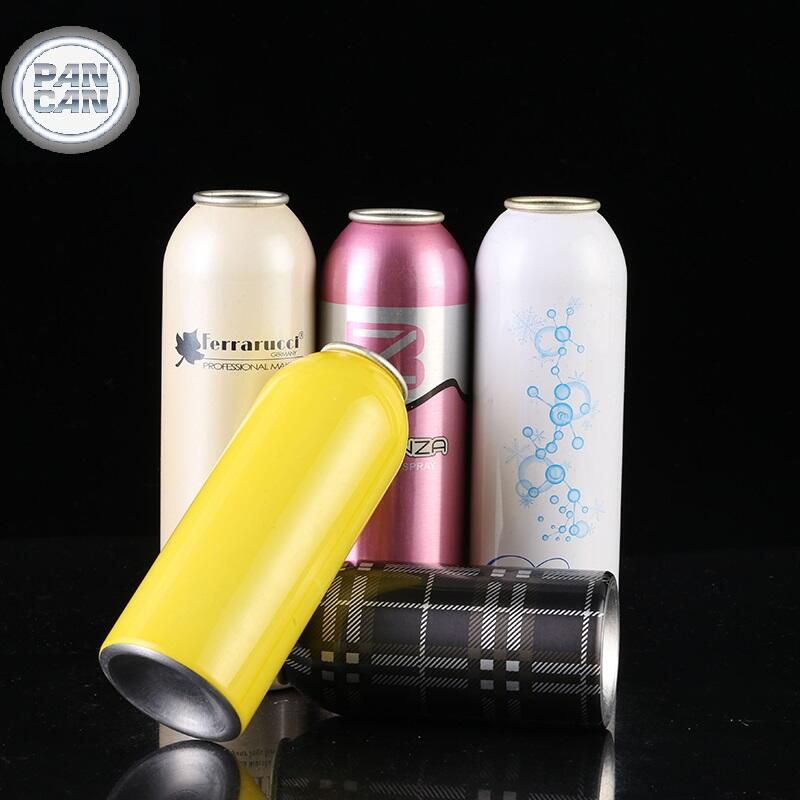
Material Properties and Performance Characteristics
Durability and Structural Integrity
Aluminum containers demonstrate exceptional structural integrity under varying pressure conditions, making them ideal for high-pressure applications. The metallic composition provides superior resistance to deformation, ensuring consistent spray patterns throughout the product lifecycle. Manufacturing processes for aluminum containers involve precise engineering that maintains uniform wall thickness, preventing weak points that could compromise product safety. The inherent strength of aluminum allows for thinner walls while maintaining pressure resistance, resulting in lightweight yet robust packaging solutions.
Plastic spray containers offer flexibility advantages in certain applications, particularly where impact resistance takes priority over pressure tolerance. The polymeric structure absorbs shock better than rigid materials, reducing the likelihood of catastrophic failure during transportation or handling. However, plastic materials may experience gradual deformation under sustained pressure, potentially affecting spray performance over extended periods. Modern plastic formulations incorporate reinforcement additives to enhance structural properties while maintaining cost-effectiveness.
Chemical Compatibility and Reactivity
Chemical compatibility represents a crucial factor when selecting appropriate spray can materials for specific formulations. Aluminum exhibits excellent compatibility with most cosmetic, pharmaceutical, and industrial chemicals, providing inert storage conditions that preserve product integrity. The non-reactive nature of aluminum prevents unwanted chemical interactions that could alter product composition or effectiveness over time. Surface treatments and interior coatings further enhance chemical resistance, expanding the range of compatible formulations.
Plastic containers require careful consideration of polymer-chemical interactions, as certain formulations may cause swelling, degradation, or permeation issues. Solvent-based products particularly challenge plastic containers, potentially leading to structural weakness or chemical migration. Advanced plastic formulations address many compatibility concerns through specialized polymer blends and barrier technologies. The selection of appropriate plastic grades ensures optimal performance while maintaining economic viability for specific applications.
Environmental Impact and Sustainability Factors
Recyclability and Circular Economy Benefits
The environmental profile of aluminum spray can packaging demonstrates significant advantages in recyclability and resource conservation. Aluminum recycling processes require substantially less energy compared to primary production, achieving energy savings of approximately ninety-five percent. The infinite recyclability of aluminum ensures that containers can undergo multiple recycling cycles without quality degradation, supporting circular economy principles. Post-consumer aluminum containers maintain their material properties, enabling high-quality recycled content incorporation in new manufacturing processes.
Plastic spray containers present complex recycling challenges due to material variety and contamination issues. Different plastic grades require separate recycling streams, complicating collection and processing systems. Chemical residues from spray products may contaminate plastic recycling processes, reducing the quality of recycled materials. However, advanced sorting technologies and chemical recycling methods are improving plastic container recyclability, though economic viability remains challenging for many applications.
Carbon Footprint and Lifecycle Assessment
Comprehensive lifecycle assessments reveal nuanced environmental impacts that extend beyond initial material selection considerations. Aluminum production requires significant energy input during primary manufacturing, contributing to higher initial carbon footprints. However, the durability and recyclability of aluminum containers often offset initial environmental costs through extended product lifecycles and recovery systems. Transportation efficiency also favors aluminum containers due to their strength-to-weight ratios, reducing shipping-related emissions.
Plastic container production typically requires lower initial energy inputs, resulting in reduced manufacturing emissions. The lightweight nature of plastic containers provides transportation advantages, particularly for long-distance distribution networks. However, end-of-life disposal challenges and potential environmental persistence raise concerns about long-term sustainability. Biodegradable plastic alternatives are emerging, though performance limitations currently restrict their applicability in pressurized spray applications.
Cost Analysis and Economic Considerations
Initial Investment and Production Costs
Economic factors significantly influence material selection decisions, with initial production costs varying substantially between aluminum and plastic options. Aluminum containers typically command higher unit costs due to material prices and manufacturing complexity. The precision engineering required for aluminum spray can production involves specialized equipment and quality control processes that increase manufacturing expenses. However, volume economics can reduce per-unit costs significantly, making aluminum economically viable for large-scale production runs.
Plastic spray containers generally offer lower initial production costs, particularly for moderate volume applications. The injection molding processes used for plastic container manufacturing provide design flexibility and rapid production capabilities. Tooling costs for plastic containers are often lower than aluminum alternatives, reducing barriers to entry for new products or smaller production runs. Material costs for plastics remain relatively stable, providing predictable pricing for budget planning purposes.
Total Cost of Ownership Evaluation
Comprehensive cost analysis must consider factors beyond initial purchase prices, including performance reliability, customer satisfaction, and brand perception impacts. Aluminum containers may justify higher initial costs through reduced product returns, improved shelf stability, and enhanced brand positioning. The premium perception associated with aluminum packaging can support higher product pricing strategies, potentially offsetting increased container costs. Quality consistency and reliability reduce customer service expenses and warranty claims.
Plastic containers offer predictable cost structures with lower initial investment requirements, making them attractive for cost-sensitive applications. However, potential performance issues, recycling costs, and environmental compliance expenses may impact total ownership costs. Market acceptance and regulatory requirements increasingly favor sustainable packaging options, potentially affecting long-term viability of plastic solutions. Strategic cost planning must account for evolving environmental regulations and consumer preferences.
Application-Specific Use Cases and Industry Requirements
Cosmetic and Personal Care Applications
The cosmetic industry demonstrates clear preferences for aluminum spray can packaging in premium product segments, where brand perception and product integrity take priority. Luxury cosmetic brands leverage aluminum packaging to communicate quality and sophistication to discerning consumers. The barrier properties of aluminum containers preserve sensitive formulations containing active ingredients, fragrances, and light-sensitive compounds. Temperature stability and pressure consistency ensure optimal product performance across diverse storage and usage conditions.
Personal care products with specific performance requirements benefit from aluminum container properties, particularly aerosol hair products, deodorants, and skincare applications. The chemical inertness prevents formulation degradation while maintaining consistent spray patterns throughout product use. Consumer safety considerations favor aluminum containers for products containing pressurized formulations or potentially hazardous ingredients. Regulatory compliance requirements often specify container performance standards that aluminum materials readily meet.
Industrial and Technical Applications
Industrial spray applications demand robust container performance under challenging environmental conditions, making aluminum containers the preferred choice for many technical products. Automotive lubricants, cleaning solvents, and protective coatings require containers that withstand chemical exposure, temperature variations, and handling stress. The pressure retention capabilities of aluminum containers ensure consistent product delivery in professional applications where performance reliability is critical.
Specialized industrial formulations often contain aggressive chemicals that challenge container compatibility, necessitating aluminum solutions with appropriate interior coatings. Manufacturing environments expose containers to mechanical stress, temperature extremes, and chemical vapors that could compromise plastic container integrity. The longevity and reliability of aluminum containers reduce replacement costs and minimize production disruptions in industrial settings.
Future Trends and Innovation Directions
Technology Advancement and Smart Packaging
Emerging technologies are transforming spray can packaging through smart features, sustainable materials, and enhanced performance capabilities. Aluminum containers increasingly incorporate digital elements such as QR codes, NFC chips, and interactive labeling that connect with mobile applications. These technological integrations provide product authentication, usage tracking, and consumer engagement opportunities that add value beyond basic packaging functions. Manufacturing innovations continue improving aluminum processing efficiency while reducing environmental impacts.
Advanced coating technologies enhance aluminum container performance through improved chemical resistance, decorative options, and functional properties. Nano-coatings provide superior barrier properties while enabling new aesthetic possibilities that appeal to modern consumers. Smart valve systems integrate with aluminum containers to provide precise dispensing control and usage monitoring capabilities. These innovations position aluminum containers at the forefront of packaging technology evolution.
Regulatory Evolution and Compliance Requirements
Regulatory frameworks worldwide are evolving to address environmental concerns, product safety, and sustainability requirements that impact packaging material selection. Extended producer responsibility programs increasingly favor recyclable materials like aluminum over plastic alternatives. Environmental regulations targeting single-use plastics create market advantages for aluminum containers in many jurisdictions. Compliance costs and regulatory risks must factor into long-term packaging strategy decisions.
Industry standards for spray container performance, safety, and environmental impact continue developing to address emerging challenges and consumer expectations. International harmonization of packaging regulations may simplify compliance requirements while raising performance standards across global markets. Proactive alignment with evolving regulatory requirements provides competitive advantages and reduces future adaptation costs for manufacturers choosing aluminum solutions.
FAQ
What are the main advantages of aluminum spray cans over plastic alternatives?
Aluminum spray cans offer superior durability, chemical resistance, and pressure retention compared to plastic alternatives. They provide excellent barrier properties that protect sensitive formulations from degradation, maintain consistent spray performance throughout the product lifecycle, and offer nearly infinite recyclability. The premium appearance and feel of aluminum containers also enhance brand perception and support higher product positioning in competitive markets.
Are aluminum spray cans more environmentally friendly than plastic containers?
While aluminum production requires significant initial energy input, the exceptional recyclability and durability of aluminum spray cans generally result in better long-term environmental performance. Aluminum can be recycled indefinitely without quality loss, and recycling requires ninety-five percent less energy than primary production. The combination of longevity, recyclability, and circular economy benefits typically outweighs the higher initial environmental impact of aluminum manufacturing.
When should businesses choose plastic spray containers over aluminum options?
Plastic spray containers may be preferable for applications requiring lower initial costs, moderate pressure requirements, and products where impact resistance outweighs pressure retention needs. They work well for non-critical applications, short shelf-life products, and situations where design flexibility and rapid prototyping capabilities provide advantages. However, careful consideration of chemical compatibility, long-term performance, and environmental implications remains essential for optimal material selection.
How do cost considerations impact the choice between aluminum and plastic spray cans?
While aluminum spray cans typically have higher initial costs, total cost of ownership analysis often reveals economic advantages through improved product performance, reduced returns, and enhanced brand value. High-volume production can reduce aluminum container costs significantly, while plastic containers offer predictable pricing for smaller runs. The decision should consider factors including volume requirements, product positioning, quality expectations, and long-term market trends toward sustainable packaging solutions.
Table of Contents
- Material Properties and Performance Characteristics
- Environmental Impact and Sustainability Factors
- Cost Analysis and Economic Considerations
- Application-Specific Use Cases and Industry Requirements
- Future Trends and Innovation Directions
-
FAQ
- What are the main advantages of aluminum spray cans over plastic alternatives?
- Are aluminum spray cans more environmentally friendly than plastic containers?
- When should businesses choose plastic spray containers over aluminum options?
- How do cost considerations impact the choice between aluminum and plastic spray cans?

