
 EN
EN


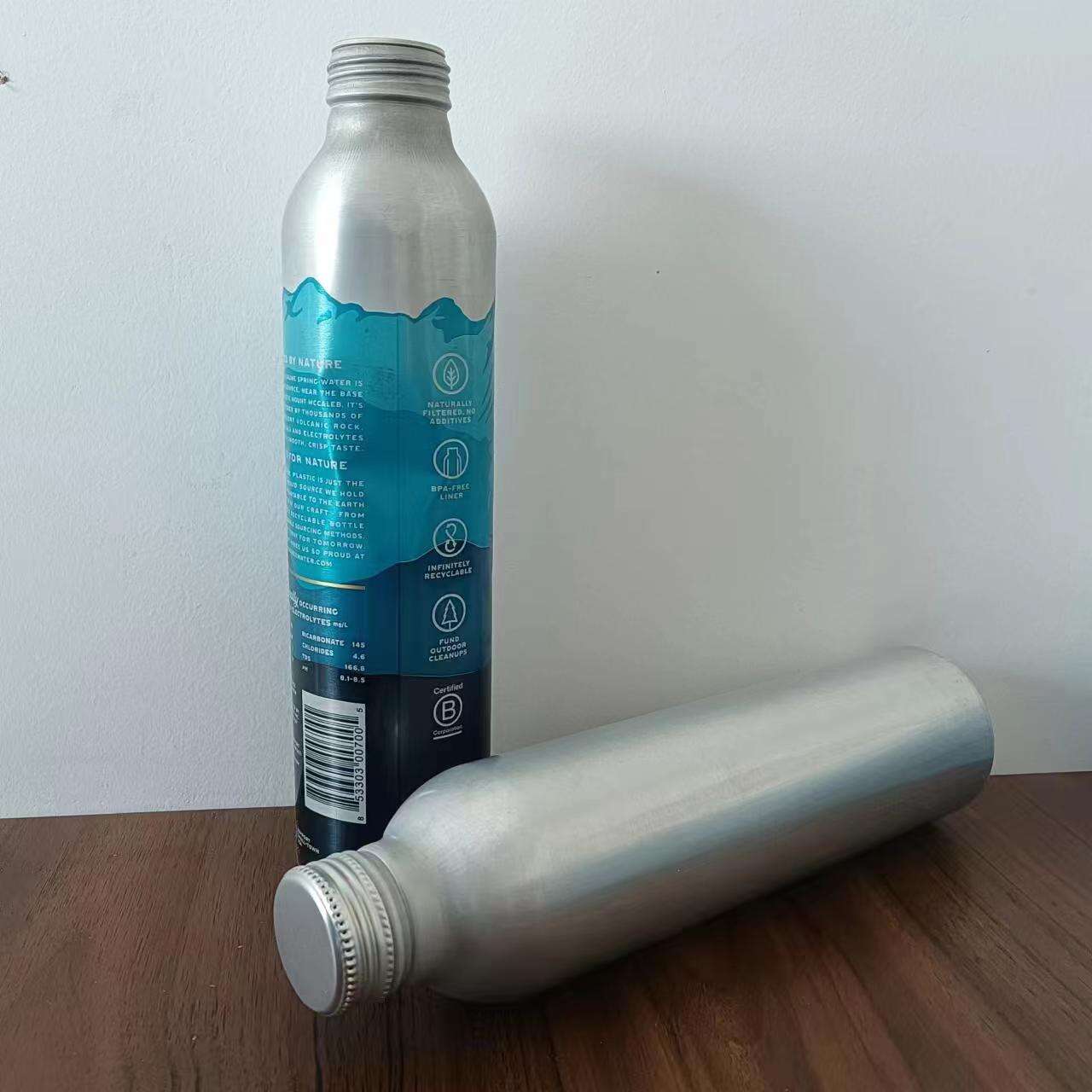
Modern manufacturing and packaging industries continue to evolve, with aluminum spray can technology leading the charge in delivering superior performance across diverse applications. These innovative containers have revolutionized how businesses approach product packaging, storage, and delivery systems in 2025. From cosmetic formulations to industrial coatings, the aluminum spray can offers unmatched durability, precision, and environmental benefits that make it the preferred choice for forward-thinking companies.
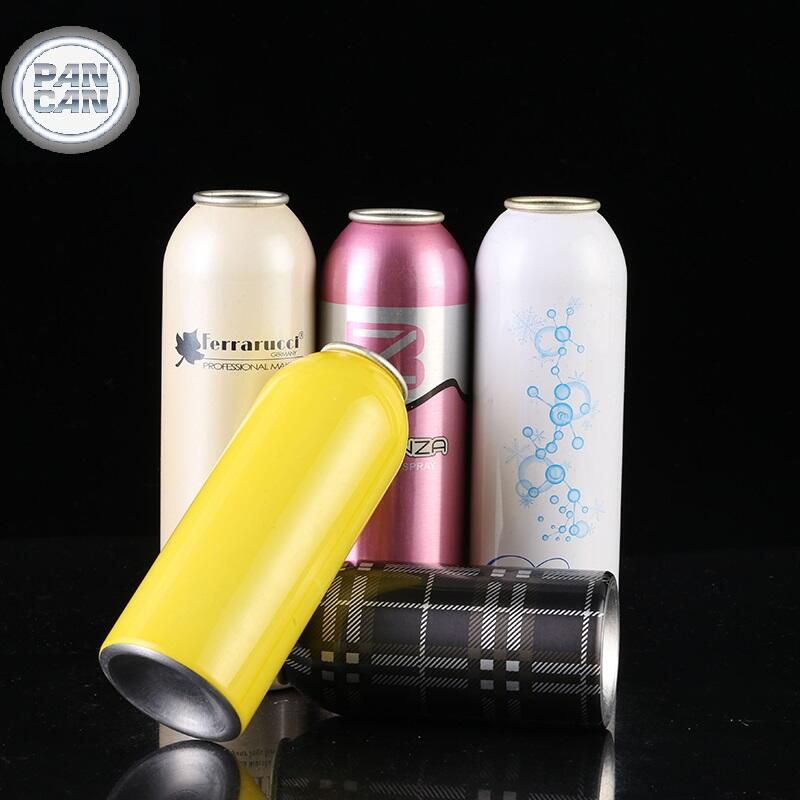
The growing demand for sustainable packaging solutions has positioned aluminum containers at the forefront of industry innovation. Unlike traditional packaging materials, aluminum offers exceptional recyclability while maintaining structural integrity under various environmental conditions. This combination of performance and sustainability makes aluminum spray cans an essential component for businesses seeking to meet both operational requirements and environmental responsibility standards.
Advanced Material Properties of Aluminum Spray Containers
Corrosion Resistance and Chemical Compatibility
Aluminum spray containers excel in environments where chemical compatibility is paramount. The natural oxide layer that forms on aluminum surfaces provides exceptional protection against corrosion, ensuring product integrity throughout extended storage periods. This protective barrier prevents contamination and maintains the purity of contents, whether dealing with cosmetic formulations, pharmaceutical compounds, or industrial chemicals.
The chemical inertness of aluminum makes these containers ideal for sensitive applications where product stability is critical. Unlike steel or plastic alternatives, aluminum does not react with most substances, preventing unwanted chemical interactions that could compromise product quality or safety. This property is particularly valuable in the cosmetics industry, where ingredient purity directly impacts consumer safety and product efficacy.
Structural Integrity and Pressure Management
The engineering excellence of aluminum spray containers lies in their ability to withstand significant internal pressure while maintaining dimensional stability. Advanced manufacturing techniques create seamless walls that distribute stress evenly, preventing weak points that could lead to failure under pressure. This structural reliability ensures consistent performance across temperature variations and handling conditions commonly encountered in commercial applications.
Pressure retention capabilities of aluminum containers surpass those of many alternative materials, making them ideal for aerosol applications requiring consistent dispensing pressure over extended periods. The material's strength-to-weight ratio allows for thinner walls without compromising safety, resulting in more efficient material usage and reduced shipping costs for manufacturers.
Manufacturing Excellence and Quality Control
Precision Engineering in Production
Modern aluminum spray can manufacturing employs sophisticated production techniques that ensure dimensional accuracy and consistent quality across large production runs. Computer-controlled forming processes create containers with precise specifications, minimizing variation and ensuring compatibility with automated filling and sealing equipment. This precision translates to improved efficiency in downstream operations and reduced waste during the packaging process.
Quality control systems integrated throughout the manufacturing process monitor critical parameters such as wall thickness, internal dimensions, and surface finish. These comprehensive testing protocols ensure that each aluminum spray can meets stringent industry standards for safety, performance, and reliability. Advanced inspection technologies detect even minor variations that could impact product performance or consumer safety.
Surface Treatment and Coating Technologies
The versatility of aluminum allows for various surface treatments and coatings that enhance both functional and aesthetic properties. Specialized coating systems provide additional protection against specific chemicals or environmental conditions, extending the performance envelope of standard aluminum containers. These treatments can be tailored to specific applications, ensuring optimal compatibility with intended contents.
Decorative finishing options for aluminum spray containers include high-quality printing, embossing, and specialized coatings that enhance brand presentation while maintaining functional performance. The smooth surface of aluminum provides an excellent substrate for graphics and branding elements, allowing manufacturers to create distinctive packaging that stands out in competitive markets.
Environmental Impact and Sustainability Benefits
Recyclability and Circular Economy Integration
The environmental advantages of aluminum spray can technology extend far beyond initial manufacturing considerations. Aluminum's infinite recyclability without property degradation makes these containers a cornerstone of circular economy initiatives. Unlike plastic containers that lose quality through recycling cycles, aluminum maintains its properties indefinitely, reducing the need for virgin material extraction and processing.
The energy savings associated with aluminum recycling are substantial, requiring only five percent of the energy needed to produce new aluminum from raw materials. This energy efficiency translates to significant carbon footprint reductions for companies implementing aluminum packaging solutions as part of their sustainability strategies.
Carbon Footprint Optimization
Life cycle assessments of aluminum spray containers demonstrate favorable environmental profiles when considering the complete product lifecycle. The durability and protection offered by aluminum packaging often extends product shelf life, reducing waste and improving overall resource efficiency. This protective capability is particularly valuable for products sensitive to light, oxygen, or moisture degradation.
Transportation efficiency benefits from the lightweight nature of aluminum containers contribute to reduced fuel consumption and emissions during distribution. The strength-to-weight ratio of aluminum allows for thinner walls and lighter containers without sacrificing protection, resulting in lower transportation costs and environmental impact per unit delivered.
Application-Specific Advantages
Cosmetic and Personal Care Applications
The cosmetic industry has embraced aluminum spray containers for their ability to preserve product integrity while providing precise dispensing control. The non-reactive nature of aluminum ensures that sensitive formulations maintain their intended properties throughout the product lifecycle. This compatibility is essential for products containing active ingredients that could interact with container materials.
Consumer preference for premium packaging experiences has driven demand for aluminum containers in the luxury cosmetics segment. The sophisticated appearance and tactile quality of aluminum packaging convey quality and exclusivity, supporting premium pricing strategies while delivering functional benefits that justify the investment.
Industrial and Commercial Uses
Industrial applications benefit from the robustness and chemical resistance of aluminum spray containers, particularly in environments where traditional packaging materials might fail. The ability to withstand temperature extremes and chemical exposure makes aluminum containers suitable for harsh industrial environments while maintaining safety and performance standards.
Precision dispensing capabilities of aluminum spray containers support applications requiring accurate material application, from specialized coatings to maintenance compounds. The consistent pressure delivery and controlled spray patterns achievable with aluminum containers improve application efficiency and reduce waste in industrial processes.
Cost-Effectiveness and Economic Benefits
Total Cost of Ownership Analysis
While initial costs of aluminum spray containers may exceed those of alternative materials, comprehensive cost analysis reveals significant long-term economic advantages. The durability and protective properties of aluminum containers reduce product loss due to contamination or degradation, improving overall profitability for manufacturers and distributors.
Operational efficiencies gained through the use of aluminum containers include reduced handling damage, improved storage stability, and enhanced shelf life extension. These factors contribute to lower total cost of ownership when considering the complete supply chain from manufacturing through consumer use.
Market Positioning and Brand Value
The premium positioning associated with aluminum packaging supports enhanced brand value and consumer perception of quality. Market research consistently demonstrates consumer willingness to pay premium prices for products packaged in aluminum containers, particularly in segments where sustainability and quality are key purchasing factors.
Brand differentiation opportunities provided by aluminum packaging include unique finishing options, embossing capabilities, and superior graphics quality that help products stand out in competitive retail environments. These branding advantages can translate to increased market share and improved profit margins for companies leveraging aluminum packaging solutions.
FAQ
What makes aluminum spray cans superior to plastic alternatives for cosmetic applications
Aluminum spray cans offer superior barrier properties that protect cosmetic formulations from light, oxygen, and moisture degradation. The chemical inertness of aluminum prevents interactions with sensitive ingredients, maintaining product stability and efficacy. Additionally, aluminum containers provide better pressure retention for consistent aerosol performance and offer premium aesthetics that enhance brand positioning in competitive markets.
How do aluminum spray containers contribute to environmental sustainability goals
Aluminum spray containers support sustainability through infinite recyclability without quality degradation, requiring only 5% of the energy needed for virgin aluminum production when recycled. Their durability reduces product waste by extending shelf life, while lightweight construction minimizes transportation emissions. The circular economy benefits of aluminum packaging align with corporate environmental responsibility initiatives and consumer sustainability preferences.
What quality control measures ensure aluminum spray can reliability and safety
Comprehensive quality control systems monitor critical parameters including wall thickness uniformity, dimensional accuracy, and surface finish quality throughout manufacturing. Advanced inspection technologies detect variations that could impact performance or safety, while pressure testing validates structural integrity under operating conditions. Certification processes ensure compliance with industry standards for aerosol packaging safety and performance requirements.
Which industries benefit most from aluminum spray can technology in 2025
The cosmetics and personal care industry leads adoption due to aluminum's compatibility with sensitive formulations and premium brand positioning. Industrial applications benefit from chemical resistance and durability in harsh environments, while pharmaceutical companies value the protective properties for sensitive compounds. Automotive and maintenance sectors utilize aluminum containers for precision application of specialized coatings and lubricants requiring consistent dispensing performance.
Table of Contents
- Advanced Material Properties of Aluminum Spray Containers
- Manufacturing Excellence and Quality Control
- Environmental Impact and Sustainability Benefits
- Application-Specific Advantages
- Cost-Effectiveness and Economic Benefits
-
FAQ
- What makes aluminum spray cans superior to plastic alternatives for cosmetic applications
- How do aluminum spray containers contribute to environmental sustainability goals
- What quality control measures ensure aluminum spray can reliability and safety
- Which industries benefit most from aluminum spray can technology in 2025

