
 EN
EN


Selecting the appropriate aluminum spray can size is a critical decision that impacts product performance, cost efficiency, and consumer satisfaction across numerous industries. Whether you're manufacturing cosmetics, automotive products, household cleaners, or industrial solutions, the container size directly influences application effectiveness, storage requirements, and market positioning. Understanding the key factors that determine optimal aluminum spray can sizing ensures your product meets both functional requirements and market expectations while maintaining competitive advantages in today's demanding marketplace.
Understanding Aluminum Spray Can Capacity Standards
Standard Volume Classifications
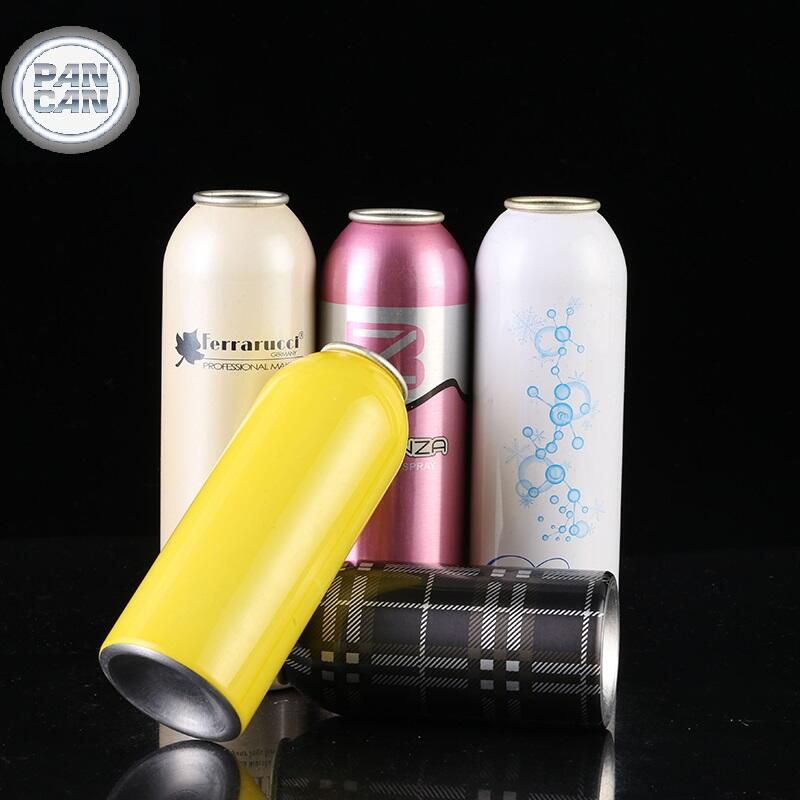
The aluminum spray can industry operates on established volume standards that range from compact 50ml units to large 750ml containers. These standardized sizes ensure compatibility with filling equipment, regulatory compliance, and consumer familiarity. Small aluminum spray can options typically include 50ml, 75ml, and 100ml capacities, perfect for travel-sized cosmetics, sample products, or precision applications requiring minimal product quantities. Medium-sized containers encompass 150ml, 200ml, and 250ml volumes, serving as the most versatile options for general-purpose applications.
Large aluminum spray can formats include 300ml, 400ml, 500ml, and 750ml capacities, designed for heavy-duty applications, bulk dispensing, or products requiring extended usage periods. Each size category serves specific market segments and application requirements, with manufacturing costs, transportation efficiency, and shelf space considerations varying significantly across the range. Understanding these standard classifications helps manufacturers select appropriate sizes that align with industry norms while meeting specific product requirements.
Regulatory Compliance Considerations
Different regions maintain specific regulations governing aluminum spray can sizes, particularly for products containing pressurized contents or hazardous materials. European Union regulations stipulate maximum pressure ratings and volume restrictions for certain product categories, while North American standards focus on safety testing requirements and labeling compliance. These regulatory frameworks directly influence size selection, as non-compliant containers may face market restrictions or require costly modifications to meet approval standards.
International shipping regulations also impact aluminum spray can size selection, with certain volumes classified as dangerous goods requiring special handling and documentation. Manufacturers must consider these compliance requirements early in the design process to avoid costly redesigns or market access limitations. Working with experienced suppliers who understand regional regulatory differences ensures your chosen aluminum spray can size meets all applicable standards while maintaining market accessibility.
Application-Specific Size Selection Criteria
Product Viscosity and Dispensing Requirements
Product viscosity significantly influences optimal aluminum spray can size selection, as thicker formulations require larger orifices and potentially different propellant ratios that affect container pressure dynamics. Thin liquids like perfumes or cleaning solutions work effectively in smaller containers, while thicker products such as automotive lubricants or hair styling products may require larger volumes to accommodate proper propellant mixing and consistent dispensing performance. The relationship between product viscosity and container size also affects spray pattern consistency and user experience quality.
Dispensing frequency and duration requirements further influence size selection, with products intended for single-use applications favoring smaller aluminum spray can options, while maintenance or professional-grade products benefit from larger capacities. Consider the typical usage pattern for your target market, including whether consumers prefer convenience-sized containers for portability or value-oriented larger sizes for extended use. This analysis helps determine the optimal balance between container size and user convenience.
Target Market and Consumer Behavior
Consumer purchasing behavior varies significantly across different aluminum spray can sizes, with smaller containers often commanding higher per-unit pricing while larger sizes provide better value propositions. Impulse purchase decisions typically favor smaller, more affordable options, while planned purchases often lean toward larger sizes that offer better long-term value. Understanding your target demographic's shopping habits, storage limitations, and usage patterns helps identify the most commercially viable size options.
Market positioning strategy also influences size selection, with premium products often utilizing smaller, more elegant aluminum spray can formats to emphasize exclusivity and quality, while mass-market products leverage larger sizes to demonstrate value. Professional markets typically prefer larger containers that reduce replacement frequency and provide better operational efficiency, while consumer markets often favor smaller sizes that fit bathroom cabinets or travel bags comfortably.
Cost Optimization and Manufacturing Efficiency
Production Volume Economics
Manufacturing costs per unit decrease significantly as aluminum spray can production volumes increase, making size selection a critical factor in achieving optimal cost structures. Larger containers generally offer better material utilization efficiency and reduced per-unit manufacturing costs, while smaller sizes may require higher precision tooling and more complex handling systems. The relationship between container size and production efficiency varies based on filling line capabilities, quality control requirements, and packaging automation systems.
Inventory management costs also correlate with aluminum spray can size selection, as smaller containers require more storage space per unit volume of product, while larger containers may tie up more capital in slower-moving inventory. Calculating the total cost of ownership, including manufacturing, storage, transportation, and handling costs, provides a comprehensive view of how size selection impacts overall profitability. This analysis should include projected sales volumes and inventory turnover rates to optimize the size-to-cost relationship.
Supply Chain and Distribution Considerations
Transportation efficiency varies dramatically across different aluminum spray can sizes, with shipping costs per unit of product generally decreasing as container size increases up to optimal pallet utilization points. Smaller containers may allow for more efficient packaging configurations but require more handling labor, while larger containers may exceed optimal shipping dimensions or weight limits. Calculating transportation costs per unit volume helps identify size options that minimize logistics expenses while maintaining market competitiveness.
Retail distribution requirements also influence aluminum spray can size selection, as shelf space limitations, display preferences, and stocking logistics vary across different retail channels. Convenience stores typically prefer smaller sizes that turn over quickly and require minimal storage space, while warehouse clubs favor larger containers that provide better value for bulk purchasers. Understanding distribution channel preferences and limitations ensures your chosen size aligns with market access requirements.
Quality Control and Performance Factors
Pressure Stability and Shelf Life
Aluminum spray can size directly affects internal pressure dynamics and long-term stability, with smaller containers typically maintaining more consistent pressure throughout the product lifecycle due to lower headspace volumes and reduced temperature sensitivity. Larger containers may experience more significant pressure variations as product levels decrease, potentially affecting spray quality and user experience in later usage stages. Understanding these pressure dynamics helps select sizes that maintain consistent performance throughout the intended product lifecycle.
Shelf life considerations also vary with aluminum spray can size, as larger containers may face increased contamination risks during extended usage periods, while smaller containers typically ensure fresher product throughout consumption. Chemical compatibility between the product formulation and aluminum spray can materials may also change based on contact time and surface area ratios, making size selection an important factor in maintaining product stability and safety over time.
User Experience and Ergonomics
Ergonomic considerations play a crucial role in aluminum spray can size selection, as container dimensions affect grip comfort, control precision, and user fatigue during extended use. Smaller containers typically offer better control and precision but may require more frequent replacement, while larger containers provide extended usage but may become unwieldy for detailed applications. The target user demographic's physical capabilities and usage context should inform size selection to optimize user experience and product effectiveness.
Spray pattern consistency and coverage efficiency also correlate with aluminum spray can size, as different volumes may require adjusted valve systems and propellant formulations to maintain optimal performance. Testing various size options with target user groups provides valuable feedback on preferred dimensions and identifies potential usability issues before market launch. This user-centered approach ensures the selected aluminum spray can size enhances rather than compromises the overall product experience.
Market Positioning and Competitive Analysis
Competitive Landscape Assessment
Analyzing competitor aluminum spray can sizes within your product category reveals market preferences, pricing strategies, and potential differentiation opportunities. Successful products often establish size standards that consumers expect, making deviation from these norms risky without clear value propositions. However, identifying underserved size segments may present opportunities for market differentiation and competitive advantage through unique positioning strategies.
Price point analysis across different aluminum spray can sizes helps identify optimal positioning strategies and margin opportunities. Some markets may be oversaturated with certain sizes while lacking options in others, creating opportunities for strategic positioning. Understanding the relationship between size, price, and perceived value in your specific market segment guides selection decisions that align with competitive realities while maximizing profitability potential.
Brand Strategy Integration
Brand positioning strategy significantly influences optimal aluminum spray can size selection, with luxury brands often favoring smaller, premium containers that emphasize quality over quantity, while value brands typically prefer larger sizes that demonstrate cost effectiveness. The chosen size should reinforce your brand message and target market positioning while meeting functional requirements and cost objectives. This alignment ensures consistency between product presentation and brand promise.
Package design integration also affects size selection, as different aluminum spray can dimensions provide varying opportunities for label placement, graphics presentation, and shelf appeal. Smaller containers may limit design space but offer premium positioning opportunities, while larger containers provide more canvas for marketing messages and product information. Balancing functional requirements with marketing objectives ensures your size selection supports both operational efficiency and brand communication goals.
FAQ
What factors should I prioritize when choosing between small and large aluminum spray can sizes?
Priority factors include your target market's usage patterns, price sensitivity, and storage preferences, along with your production volume capabilities and cost structure requirements. Small aluminum spray can options work best for premium positioning, travel convenience, and trial-size marketing, while larger sizes suit value-conscious consumers and professional applications requiring extended use. Consider conducting market research to understand your specific customer preferences and willingness to pay for different size options.
How does aluminum spray can size affect product shelf life and quality?
Smaller containers generally maintain better product freshness and pressure consistency throughout use due to reduced headspace and shorter consumption periods. Larger aluminum spray can formats may experience pressure variations and potential quality degradation during extended usage periods, particularly for products sensitive to air exposure or temperature fluctuations. The optimal size balances product stability requirements with user convenience and cost considerations specific to your formulation and target market.
What are the cost implications of different aluminum spray can sizes?
Manufacturing costs per unit typically decrease with larger sizes due to better material efficiency and reduced handling requirements, while smaller containers often command higher per-unit margins but require more precise manufacturing processes. Transportation and storage costs vary significantly, with larger aluminum spray can options offering better shipping efficiency but potentially requiring more warehouse space. Calculate total cost of ownership including manufacturing, logistics, and inventory carrying costs to identify the most economically viable size for your specific situation.
How do I ensure my chosen aluminum spray can size complies with industry regulations?
Research applicable regulations in your target markets, including pressure vessel standards, hazardous material classifications, and transportation restrictions that may limit certain sizes. Work with experienced suppliers who understand regional compliance requirements and can provide documentation supporting regulatory approval. Consider engaging regulatory consultants for complex products or international markets to ensure your aluminum spray can size selection meets all applicable standards and avoids costly compliance issues during market launch.
Table of Contents
- Understanding Aluminum Spray Can Capacity Standards
- Application-Specific Size Selection Criteria
- Cost Optimization and Manufacturing Efficiency
- Quality Control and Performance Factors
- Market Positioning and Competitive Analysis
-
FAQ
- What factors should I prioritize when choosing between small and large aluminum spray can sizes?
- How does aluminum spray can size affect product shelf life and quality?
- What are the cost implications of different aluminum spray can sizes?
- How do I ensure my chosen aluminum spray can size complies with industry regulations?

