
 EN
EN


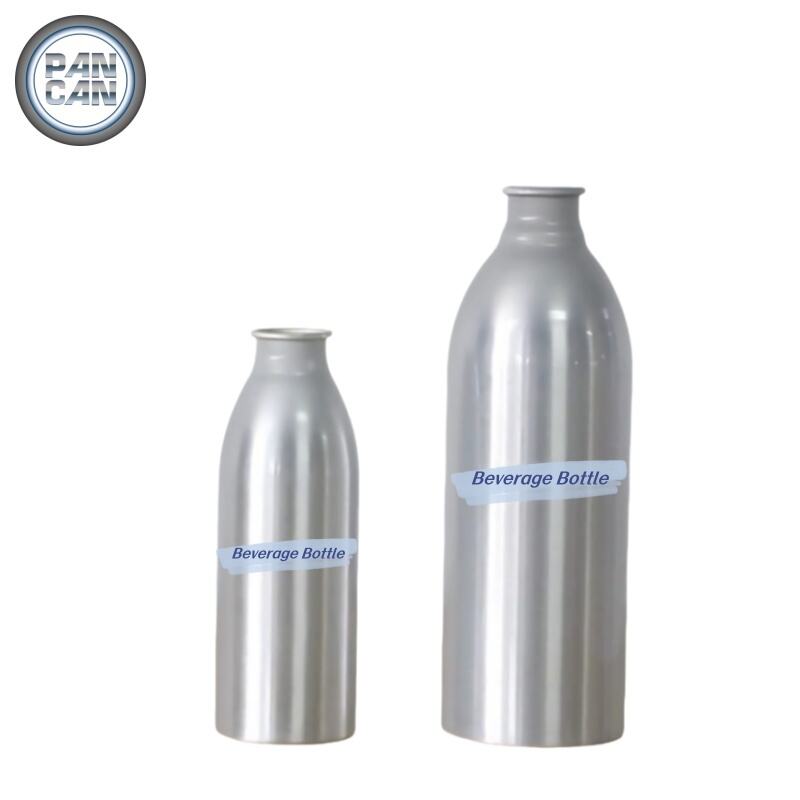
Selecting the right aerosol can manufacturer for your business represents one of the most critical decisions in your packaging supply chain strategy. The partnership you establish will directly impact product quality, production timelines, cost efficiency, and ultimately your brand's market position. Whether you're launching a new aerosol product line or seeking to optimize an existing manufacturing relationship, understanding the key factors that define an effective aerosol can manufacturer partnership is essential for long-term success.
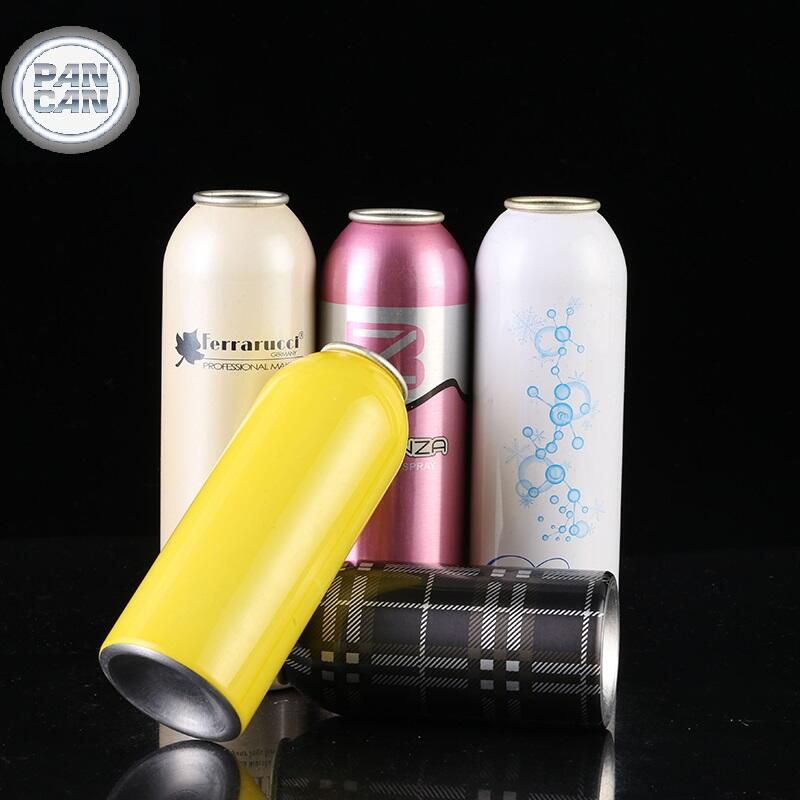
The complexity of modern aerosol can manufacturing requires expertise across multiple disciplines, from metallurgy and chemical compatibility to regulatory compliance and automated production systems. A strategic manufacturing partnership extends far beyond simple procurement, encompassing collaborative product development, quality assurance protocols, supply chain resilience, and scalability planning. This comprehensive approach to manufacturer selection ensures your aerosol products meet market demands while maintaining consistent quality standards throughout the production lifecycle.
Understanding Manufacturing Capabilities and Specializations
Production Technology and Equipment Standards
The technological sophistication of your chosen aerosol can manufacturer directly influences product quality, production efficiency, and manufacturing consistency. Modern aerosol can production requires specialized deep-drawing equipment, precision welding systems, and advanced quality control instrumentation. Manufacturers utilizing state-of-the-art forming presses can achieve tighter dimensional tolerances and superior surface finishes, which translate into better performance characteristics for your aerosol products. When evaluating potential manufacturing partners, examine their investment in current technology and their commitment to equipment modernization programs.
Advanced manufacturing facilities typically feature automated handling systems, computer-controlled forming processes, and integrated quality monitoring throughout the production line. These technological capabilities enable consistent wall thickness distribution, precise neck formation, and reliable seaming operations that are critical for aerosol can integrity. The level of automation also affects production scalability, allowing your aerosol can manufacturer to adjust volume efficiently while maintaining quality standards. Additionally, sophisticated manufacturers implement predictive maintenance programs and real-time process monitoring to minimize production disruptions and ensure delivery reliability.
Manufacturing flexibility represents another crucial technological consideration when selecting an aerosol can manufacturer. Facilities equipped with quick-changeover tooling systems can accommodate varying production runs more efficiently, reducing setup costs and enabling faster response to market demands. This flexibility becomes particularly valuable for businesses requiring multiple can sizes, specialized decorative finishes, or customized valve configurations across their product portfolios.
Material Expertise and Alloy Selection
The material science expertise of your aerosol can manufacturer significantly impacts product performance, cost optimization, and application suitability. Different aerosol applications require specific aluminum alloys with varying strength characteristics, corrosion resistance properties, and forming capabilities. An experienced manufacturer understands these material requirements and can recommend optimal alloy selections based on your product's chemical formulation, pressure requirements, and intended shelf life. This expertise prevents costly material incompatibility issues and ensures long-term product stability.
Professional aerosol can manufacturers maintain comprehensive material traceability systems that track alloy composition, heat treatment processes, and quality test results throughout the production cycle. This documentation capability proves essential for regulatory compliance, quality investigations, and continuous improvement initiatives. Manufacturers with strong metallurgical backgrounds can also provide valuable input during product development phases, helping optimize can design for both performance and manufacturing efficiency.
Surface treatment capabilities represent another important aspect of material expertise. Different aerosol applications may require specific internal coatings, external primers, or specialized surface preparations to ensure product compatibility and aesthetic requirements. Your selected manufacturer should demonstrate proven experience with relevant surface treatment technologies and maintain quality control processes that verify coating integrity and adhesion characteristics.
Customization and Design Development Services
Leading aerosol can manufacturers offer comprehensive design development services that extend beyond standard product offerings. These capabilities include custom tooling development, prototype fabrication, and design optimization consulting that helps bring your aerosol product concepts to market efficiently. Manufacturers with strong engineering departments can provide finite element analysis, pressure testing validation, and compatibility assessments that reduce development risks and accelerate time-to-market schedules.
The customization capabilities of your manufacturing partner directly influence your ability to differentiate products in competitive markets. Advanced manufacturers can accommodate unique dimensional requirements, specialized neck configurations, and custom decorative treatments that support brand positioning strategies. This flexibility becomes particularly valuable for premium product lines or specialized industrial applications requiring non-standard specifications.
Design development services should also encompass sustainability considerations, helping optimize can design for material efficiency, recycling compatibility, and reduced environmental impact. Experienced manufacturers can recommend design modifications that maintain performance while reducing material consumption or improving end-of-life recyclability. This expertise supports corporate sustainability initiatives while potentially reducing material costs.
Quality Assurance and Regulatory Compliance Framework
Quality Management Systems and Certifications
Robust quality management systems form the foundation of reliable aerosol can manufacturing partnerships. Industry-leading manufacturers implement comprehensive quality frameworks that encompass supplier qualification, incoming material inspection, process control monitoring, and finished product validation. ISO 9001 certification represents a baseline requirement, but specialized aerosol applications may require additional certifications such as FDA approval for cosmetic applications or transportation safety certifications for hazardous materials compatibility.
The depth and sophistication of quality control procedures directly correlate with manufacturing consistency and product reliability. Professional aerosol can manufacturer facilities maintain statistical process control systems that monitor critical parameters throughout production, enabling immediate corrective action when variations are detected. These systems typically track wall thickness distribution, dimensional accuracy, pressure testing results, and surface quality metrics to ensure every product meets established specifications.
Quality documentation and traceability capabilities enable effective issue resolution and continuous improvement programs. Manufacturers should maintain comprehensive records linking specific production lots to material sources, processing parameters, and quality test results. This traceability proves invaluable for addressing customer concerns, conducting root cause analyses, and implementing corrective actions that prevent future quality issues.
Testing Protocols and Validation Procedures
Comprehensive testing protocols ensure aerosol can integrity and performance under various operating conditions. Professional manufacturers implement multi-stage testing procedures including pressure testing, leak detection, chemical compatibility assessment, and accelerated aging studies. These validation processes verify that manufactured cans meet specified performance requirements and maintain integrity throughout their intended service life.
Pressure testing represents a critical validation procedure for aerosol applications, requiring specialized equipment and standardized protocols. Manufacturers should demonstrate capability for both proof pressure testing and burst pressure validation, with documented procedures that comply with relevant industry standards. Additionally, leak detection systems must provide reliable identification of microscopic defects that could compromise product integrity over time.
Chemical compatibility testing becomes particularly important for aerosol applications involving aggressive formulations or extended shelf life requirements. Experienced manufacturers maintain compatibility databases and can conduct accelerated testing programs to validate can performance with specific chemical formulations. This testing capability reduces the risk of field failures and supports product development timelines.
Regulatory Compliance and Documentation Support
Navigating the complex regulatory landscape surrounding aerosol products requires manufacturer expertise in multiple compliance frameworks. Different market segments impose varying regulatory requirements, from DOT transportation regulations for pressurized containers to FDA food contact regulations for certain applications. Your selected aerosol can manufacturer should demonstrate current knowledge of relevant regulations and maintain documentation systems that support compliance verification.
International market expansion often requires compliance with additional regulatory frameworks, including European EN standards, Japanese industrial standards, or other regional requirements. Manufacturers with global experience can provide valuable guidance regarding regulatory differences and help ensure products meet requirements across multiple markets. This expertise proves particularly valuable for businesses planning international distribution or export strategies.
Documentation support capabilities should encompass material certifications, quality test reports, and compliance declarations required for regulatory submissions. Professional manufacturers maintain organized documentation systems that facilitate rapid response to regulatory inquiries and support new product registration processes. This administrative support reduces internal compliance workload and accelerates market entry timelines.
Supply Chain Reliability and Operational Excellence
Production Capacity and Scalability Planning
Understanding the production capacity and scalability capabilities of potential manufacturing partners is essential for aligning supply capabilities with business growth projections. Effective capacity planning requires evaluation of current utilization rates, expansion capabilities, and production flexibility across different product specifications. Manufacturers operating near maximum capacity may struggle to accommodate unexpected demand increases or seasonal fluctuations, potentially creating supply chain vulnerabilities.
Scalability planning extends beyond simple volume considerations to encompass capability expansion for new product variations, specialized finishing requirements, or enhanced quality specifications. Forward-thinking aerosol can manufacturers invest in modular production systems that enable efficient capacity expansion while maintaining operational efficiency. This planning approach ensures manufacturing capabilities can evolve alongside business requirements without necessitating complete facility transitions.
Production scheduling flexibility represents another critical operational consideration, particularly for businesses with seasonal demand patterns or project-based requirements. Manufacturers with sophisticated planning systems can accommodate varying delivery schedules while optimizing production efficiency through intelligent batching and scheduling algorithms. This flexibility reduces inventory carrying costs while ensuring product availability aligned with market demands.
Delivery Performance and Logistics Integration
Consistent delivery performance forms the backbone of effective supply chain operations, requiring manufacturers with proven track records of meeting scheduled commitments. Evaluation of delivery performance should encompass both schedule adherence and order accuracy metrics, as discrepancies in either area can disrupt downstream production operations. Leading manufacturers maintain comprehensive delivery tracking systems and proactive communication protocols that provide early warning of potential schedule disruptions.
Logistics integration capabilities enable streamlined material flow from manufacturing through final product assembly. Advanced manufacturers offer coordinated shipping services, consolidated deliveries, and inventory management support that reduce administrative complexity while optimizing transportation costs. These integrated services become particularly valuable for businesses operating multiple production facilities or requiring coordinated delivery schedules across different product lines.
Geographic proximity and transportation infrastructure considerations significantly impact delivery reliability and logistics costs. Manufacturers located near major transportation hubs typically offer more flexible shipping options and potentially lower transportation costs. However, proximity must be balanced against other capability factors, as distance can often be offset by superior operational performance and service quality.
Risk Management and Business Continuity
Comprehensive risk management strategies protect against supply chain disruptions that could impact business operations. Professional aerosol can manufacturers implement business continuity planning that addresses potential disruptions from equipment failures, material shortages, natural disasters, or other operational challenges. These contingency plans should include alternative production arrangements, emergency inventory protocols, and communication procedures that minimize customer impact during disruption events.
Financial stability represents a fundamental risk factor that requires careful evaluation during manufacturer selection. Manufacturers experiencing financial stress may compromise quality standards, defer equipment maintenance, or struggle to secure raw material supplies. Due diligence should encompass financial strength assessment, credit rating review, and evaluation of long-term viability factors that ensure partnership sustainability.
Supply chain diversification strategies help mitigate risks associated with single-source dependencies. While primary manufacturer relationships provide operational efficiency and cost optimization, maintaining qualified secondary suppliers enables rapid response to unexpected disruptions. Professional manufacturers often support these diversification strategies by providing transition assistance and technical documentation that facilitates alternative sourcing arrangements when necessary.
Cost Optimization and Value Engineering
Total Cost Analysis and Pricing Transparency
Effective cost optimization requires comprehensive analysis extending beyond unit pricing to encompass total acquisition costs including tooling, quality control, logistics, and administrative expenses. Professional aerosol can manufacturers provide transparent pricing structures that enable accurate total cost modeling and facilitate informed sourcing decisions. This transparency includes clear delineation of base pricing, volume discounts, surcharges for special requirements, and potential cost adjustment mechanisms.
Volume-based pricing strategies should align with realistic demand projections and business growth plans. Manufacturers offering aggressive volume discounts may require minimum commitment levels that exceed actual requirements, potentially increasing inventory carrying costs or creating supply chain inflexibility. Conversely, manufacturers with limited volume pricing incentives may become cost-prohibitive as business volumes expand, necessitating future sourcing transitions.
Long-term cost predictability enables accurate financial planning and pricing strategy development. Leading manufacturers provide cost stability through longer-term agreements, material cost adjustment mechanisms, or collaborative cost reduction programs that share efficiency improvements. These arrangements provide mutual benefits while ensuring sustainable business relationships that support long-term growth objectives.
Value Engineering and Design Optimization
Collaborative value engineering programs identify opportunities for cost reduction while maintaining or enhancing product performance characteristics. Experienced aerosol can manufacturers bring manufacturing expertise to design optimization discussions, recommending modifications that reduce material consumption, simplify manufacturing processes, or eliminate unnecessary features. These collaborative efforts often identify cost savings opportunities that individual design teams might overlook.
Material optimization represents a significant value engineering opportunity, particularly for high-volume applications. Manufacturers with strong metallurgical expertise can recommend alloy alternatives, thickness optimizations, or forming process modifications that reduce material costs while maintaining required performance characteristics. These optimizations require careful validation to ensure product integrity, but successful implementations can provide substantial cost advantages.
Manufacturing process improvements offer additional value engineering opportunities through cycle time reduction, yield improvement, or quality enhancement initiatives. Professional manufacturers continuously invest in process optimization programs that reduce manufacturing costs while improving product consistency. Sharing these efficiency improvements through collaborative pricing arrangements creates mutual value that strengthens long-term partnerships.
Investment Requirements and Tooling Considerations
Custom tooling requirements represent significant investment considerations that must be evaluated during manufacturer selection. Different manufacturers may have varying tooling requirements, ownership policies, and amortization strategies that impact total program costs. Clear understanding of tooling investment requirements, ownership arrangements, and modification capabilities prevents future disputes and ensures appropriate financial planning.
Tooling design and manufacturing capabilities influence both initial investment requirements and future modification possibilities. Manufacturers with in-house tooling capabilities often provide more responsive service and potentially lower costs for modifications or repairs. However, tooling quality and precision directly impact product consistency and manufacturing efficiency, making expertise evaluation more important than cost considerations alone.
Multi-product tooling strategies can optimize investment efficiency for businesses requiring multiple can sizes or configurations. Advanced manufacturers can design modular tooling systems that accommodate product variations while minimizing individual investment requirements. These systems provide flexibility for product line expansion while reducing the financial barriers associated with new product development.
Partnership Development and Long-term Collaboration
Communication Protocols and Account Management
Effective communication frameworks ensure smooth collaboration and rapid issue resolution throughout the manufacturing relationship. Professional aerosol can manufacturers assign dedicated account management resources that understand your business requirements and maintain consistent communication channels. These relationships facilitate proactive problem-solving, schedule coordination, and strategic planning discussions that optimize partnership effectiveness.
Regular review meetings provide structured opportunities for performance evaluation, continuous improvement planning, and relationship optimization. These sessions should encompass delivery performance analysis, quality trend review, cost optimization discussions, and strategic planning for future requirements. Manufacturers committed to long-term partnerships invest time and resources in these collaborative planning activities.
Technology integration capabilities enhance communication efficiency through automated reporting systems, real-time production visibility, and electronic data interchange protocols. Advanced manufacturers provide customer portal access for order tracking, quality documentation, and performance reporting that reduces administrative overhead while improving information accuracy and timeliness.
Innovation Collaboration and Technology Development
Forward-thinking manufacturers invest in research and development programs that advance aerosol can technology and support customer innovation initiatives. These investments encompass new material development, manufacturing process improvements, and sustainability enhancements that provide competitive advantages for partner businesses. Collaboration with innovative manufacturers provides access to emerging technologies and market trends that support product differentiation strategies.
Joint development programs enable collaborative innovation that addresses specific market opportunities or technical challenges. Professional manufacturers often participate in customer product development projects, providing manufacturing expertise that influences design decisions and accelerates commercialization timelines. These collaborative relationships create shared intellectual property and strengthen long-term partnership bonds.
Technology roadmap alignment ensures manufacturing capabilities evolve alongside market requirements and business strategies. Leading manufacturers maintain strategic technology development plans that anticipate future market needs and invest in capability enhancements that support customer growth objectives. Understanding these development plans helps ensure long-term compatibility and partnership sustainability.
Performance Monitoring and Continuous Improvement
Comprehensive performance monitoring systems track key metrics across quality, delivery, cost, and service dimensions to ensure partnership objectives are achieved. Professional manufacturers maintain scorecards that provide objective performance assessment and identify improvement opportunities. These monitoring systems should encompass both operational metrics and strategic objectives to ensure complete partnership evaluation.
Continuous improvement programs systematically address performance gaps and optimize partnership effectiveness over time. Leading aerosol can manufacturers implement structured improvement methodologies that engage both organizations in identifying enhancement opportunities and implementing corrective actions. These programs create momentum for ongoing performance advancement and relationship strengthening.
Benchmark analysis provides context for performance evaluation and identifies best practice opportunities. Professional manufacturers often share industry performance data and participate in benchmarking studies that provide insights into competitive performance levels. This information supports informed decision-making regarding partnership optimization and capability development priorities.
FAQ
How do I evaluate the technical capabilities of a potential aerosol can manufacturer?
Evaluating technical capabilities requires examining production equipment sophistication, quality control systems, testing facilities, and engineering support resources. Request facility tours to observe manufacturing processes firsthand, review quality certifications and testing protocols, and discuss technical expertise through detailed capability presentations. Additionally, examine their material science knowledge, customization capabilities, and track record with similar applications to ensure they can meet your specific requirements.
What factors should I consider when comparing pricing from different aerosol can manufacturers?
Comprehensive pricing comparison should encompass total cost analysis including unit pricing, tooling investments, quality control expenses, logistics costs, and administrative overhead. Consider volume-based pricing structures, long-term cost stability, and value engineering opportunities that different manufacturers offer. Additionally, evaluate the relationship between pricing and quality levels, delivery performance, and service capabilities to ensure optimal value rather than simply lowest cost.
How important is geographic location when selecting an aerosol can manufacturer?
Geographic location impacts delivery times, transportation costs, communication convenience, and service responsiveness, but should be balanced against overall capability and performance factors. Proximity can provide advantages for frequent deliveries, emergency support, and collaborative development activities. However, manufacturers with superior capabilities, quality systems, and service levels may offset geographic disadvantages through excellent operational performance and comprehensive support services.
What should I expect regarding minimum order quantities and inventory management support?
Minimum order quantities vary significantly among aerosol can manufacturers based on their production systems, efficiency requirements, and business models. Professional manufacturers typically offer flexible ordering arrangements that balance production efficiency with customer inventory optimization. Discuss inventory management support services including demand forecasting assistance, safety stock recommendations, and coordinated delivery scheduling that can reduce working capital requirements while ensuring supply security.
Table of Contents
- Understanding Manufacturing Capabilities and Specializations
- Quality Assurance and Regulatory Compliance Framework
- Supply Chain Reliability and Operational Excellence
- Cost Optimization and Value Engineering
- Partnership Development and Long-term Collaboration
-
FAQ
- How do I evaluate the technical capabilities of a potential aerosol can manufacturer?
- What factors should I consider when comparing pricing from different aerosol can manufacturers?
- How important is geographic location when selecting an aerosol can manufacturer?
- What should I expect regarding minimum order quantities and inventory management support?

