
 EN
EN


Selecting the right aerosol can manufacturer is a critical decision that can significantly impact your product quality, production timelines, and overall business success. Whether you're launching a new cosmetic line, automotive product, or industrial spray, the manufacturer you choose will directly influence your brand reputation and customer satisfaction. The process requires careful evaluation of multiple factors beyond just pricing, as the wrong choice can lead to quality issues, delayed deliveries, and costly production setbacks.
Understanding how to evaluate potential manufacturing partners involves examining their production capabilities, quality systems, compliance standards, and long-term reliability. A thorough assessment process will help you identify an aerosol can manufacturer that aligns with your specific requirements and business objectives. This comprehensive guide outlines five essential factors that will enable you to make an informed decision and establish a successful manufacturing partnership.
Production Capacity and Technical Capabilities
Manufacturing Volume Assessment
When evaluating an aerosol can manufacturer, understanding their production capacity is fundamental to ensuring they can meet your current and future demands. A reliable manufacturer should provide clear information about their daily, monthly, and annual production capabilities across different can sizes and specifications. This transparency allows you to assess whether their capacity aligns with your projected volumes and growth plans.
Consider both minimum order quantities and maximum production limits when discussing capacity with potential manufacturers. Some aerosol can manufacturer facilities excel at high-volume standardized production, while others specialize in smaller batches with greater customization flexibility. Understanding these distinctions helps match your requirements with the most suitable manufacturing partner for optimal efficiency and cost-effectiveness.
Additionally, evaluate their ability to scale production during peak seasons or promotional periods. A manufacturer with flexible capacity management can accommodate seasonal fluctuations without compromising quality or delivery schedules, providing valuable business continuity for your operations.
Equipment and Technology Standards
The technological sophistication of manufacturing equipment directly impacts product quality, consistency, and production efficiency. Modern aerosol can manufacturer facilities should utilize advanced forming, welding, and coating technologies that ensure precise dimensional tolerances and superior surface finishes. Automated production lines with integrated quality monitoring systems demonstrate a commitment to maintaining consistent output standards.
Inquire about the age and maintenance status of critical equipment, as well-maintained machinery typically produces more reliable results with fewer quality variations. Advanced manufacturers often invest in predictive maintenance programs and regular equipment upgrades to minimize downtime and maintain optimal production performance.
Technology integration for process control and data collection indicates a manufacturer's commitment to continuous improvement and quality optimization. Modern systems enable real-time monitoring of production parameters, facilitating immediate adjustments when deviations occur and maintaining consistent product specifications throughout production runs.
Quality Control Systems and Certifications
Testing and Inspection Protocols
A comprehensive quality control system is essential for any reputable aerosol can manufacturer. Effective testing protocols should include incoming raw material inspection, in-process monitoring, and finished product verification to ensure consistent quality throughout the manufacturing process. Look for manufacturers that implement statistical process control methods and maintain detailed quality records for traceability purposes.
Critical testing areas include pressure resistance, leak detection, coating adhesion, and dimensional accuracy verification. The manufacturer should demonstrate their testing capabilities through laboratory facilities equipped with appropriate instrumentation for validating aerosol can performance characteristics according to industry standards and regulatory requirements.
Regular third-party audits and internal quality assessments indicate a manufacturer's commitment to maintaining high standards. Request documentation of their quality management system, including procedures for handling non-conforming products and implementing corrective actions when quality issues arise.
Industry Certifications and Compliance
Industry certifications provide valuable insight into an aerosol can manufacturer's commitment to quality and regulatory compliance. ISO 9001 certification demonstrates adherence to internationally recognized quality management standards, while industry-specific certifications may be required depending on your application requirements and target markets.
For manufacturers serving regulated industries such as cosmetics, pharmaceuticals, or food products, additional certifications and compliance documentation may be necessary. Verify that the manufacturer maintains current certifications and undergoes regular surveillance audits to ensure ongoing compliance with applicable standards.
Environmental and safety certifications also reflect a manufacturer's operational responsibility and risk management practices. These credentials can be particularly important when establishing long-term partnerships, as they indicate sustainable business practices and reduced liability exposure for your operations.
Supply Chain Reliability and Material Sourcing
Raw Material Quality and Sourcing
The quality of raw materials used by an aerosol can manufacturer directly affects the final product performance and consistency. Reliable manufacturers establish partnerships with reputable material suppliers and implement incoming inspection procedures to verify material specifications before production. Understanding their material sourcing strategy helps assess potential quality risks and supply chain vulnerabilities.
Aluminum quality is particularly critical for aerosol cans, as material properties affect formability, strength, and corrosion resistance. Manufacturers should provide documentation of their aluminum specifications and demonstrate consistent material quality through batch tracking and testing records. This transparency enables you to evaluate whether their material standards meet your product requirements.
Consider the geographic diversity of their supplier base, as multiple sourcing options can provide greater supply security during market disruptions or material shortages. Manufacturers with established relationships across different regions typically maintain better supply continuity and can offer more competitive pricing through strategic sourcing practices.
Inventory Management and Delivery Performance
Effective inventory management practices ensure that an aerosol can manufacturer can meet delivery commitments while minimizing storage costs and material waste. Manufacturers with sophisticated planning systems can better coordinate production schedules with your requirements, reducing lead times and improving overall supply chain efficiency.
Evaluate their track record for on-time delivery performance and their ability to communicate proactively about potential scheduling changes. Reliable manufacturers maintain visibility into their production pipeline and provide regular updates on order status, enabling better coordination with your downstream operations and customer commitments.
Consider their flexibility to accommodate rush orders or schedule changes when necessary. While consistent planning is important, business realities sometimes require adjustments, and a manufacturer's ability to respond to urgent requirements can be valuable for maintaining business continuity during unexpected situations.
Customization Capabilities and Design Support
Product Development and Engineering Services
An experienced aerosol can manufacturer should offer comprehensive design support and engineering services to help optimize your product specifications and manufacturing efficiency. This includes assistance with can sizing, valve compatibility, coating selection, and decoration options that align with your brand requirements and performance objectives.
Look for manufacturers with dedicated technical teams who can provide guidance on design for manufacturing principles, helping you avoid potential production issues while optimizing cost-effectiveness. Their expertise should extend to understanding how different design elements affect production processes and final product performance characteristics.
Prototype development capabilities enable you to validate design concepts before committing to full production tooling. Manufacturers with in-house prototyping facilities can accelerate your product development timeline and provide valuable feedback on design feasibility and optimization opportunities.
Decoration and Finishing Options
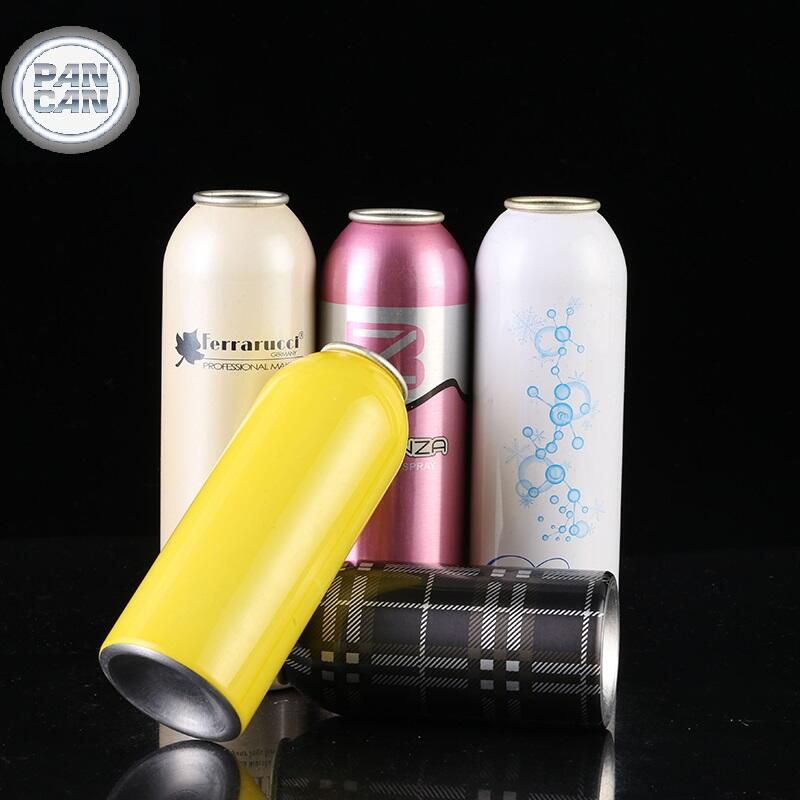
Brand differentiation often relies on distinctive packaging appearance, making decoration capabilities an important consideration when selecting an aerosol can manufacturer. Evaluate their range of printing, coating, and embossing options to ensure they can deliver the visual impact required for your products in competitive markets.
Advanced decoration technologies such as digital printing or specialty coatings may be necessary for premium product positioning or specific market requirements. Manufacturers with diverse finishing capabilities can support various brand strategies and adapt to changing market preferences without requiring additional supply chain partnerships.
Consider their ability to maintain color consistency and print quality across large production runs. Consistent appearance is critical for brand integrity, and manufacturers with robust color management systems and quality control procedures can deliver the reliability necessary for successful brand presentation.
Cost Structure and Commercial Terms
Pricing Transparency and Value Analysis
While cost is an important factor, evaluating an aerosol can manufacturer requires understanding the total value proposition rather than focusing solely on unit pricing. Transparent pricing structures that clearly outline material, processing, tooling, and additional service costs enable accurate cost comparison and budget planning for your operations.
Consider the relationship between pricing and quality levels, as extremely low prices may indicate compromised materials, processes, or service levels that could result in higher total costs through quality issues or supply disruptions. Balanced pricing that reflects appropriate value for quality and service typically indicates a more sustainable and reliable manufacturing partnership.
Evaluate pricing stability and the manufacturer's approach to managing material cost fluctuations. Manufacturers with established cost management practices and transparent adjustment mechanisms provide greater predictability for your financial planning and pricing strategies.
Payment Terms and Commercial Flexibility
Commercial terms and payment arrangements can significantly impact cash flow and working capital requirements for your business. Flexible payment terms demonstrate an aerosol can manufacturer's willingness to support your business growth and establish mutually beneficial partnerships rather than purely transactional relationships.
Consider their approach to tooling costs, setup fees, and minimum order quantities, as these factors affect your initial investment requirements and ongoing operational flexibility. Manufacturers who offer reasonable terms for these elements typically provide better support for business development and market testing opportunities.
Evaluate their willingness to provide performance guarantees, quality warranties, or service level agreements that demonstrate confidence in their capabilities and provide protection for your operations. Strong commercial terms often reflect a manufacturer's commitment to customer success and long-term partnership development.
FAQ
What minimum order quantities should I expect from aerosol can manufacturers?
Minimum order quantities typically range from 10,000 to 100,000 units depending on the manufacturer's scale, can specifications, and customization requirements. Larger manufacturers often have higher minimums but may offer better pricing for volume orders, while smaller manufacturers may accommodate lower quantities with greater flexibility. Discuss your volume requirements early to identify manufacturers whose minimum quantities align with your business needs and growth projections.
How long does tooling development typically take for custom aerosol cans?
Tooling development for custom aerosol cans typically requires 4-8 weeks depending on the complexity of the design and the manufacturer's workload. Standard modifications may require less time, while completely custom shapes or specialized features may extend the timeline. Factor tooling development time into your product launch schedule and discuss expedited options if faster turnaround is necessary for your market timing requirements.
What quality certifications are most important for aerosol can manufacturing?
ISO 9001 quality management certification is fundamental for aerosol can manufacturing, while industry-specific certifications depend on your application requirements. For cosmetic applications, cosmetic GMP compliance may be important, while food contact applications require appropriate food safety certifications. Additionally, environmental certifications like ISO 14001 demonstrate sustainable manufacturing practices that may be important for your brand positioning and corporate responsibility objectives.
How can I verify a manufacturer's production capacity claims?
Request facility tours, production records, and customer references to verify capacity claims from potential aerosol can manufacturers. Ask for documentation of their equipment capabilities, shift operations, and historical production volumes to validate their stated capacity. Customer references can provide valuable insights into their actual performance during high-demand periods and their ability to maintain quality while operating at capacity levels.

