
 EN
EN


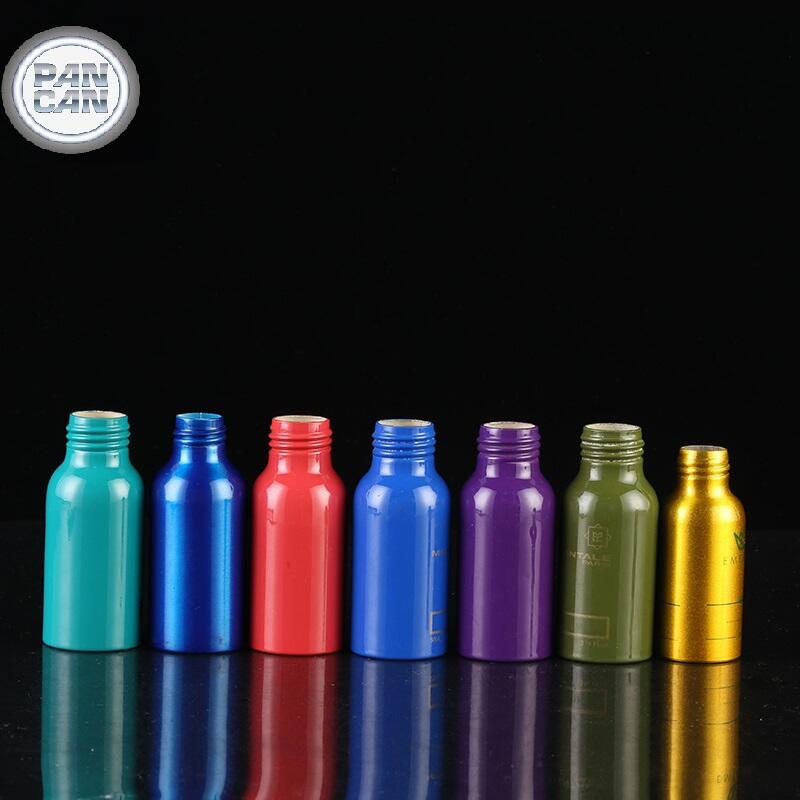
Food safety remains paramount in today's consumer-driven market, where every component of packaging must meet stringent regulatory standards. The food grade aerosol can represents a critical intersection of packaging technology and safety compliance, requiring specialized materials, manufacturing processes, and quality assurance protocols. Understanding the comprehensive safety framework behind these containers is essential for food manufacturers, packaging professionals, and quality assurance teams who must navigate complex regulatory landscapes while delivering products that meet consumer expectations.

The complexity of ensuring safety in food grade aerosol can design extends far beyond surface-level material selection. Modern food packaging demands comprehensive understanding of chemical interactions, barrier properties, pressure dynamics, and long-term stability under various storage conditions. This deep exploration reveals the multifaceted safety considerations that determine whether an aerosol container truly meets food grade standards and protects both product integrity and consumer health throughout the entire supply chain lifecycle.
Material Safety Foundation
Aluminum Composition Standards
The foundation of any food grade aerosol can begins with carefully selected aluminum alloys that meet specific purity requirements. Food-contact aluminum must contain minimal levels of heavy metals, with lead content typically restricted to less than 0.01% and other potentially harmful elements controlled within strict tolerance ranges. The manufacturing process involves precise alloy formulation to ensure consistent barrier properties while maintaining structural integrity under pressure variations. Quality control measures include spectroscopic analysis of raw materials and finished products to verify compliance with international food contact standards.
Surface treatment of aluminum components plays a crucial role in safety assurance, as untreated metal surfaces can potentially react with acidic food products or create corrosion pathways. Advanced polymer coatings and specialized lacquers create protective barriers that prevent direct food contact with aluminum while maintaining the container's pressure resistance capabilities. These protective systems undergo rigorous testing to ensure they remain stable across temperature ranges commonly encountered during storage, transportation, and consumer use.
Internal Coating Technology
The internal coating system of a food grade aerosol can represents one of the most critical safety elements, requiring specialized formulations that resist chemical migration while maintaining adhesion under pressure cycling. Modern coating technologies employ multiple layers, including primer systems that enhance adhesion to aluminum substrates and topcoat formulations specifically designed for food contact applications. These coatings must demonstrate zero migration of harmful compounds under accelerated testing conditions that simulate extended storage periods.
Testing protocols for internal coatings involve exposure to various food simulants representing different pH levels, fat content, and alcohol concentrations. The food grade aerosol can must maintain coating integrity when filled with products ranging from cooking oils to water-based sauces, each presenting unique chemical challenges. Advanced analytical techniques monitor potential coating degradation and verify that migration levels remain well below established safety thresholds throughout the product's intended shelf life.
Regulatory Compliance Framework
FDA Standards and Requirements
United States Food and Drug Administration regulations establish comprehensive requirements for food grade aerosol can construction, covering everything from material composition to manufacturing process validation. The Code of Federal Regulations Title 21 specifically addresses food contact substances, requiring extensive documentation of raw material safety data and manufacturing process controls. Compliance involves detailed record-keeping systems that track material sources, process parameters, and quality control testing results for every production batch.
FDA approval processes for new food grade aerosol can formulations require extensive toxicological data and migration testing using standardized food simulants. Manufacturers must demonstrate that their containers meet specific performance criteria under various conditions, including temperature extremes, extended storage periods, and mechanical stress scenarios. The regulatory framework also requires ongoing surveillance and periodic revalidation of approved formulations to ensure continued compliance as manufacturing processes evolve.
International Safety Standards
Global markets demand compliance with multiple international standards, each presenting unique requirements for food grade aerosol can safety verification. European Union regulations under EFSA guidance establish different testing protocols and acceptable migration limits compared to FDA standards, requiring manufacturers to navigate complex regulatory landscapes. The harmonization of international standards remains an ongoing challenge, with some regions implementing more stringent requirements for specific types of food contact materials.
ISO standards provide additional framework for quality management systems and testing methodologies, ensuring consistent approaches to safety validation across different manufacturing facilities. These standards address not only material safety but also manufacturing process controls, environmental considerations, and supply chain management practices. Compliance with international standards often requires multiple certification processes and ongoing audit programs to maintain market access across different regions.
Manufacturing Process Controls
Quality Assurance Protocols
Manufacturing of food grade aerosol can units requires sophisticated quality control systems that monitor critical parameters throughout the production process. Statistical process control methods track coating thickness, cure temperatures, pressure test results, and dimensional specifications to ensure consistent quality output. Advanced inspection technologies, including automated vision systems and leak detection equipment, identify potential defects before containers enter the supply chain.
Batch tracking systems maintain complete traceability from raw material receipt through final product shipment, enabling rapid response to quality issues or regulatory inquiries. Environmental controls in manufacturing facilities prevent contamination during production, with cleanroom protocols and personnel training programs ensuring consistent adherence to food safety principles. Regular calibration of measurement equipment and validation of testing procedures maintain the accuracy and reliability of quality control data.
Contamination Prevention Measures
Preventing contamination during food grade aerosol can manufacturing requires comprehensive facility design and operational protocols that address potential sources of contamination at every stage. Air filtration systems maintain cleanroom environments during critical coating and assembly operations, while material handling procedures prevent cross-contamination between different product lines. Personnel training programs emphasize contamination prevention techniques and establish clear protocols for handling quality deviations.
Cleaning and sanitization procedures for manufacturing equipment follow validated protocols that ensure complete removal of potential contaminants between production runs. Chemical cleaning agents used in these processes must themselves meet food contact safety standards and undergo complete removal verification before production resumption. Documentation systems track cleaning cycles, verification testing, and equipment status to maintain comprehensive contamination control records.
Testing and Validation Methods
Migration Testing Protocols
Migration testing represents the cornerstone of food grade aerosol can safety validation, employing sophisticated analytical methods to detect and quantify potential contaminant transfer from packaging materials to food products. Standard testing protocols utilize various food simulants that represent different product categories, including acidic solutions, fatty foods, alcoholic beverages, and aqueous products. Testing conditions simulate real-world storage scenarios with controlled temperature and time parameters that accelerate potential migration processes.
Advanced analytical instrumentation, including gas chromatography-mass spectrometry and liquid chromatography systems, provides detection capabilities at parts-per-billion levels for potential migrants. Testing laboratories must maintain accreditation standards and participate in proficiency testing programs to ensure result accuracy and reliability. The food grade aerosol can testing process includes both specific migration tests for known potential contaminants and overall migration tests that capture total material transfer under standardized conditions.
Pressure Performance Evaluation
Pressure testing protocols for food grade aerosol can safety evaluation encompass both structural integrity verification and long-term performance assessment under various operating conditions. Burst pressure testing establishes safety margins above normal operating pressures, while fatigue testing simulates repeated pressure cycling that may occur during shipping and handling. These tests must account for temperature effects on internal pressure and material properties throughout the expected service life.
Leak detection testing employs multiple methodologies, including helium leak detection and pressure decay analysis, to identify potential failure modes that could compromise food safety or product performance. Testing protocols also evaluate valve integrity and actuator performance under various temperature and pressure conditions. The comprehensive nature of pressure performance evaluation ensures that food grade aerosol can containers maintain their protective function throughout the intended shelf life under all anticipated use conditions.
Long-term Safety Considerations
Shelf Life Stability
Long-term stability assessment of food grade aerosol can systems requires extensive accelerated aging studies that predict performance over extended storage periods. These studies evaluate not only the container itself but also the interactions between packaging materials and food products under various environmental conditions. Temperature cycling tests simulate seasonal variations and shipping conditions, while humidity exposure tests evaluate moisture barrier performance and potential corrosion susceptibility.
Chemical stability monitoring tracks changes in coating integrity, material properties, and potential migration patterns over time. Regular sampling and analysis during extended storage studies provide data on degradation kinetics and help establish appropriate shelf life recommendations. The food grade aerosol can must maintain its safety performance throughout the entire product lifecycle, from manufacturing through consumer use and disposal.
Environmental Impact Assessment
Modern food grade aerosol can safety considerations extend beyond immediate food contact safety to include environmental impact and sustainable disposal practices. Life cycle assessment studies evaluate the environmental footprint of manufacturing processes, material sourcing, and end-of-life disposal options. Recyclability considerations influence material selection and coating formulations to ensure containers can be properly processed in existing recycling systems.
Propellant selection for food grade aerosol can applications must balance performance requirements with environmental considerations, favoring systems that minimize global warming potential while maintaining product functionality. Regulatory trends toward sustainability require manufacturers to consider environmental impact throughout the design process, influencing everything from material choices to manufacturing energy consumption and waste reduction strategies.
FAQ
What specific materials make an aerosol can food grade safe?
Food grade aerosol cans require specialized aluminum alloys with controlled heavy metal content, typically containing less than 0.01% lead and minimal levels of other potentially harmful elements. The internal surfaces are protected by multiple coating layers specifically formulated for food contact, including primer systems and topcoats that prevent chemical migration. These materials must pass extensive testing to demonstrate zero harmful substance migration under various food simulant conditions and temperature ranges.
How are food grade aerosol cans tested for safety compliance?
Safety testing involves comprehensive migration studies using standardized food simulants representing acidic, fatty, alcoholic, and aqueous food products. Advanced analytical methods detect potential contaminants at parts-per-billion levels, while pressure testing evaluates structural integrity and leak resistance. Testing protocols simulate extended storage periods through accelerated aging studies and evaluate performance across temperature ranges encountered during normal storage and use conditions.
What regulatory standards must food grade aerosol cans meet?
Food grade aerosol cans must comply with FDA regulations under Code of Federal Regulations Title 21 for food contact substances, requiring extensive documentation of materials and processes. International markets demand additional compliance with EU EFSA standards, ISO quality management requirements, and various regional food safety regulations. Each standard establishes specific testing protocols, acceptable migration limits, and manufacturing process validation requirements that must be maintained through ongoing audit and certification programs.
How long can food products safely remain in aerosol containers?
Shelf life for food products in aerosol containers depends on the specific food formulation, storage conditions, and container design parameters. Accelerated aging studies typically demonstrate stability for 24-36 months under normal storage conditions, though actual shelf life may vary based on product chemistry and environmental factors. Manufacturers establish expiration dates based on comprehensive testing that evaluates both food product stability and packaging material performance throughout the intended storage period.

