
 EN
EN


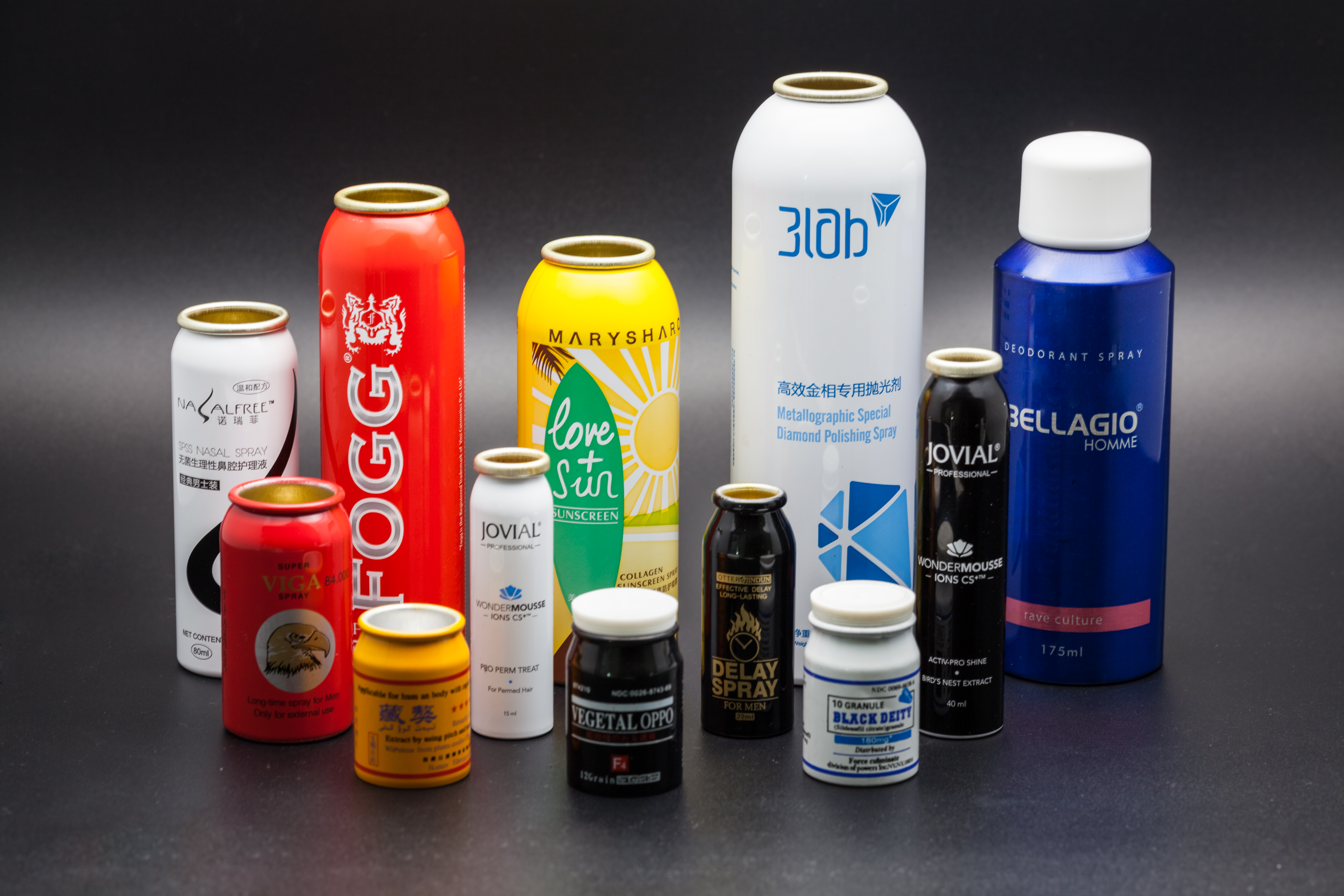
Innovation in food packaging is no longer limited to shelf life and transport safety. Producers now need formats that improve dosing precision, protect product quality after opening, and support cleaner production lines. In that shift, food grade aerosol cans have moved from niche packaging to a practical tool for processing plants, foodservice operations, and premium retail products. Their controlled spray function and sealed structure create new ways to deliver oils, coatings, flavors, and release agents with less waste and better consistency.

The most valuable discussion is not whether this format looks modern, but where it creates measurable operational value. Innovative applications of food grade aerosol cans are expanding because the format solves daily production and service problems in a scalable way. From high-volume kitchens to automated food manufacturing, food grade aerosol cans help teams improve application accuracy, hygiene control, and product differentiation. Understanding these applications gives decision makers a clearer path for packaging development, line optimization, and market positioning.
Operational Innovation Through Precision Dispensing
Controlled application in industrial processing lines
In many facilities, uneven dosing creates hidden cost through overuse of oil, coating ingredients, or release compounds. Food grade aerosol cans address this issue by allowing controlled spray patterns that reduce heavy manual pouring and inconsistent distribution. When operators apply thin and even layers, product surfaces are more uniform and downstream steps become more predictable. This is one of the most practical innovative applications of food grade aerosol cans in baked goods, protein processing, and prepared meal assembly.
The benefit extends beyond ingredient savings. Stable spray delivery helps maintain process repeatability across shifts, which supports quality assurance targets and reduces rework. For high-throughput lines, this consistency improves planning because consumption rates become easier to forecast. As plants pursue lean production goals, food grade aerosol cans provide a packaging format that aligns with process control rather than manual approximation.
Portion accuracy in foodservice and central kitchens
Central kitchens and quick-service operations face pressure to deliver the same output across multiple sites. Food grade aerosol cans enable teams to apply a similar amount of oil or flavoring each time, even with varying staff experience. This supports recipe integrity while reducing the risk of product variability during peak service periods. In settings where speed and consistency must coexist, food grade aerosol cans create a practical bridge between both needs.
Portion control also affects margin protection. Small reductions in excess application can accumulate into meaningful annual savings for high-volume menus. At the same time, precise spraying helps maintain visual and sensory standards, which protects customer perception. For operations leaders, innovative applications of food grade aerosol cans are often justified by this balance of cost discipline and output consistency.
Product Quality Protection and Shelf Stability Advantages
Barrier performance for oxidation-sensitive ingredients
Certain edible oils and infused liquids degrade quickly when repeatedly exposed to oxygen, light, and contaminants. Food grade aerosol cans provide a sealed environment that limits that exposure during routine use. This can help preserve flavor profile and functional quality over a longer usage window after opening. For premium oils and specialty formulations, food grade aerosol cans support a higher-value product promise without changing the core ingredient.
This protection is commercially important because quality loss can lead to returns, complaints, or brand distrust. A packaging format that helps maintain sensory stability can reduce these risks in retail and professional channels. Innovative applications of food grade aerosol cans therefore connect directly to product integrity and not only to dispensing convenience. In competitive categories, that distinction can influence repeat purchase behavior.
Hygiene control in repeated-use environments
Open containers in active kitchens are exposed to airborne particles, utensil contact, and handling variation. Food grade aerosol cans reduce these contamination pathways by minimizing direct contact between product and external surfaces. This makes them especially useful in environments with strict hygiene protocols and frequent shift changes. As food safety systems become more data driven, food grade aerosol cans fit well with preventive control thinking.
Hygiene-related innovation is often overlooked because it does not always appear in marketing language. Yet for procurement and QA teams, it can be a decisive factor in packaging selection. The ability of food grade aerosol cans to support cleaner usage patterns contributes to lower operational risk and stronger compliance confidence. This is why many innovative applications of food grade aerosol cans emerge first in environments where sanitation reliability is non-negotiable.
Application-Specific Innovation Across Food Categories
Advanced use in oils, emulsions, and flavor delivery
One of the strongest growth areas for food grade aerosol cans is controlled delivery of culinary oils and oil-based blends. Fine mist application allows even coating on pans, grills, trays, and food surfaces without pooling. Producers are also using food grade aerosol cans for flavored oils, finishing sprays, and texture-enhancing applications where light distribution matters. The format supports product experiences that are difficult to achieve with standard bottle dispensing.
For product developers, this opens room for differentiated concepts with practical user value. A formula can be designed not only for taste but for how it is applied during cooking or finishing. This aligns packaging and formulation into a single performance system. Businesses exploring this path often evaluate food grade aerosol cans early in development to match spray behavior with product function.
Release agents and surface-treatment innovation in baking
Industrial and artisanal baking operations require reliable pan release performance to protect yield and product appearance. Food grade aerosol cans are increasingly used for release agents because they provide thin, consistent surface coverage with less overapplication. This helps reduce residue buildup on equipment and supports cleaner transition between batches. In practical terms, food grade aerosol cans can improve uptime by reducing cleaning interruptions linked to uneven coating.
The same logic applies to specialty molds and intricate production tools where manual application is difficult to standardize. Controlled spraying allows operators to reach complex geometries with improved uniformity. As bakeries expand product variety, food grade aerosol cans make process flexibility easier to manage. These innovative applications of food grade aerosol cans show how packaging can influence throughput, maintenance, and visual quality at the same time.
Strategic Business Value for B2B Food Operations
Process standardization and workforce efficiency
Many B2B food businesses are balancing labor constraints with tighter quality expectations. Food grade aerosol cans support faster onboarding because spray application is easier to standardize than manual pouring methods. Clear usage protocols can be defined by time, distance, and coverage, helping teams execute repeatable actions. In multi-site operations, food grade aerosol cans simplify the transfer of best practices across facilities.
This standardization has strategic impact beyond day-to-day execution. It improves audit readiness, strengthens process documentation, and reduces dependence on individual technique. Managers can focus on performance improvement rather than constant corrective training. For organizations scaling production, innovative applications of food grade aerosol cans become part of a broader operational excellence framework.
Packaging-led differentiation in competitive channels
In mature food categories, differentiation often requires a better user experience rather than a dramatic formula change. Food grade aerosol cans can position a product as cleaner, more precise, and easier to use in both professional and home settings. That positioning can support premium perception when backed by real functional benefits. Food grade aerosol cans therefore act as both a process tool and a market-facing value driver.
For B2B suppliers, this creates opportunities to serve customers with application-focused solutions instead of commodity packaging. Discussions can shift from unit price to performance outcomes such as reduced waste, consistency gains, and handling quality. When commercial teams quantify these outcomes, adoption decisions become more data oriented. This is why innovative applications of food grade aerosol cans are increasingly tied to business model strategy, not only to packaging design trends.
FAQ
What makes food grade aerosol cans different from standard aerosol packaging?
Food grade aerosol cans are designed for direct or indirect contact with edible products under food safety requirements. Material selection, internal compatibility, and dispensing control are aligned with food-use conditions rather than general industrial use. In practice, food grade aerosol cans are chosen to support hygiene, dosing consistency, and product quality protection in food environments.
Are food grade aerosol cans suitable for both manufacturing and foodservice use?
Yes, food grade aerosol cans are used across both contexts because the same core benefits apply at different scales. Manufacturing teams value repeatable application on processing lines, while foodservice teams value speed and portion control during preparation. The format adapts well when operations require consistent results with minimal handling variability.
Can food grade aerosol cans help reduce ingredient waste?
They can reduce waste when spray behavior and usage protocols are matched to the application. Food grade aerosol cans allow thinner and more targeted coverage compared with uncontrolled pouring, which often leads to excess use. Over time, this can improve yield economics and support tighter consumption forecasting.
How should a company evaluate innovative applications of food grade aerosol cans?
Evaluation should focus on operational fit, quality impact, hygiene control, and commercial positioning. Teams usually test food grade aerosol cans in real workflows to measure dosing consistency, user handling, and product performance outcomes. A useful assessment compares current process pain points against the practical gains that food grade aerosol cans can deliver in daily production and service conditions.

