
 EN
EN


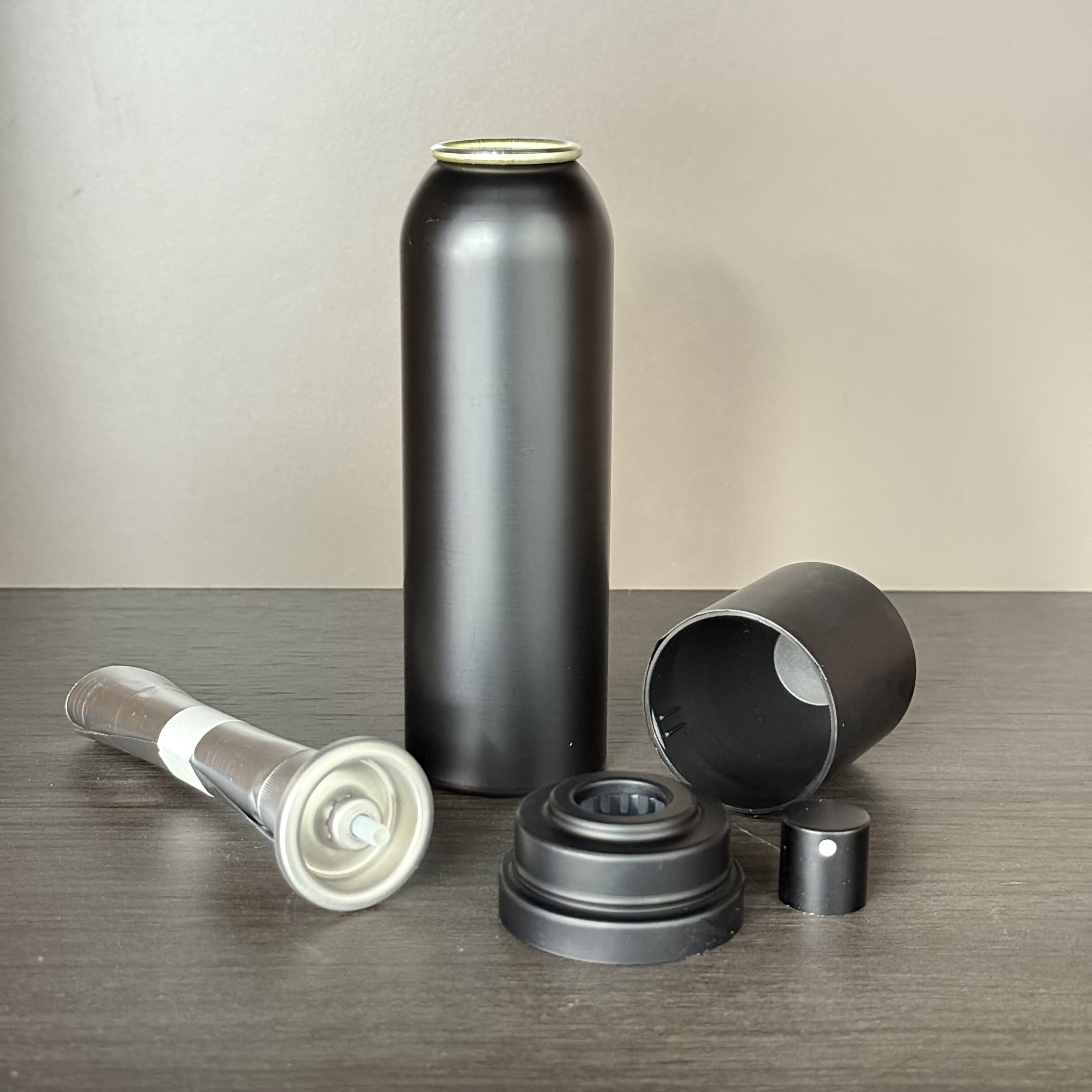
Choosing the right aluminum can supplier is a strategic decision that affects product quality, production stability, and long-term cost control. In industrial procurement, packaging is not only a container but also a performance component tied to filling speed, shelf life, transport durability, and brand consistency. A reliable aluminum can supplier helps reduce hidden risks such as inconsistent dimensions, delayed shipments, and compliance gaps that can interrupt operations. For companies in cosmetics, personal care, pharma-adjacent packaging, and technical aerosols, supplier selection should be handled as a structured evaluation process rather than a simple price comparison.
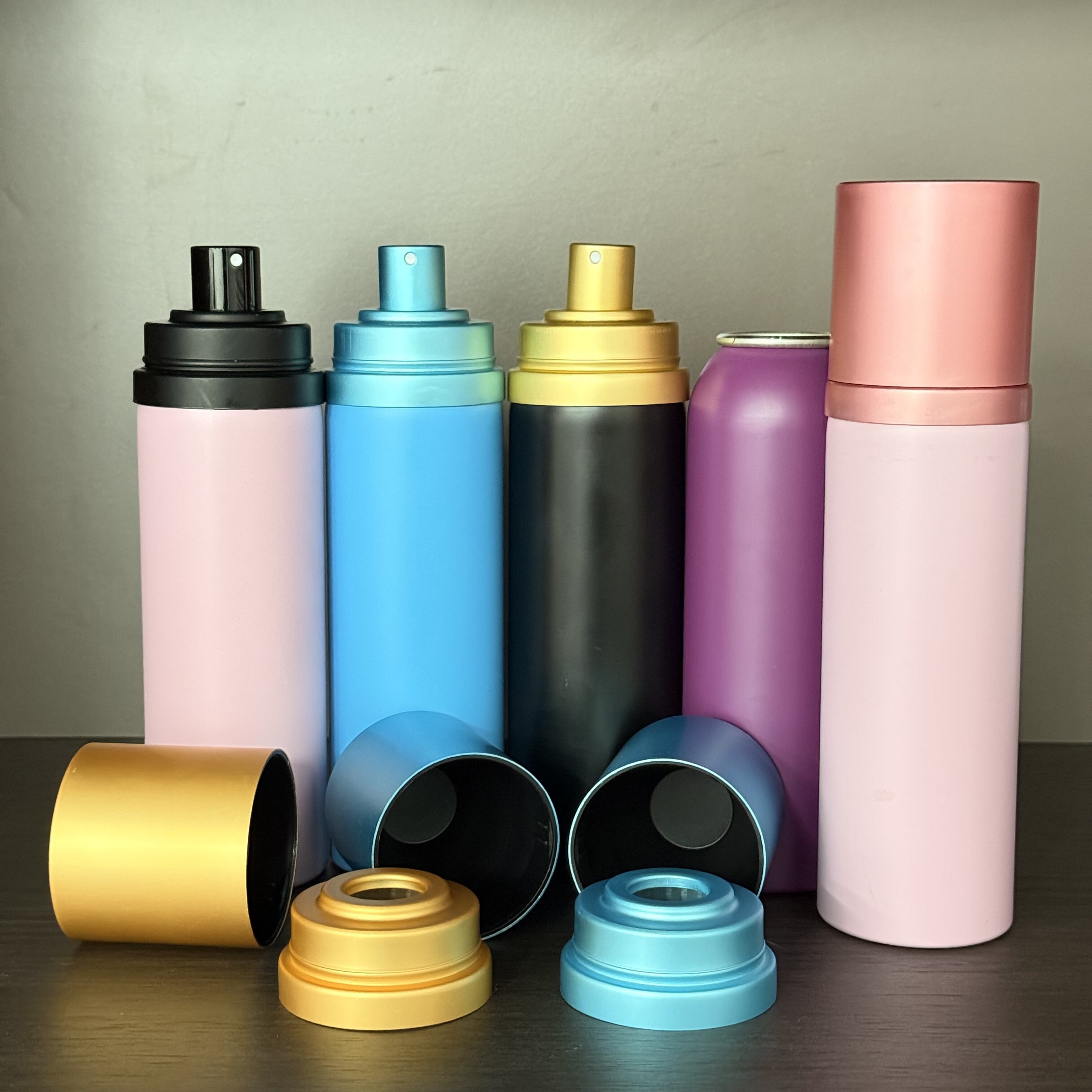
The most effective way to select an aluminum can supplier is to assess technical capability, quality systems, service responsiveness, and total landed value in one framework. A qualified aluminum can supplier should demonstrate process control, provide consistent documentation, and support real production needs such as custom sizing, valve compatibility, and batch traceability. When these factors are reviewed early, buyers can avoid costly supplier switching and establish a more resilient packaging supply chain. The sections below break down the key factors that matter most when evaluating any aluminum can supplier.
Technical Manufacturing Capability and Product Fit
Can specification compatibility with your filling process
The first checkpoint for any aluminum can supplier is whether its can specifications match your filling line and product formula. Diameter tolerance, neck finish precision, wall thickness, and internal coating behavior all influence filling efficiency and product safety. If the aluminum can supplier cannot maintain tight dimensional consistency, downstream operations may face jams, leakage, or reject spikes. Compatibility testing with valves, actuators, and caps should be part of early supplier qualification.
Procurement teams should ask an aluminum can supplier for technical drawings, tolerance bands, and historical process capability data for similar applications. A supplier that understands your filling pressure, product viscosity, and storage conditions can recommend a more suitable can structure instead of offering a one-size-fits-all option. This technical dialogue is often a stronger indicator of long-term fit than quoted unit price alone. A capable aluminum can supplier will treat your application as an engineering requirement, not a generic order.
Material quality and protective performance
Material grade and coating integrity are central to can performance, especially for sensitive formulas. A dependable aluminum can supplier should explain alloy choices, internal lacquer systems, corrosion resistance behavior, and migration control practices in practical terms. This is critical when the packaged content includes active ingredients, alcohol systems, or volatile compounds. Without robust material quality, shelf-life risk and customer complaints increase quickly.
Ask each aluminum can supplier how they validate coating adhesion, impact resistance, and compatibility under real storage scenarios. Good suppliers can share test methods and acceptance criteria, including batch-level verification routines. Strong material discipline also supports safer transportation and fewer dents during logistics. Over time, a technically mature aluminum can supplier reduces product returns and protects brand reputation through more stable packaging performance.
Quality Assurance Systems and Compliance Reliability
Process consistency and traceability controls
A serious aluminum can supplier must have repeatable quality systems that go beyond final visual inspection. In-process control points, sampling frequency, and nonconformance handling should be documented and auditable. When inconsistencies appear, the aluminum can supplier should provide clear root-cause analysis and corrective action timelines rather than vague explanations. This level of operational transparency lowers risk for regulated and quality-sensitive sectors.
Traceability is equally important because packaging issues are often batch-specific. Your aluminum can supplier should be able to connect finished cans to raw material lots, production dates, and line parameters. Fast traceability allows quicker containment if a defect is detected after shipment. A traceable system from the aluminum can supplier reduces downtime and improves incident response across your internal quality and procurement teams.
Documentation discipline and regulatory alignment
Documentation quality is a practical indicator of supplier maturity. A qualified aluminum can supplier should provide certificates, test reports, specification sheets, and change notifications in a predictable format and timeline. Missing or inconsistent paperwork creates approval delays and weakens your internal audit readiness. Strong document control from the aluminum can supplier supports cleaner handoffs between procurement, quality, and operations.
For many B2B buyers, compliance is not optional and must be built into supplier onboarding. Your aluminum can supplier should clearly state how it manages material declarations, process changes, and customer-specific validation requirements. The ability to align quickly with your compliance expectations can shorten qualification cycles and reduce risk exposure. In practice, disciplined documentation is one of the clearest ways to distinguish a dependable aluminum can supplier from a transactional one.
Supply Stability, Lead Time Control, and Service Responsiveness
Capacity planning and delivery reliability
Even technically strong packaging fails as a sourcing choice if deliveries are unstable. A trustworthy aluminum can supplier should provide realistic lead times, capacity visibility, and contingency plans for seasonal demand shifts. You need to know whether the aluminum can supplier can support both forecasted volume and urgent replenishment without sacrificing quality. Delivery reliability directly affects your production continuity and customer service performance.
During evaluation, ask how the aluminum can supplier handles raw material fluctuation, equipment maintenance windows, and sudden order changes. Suppliers with disciplined production planning and clear communication protocols typically create fewer surprises. Consistent on-time delivery from the aluminum can supplier reduces safety stock pressure and lowers warehousing inefficiency. Stability in supply is often where long-term value is won or lost.
Communication speed and problem-resolution behavior
Responsiveness matters because packaging operations move fast and disruptions are costly. A professional aluminum can supplier should acknowledge technical or delivery issues quickly and provide action-based updates, not generic reassurances. Clear escalation channels, dedicated account support, and defined response times are strong signs of operational maturity. These service fundamentals are especially important during new product launches and line transitions.
When selecting an aluminum can supplier, evaluate not only routine communication but also behavior under pressure. The right partner shares progress transparently, proposes alternatives, and coordinates cross-functionally with your teams. This service discipline protects schedule integrity and reduces internal firefighting. Companies looking for practical options often review product-ready capabilities such as aluminum can supplier offerings alongside service metrics to judge real-world fit.
Total Cost of Ownership and Long-Term Partnership Value
Beyond unit price to total landed value
A low quote can hide higher operating cost when reject rates, transit damage, and schedule disruptions are included. The better approach is to evaluate each aluminum can supplier through total cost of ownership, including quality losses, line efficiency impact, and replenishment risk. An aluminum can supplier with stable quality and predictable service can lower your actual cost even at a slightly higher unit price. This is especially true in high-volume production where small defect reductions create significant savings.
Cost modeling should include packaging performance over time, not only purchase order value. When the aluminum can supplier supports smoother filling, fewer stoppages, and reduced complaint handling, operational benefits compound across departments. Procurement, quality, and planning teams should align on shared cost assumptions before final selection. A value-based decision framework makes aluminum can supplier comparisons more accurate and less vulnerable to short-term pricing pressure.
Scalability and continuous improvement potential
As your portfolio grows, your aluminum can supplier should scale with evolving requirements such as new sizes, decoration changes, and tighter quality expectations. A partner with continuous improvement culture can help optimize specification standards and reduce recurring defects over time. This cooperative model is more effective than switching suppliers repeatedly whenever a short-term issue appears. Strategic continuity with the right aluminum can supplier builds learning momentum and faster execution.
Long-term partnership value also includes development support and proactive risk management. An engaged aluminum can supplier shares early warnings about process constraints and recommends preventive actions before issues escalate. Over multiple production cycles, this collaborative behavior improves forecast accuracy and decision speed. Selecting an aluminum can supplier with scalable capability and improvement mindset creates stronger packaging resilience for future growth.
FAQ
How many suppliers should be evaluated before finalizing an aluminum can supplier?
Most B2B teams evaluate multiple candidates so they can benchmark quality systems, technical fit, and delivery reliability under the same criteria. The exact number depends on project complexity and qualification resources, but the decision should be evidence-based rather than price-led. What matters most is applying one consistent scorecard that measures each aluminum can supplier on manufacturing capability, compliance discipline, and service performance.
What is the biggest red flag when assessing an aluminum can supplier?
A major red flag is inconsistent process control combined with weak transparency. If an aluminum can supplier cannot provide stable documentation, traceability detail, or clear corrective actions, risk increases significantly. Delayed responses during early qualification are also warning signs, because service gaps tend to widen during production pressure.
How long does it usually take to qualify a new aluminum can supplier?
Timing varies by application sensitivity, internal approval flow, and test scope. In most industrial settings, qualification includes technical review, sample validation, documentation checks, and trial-order performance monitoring before full rollout. A prepared aluminum can supplier that responds quickly with complete data can shorten the cycle and reduce internal rework.
Can one aluminum can supplier support both current production and future product expansion?
Yes, but only if the aluminum can supplier has both stable baseline execution and the ability to scale specifications over time. Buyers should verify expansion readiness through capacity planning detail, development support, and historical change-management performance. The right aluminum can supplier is not only reliable for today’s orders but also capable of supporting future packaging complexity without destabilizing quality or lead time.
Table of Contents
- Technical Manufacturing Capability and Product Fit
- Quality Assurance Systems and Compliance Reliability
- Supply Stability, Lead Time Control, and Service Responsiveness
- Total Cost of Ownership and Long-Term Partnership Value
-
FAQ
- How many suppliers should be evaluated before finalizing an aluminum can supplier?
- What is the biggest red flag when assessing an aluminum can supplier?
- How long does it usually take to qualify a new aluminum can supplier?
- Can one aluminum can supplier support both current production and future product expansion?

