
 EN
EN


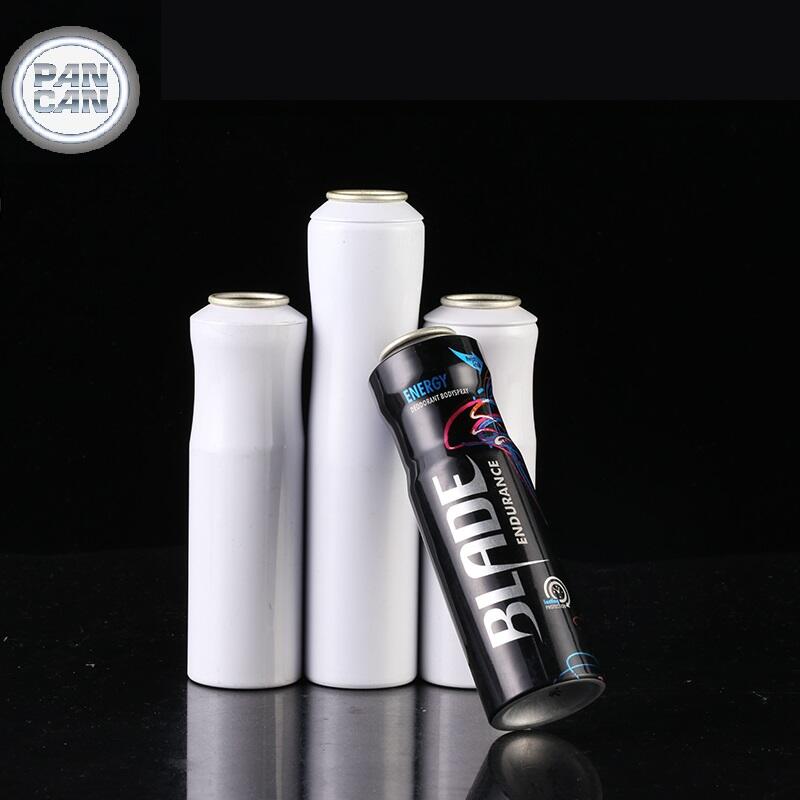
The aluminum spray can has revolutionized packaging across countless industries, from cosmetics and personal care to industrial applications and food storage. Unlike traditional steel or plastic containers, aluminum spray cans offer a unique combination of lightweight durability, corrosion resistance, and aesthetic appeal that sets them apart in today's competitive marketplace. Understanding what makes these containers distinctive helps manufacturers and consumers make informed decisions about packaging solutions that deliver both performance and value.
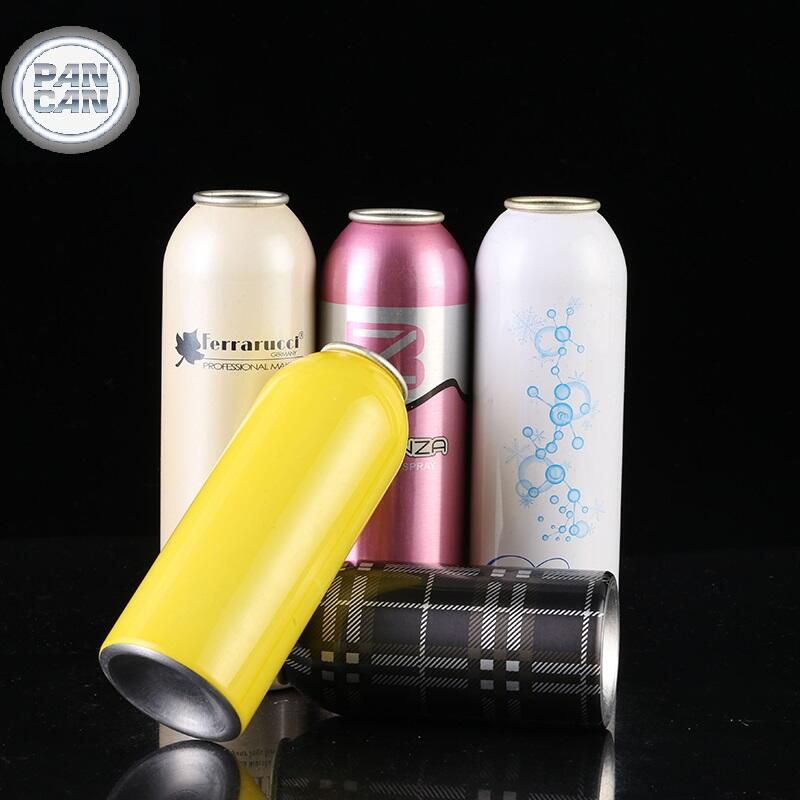
Material Composition and Manufacturing Excellence
Pure Aluminum Construction Benefits
The fundamental difference between aluminum spray cans and their counterparts lies in the material composition itself. Aluminum offers exceptional malleability during the manufacturing process, allowing for seamless construction without joints or weak points that could compromise container integrity. This single-piece construction method ensures consistent pressure distribution and eliminates potential failure points that plague multi-component alternatives. The inherent properties of aluminum create containers that maintain structural integrity under varying pressure conditions while remaining remarkably lightweight for transportation and handling efficiency.
Manufacturing processes for aluminum containers utilize advanced forming techniques that create uniform wall thickness throughout the entire structure. This precision manufacturing approach results in consistent performance characteristics and predictable behavior under pressure variations. The aluminum material responds well to deep-drawing processes, enabling manufacturers to create complex shapes and custom designs that would be difficult or impossible with alternative materials. These manufacturing advantages translate directly into superior product performance and reliability for end-users across diverse applications.
Quality Control and Precision Standards
Modern aluminum spray can production incorporates sophisticated quality control measures that ensure each container meets stringent performance specifications. Advanced testing protocols evaluate pressure resistance, leak detection, and structural integrity before containers reach the market. These comprehensive testing procedures include burst pressure tests, leak detection using specialized equipment, and dimensional accuracy verification to guarantee consistent performance standards. Quality control systems also monitor aluminum alloy composition to ensure optimal strength-to-weight ratios and corrosion resistance properties.
Precision manufacturing techniques enable tight tolerances that ensure proper valve fitting and optimal spray pattern delivery. The smooth interior surface of aluminum containers prevents product contamination and maintains product purity throughout the container's service life. These quality standards extend beyond basic functionality to encompass aesthetic considerations, with consistent surface finish and uniform coating application that enhances brand presentation and consumer appeal.
Superior Corrosion Resistance and Chemical Compatibility
Natural Protective Oxide Layer
One of the most significant advantages of aluminum spray cans is their natural resistance to corrosion and environmental degradation. Aluminum naturally forms a protective oxide layer when exposed to oxygen, creating an invisible barrier that prevents further oxidation and chemical attack. This self-protecting characteristic ensures long-term product stability and container integrity even in challenging environmental conditions. Unlike steel containers that require extensive coating systems to prevent rust, aluminum provides inherent protection that maintains performance over extended storage periods.
The protective oxide layer regenerates automatically if damaged, providing continuous protection throughout the container's lifecycle. This self-healing property makes aluminum spray cans particularly suitable for products containing moisture or corrosive ingredients that would rapidly degrade alternative container materials. The chemical inertness of aluminum also prevents unwanted interactions between the container and its contents, preserving product quality and extending shelf life significantly compared to reactive container materials.
Chemical Compatibility Across Industries
Aluminum demonstrates exceptional compatibility with a wide range of chemical formulations, making it the preferred choice for diverse product categories. From acidic hair care products to alkaline cleaning solutions, aluminum containers maintain their integrity without imparting unwanted flavors, odors, or chemical reactions that could compromise product quality. This broad chemical compatibility eliminates the need for specialized container materials for different product types, simplifying inventory management and reducing manufacturing complexity.
The non-reactive nature of aluminum makes it particularly valuable for pharmaceutical and cosmetic applications where product purity is paramount. aluminum spray can solutions provide reliable containment for sensitive formulations without introducing contaminants or catalyzing unwanted chemical reactions. This compatibility extends to volatile organic compounds and pressurized formulations that require stable, non-reactive containment systems for safe storage and dispensing.
Environmental Sustainability and Recyclability
Infinite Recyclability Without Quality Loss
Environmental considerations increasingly influence packaging decisions, and aluminum spray cans offer compelling sustainability advantages over alternative materials. Aluminum can be recycled indefinitely without losing its fundamental properties, creating a closed-loop manufacturing system that minimizes environmental impact. The recycling process for aluminum requires only five percent of the energy needed to produce new aluminum from raw materials, making it one of the most energy-efficient recycling processes available for packaging materials.
The high value of recycled aluminum creates economic incentives that support robust collection and processing infrastructure. This established recycling network ensures that aluminum containers are diverted from landfills and returned to productive use, reducing the overall environmental footprint of packaging operations. The durability of recycled aluminum maintains the same performance characteristics as virgin material, enabling manufacturers to incorporate recycled content without compromising product quality or functionality.
Carbon Footprint Reduction Benefits
The lightweight nature of aluminum spray cans contributes significantly to reduced transportation costs and carbon emissions throughout the supply chain. Compared to heavier alternatives, aluminum containers enable more efficient shipping with reduced fuel consumption per unit shipped. This transportation efficiency becomes increasingly important as companies seek to minimize their environmental impact while maintaining global distribution capabilities. The weight savings also reduce packaging material requirements and storage space needs, further contributing to overall sustainability goals.
Life cycle assessments consistently demonstrate that aluminum spray cans offer superior environmental performance when all factors are considered, including production energy, transportation efficiency, and end-of-life recyclability. The combination of reduced material usage, efficient manufacturing processes, and excellent recyclability creates a compelling environmental value proposition that aligns with corporate sustainability initiatives and consumer environmental preferences.
Enhanced Performance Characteristics
Pressure Resistance and Structural Integrity
The structural properties of aluminum spray cans enable superior pressure handling capabilities compared to alternative container materials. Aluminum's excellent strength-to-weight ratio allows for thin-wall construction that maintains structural integrity under high internal pressures while minimizing material usage and weight. This optimal balance between strength and weight creates containers that perform reliably under demanding conditions while remaining cost-effective and environmentally responsible.
Advanced engineering techniques optimize aluminum container design to distribute stress evenly throughout the structure, preventing localized failure points that could compromise safety or performance. The uniform wall thickness achievable with aluminum manufacturing processes ensures consistent pressure distribution and predictable performance characteristics. These engineering advantages enable higher working pressures and improved spray pattern consistency compared to containers with variable wall thickness or structural irregularities.
Temperature Stability and Thermal Performance
Aluminum spray cans demonstrate exceptional thermal stability across wide temperature ranges, maintaining structural integrity and performance characteristics under both hot and cold conditions. The excellent thermal conductivity of aluminum enables rapid temperature equilibration, preventing thermal stress that could damage container integrity or affect product dispensing characteristics. This thermal performance makes aluminum containers suitable for products that may experience temperature variations during storage, transportation, or use.
The thermal properties of aluminum also contribute to improved product performance by enabling more consistent spray patterns and dispensing characteristics across temperature ranges. Unlike materials that become brittle in cold conditions or lose structural integrity at elevated temperatures, aluminum maintains its performance characteristics throughout typical storage and use temperature ranges. This temperature stability ensures reliable product dispensing and consistent user experience regardless of environmental conditions.
FAQ
What makes aluminum spray cans more expensive than steel alternatives initially
While aluminum spray cans may have higher initial costs compared to steel alternatives, the total cost of ownership often favors aluminum due to reduced transportation costs, elimination of internal coating requirements, and superior recyclability value. The lightweight nature of aluminum reduces shipping expenses, while the natural corrosion resistance eliminates the need for expensive internal coatings that steel containers require to prevent product contamination.
How do aluminum spray cans perform in extreme temperature conditions
Aluminum spray cans excel in extreme temperature conditions due to aluminum's excellent thermal conductivity and structural stability. The material maintains its strength and integrity across wide temperature ranges, from freezing conditions to elevated temperatures, without becoming brittle or losing structural integrity. This temperature stability ensures consistent product dispensing and reliable container performance regardless of storage or use conditions.
Can aluminum spray cans be used for acidic or corrosive products safely
Yes, aluminum spray cans are highly compatible with acidic and mildly corrosive products due to aluminum's natural oxide layer that provides chemical resistance. The protective oxide layer prevents direct contact between the aluminum and potentially reactive ingredients, maintaining container integrity and product purity. For highly corrosive applications, additional protective coatings can be applied to enhance chemical resistance further.
What recycling advantages do aluminum spray cans offer over other packaging materials
Aluminum spray cans offer superior recycling advantages including infinite recyclability without quality degradation, high scrap value that supports collection infrastructure, and energy efficiency requiring only five percent of the energy needed for primary aluminum production. The established recycling network for aluminum ensures high recovery rates, and the material can be recycled repeatedly without losing its fundamental properties, creating a truly sustainable packaging solution.
Table of Contents
- Material Composition and Manufacturing Excellence
- Superior Corrosion Resistance and Chemical Compatibility
- Environmental Sustainability and Recyclability
- Enhanced Performance Characteristics
-
FAQ
- What makes aluminum spray cans more expensive than steel alternatives initially
- How do aluminum spray cans perform in extreme temperature conditions
- Can aluminum spray cans be used for acidic or corrosive products safely
- What recycling advantages do aluminum spray cans offer over other packaging materials

