
 EN
EN


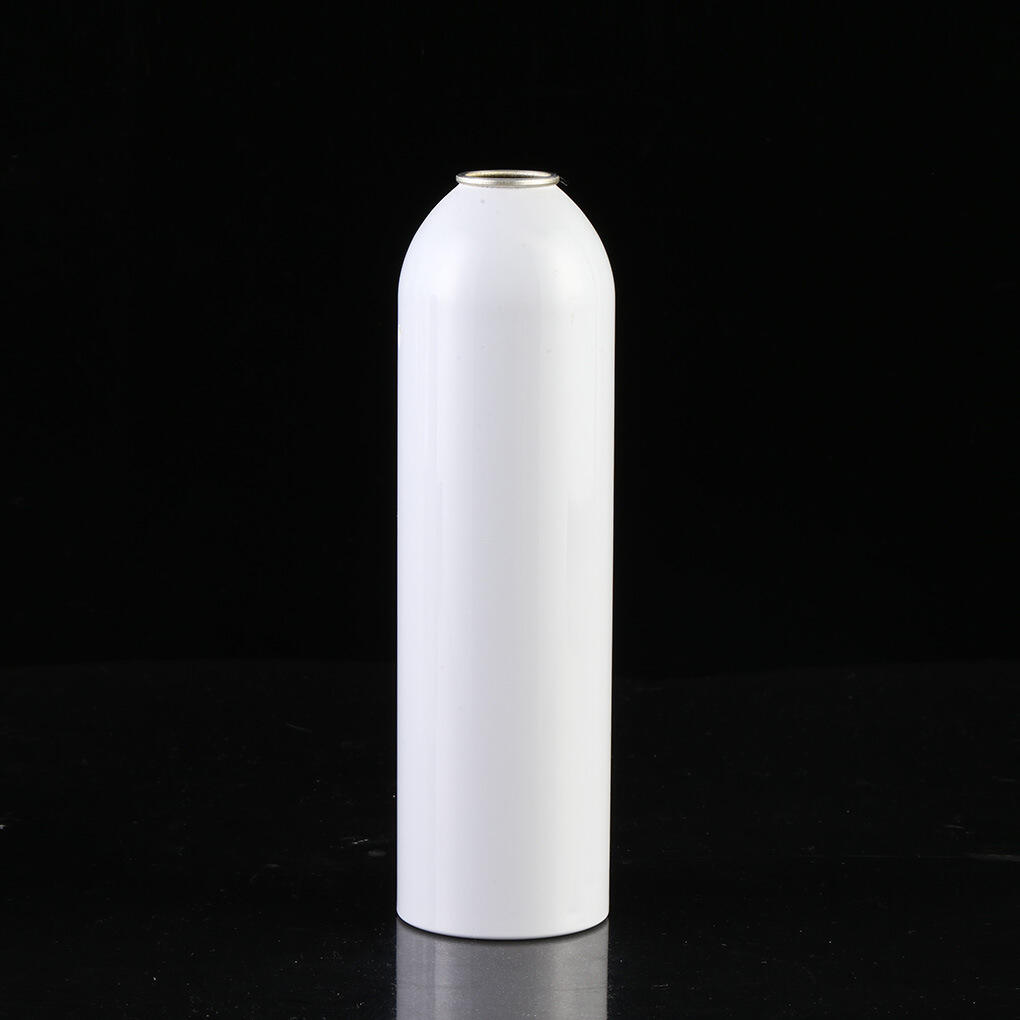
The modern aluminum spray can represents one of the most ingenious packaging innovations of the 20th century, revolutionizing how we store and dispense liquids, gels, and aerosols across countless industries. From household cleaners to automotive lubricants, pharmaceutical treatments to cosmetic products, these pressurized containers have become indispensable in our daily lives. Understanding the intricate mechanics behind how an aluminum spray can functions reveals fascinating engineering principles that combine materials science, fluid dynamics, and precision manufacturing to create a reliable dispensing system.
Fundamental Components and Architecture
Primary Container Structure
The aluminum spray can consists of several critical components working in perfect harmony to ensure consistent product delivery. The main body, constructed from lightweight yet durable aluminum alloy, provides the primary containment vessel that withstands internal pressures typically ranging from 30 to 150 PSI. This seamless aluminum construction offers superior corrosion resistance compared to traditional steel alternatives, making it particularly suitable for products containing acids, solvents, or moisture-sensitive formulations.
The bottom of the container features a deep-drawn dome shape that distributes pressure evenly across the surface, preventing stress concentrations that could lead to failure. This geometric design principle, combined with the inherent strength properties of aluminum, allows manufacturers to create containers that are both lightweight and capable of containing significant internal pressure safely throughout their operational lifetime.
Valve Assembly and Dispensing Mechanism
At the heart of every aluminum spray can lies the sophisticated valve assembly, a precision-engineered component that controls product flow and maintains container integrity. The valve housing, typically manufactured from durable polymers or metal alloys, creates an airtight seal with the container rim through a specialized crimping process that permanently bonds the valve to the aluminum body.
The internal valve mechanism includes a spring-loaded actuator, sealing gaskets, and a dip tube that extends nearly to the bottom of the container. When the actuator button is depressed, it opens a pathway that allows the pressurized contents to flow through carefully calibrated orifices, creating the characteristic spray pattern that makes these containers so versatile for various applications.
Pressurization Systems and Propellant Technology
Propellant Gas Selection and Properties
The pressurization system within an aluminum spray can relies on specially selected propellant gases that remain liquid under pressure but vaporize when released to atmospheric conditions. Common propellants include liquefied petroleum gases like butane and propane, compressed gases such as nitrogen and carbon dioxide, and specialized fluorinated compounds for applications requiring specific performance characteristics.
These propellant systems create the driving force necessary to expel the product through the valve assembly while maintaining consistent pressure throughout the container's useful life. The selection of appropriate propellant depends on factors including product compatibility, desired spray characteristics, environmental considerations, and regulatory requirements specific to the intended market and application.
Pressure Dynamics and Flow Control
Understanding pressure dynamics within an aluminum spray can reveals the sophisticated engineering behind consistent product delivery. As propellant vaporizes in the headspace above the liquid product, it creates a pressurized environment that forces the liquid up through the dip tube when the valve opens.
The relationship between vapor pressure, temperature, and remaining product volume directly affects spray performance throughout the container's lifecycle. Advanced formulations incorporate pressure regulators or specialized valve designs that compensate for these variations, ensuring consistent spray patterns and product delivery rates from the first use until the container is empty.
Manufacturing Processes and Quality Assurance
Aluminum Container Production
The manufacturing process for aluminum spray cans begins with high-quality aluminum sheet or coil stock that undergoes a series of precision forming operations. Deep drawing processes shape the aluminum into seamless containers, while specialized equipment creates the characteristic dome bottom that provides structural integrity under pressure. Heat treatment and work hardening during forming enhance the material properties, resulting in containers that meet stringent safety and performance standards.
Surface preparation and coating applications protect the aluminum substrate from corrosion while providing compatibility with various product formulations. Interior coatings may include specialized liners that prevent chemical interactions between the product and aluminum surface, ensuring product stability and extending shelf life across diverse applications.
Assembly and Testing Procedures
Quality assurance throughout the manufacturing process involves rigorous testing protocols that verify container integrity, valve performance, and overall safety characteristics. Pressure testing subjects each aluminum spray can to pressures exceeding normal operating conditions, identifying any potential weaknesses before the product reaches end users.
Automated filling systems precisely meter product and propellant quantities while maintaining sterile conditions for pharmaceutical and cosmetic applications. Final inspection procedures verify proper valve crimping, test spray patterns, and confirm that leak rates fall within acceptable specifications, ensuring reliable performance throughout the product's intended service life.
Applications Across Industries
Consumer and Household Products
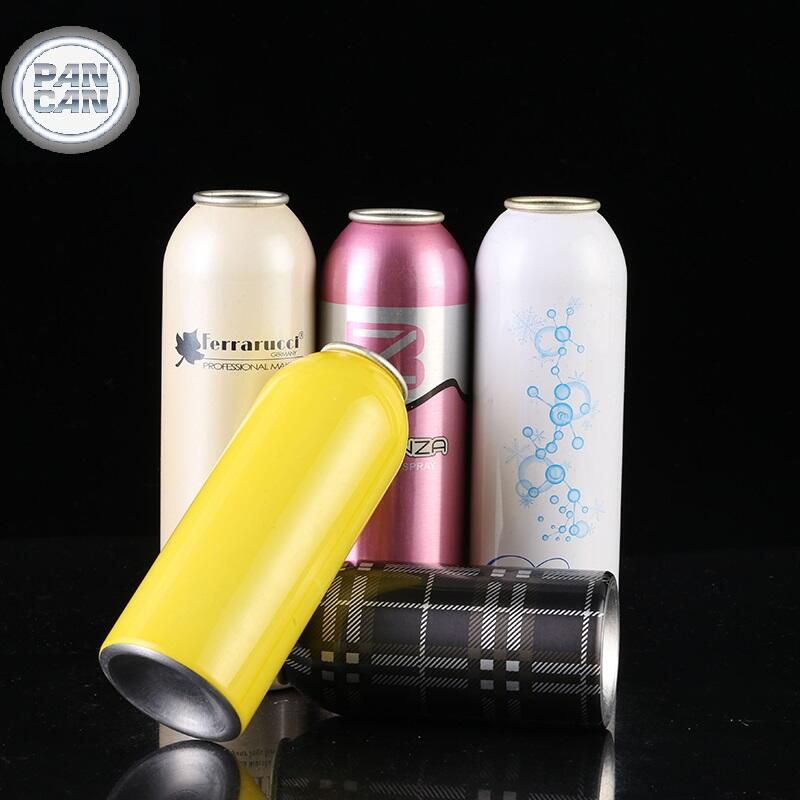
Aluminum spray cans have revolutionized consumer product packaging across numerous categories, from air fresheners and cleaning products to personal care items and food applications. The lightweight nature of aluminum combined with excellent barrier properties makes these containers ideal for products requiring protection from moisture, oxygen, or light exposure.
In the cosmetics industry, aluminum spray can technology enables the delivery of fine mists, foams, and precision applications that would be impossible with traditional packaging formats. Hair care products, deodorants, and skin care formulations benefit from the controlled dispensing characteristics and extended shelf life that aluminum containers provide.
Industrial and Professional Applications
Beyond consumer markets, aluminum spray cans serve critical roles in industrial applications where precise product delivery and container reliability are paramount. Automotive lubricants, electronic cleaners, and specialized coatings rely on the consistent spray characteristics and chemical compatibility that aluminum containers offer.
Professional maintenance and repair operations depend on aluminum spray can technology for delivering penetrating oils, release agents, and protective coatings in challenging environments. The durability and corrosion resistance of aluminum construction ensure reliable performance even when exposed to harsh operating conditions or extreme temperatures.
Environmental Considerations and Sustainability
Recycling and Material Recovery
The environmental profile of aluminum spray cans reflects the inherent sustainability advantages of aluminum as a packaging material. Aluminum maintains its properties through infinite recycling cycles, making empty spray cans valuable feedstock for new aluminum products once properly processed and the residual contents removed.
Modern recycling infrastructure has developed specialized processes for handling aluminum spray cans, including depressurization systems that safely remove residual propellant and product before melting and reprocessing. This closed-loop approach significantly reduces the environmental impact compared to single-use packaging alternatives while supporting circular economy principles.
Propellant Evolution and Alternatives
Environmental considerations have driven significant innovations in propellant technology, moving away from ozone-depleting substances toward more environmentally responsible alternatives. Current research focuses on developing propellant systems with reduced global warming potential while maintaining the performance characteristics that make aluminum spray cans effective.
Compressed air systems and mechanical pump technologies represent emerging alternatives that eliminate chemical propellants entirely while leveraging the structural advantages of aluminum containers. These developments demonstrate the ongoing evolution of spray can technology in response to environmental concerns and regulatory requirements.
FAQ
What pressure levels are typically maintained inside aluminum spray cans
Aluminum spray cans typically operate at internal pressures ranging from 30 to 150 PSI, depending on the specific product formulation and propellant system used. Consumer products like air fresheners generally operate at lower pressures around 30-50 PSI, while industrial applications such as lubricants or cleaners may require higher pressures up to 150 PSI for effective spray patterns and coverage.
How long do aluminum spray cans maintain their effectiveness
When stored properly at room temperature and away from direct sunlight, aluminum spray cans typically maintain their effectiveness for 2-5 years depending on the product formulation. The aluminum construction provides excellent barrier properties that protect contents from moisture and oxygen infiltration, while the propellant system maintains consistent pressure throughout this period when the container remains unopened.
Can aluminum spray cans be refilled or reused safely
Aluminum spray cans are designed as single-use containers and should not be refilled or reused due to safety considerations. The valve crimping process creates a permanent seal that cannot be safely reopened, and attempting to modify or refill these containers can result in dangerous pressure failures or contamination issues that compromise both safety and product performance.
What makes aluminum superior to other materials for spray can construction
Aluminum offers several key advantages for spray can construction including lightweight properties that reduce shipping costs, excellent corrosion resistance for extended product compatibility, superior barrier properties that protect contents from environmental factors, and complete recyclability that supports sustainable packaging goals. These characteristics make aluminum the preferred choice for most aerosol applications across consumer and industrial markets.

