
 EN
EN


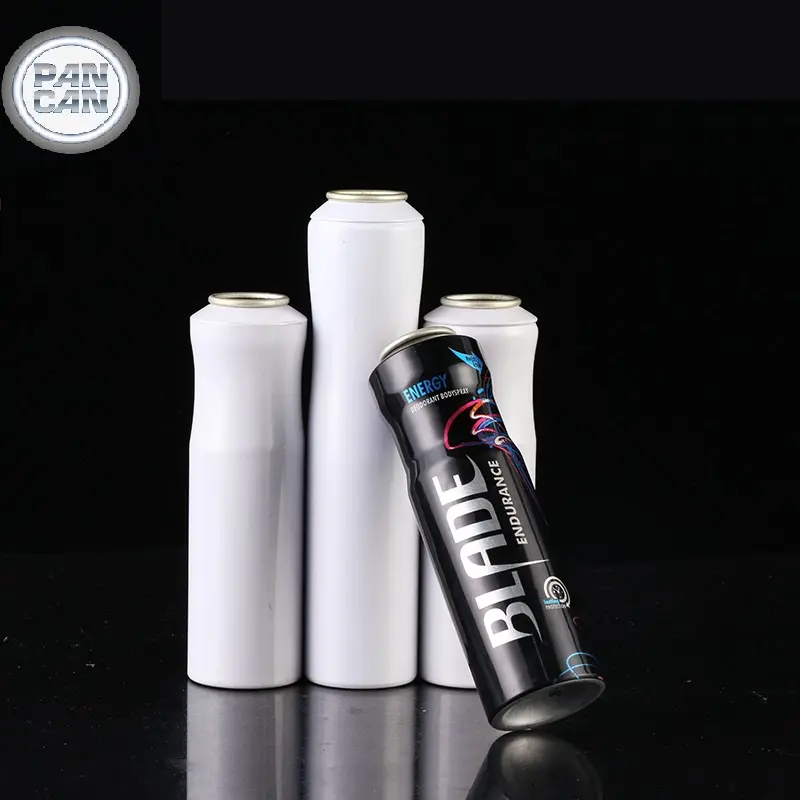
An aluminum aerosol bottle represents one of the most versatile and widely-used packaging solutions across numerous industries, from cosmetics and pharmaceuticals to automotive and household products. This innovative container system combines the lightweight properties of aluminum with advanced pressurization technology to deliver controlled dispensing of liquids, creams, foams, and gases. Understanding the fundamental principles behind aluminum aerosol bottle functionality helps manufacturers, retailers, and consumers make informed decisions about product packaging and application methods.

The engineering behind these containers involves sophisticated pressure dynamics, valve mechanisms, and material science that ensures consistent product delivery while maintaining safety standards. Modern aluminum aerosol bottle designs incorporate multiple components working in harmony to create reliable dispensing systems that meet diverse application requirements. From personal care products requiring fine mist application to industrial lubricants needing targeted spray patterns, these containers adapt to various formulation needs while preserving product integrity throughout their shelf life.
Core Components and Construction of Aluminum Aerosol Bottles
Primary Structural Elements
The aluminum aerosol bottle consists of several critical components that work together to create an effective dispensing system. The main body, manufactured from high-grade aluminum alloy, provides the primary containment vessel that houses both the product formulation and propellant gas. This cylindrical container undergoes precise forming processes to achieve uniform wall thickness and structural integrity capable of withstanding internal pressures typically ranging from 30 to 180 PSI depending on the specific application requirements.
The bottle's neck area features carefully engineered threading or crimping mechanisms designed to secure the valve assembly and create an airtight seal. Quality aluminum aerosol bottle manufacturing processes ensure these connection points maintain their integrity throughout repeated use cycles while preventing product leakage or pressure loss. The bottom portion often includes a reinforced base structure that distributes internal pressure forces evenly across the container's foundation, preventing structural failure under normal operating conditions.
Valve Assembly and Dispensing Mechanisms
Advanced valve technology represents the heart of any aluminum aerosol bottle system, controlling product flow rates, spray patterns, and dispensing pressure characteristics. The valve assembly typically includes a valve cup, valve stem, spring mechanism, and actuator button that work in coordinated sequence to deliver precise product amounts with each activation. Different valve configurations accommodate varying viscosity products, from thin liquids requiring fine atomization to thicker formulations needing broader spray patterns.
Modern aluminum aerosol bottle valve systems incorporate sophisticated sealing technologies that prevent product contamination while maintaining consistent pressure levels throughout the container's operational life. These components undergo rigorous testing procedures to ensure reliability across temperature variations, humidity changes, and extended storage periods. The actuator design influences user experience significantly, with ergonomic considerations affecting everything from finger pressure requirements to spray direction control capabilities.
Propellant Systems and Pressure Dynamics
Propellant Gas Selection and Properties
Propellant selection plays a crucial role in aluminum aerosol bottle performance, affecting everything from spray characteristics to environmental impact considerations. Common propellant options include compressed gases like nitrogen and carbon dioxide, liquefied gases such as propane and butane, and specialized blends designed for specific application requirements. Each propellant type offers distinct advantages in terms of pressure stability, temperature sensitivity, and compatibility with various product formulations.
The relationship between propellant concentration and product delivery characteristics requires careful balance to achieve optimal performance throughout the aluminum aerosol bottle lifecycle. Higher propellant ratios typically result in finer atomization and increased spray velocity, while lower concentrations may provide gentler application suitable for sensitive skin products or precision applications. Understanding these relationships helps formulators optimize their products for specific dispensing requirements while maintaining safety margins within acceptable pressure ranges.
Pressure Regulation and Safety Mechanisms
Internal pressure management within aluminum aerosol bottle systems involves multiple safety features designed to prevent over-pressurization while maintaining consistent dispensing characteristics. Pressure relief mechanisms, including engineered weak points and safety valves, provide controlled failure modes that protect users and prevent container rupture under extreme conditions. These safety systems undergo extensive testing to ensure reliable operation across various environmental conditions and usage scenarios.
Temperature effects on aluminum aerosol bottle pressure require careful consideration during both manufacturing and end-use applications. Rising temperatures increase internal pressure significantly, while cold conditions may reduce dispensing effectiveness or alter spray patterns. Quality manufacturing processes incorporate pressure testing protocols that verify container integrity under simulated extreme conditions, ensuring safe operation throughout normal temperature ranges encountered in typical storage and usage environments.
Manufacturing Processes and Quality Control
Aluminum Container Formation Techniques
Modern aluminum aerosol bottle manufacturing employs sophisticated forming techniques that ensure consistent wall thickness, dimensional accuracy, and structural integrity across large production volumes. Deep drawing processes shape aluminum blanks into cylindrical containers through progressive forming stages that gradually reduce material thickness while maintaining uniform distribution. These manufacturing methods require precise control of forming forces, lubrication systems, and tooling geometries to prevent defects such as wrinkling, tearing, or uneven wall distribution.
Quality control measures throughout aluminum aerosol bottle production include dimensional verification, surface finish inspection, and structural integrity testing. Advanced measurement systems monitor critical parameters such as wall thickness variation, neck concentricity, and internal surface smoothness to ensure consistent product quality. These manufacturing standards directly impact container performance characteristics, affecting everything from pressure retention capabilities to valve sealing effectiveness and overall product reliability.
Surface Treatment and Protective Coatings
Surface preparation and coating application represent critical steps in aluminum aerosol bottle manufacturing that enhance both functional performance and aesthetic appeal. Internal coatings prevent product interaction with aluminum surfaces, particularly important for acidic or chemically reactive formulations that might cause container degradation or product contamination. These protective barriers undergo extensive compatibility testing to ensure long-term stability across various product types and storage conditions.
External surface treatments for aluminum aerosol bottle applications include decorative finishes, protective coatings, and printing preparation layers that enhance product marketability while providing additional corrosion protection. Advanced coating technologies offer improved durability, scratch resistance, and color retention properties that maintain attractive appearance throughout product distribution and consumer use cycles. These surface modifications also facilitate high-quality graphics application through various printing and labeling techniques.
Applications Across Different Industries
Personal Care and Cosmetic Applications
The personal care industry represents one of the largest market segments for aluminum aerosol bottle applications, spanning products from deodorants and hair styling products to skincare treatments and cosmetic applications. These containers offer precise dispensing control essential for cosmetic formulations requiring uniform application or specific spray patterns. The aluminum construction provides excellent barrier properties that protect light-sensitive ingredients while maintaining product freshness throughout extended shelf life periods.
Cosmetic aluminum aerosol bottle designs often incorporate specialized valve systems tailored to specific product viscosities and application methods. Fine mist applications for setting sprays require different valve configurations compared to foam dispensing systems used for mousses or cleansing products. The ability to customize dispensing characteristics while maintaining consistent pressure delivery makes aluminum containers particularly suitable for premium cosmetic applications where user experience quality directly impacts brand perception and customer satisfaction.
Pharmaceutical and Medical Device Applications
Medical and pharmaceutical applications demand exceptional precision and reliability from aluminum aerosol bottle systems, particularly for products requiring accurate dosing or sterile delivery conditions. Inhalation medications, topical treatments, and wound care products benefit from the controlled dispensing characteristics and contamination protection offered by properly designed aerosol systems. The aluminum construction provides excellent chemical compatibility with most pharmaceutical formulations while offering superior barrier properties against moisture and oxygen infiltration.
Regulatory compliance requirements for pharmaceutical aluminum aerosol bottle applications include extensive testing protocols that verify container compatibility, leachable substance analysis, and dispensing accuracy validation. These stringent standards ensure patient safety while maintaining therapeutic effectiveness throughout product shelf life. The precision manufacturing capabilities required for medical applications often drive innovations in aluminum aerosol bottle technology that subsequently benefit other market segments through improved quality and performance characteristics.
Environmental Considerations and Sustainability
Recyclability and Material Recovery
Aluminum aerosol bottle sustainability advantages stem primarily from aluminum's infinite recyclability without quality degradation, making these containers environmentally preferable compared to many alternative packaging options. The recycling process for aluminum requires significantly less energy compared to primary metal production, reducing overall environmental impact while creating closed-loop material cycles. However, successful aluminum aerosol bottle recycling requires proper preparation, including complete evacuation of residual products and propellants before processing.
Consumer education plays a vital role in maximizing aluminum aerosol bottle recycling effectiveness, as improper disposal methods can contaminate recycling streams or create safety hazards. Clear labeling and disposal instructions help ensure these containers enter appropriate recovery systems where aluminum content can be efficiently separated and processed. The high scrap value of aluminum provides economic incentives for recycling programs while supporting circular economy principles that minimize waste generation and resource consumption.
Propellant Environmental Impact and Alternatives
Environmental considerations for aluminum aerosol bottle systems extend beyond container materials to include propellant selection and emission impacts. Traditional propellants such as chlorofluorocarbons have been largely phased out due to ozone depletion concerns, leading to adoption of more environmentally friendly alternatives like compressed gases and hydrocarbon blends. These newer propellant options offer reduced atmospheric impact while maintaining effective dispensing performance for most applications.
Ongoing research into sustainable propellant technologies focuses on developing systems that minimize greenhouse gas emissions while preserving the functional advantages of aluminum aerosol bottle dispensing. Compressed air systems, nitrogen propellants, and innovative mechanical dispensing mechanisms represent potential alternatives that could further reduce environmental impact without compromising product effectiveness. The evolution toward more sustainable aluminum aerosol bottle systems reflects broader industry commitments to environmental responsibility and regulatory compliance with emerging environmental protection standards.
FAQ
How long do aluminum aerosol bottles typically maintain their pressure
Properly manufactured aluminum aerosol bottles can maintain adequate dispensing pressure for 2-5 years under normal storage conditions, depending on valve quality, propellant type, and container integrity. Factors such as temperature fluctuations, container damage, and valve seal deterioration can reduce this timeframe. Premium containers with high-quality valves and appropriate propellant systems often exceed these timeframes while maintaining consistent performance throughout their operational life.
What safety precautions should be followed when using aluminum aerosol bottles
Safety considerations for aluminum aerosol bottle usage include avoiding exposure to excessive heat, preventing puncturing or damaging the container, and ensuring adequate ventilation during use. Storage temperatures should remain below 120°F to prevent over-pressurization, and containers should never be incinerated or punctured even when empty. Users should also avoid spraying near open flames or heat sources and follow manufacturer instructions for proper disposal methods.
Can aluminum aerosol bottles be refilled after emptying
Standard aluminum aerosol bottles are designed as single-use containers and should not be refilled due to safety concerns and performance limitations. The valve systems and pressure ratings are calibrated for original contents, and refilling could result in improper pressurization, contamination, or mechanical failure. Specialized refillable aluminum aerosol bottle systems exist for industrial applications but require appropriate equipment and safety protocols for proper operation.
What determines the spray pattern and droplet size from aluminum aerosol bottles
Spray pattern and droplet size characteristics result from the interaction between valve design, actuator geometry, internal pressure, and product formulation properties. Fine mist applications typically require higher pressure ratios and specialized atomization chambers, while broader spray patterns utilize different valve orifice configurations. The viscosity of the product formulation also significantly influences droplet formation, with thinner liquids generally producing finer atomization compared to thicker formulations in aluminum aerosol bottle applications.

