
 EN
EN


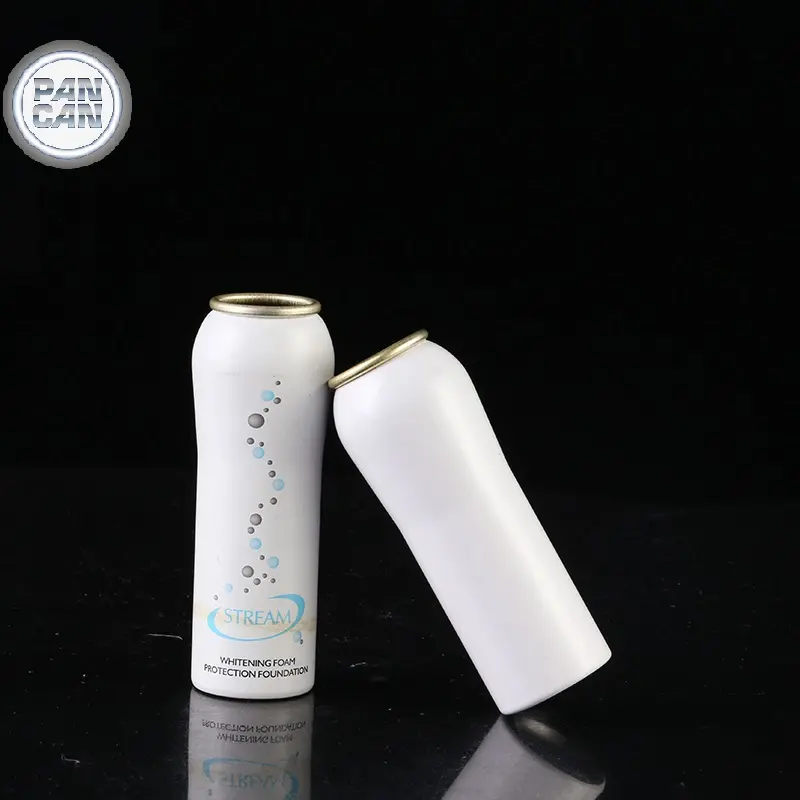
The packaging industry has witnessed a significant shift toward sustainable and high-performance materials, with aluminum aerosol bottle technology leading the charge in revolutionizing how we store and dispense products. As consumers and manufacturers increasingly prioritize environmental responsibility alongside product quality, the choice between aluminum and plastic packaging has become more critical than ever. The aluminum aerosol bottle offers superior durability, recyclability, and product protection compared to traditional plastic alternatives, making it the preferred solution for industries ranging from cosmetics to pharmaceuticals.
Material Composition and Structural Advantages
Inherent Strength and Durability Properties
The fundamental difference between aluminum aerosol bottle construction and plastic alternatives lies in their molecular structure and material properties. Aluminum offers exceptional tensile strength, allowing manufacturers to create thinner walls without compromising structural integrity. This material advantage enables the aluminum aerosol bottle to withstand higher internal pressures while maintaining consistent performance throughout its lifecycle. The metal's crystalline structure provides uniform strength distribution, preventing weak points that commonly develop in plastic containers over time.
Unlike plastic materials that can become brittle or flexible depending on temperature fluctuations, aluminum maintains consistent mechanical properties across a wide range of environmental conditions. This stability ensures that each aluminum aerosol bottle delivers reliable performance whether stored in hot warehouses or cold retail environments. The material's resistance to stress cracking and fatigue makes it particularly suitable for products requiring long shelf life and repeated handling during distribution and use.
Pressure Resistance and Safety Considerations
Safety remains paramount in aerosol packaging, and the aluminum aerosol bottle excels in maintaining pressure integrity under various stress conditions. The metal's ability to distribute internal pressure evenly across its surface reduces the risk of catastrophic failure that can occur with plastic containers under similar conditions. This pressure distribution capability allows manufacturers to achieve higher fill pressures, enabling more efficient product dispensing and extended usage periods.
The seamless construction possible with aluminum aerosol bottle manufacturing eliminates potential failure points that exist in multi-piece plastic assemblies. Advanced forming techniques create containers with uniform wall thickness and smooth internal surfaces, reducing turbulence that could affect product quality or dispensing consistency. These manufacturing advantages translate directly into enhanced user safety and product reliability throughout the container's operational life.
Environmental Impact and Sustainability Benefits
Recyclability and Circular Economy Integration
The environmental advantages of choosing an aluminum aerosol bottle over plastic alternatives extend far beyond initial production considerations. Aluminum ranks among the most recyclable materials available, with the ability to be recycled indefinitely without losing its fundamental properties or performance characteristics. Current recycling infrastructure can process aluminum containers with near-perfect efficiency, recovering up to 95% of the original material for reuse in new manufacturing processes.
The closed-loop recycling system for aluminum aerosol bottle materials creates significant environmental benefits compared to plastic recycling, which typically involves downcycling into lower-grade applications. Each recycled aluminum container requires only 5% of the energy needed to produce new aluminum from raw materials, creating substantial carbon footprint reductions throughout the supply chain. This energy efficiency advantage becomes more pronounced as recycling rates increase and circular economy principles gain broader adoption across industries.
Carbon Footprint Comparison and Lifecycle Assessment
Comprehensive lifecycle assessments reveal that the aluminum aerosol bottle demonstrates superior environmental performance when evaluated across complete product lifecycles. While initial production energy requirements for aluminum exceed those of plastic, the material's durability and recyclability create long-term environmental benefits that outweigh initial investments. The extended service life of aluminum containers reduces replacement frequency, minimizing overall material consumption and waste generation.
Transportation efficiency also favors aluminum aerosol bottle solutions due to their strength-to-weight ratio and stackability characteristics. The ability to ship products safely with minimal protective packaging reduces transportation-related emissions and logistics costs. Additionally, the thermal conductivity of aluminum enables more efficient filling processes and temperature control during manufacturing, further reducing energy consumption throughout the production cycle.
Product Protection and Quality Preservation
Barrier Properties and Chemical Compatibility
The superior barrier properties of an aluminum aerosol bottle provide exceptional protection against external contaminants and internal product degradation. The metal's impermeability to gases, moisture, and ultraviolet radiation creates an ideal storage environment for sensitive formulations. This comprehensive barrier protection maintains product integrity throughout extended storage periods, ensuring consistent performance and quality for end users.
Chemical compatibility represents another significant advantage of aluminum aerosol bottle construction over plastic alternatives. The inert nature of properly coated aluminum surfaces prevents unwanted chemical interactions between container materials and stored products. This compatibility is particularly crucial for cosmetic, pharmaceutical, and industrial applications where product purity and stability directly impact efficacy and safety. The ability to use various internal coating systems allows manufacturers to optimize chemical compatibility for specific product formulations.
Temperature Stability and Thermal Management
Thermal management capabilities distinguish aluminum aerosol bottle performance from plastic containers in critical applications. The metal's high thermal conductivity enables rapid temperature equilibration, preventing hot spots that could degrade temperature-sensitive formulations. This thermal stability becomes particularly important for products containing volatile compounds or active ingredients that require consistent temperature conditions for optimal performance.
The dimensional stability of aluminum under temperature variations ensures consistent dispensing characteristics regardless of environmental conditions. Unlike plastic containers that may expand or contract significantly with temperature changes, the aluminum aerosol bottle maintains precise internal dimensions that preserve spray patterns and flow rates. This consistency is essential for applications requiring precise dosing or uniform coverage, such as medical devices or precision industrial applications.
Manufacturing Efficiency and Design Flexibility
Production Process Optimization
Modern manufacturing techniques for aluminum aerosol bottle production have evolved to maximize efficiency while maintaining strict quality standards. Advanced forming processes enable the creation of complex shapes and precise dimensions with minimal material waste, reducing production costs and environmental impact. The malleability of aluminum allows for seamless integration of functional features such as ergonomic grips, dispensing mechanisms, and decorative elements during the primary forming process.
Quality control advantages inherent in aluminum aerosol bottle manufacturing include consistent wall thickness, precise dimensional tolerances, and uniform surface finishes. These manufacturing capabilities translate into predictable performance characteristics and reduced rejection rates during production. The ability to achieve tight dimensional controls also enables optimization of filling equipment and automation systems, further improving manufacturing efficiency and reducing labor costs.
Customization and Branding Opportunities
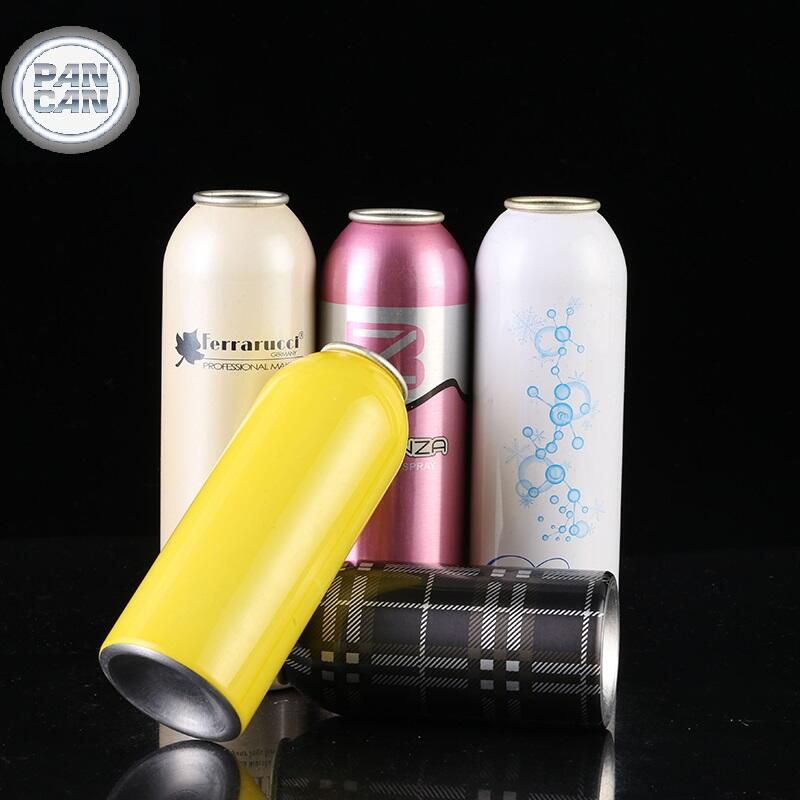
The surface characteristics of an aluminum aerosol bottle provide exceptional opportunities for customization and brand differentiation. Advanced printing and coating technologies achieve vibrant colors, complex graphics, and premium finishes that enhance product appeal and market positioning. The metal surface accepts various decoration techniques including lithography, digital printing, and embossing, enabling sophisticated branding strategies that may not be achievable with plastic alternatives.
Shape customization represents another advantage of aluminum aerosol bottle manufacturing, with forming processes capable of creating unique profiles that reinforce brand identity and functional benefits. The ability to incorporate functional design elements such as specialized dispensing heads, ergonomic features, and tamper-evident mechanisms enhances user experience while maintaining structural integrity. These customization capabilities enable manufacturers to create distinctive products that stand out in competitive markets while delivering superior performance.
Economic Considerations and Market Trends
Cost-Benefit Analysis and Total Ownership
The economic evaluation of aluminum aerosol bottle solutions requires analysis beyond initial material costs to encompass total cost of ownership throughout product lifecycles. While aluminum containers typically command higher upfront costs compared to plastic alternatives, their durability and reusability characteristics often result in lower total costs when evaluated over extended periods. The reduced risk of product loss due to container failure, extended shelf life, and enhanced brand perception create tangible economic benefits that offset initial investment premiums.
Market trends indicate growing consumer willingness to pay premium prices for sustainable packaging solutions, creating opportunities for manufacturers to recover higher material costs through improved product positioning. The aluminum aerosol bottle aligns with consumer preferences for environmentally responsible products while delivering superior performance characteristics that justify premium pricing strategies. This market dynamic enables manufacturers to achieve improved profit margins while meeting sustainability objectives.
Supply Chain Advantages and Risk Management
Supply chain considerations favor aluminum aerosol bottle solutions due to material availability, supplier diversity, and recycling infrastructure maturity. The established aluminum industry provides reliable supply sources with competitive pricing structures, reducing procurement risks compared to specialized plastic materials. The global nature of aluminum markets creates supply chain resilience that helps manufacturers maintain consistent production schedules despite regional disruptions.
Risk management benefits of aluminum aerosol bottle selection include reduced liability exposure from container failures and enhanced product protection during distribution. The material's resistance to damage during handling and transportation minimizes product loss and associated costs, while the superior barrier properties reduce quality claims and warranty expenses. These risk reduction benefits contribute to improved operational efficiency and customer satisfaction metrics across various market segments.
Frequently Asked Questions
What makes aluminum aerosol bottles more environmentally friendly than plastic alternatives
The environmental advantages of aluminum aerosol bottles stem from their infinite recyclability without quality degradation, energy efficiency in recycling processes, and superior durability that extends product lifecycles. Unlike plastic containers that typically degrade during recycling, aluminum maintains its original properties through multiple recycling cycles, creating a true circular economy solution. The energy required to recycle aluminum is significantly lower than producing new material, resulting in substantial carbon footprint reductions over time.
How do aluminum aerosol bottles perform in extreme temperature conditions
Aluminum aerosol bottles demonstrate exceptional performance across wide temperature ranges due to their thermal conductivity and dimensional stability characteristics. The material maintains consistent mechanical properties from freezing temperatures to elevated heat conditions, ensuring reliable dispensing and structural integrity. This temperature stability prevents the expansion and contraction issues common with plastic containers, maintaining precise internal pressures and spray characteristics regardless of environmental conditions.
Are aluminum aerosol bottles compatible with all types of product formulations
Modern aluminum aerosol bottles utilize advanced internal coating systems that provide compatibility with virtually all commercial product formulations. These specialized coatings create inert surfaces that prevent chemical interactions while maintaining the structural and barrier benefits of aluminum construction. Manufacturers can select appropriate coating systems based on specific product requirements, ensuring optimal compatibility for applications ranging from cosmetics to industrial chemicals.
What are the long-term cost implications of choosing aluminum over plastic aerosol containers
While aluminum aerosol bottles require higher initial investment compared to plastic alternatives, their superior durability, recyclability, and product protection capabilities often result in lower total cost of ownership. The extended shelf life, reduced product loss from container failures, and premium market positioning opportunities create economic benefits that typically exceed the initial cost differential. Additionally, the growing regulatory focus on sustainable packaging may create future cost advantages for aluminum solutions through tax incentives and reduced compliance costs.
Table of Contents
- Material Composition and Structural Advantages
- Environmental Impact and Sustainability Benefits
- Product Protection and Quality Preservation
- Manufacturing Efficiency and Design Flexibility
- Economic Considerations and Market Trends
-
Frequently Asked Questions
- What makes aluminum aerosol bottles more environmentally friendly than plastic alternatives
- How do aluminum aerosol bottles perform in extreme temperature conditions
- Are aluminum aerosol bottles compatible with all types of product formulations
- What are the long-term cost implications of choosing aluminum over plastic aerosol containers

