
 EN
EN


Reducing emissions in industrial supply chains now depends as much on packaging decisions as on energy procurement. For many B2B teams, aluminum packaging has moved from a simple containment choice to a strategic carbon lever because it can lower transport weight, improve material recovery, and support circular manufacturing models. When procurement, sustainability, and operations evaluate packaging formats together, aluminum packaging often stands out as a practical route to measurable emissions reduction without disrupting product quality or filling line reliability.
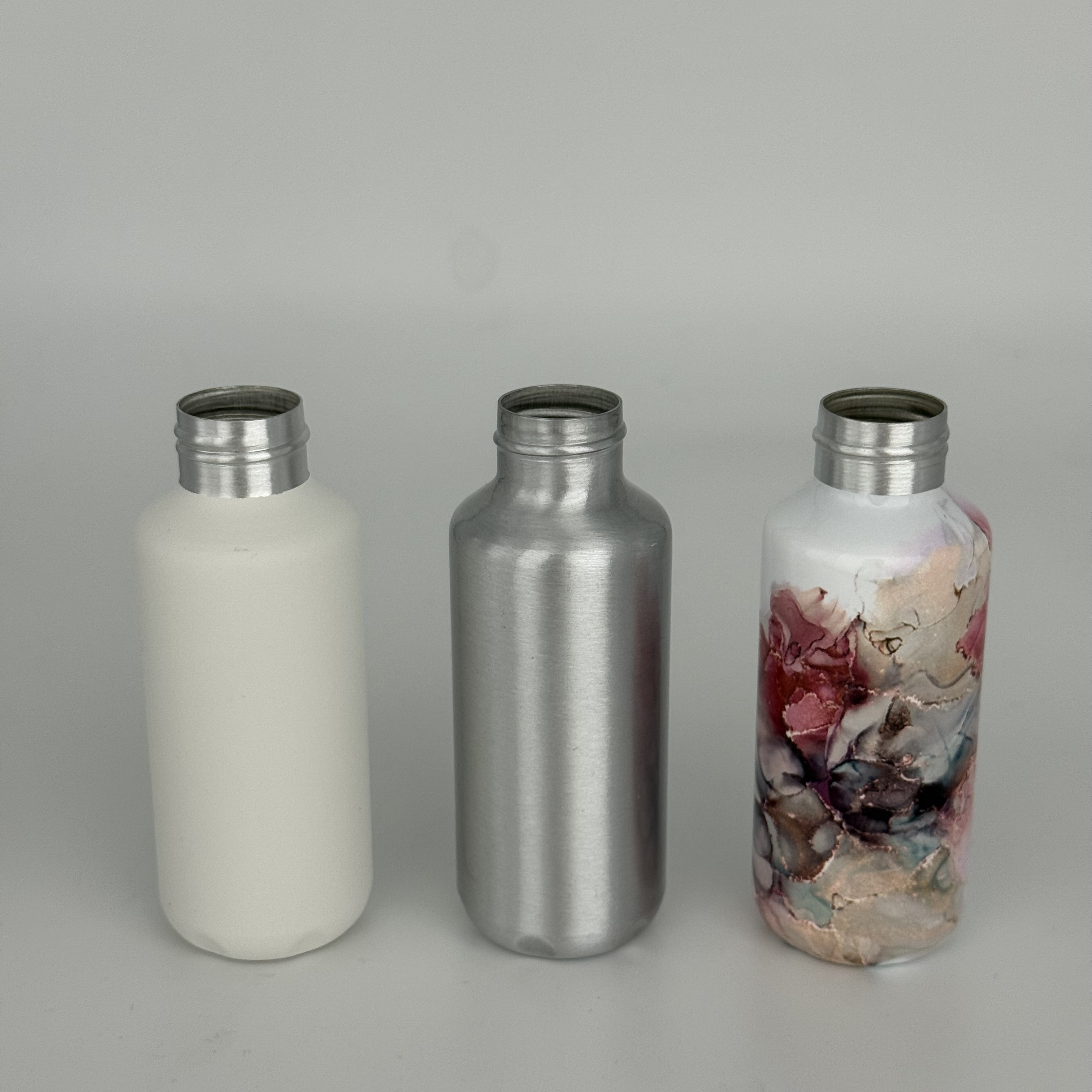
The reason aluminum packaging helps reduce carbon emissions is not one single feature, but a full lifecycle effect. Material efficiency, lightweight logistics, high recyclability, and repeated reprocessing all contribute to lower emissions intensity per unit delivered. In sectors such as personal care, household products, and industrial formulations, aluminum packaging can reduce Scope 3 pressure while still meeting strict performance and compliance requirements. Understanding these mechanisms is essential for teams that need credible decarbonization actions tied to business operations.
Lifecycle Carbon Logic Behind Aluminum Packaging
Embedded carbon and material efficiency in production
The first carbon advantage of aluminum packaging appears at the design stage, where wall thickness, geometry, and format optimization can reduce material use per container. Less material per unit means lower embedded emissions when multiplied across high production volumes. In B2B environments, even minor reductions in grams per unit can produce significant annual carbon savings across millions of shipments.
Aluminum packaging also supports tighter engineering tolerances, which helps minimize defects and scrap during conversion and filling operations. Lower scrap rates reduce rework energy and wasted inbound material, two sources of hidden emissions in packaging systems. This operational discipline makes aluminum packaging relevant not only to sustainability teams but also to plant managers focused on yield and efficiency.
When buyers assess lifecycle impact, they should look beyond headline material type and evaluate process consistency, reject rates, and manufacturing control. Aluminum packaging performs well when these factors are integrated into supplier qualification and continuous improvement programs. That is where lifecycle carbon outcomes become repeatable rather than occasional.
Closed-loop potential and repeated material recovery
A major reason aluminum packaging reduces emissions is its compatibility with circular recovery systems. Aluminum can be recycled repeatedly with minimal loss of functional properties, allowing recovered material to re-enter production streams. Each successful recovery cycle can reduce demand for virgin input and lower associated carbon intensity over time.
From a carbon accounting perspective, aluminum packaging creates a stronger pathway for long-term emissions reduction because recovery is technically and economically viable in many markets. Circularity is not only an environmental concept; it directly influences procurement cost stability and future carbon exposure. For B2B organizations, that combination makes aluminum packaging a strategic planning tool rather than a short-term compliance response.
The practical implication is clear: carbon performance improves most when packaging selection is linked to collection, sorting, and recycled-content strategies. Aluminum packaging is especially effective when companies define recovery-oriented KPIs and align commercial contracts with recycling outcomes. This turns circular intent into measurable emissions performance.
Transport and Distribution Emissions Reduction in Real Operations
Lightweighting effects on freight emissions
Freight is often one of the largest contributors to packaging-related emissions, especially in multi-region distribution networks. Aluminum packaging can reduce transport emissions by lowering total shipment weight while maintaining structural integrity. Lighter payloads improve fuel efficiency per delivered unit across road, sea, and intermodal routes.
In high-throughput B2B channels, the carbon impact of lightweight aluminum packaging compounds quickly. More units per load and fewer transport cycles reduce emissions intensity at scale, which is critical for organizations managing thousands of deliveries. This logistics advantage is one of the most immediate and operationally visible benefits of aluminum packaging.
Transport savings are strongest when packaging design is coordinated with palletization and warehouse handling standards. Aluminum packaging supports this coordination because it can be engineered for efficient cube utilization and stable stacking profiles. Better load efficiency means lower emissions per cubic meter moved through the network.
Damage reduction and reverse-logistics implications
Carbon performance is also affected by product loss, returns, and replacement shipments. Durable aluminum packaging helps reduce damage risks in handling and transit, limiting the emissions burden associated with remanufacture and reshipment. Fewer damaged goods translate into lower total lifecycle emissions per saleable unit.
Reverse logistics can quietly increase Scope 3 emissions when packaging failure rates are high. Aluminum packaging reduces this burden by improving protection consistency under variable shipping conditions. For operations teams, this means sustainability gains are reinforced by better service levels and reduced disruption costs.
The broader benefit is that aluminum packaging aligns carbon reduction with resilience. Companies do not need to trade off environmental targets against distribution reliability when the packaging system is engineered for both. That balance is essential for industrial buyers managing strict delivery commitments.
Manufacturing and Filling Line Advantages That Support Decarbonization
Process compatibility and energy efficiency
Decarbonization programs succeed faster when new materials integrate with existing operations. Aluminum packaging is widely compatible with automated filling, sealing, and inspection processes, reducing the need for energy-intensive line modifications. Smooth integration helps avoid transitional inefficiencies that can temporarily increase emissions.
Consistent form factors in aluminum packaging also support stable machine performance and predictable cycle times. Stable throughput reduces stop-start conditions that waste energy and increase reject rates. Over long production runs, these efficiencies contribute to measurable emissions improvement per packaged unit.
For industrial decision-makers, this matters because carbon strategy is implemented on factory floors, not only in policy documents. Aluminum packaging gives operations teams a practical way to align line performance with sustainability goals. That operational fit is a core reason it delivers real-world emissions benefits.
Waste minimization and quality control outcomes
Quality losses in packaging lines generate hidden emissions through wasted product, wasted material, and extra utility consumption. Aluminum packaging can help lower this waste through dimensional consistency and strong barrier performance. Better quality stability reduces off-spec output and associated reprocessing requirements.
When companies map carbon hotspots, production waste often appears as a controllable source of avoidable emissions. Aluminum packaging supports corrective action by enabling tighter specification control and more predictable quality results. This is especially relevant in regulated B2B categories where batch integrity and traceability are critical.
Procurement teams can strengthen these gains by selecting partners with transparent quality systems and lifecycle data. A useful reference point is aluminum packaging designed for lightweight performance and process consistency. The right specification framework ensures carbon reduction claims are supported by operational evidence.
Strategic Business Value of Aluminum Packaging for Carbon Targets
Alignment with Scope 3 reporting and procurement policy
Many B2B firms now face stronger disclosure expectations for value-chain emissions. Aluminum packaging supports Scope 3 management by offering a clear pathway to lower transport impact, higher recovery potential, and reduced waste intensity. This makes reporting more credible when emissions reductions are tied to documented packaging changes.
From a procurement perspective, aluminum packaging can be embedded into sourcing policies that prioritize lifecycle performance over unit-price-only decisions. Carbon-aware procurement models increasingly evaluate total cost of ownership, including freight, recovery outcomes, and compliance risk. Under that framework, aluminum packaging often provides balanced performance across financial and environmental metrics.
The key is to define measurable criteria before supplier selection, including recycled-content strategy, defect rates, and logistics efficiency. Aluminum packaging delivers the strongest carbon outcome when these criteria are contractually managed and reviewed through periodic performance cycles. Structured governance turns intent into sustained emissions reduction.
Long-term resilience in decarbonizing supply chains
Carbon reduction is no longer a one-year initiative; it is a continuous competitiveness requirement. Aluminum packaging supports long-term resilience because it fits circular economy policies and evolving customer expectations for lower-impact products. Companies that standardize aluminum packaging early can adapt faster as regulatory and market conditions tighten.
There is also a risk-management dimension. Packaging systems with stronger recovery pathways and transport efficiency are less exposed to future carbon cost volatility. In this context, aluminum packaging is both a sustainability measure and a strategic hedge against rising emissions-related operating pressure.
For leadership teams, the practical takeaway is that aluminum packaging creates cumulative value: lower emissions, steadier operations, and better readiness for future reporting demands. Decarbonization works best when environmental gains reinforce core business performance. That is exactly where aluminum packaging delivers sustained impact.
FAQ
How quickly can aluminum packaging reduce carbon emissions after implementation?
The fastest effects usually appear in transport and distribution because lightweight aluminum packaging lowers shipment weight immediately. Additional reductions build over time as recovery rates improve and recycled material use expands. Most B2B firms see phased benefits rather than a single step change, with operational KPIs confirming progress.
Does aluminum packaging only help in consumer sectors, or also in industrial supply chains?
Aluminum packaging is highly relevant in industrial supply chains because emissions drivers such as freight, damage rates, and production waste are common across sectors. Its durability and process compatibility make it suitable for high-volume B2B operations. The carbon benefits are often stronger when deployment is scaled across multiple product lines.
What should procurement teams verify before switching to aluminum packaging?
Procurement teams should verify lifecycle data quality, manufacturing consistency, recycled-content strategy, and compatibility with existing filling lines. They should also assess logistics performance, including pallet efficiency and damage rates. Aluminum packaging performs best when technical specifications and carbon objectives are managed together.
Can aluminum packaging support both emissions goals and cost control?
Yes, in many cases aluminum packaging supports both by reducing freight burden, lowering waste-related losses, and improving process stability. Financial outcomes depend on volume, network design, and recovery performance, so evaluation should use total cost of ownership rather than unit price alone. This integrated view shows why aluminum packaging is often chosen in serious decarbonization programs.
Table of Contents
- Lifecycle Carbon Logic Behind Aluminum Packaging
- Transport and Distribution Emissions Reduction in Real Operations
- Manufacturing and Filling Line Advantages That Support Decarbonization
- Strategic Business Value of Aluminum Packaging for Carbon Targets
-
FAQ
- How quickly can aluminum packaging reduce carbon emissions after implementation?
- Does aluminum packaging only help in consumer sectors, or also in industrial supply chains?
- What should procurement teams verify before switching to aluminum packaging?
- Can aluminum packaging support both emissions goals and cost control?

