
 EN
EN


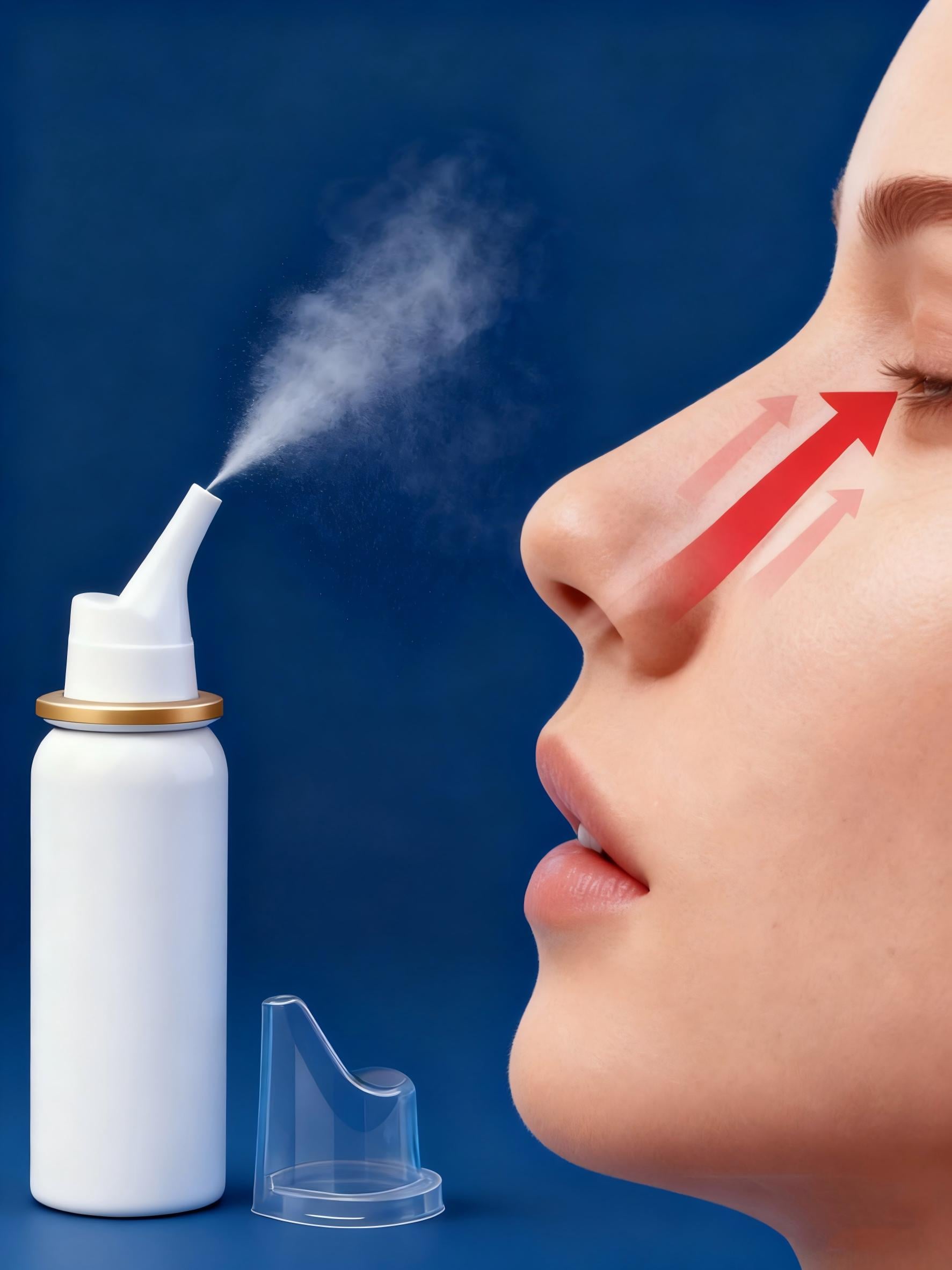
For brand owners in personal care, household, automotive, and specialty chemical markets, packaging is no longer a secondary decision. It directly shapes shelf impact, regulatory confidence, filling efficiency, and long-term margin performance. A custom aluminum aerosol can strategy gives brands tighter control over these outcomes because the can is engineered around the product formula, spray behavior, logistics model, and visual identity rather than forcing the product into a standard format. When teams treat the custom aluminum aerosol can as a strategic asset, they reduce costly redesign loops and move from reactive packaging decisions to planned commercialization.
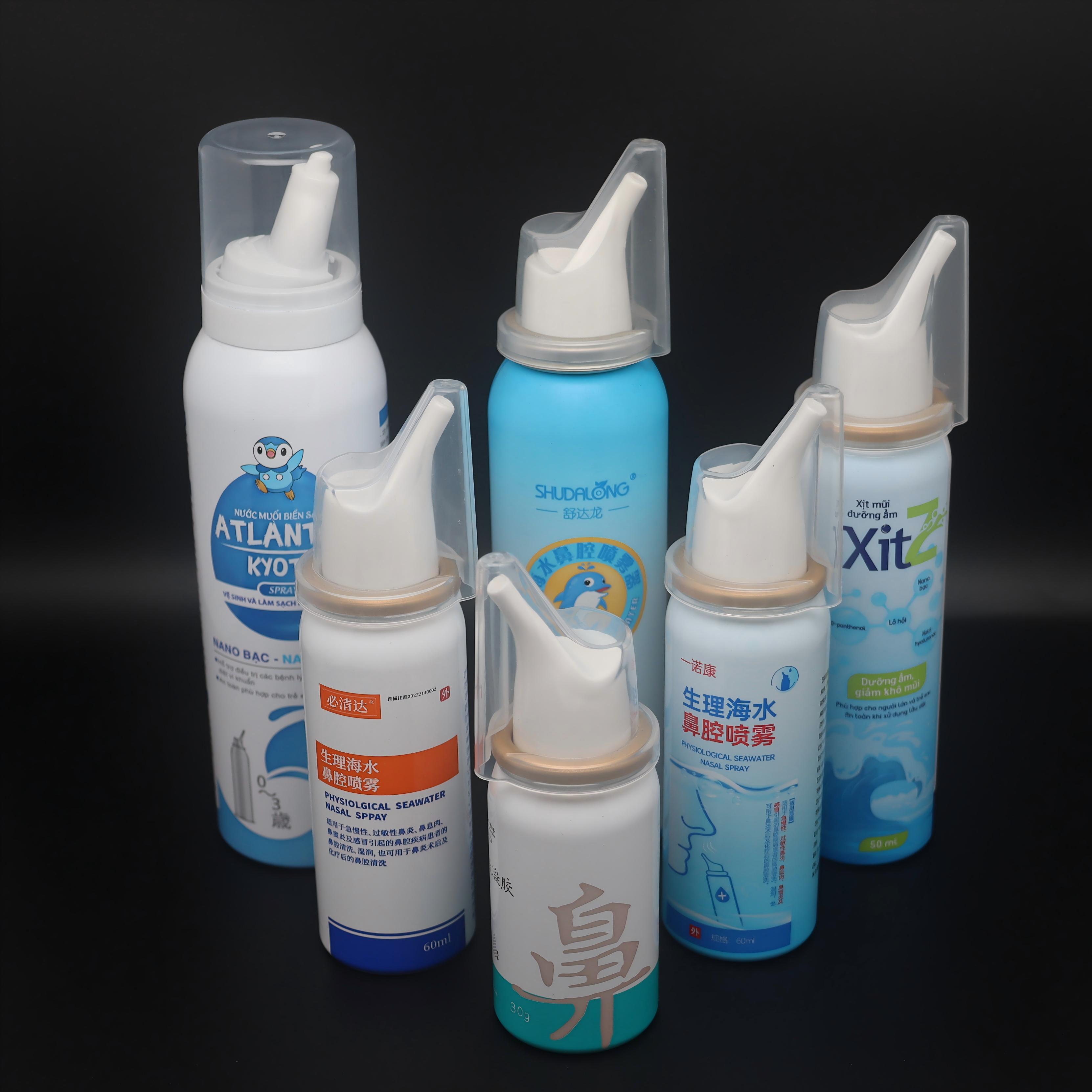
The practical value of a custom aluminum aerosol can solution is that it aligns technical performance and brand expression in one package architecture. Instead of compromising on can dimensions, shoulder profile, pressure resistance, coating compatibility, or print execution, brands can define functional and commercial targets first and then configure the can to match. This approach is especially important for companies launching new product lines, entering higher-value retail channels, or tightening quality consistency across regions. In each case, the custom aluminum aerosol can becomes a core part of product-market fit.
Strategic Value of Customization for Growing Brands
Packaging as a market-positioning tool
A custom aluminum aerosol can helps a brand communicate quality before the first use. Diameter, height, shoulder geometry, and finish all influence perceived precision and category relevance at point of sale. In competitive aisles, even small structural differences can separate a premium line from a commodity line, which is why many teams now include custom aluminum aerosol can development in early branding workshops. This creates a direct bridge between marketing positioning and physical packaging execution.
For B2B buyers, a custom aluminum aerosol can also signals process maturity. Distributors and private label partners often interpret tailored packaging as evidence of stable forecasting, better documentation, and stronger lifecycle planning. That perception can improve negotiation outcomes because the product appears less interchangeable. A brand that invests in custom aluminum aerosol can design typically gains stronger control over how it is evaluated by channel partners.
Commercial impact across the product lifecycle
The lifecycle economics of a custom aluminum aerosol can are often better than expected when evaluated beyond unit price. Better fit with valve systems and actuators can reduce filling disruptions, while optimized wall and base parameters can improve handling reliability during transport. These operational gains reduce hidden costs that are rarely visible in first-round procurement comparisons. Over time, the custom aluminum aerosol can supports a more predictable cost-to-serve model.
Customization also reduces change-management friction during product line extensions. When brands add new scents, functions, or formula variants, a validated custom aluminum aerosol can platform can be reused with controlled modifications to decoration and labeling. This shortens launch timelines and keeps compliance files cleaner. The result is faster commercialization with lower packaging risk.
Technical Building Blocks of a Custom Can Program
Dimensional and structural configuration
A high-performing custom aluminum aerosol can starts with dimensional logic tied to use case and filling line constraints. Teams define volume range, can height, body diameter, shoulder shape, and neck format based on spray duration targets, ergonomics, and carton efficiency. This is not only a design exercise; it is an engineering decision that influences pressure behavior and downstream compatibility. The most successful programs treat custom aluminum aerosol can geometry as a cross-functional parameter set, not a visual preference.
Structural choices should also account for regional logistics and storage conditions. Stacking loads, transit vibration, and temperature exposure affect can integrity over the product journey. A properly designed custom aluminum aerosol can includes safety margins that protect performance without creating unnecessary material overhead. That balance is central to both reliability and sustainability messaging.
Internal coating and formula compatibility
Internal chemistry is a major factor in custom aluminum aerosol can success, especially for active formulas and aggressive solvent systems. Coating selection must be aligned with pH profile, propellant type, and long-term contact behavior to avoid corrosion, contamination, or sensory drift. Early compatibility testing prevents late-stage failures that can delay launch windows. Brands that formalize this step generally see smoother approvals and fewer post-market issues.
In practical terms, a custom aluminum aerosol can program should include defined test protocols for storage simulation, pressure stability, and product interaction checkpoints. This converts quality from a final inspection event into a controlled development pathway. It also supports clearer communication between technical, regulatory, and commercial teams. The custom aluminum aerosol can then functions as a validated system rather than an isolated packaging component.
From Concept to Production: Implementation Workflow
Cross-functional briefing and requirement mapping
Implementation begins with a structured brief that translates market goals into engineering and operational requirements. Product managers define positioning and price architecture, technical teams specify formula behavior, and operations teams outline line capabilities and throughput constraints. These inputs shape the custom aluminum aerosol can specification before any tooling or artwork decisions are finalized. Strong alignment at this stage prevents costly redesign later.
A practical brief should include expected annual volume, target channels, decoration complexity, and shipping model. It should also clarify whether the custom aluminum aerosol can will serve a single SKU or a broader family platform. This affects tolerance strategy and future scalability. When requirement mapping is disciplined, project teams avoid fragmented decisions and maintain schedule control.
Prototype validation and scale-up readiness
Prototype rounds are where a custom aluminum aerosol can concept is converted into measurable performance. Samples are evaluated for dimensional accuracy, line compatibility, spray consistency, and visual execution under real handling conditions. Teams should validate not only the can body but the integrated package behavior with valve, actuator, and cap systems. This full-system view is essential for reliable scale-up.
During scale-up, documentation quality becomes as important as physical performance. Clear tolerances, inspection criteria, and acceptance ranges help manufacturing and quality teams respond quickly when variation occurs. For procurement teams, this reduces uncertainty and supports better forecasting confidence. A disciplined custom aluminum aerosol can validation path turns launch readiness into an evidence-based decision.
When brands are ready to move from concept to industrial execution, sourcing a custom aluminum aerosol can with defined mold parameters and quality controls helps lock in consistency from early production batches onward.
Design, Compliance, and Long-Term Brand Control
Decoration strategy and visual consistency
A custom aluminum aerosol can should be designed for repeatable visual quality across production lots, not just initial artwork impact. Surface finish, color management, and print registration tolerances all influence whether a brand looks stable in market over time. In B2B supply chains, visual inconsistency can trigger returns, relabeling costs, or channel friction. That is why leading teams treat decoration governance as part of core packaging quality.
Visual planning should also account for regulatory text density and multilingual requirements where applicable. A custom aluminum aerosol can with properly allocated print zones avoids crowding critical safety or usage information. This improves readability and protects brand trust during audits or distributor reviews. The package remains both attractive and operationally compliant.
Governance for multi-SKU and multi-region growth
As brands expand, the custom aluminum aerosol can program needs governance rules that keep complexity manageable. Standardized specification templates, revision controls, and approval workflows reduce the risk of uncontrolled variation between SKUs. This is especially useful when multiple internal teams or co-packing partners are involved. Governance discipline protects consistency while still allowing product-level flexibility.
For regional expansion, a custom aluminum aerosol can strategy should include a change-control framework for local labeling, transport requirements, and channel constraints. Instead of rebuilding packaging from scratch for each market, brands can adapt validated core structures through controlled modifications. This shortens expansion cycles and reduces requalification effort. Over time, the custom aluminum aerosol can becomes a scalable platform for profitable growth.
FAQ
What is the main business advantage of a custom aluminum aerosol can for B2B brands?
The main advantage is control. A custom aluminum aerosol can aligns technical performance, branding, and operational fit in one system, which lowers rework risk and improves launch reliability. It also supports stronger positioning in channels where packaging quality influences buyer confidence. For many brands, this combination creates measurable commercial and operational value.
How early should a team start custom aluminum aerosol can development in a launch plan?
Development should start at the same time as formula and positioning discussions, not after them. Early planning allows geometry, coating, decoration, and filling constraints to be solved together. This avoids late conflicts between marketing intent and production reality. In practice, early integration shortens timeline pressure near launch.
Can one custom aluminum aerosol can platform support multiple SKUs?
Yes, in many cases a core custom aluminum aerosol can platform can support multiple SKUs through controlled variation in print, labeling, and sometimes valve-actuator combinations. The key is to define which parameters remain fixed and which can flex without affecting quality or compliance. This approach improves scale efficiency while preserving brand coherence. It is widely used for structured portfolio growth.
How does a custom aluminum aerosol can affect long-term packaging risk?
A properly validated custom aluminum aerosol can reduces long-term risk by replacing assumptions with documented performance criteria. Compatibility testing, tolerance control, and formal change management reduce the chance of quality drift as volumes grow. It also improves traceability when troubleshooting is required. The result is a more stable packaging foundation across the product lifecycle.
Table of Contents
- Strategic Value of Customization for Growing Brands
- Technical Building Blocks of a Custom Can Program
- From Concept to Production: Implementation Workflow
- Design, Compliance, and Long-Term Brand Control
-
FAQ
- What is the main business advantage of a custom aluminum aerosol can for B2B brands?
- How early should a team start custom aluminum aerosol can development in a launch plan?
- Can one custom aluminum aerosol can platform support multiple SKUs?
- How does a custom aluminum aerosol can affect long-term packaging risk?

