monobloc aerosol can factory
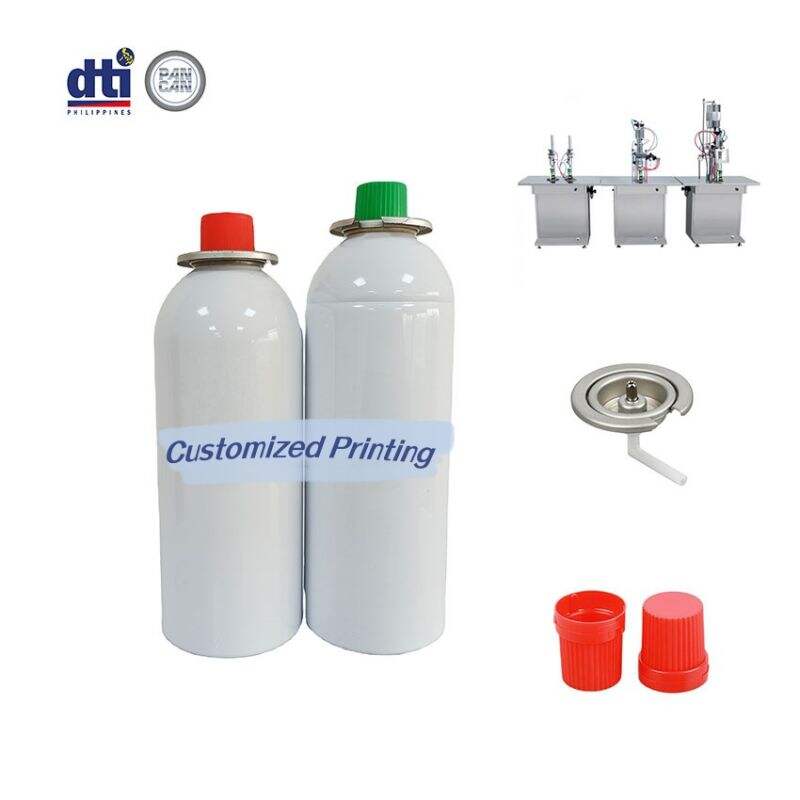
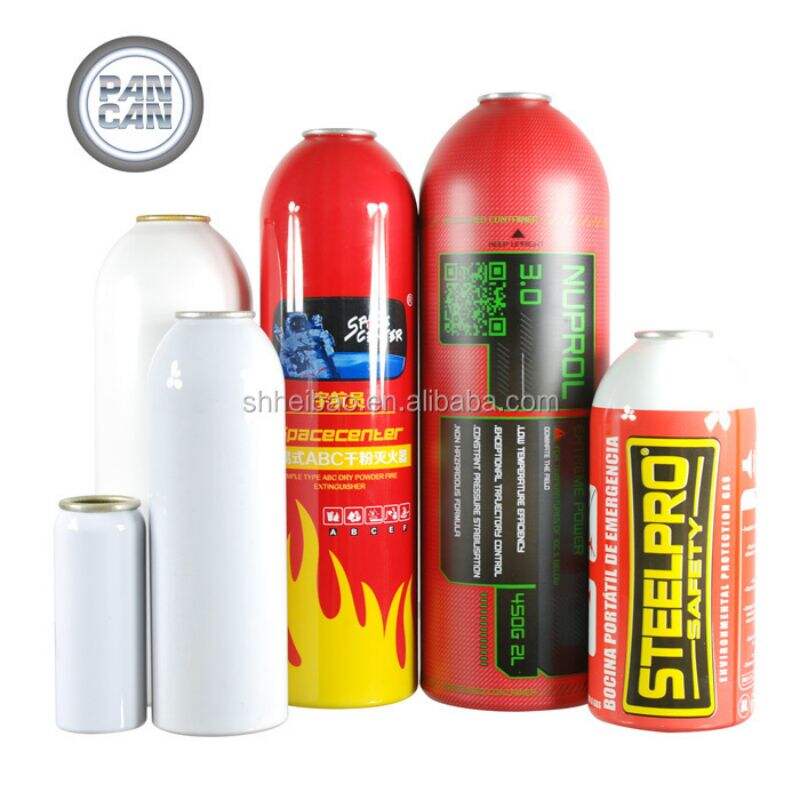
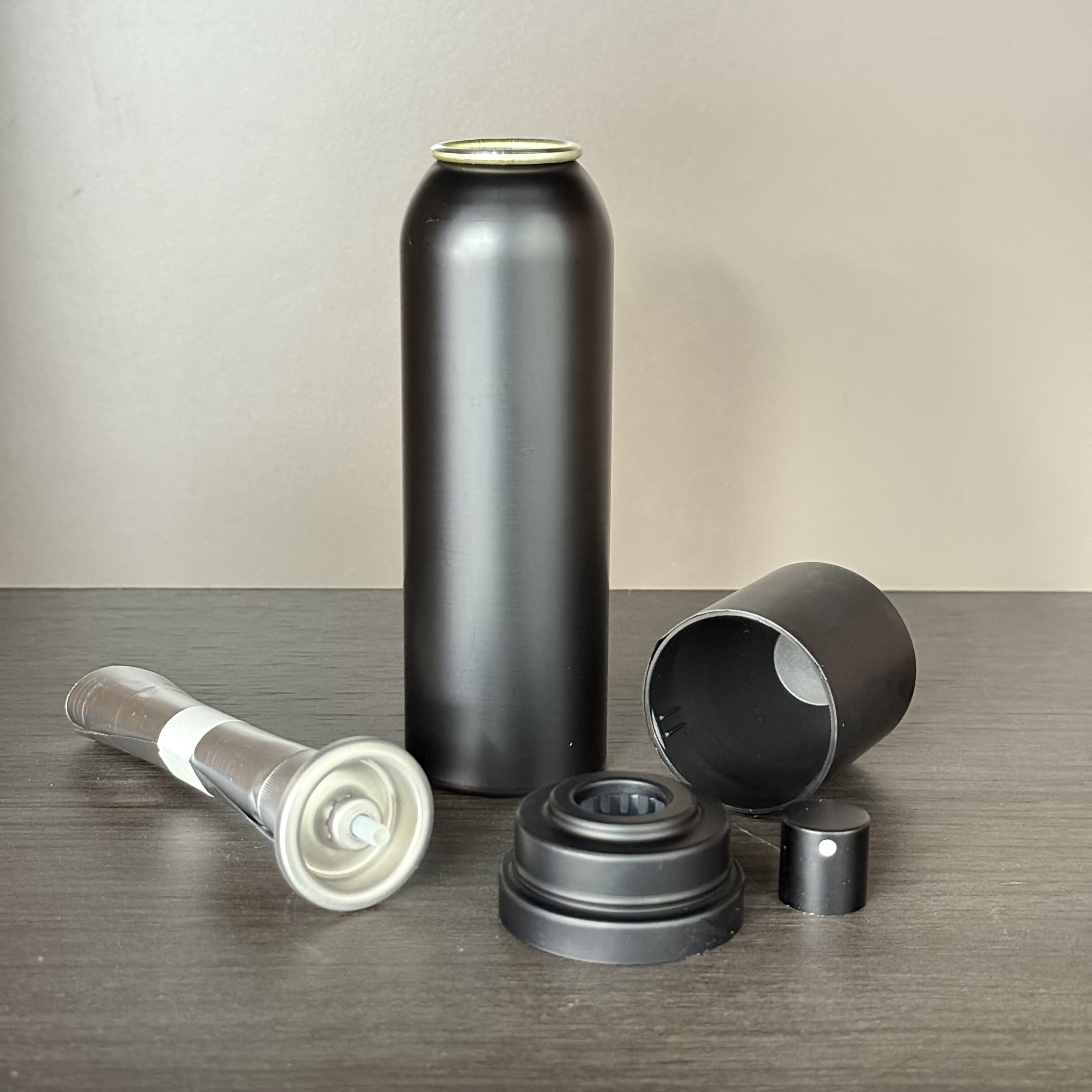
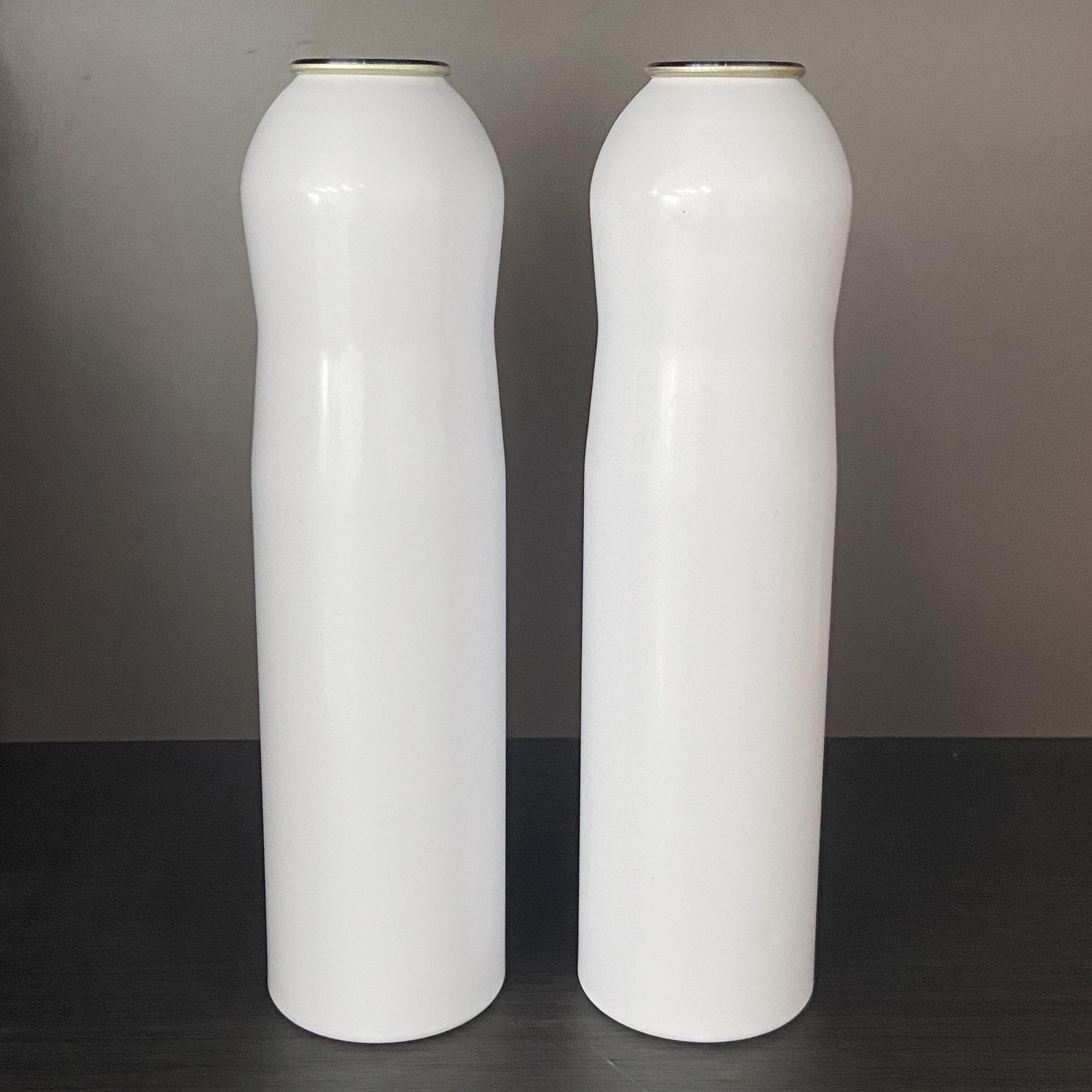
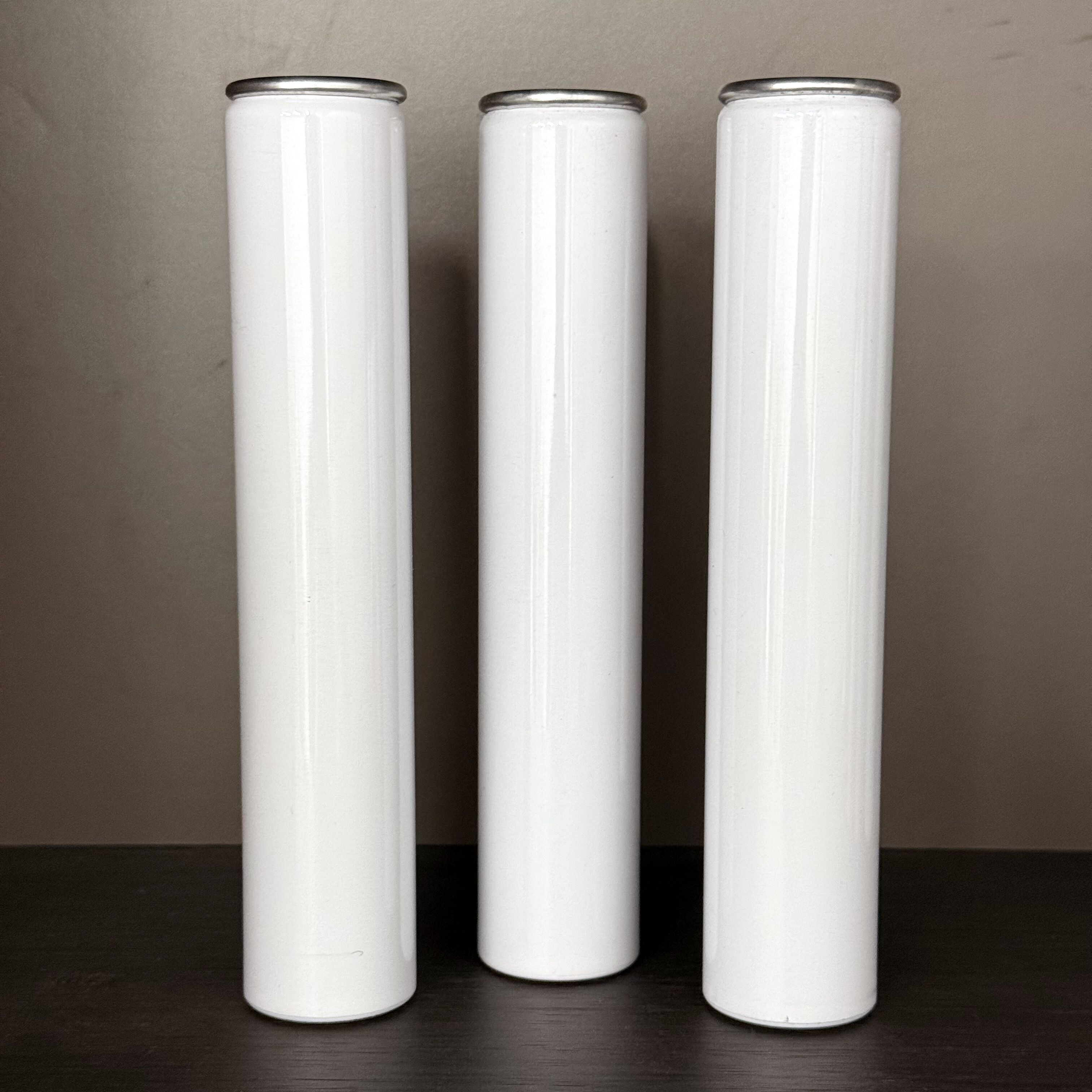
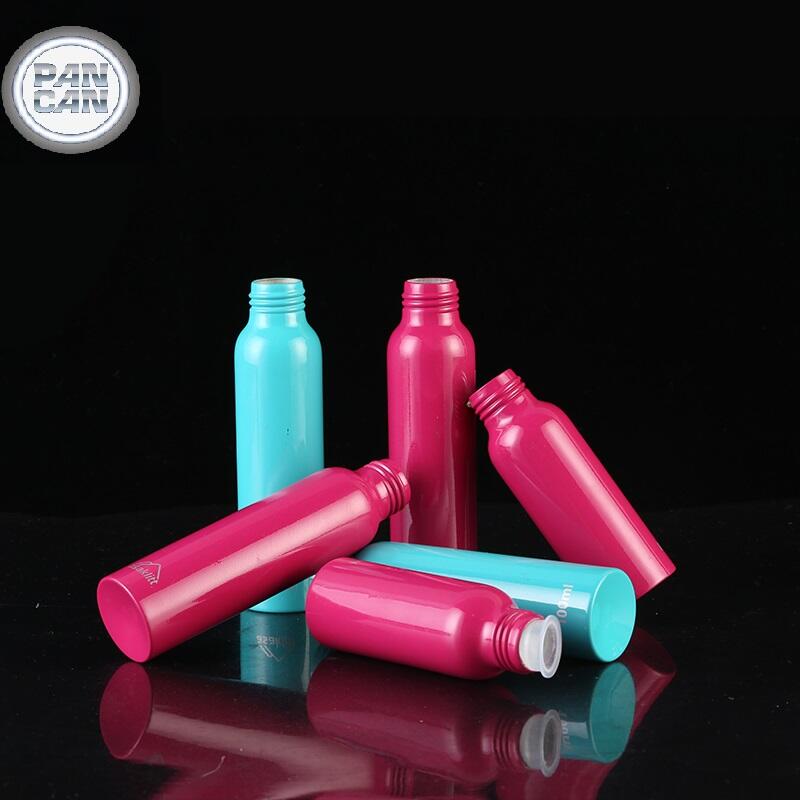
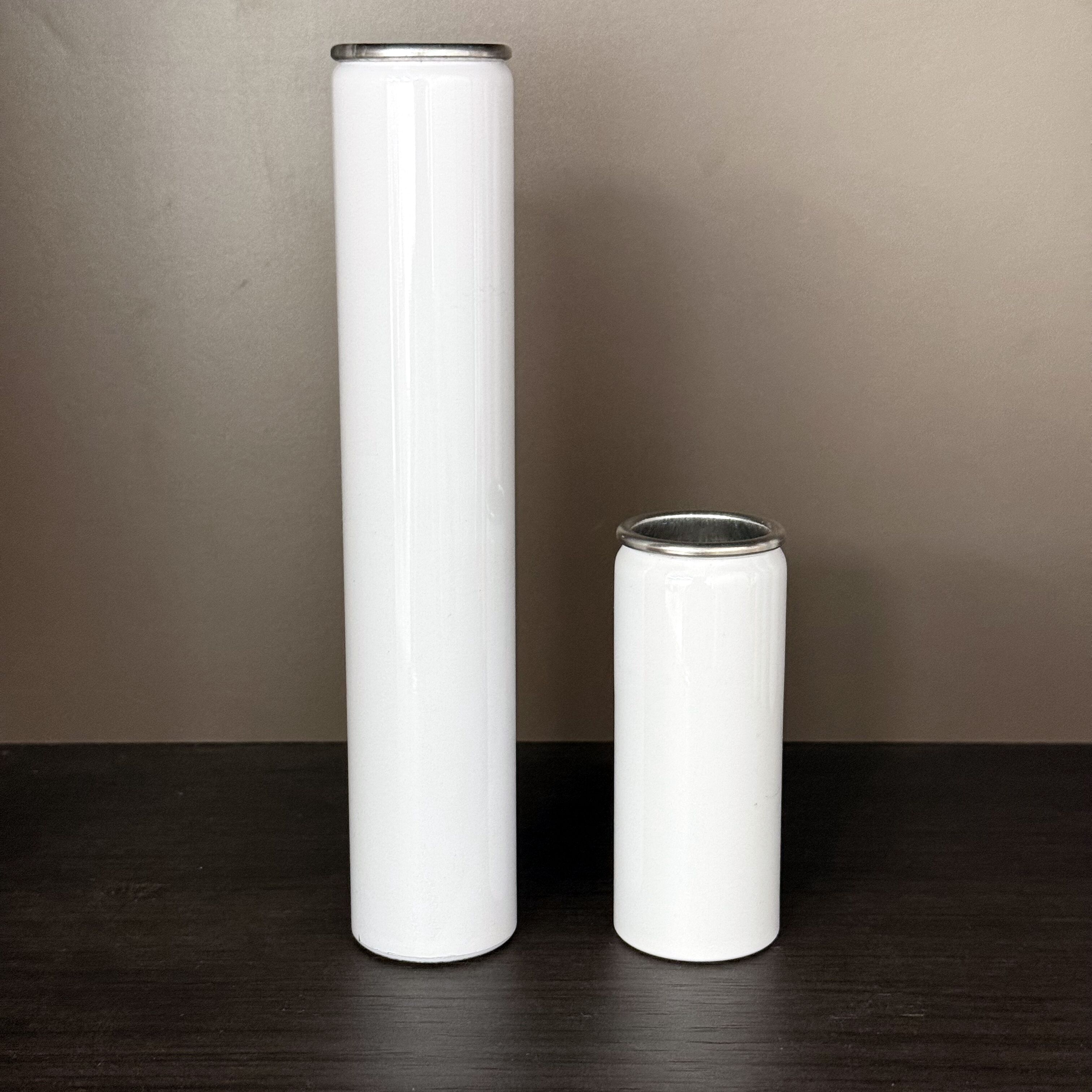
A monobloc aerosol can factory represents a specialized manufacturing facility designed to produce seamless aerosol containers through advanced metal forming processes. This type of production plant creates aerosol cans from a single piece of metal, eliminating the need for separate components or seams that could compromise structural integrity. The monobloc aerosol can factory utilizes sophisticated machinery including impact extrusion presses, drawing and ironing equipment, coating lines, and valve mounting systems to transform raw aluminum or tinplate into finished aerosol containers. The primary function of these facilities centers on delivering high-volume production capabilities while maintaining consistent quality standards across millions of units. These factories typically process metal slugs or sheets through multiple stages including cup forming, body drawing, trimming, washing, coating application both internally and externally, printing decorative designs, valve crimping, and final quality inspection. The technological features embedded within a monobloc aerosol can factory include computerized process control systems that monitor every production parameter, automated material handling solutions that reduce manual intervention, precision tooling that ensures dimensional accuracy within tight tolerances, and integrated quality assurance protocols that detect defects in real-time. Applications for products manufactured in these facilities span numerous industries including personal care products such as deodorants and hair sprays, household cleaners, automotive products like spray paints and lubricants, pharmaceutical preparations including topical medications and wound care sprays, food industry applications for whipped cream and cooking sprays, and industrial uses encompassing technical aerosols and specialized coatings. The monobloc aerosol can factory serves as a critical component in the global packaging supply chain, supporting brands that require reliable, sustainable, and cost-effective aerosol delivery systems for their products.

 EN
EN