Enhanced Brand Presentation and Market Differentiation
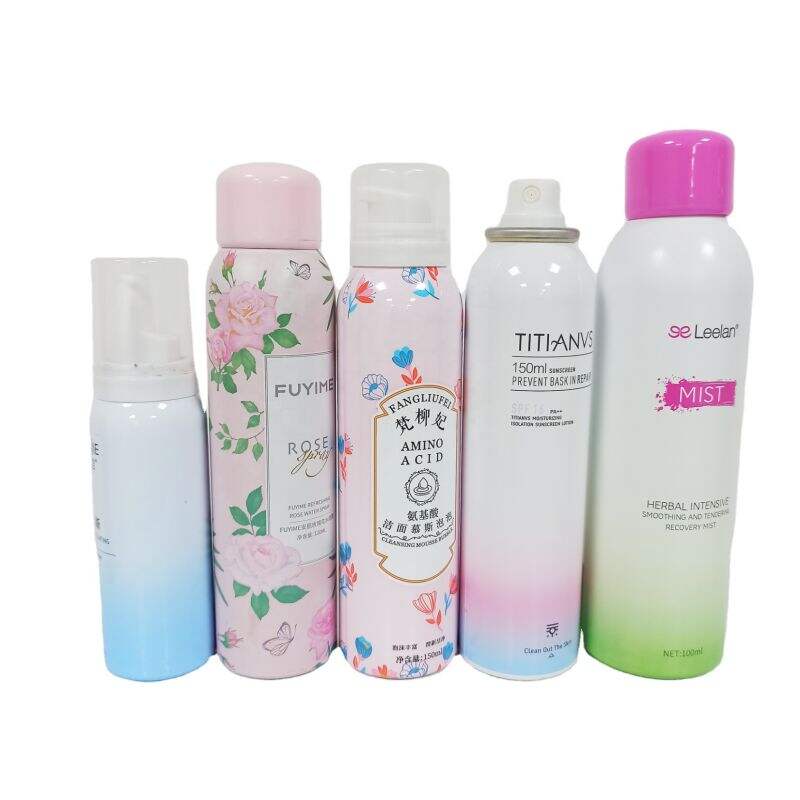
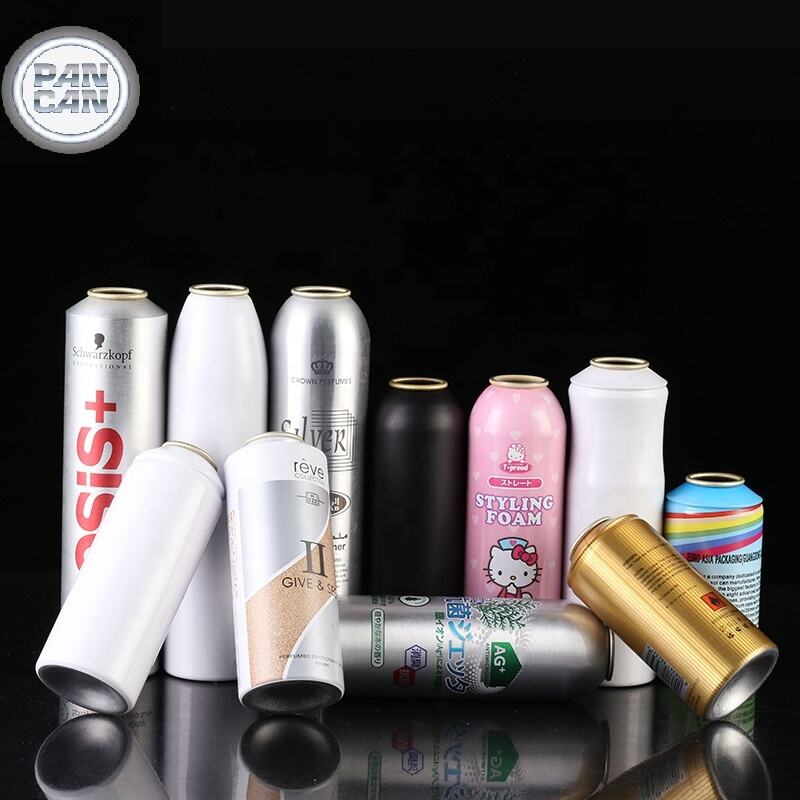
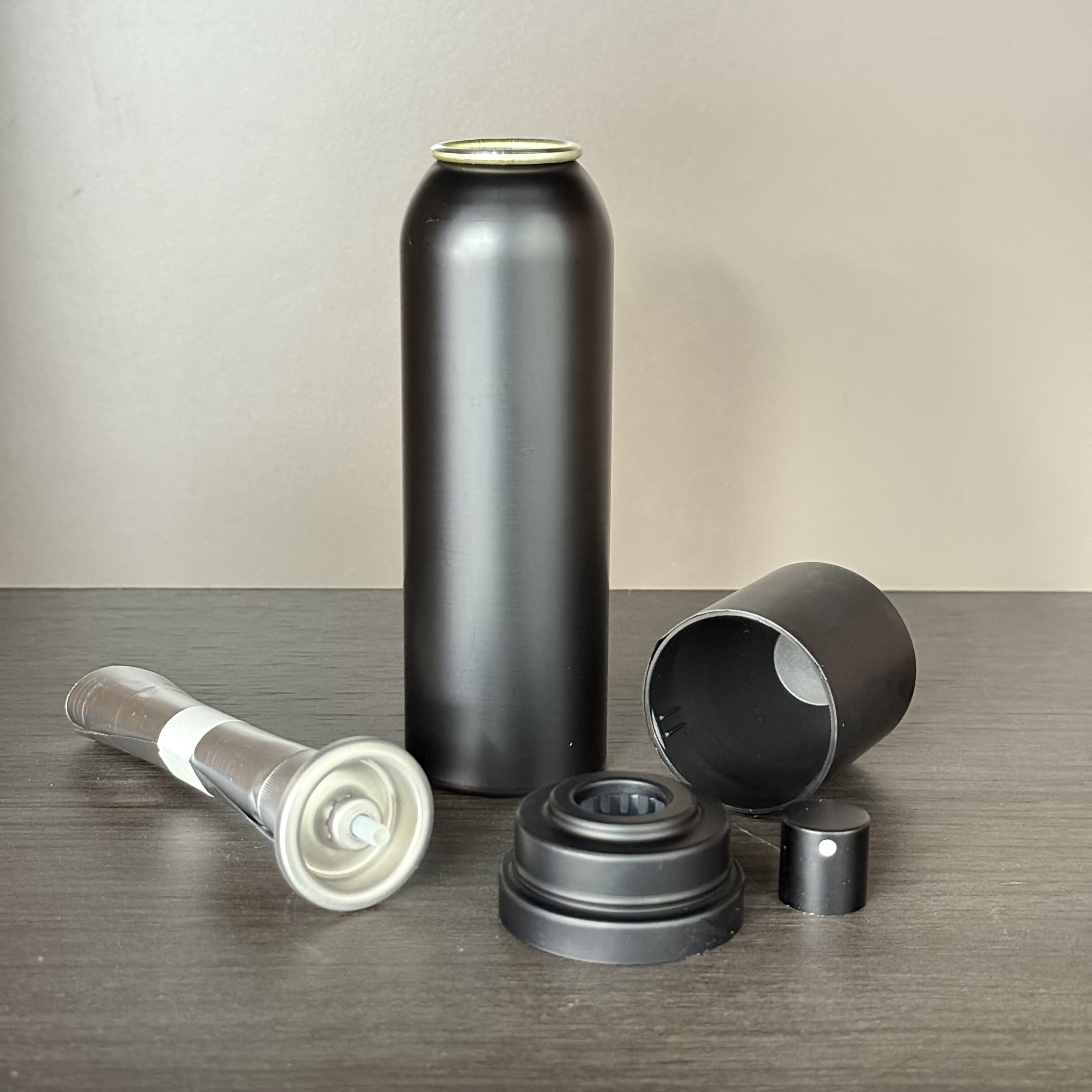
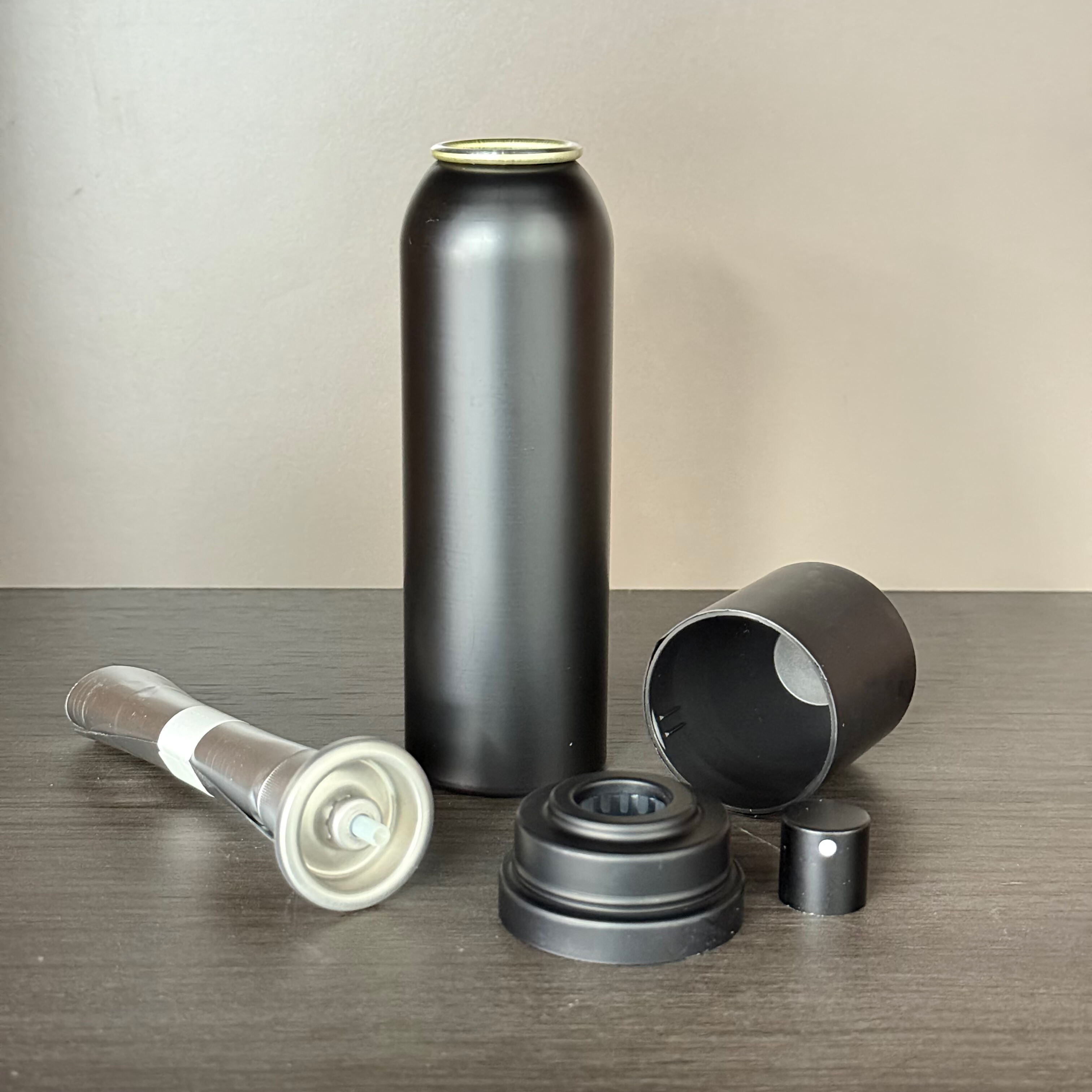
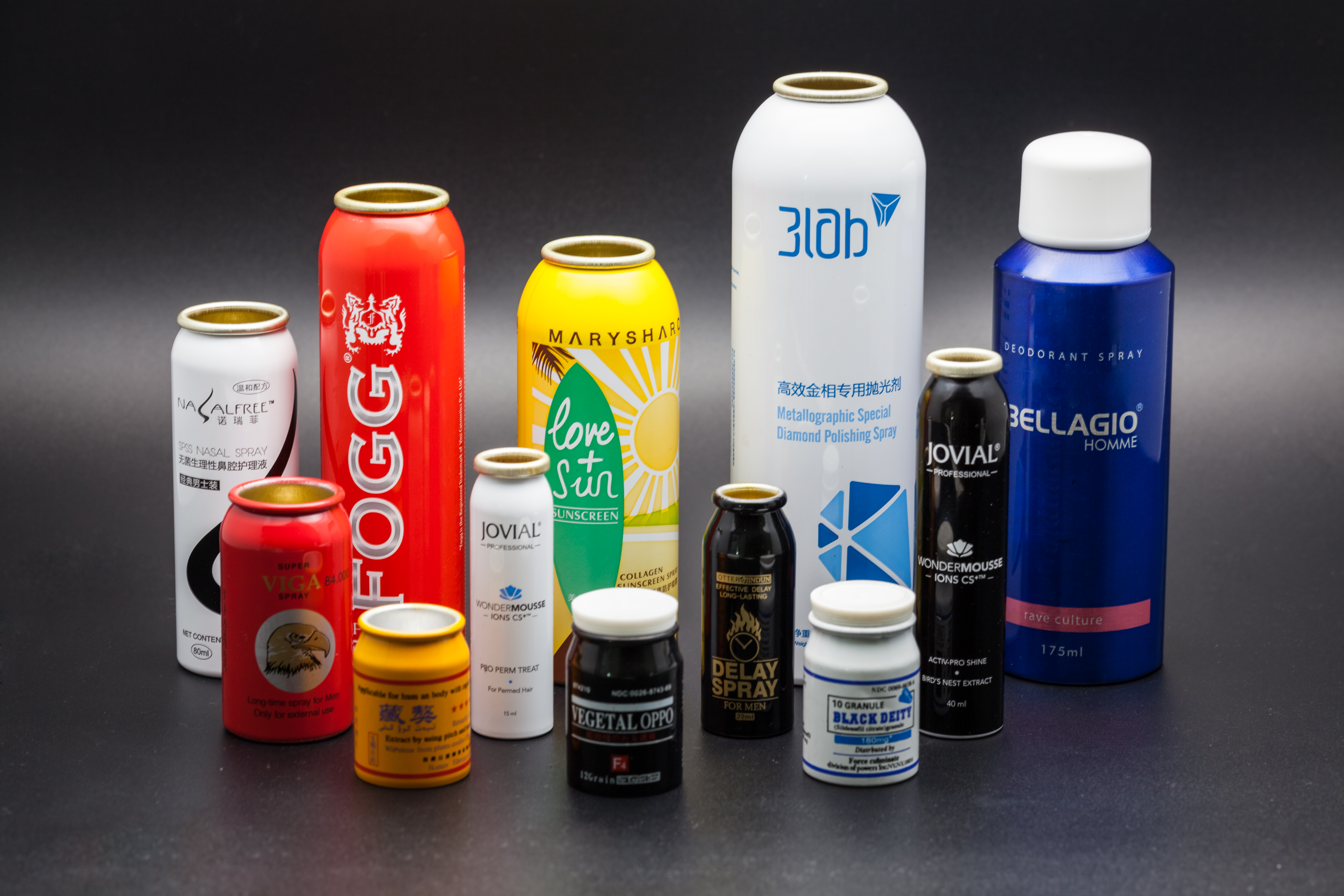
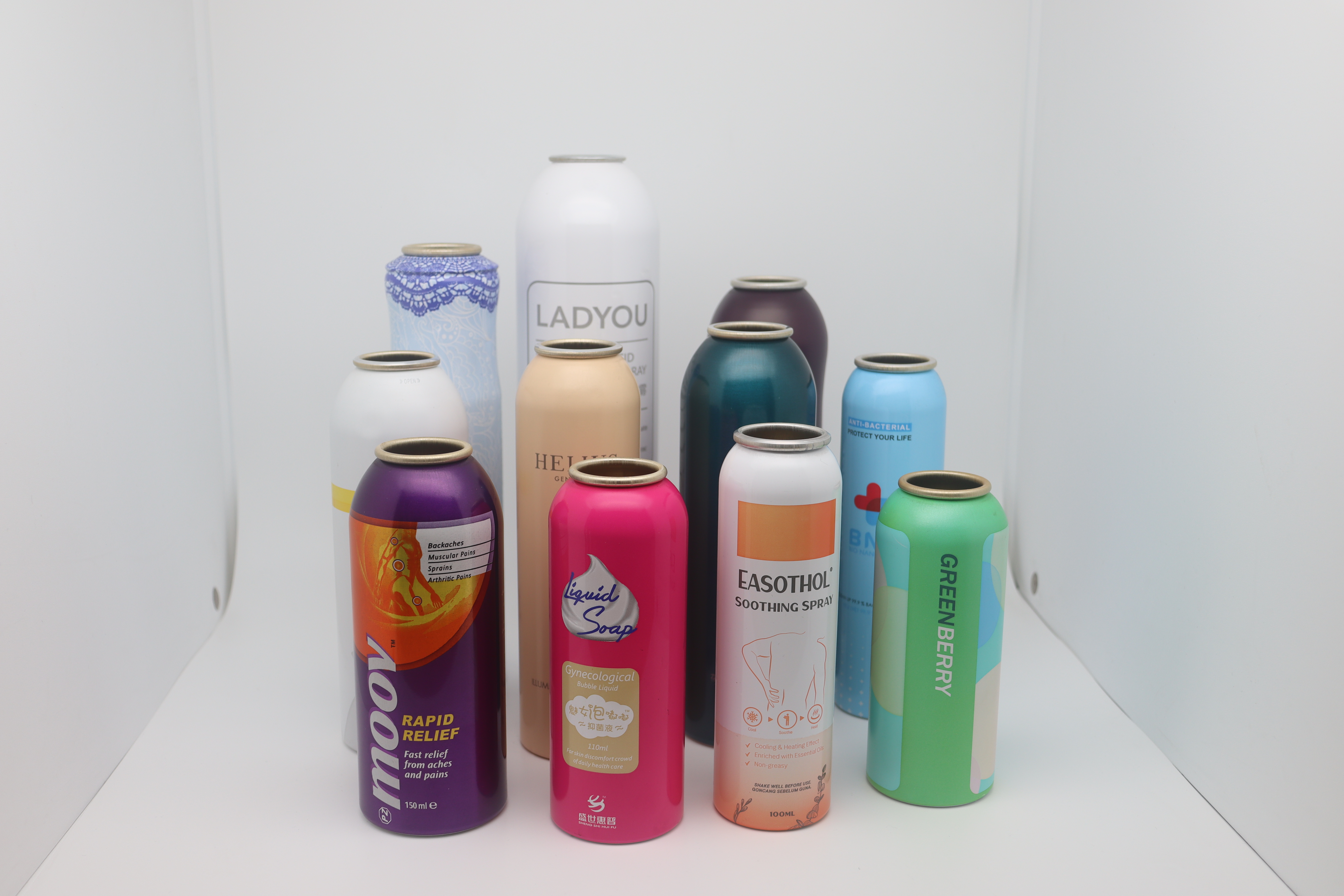
The monobloc aerosol can advantages provide exceptional opportunities for brand presentation and market differentiation that elevate product positioning and strengthen consumer engagement in competitive retail environments. The perfectly smooth, seamless exterior surface created by monobloc construction serves as an ideal substrate for sophisticated decoration techniques that communicate brand identity, product benefits, and usage instructions with clarity and visual impact. This flawless surface quality eliminates distortions or irregularities associated with seam areas in traditional cans, allowing graphics to flow continuously around the entire circumference without interruption or alignment challenges that compromise aesthetic appeal. Premium printing technologies including offset lithography, digital printing, and high-definition graphics achieve stunning color reproduction, intricate detail rendering, and photographic quality imagery that captures consumer attention and conveys product premium positioning effectively. The monobloc aerosol can advantages include compatibility with specialized finishing treatments such as matte coatings, soft-touch textures, metallic effects, and tactile patterns that create memorable sensory experiences and reinforce brand differentiation beyond visual elements alone. These sophisticated surface treatments enhance perceived product value, justify premium pricing strategies, and build emotional connections with consumers who associate packaging quality with product performance and brand trustworthiness. Shape customization capabilities enable brands to develop distinctive container profiles that break category conventions and create instant shelf recognition in crowded retail displays where visual differentiation determines purchase decisions. Tapered bodies, contoured grips, specialized shoulder designs, and unique base configurations transform functional containers into signature brand assets that consumers recognize immediately and associate with specific product experiences. The structural strength inherent in monobloc construction supports these creative shape variations without compromising safety or performance, giving designers creative freedom to explore innovative forms that align with brand personalities and target audience preferences. The monobloc aerosol can advantages extend to their professional appearance that communicates quality, reliability, and attention to detail that influence consumer perceptions and purchase intent at the critical point of sale. The absence of visible seams or manufacturing artifacts creates clean, polished aesthetics that suggest precision engineering and superior product formulation, building confidence in brand promises and encouraging trial among new consumers. Packaging consistency across production runs maintains brand standards and ensures every unit presents identically on retail shelves, strengthening brand recognition and reinforcing quality perceptions through visual uniformity. Modern decoration capabilities support limited edition designs, seasonal variations, promotional campaigns, and market-specific customization that keep brands fresh, relevant, and responsive to evolving consumer preferences without requiring expensive tooling changes or minimum order quantities that constrain marketing flexibility.

 EN
EN