
 EN
EN


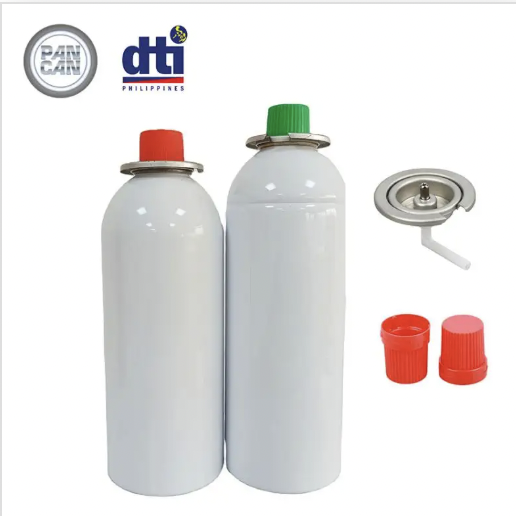
The Ultimate Guide to Selecting the Perfect Aerosol Valve
In the world of aerosol packaging, the valve is often called the "heart of the system" - and for good reason. While the container provides the structure and the propellant supplies the power, it's the valve that controls everything from product dispensing to consumer experience. Choosing the wrong aerosol valve can lead to product failure, customer dissatisfaction, and significant financial losses. This comprehensive guide explores the critical factors that determine aerosol valve selection, providing manufacturers and brands with the knowledge needed to make informed decisions that ensure product success.
Understanding Aerosol Valve Fundamentals: More Than Just a Component
The Critical Role of Aerosol Valves
Aerosol valves are precision-engineered components that perform multiple essential functions. They maintain pressure integrity, control product flow, determine spray characteristics, and ensure safe operation throughout the product's lifecycle. A properly selected valve doesn't just dispense product; it protects formulation integrity, enhances user experience, and maintains consistent performance from first use to last.
Basic Valve Construction and Operation
Modern aerosol valves consist of several key components working in harmony:
Actuator: The user interface that controls dispensing
Stem: The central control mechanism
Housing: The main valve body containing internal components
Spring: Provides return force and sealing pressure
Dip Tube: Channels product from container to valve
Gaskets: Ensure pressure-tight seals
Understanding this basic construction is essential for recognizing how different valve designs affect product performance and user experience.
Product Compatibility: The Foundation of Valve Selection
Chemical Compatibility Assessment
The valve materials must be completely compatible with your product formulation. Consider these critical factors:
Formulation Components Analysis
pH Levels: Acidic or alkaline formulations require specific material resistance
Solvent Content: Aggressive solvents can degrade certain elastomers and plastics
Water-Based vs. Solvent-Based: Water-based products often need different sealing solutions
Active Ingredients: Some compounds interact with valve materials
Material Selection Guide
Nitrile Rubber: Excellent for hydrocarbons and oils
EPDM: Superior resistance to polar solvents and ketones
Butyl Rubber: Ideal for oxygen-sensitive products
Polypropylene: Good chemical resistance for housings
Stainless Steel: For highly aggressive formulations
Pressure and Propellant Considerations
Different propellant systems create unique operating conditions:
Propellant Type Impact
Compressed Gases (CO2, N2): Require robust pressure management
Liquefied Gases (LPG): Need precise vapor pressure controls
HFOs: Newer propellants with specific compatibility requirements
Hydrocarbons: Standard option with well-understood valve needs
Pressure Range Specifications
Low Pressure Systems (20-40 psi): Require sensitive valve mechanisms
Medium Pressure (40-80 psi): Most common range for consumer products
High Pressure (80-150 psi): Need heavy-duty construction and safety features
Dispensing Requirements: Matching Valve to Application
Spray Pattern and Characteristics
The valve determines how your product reaches its target:
Spray Pattern Options
Fine Mist: For air fresheners, personal care products
Wet Spray: For cleaners, disinfectants
Foam: For shaving creams, mousses
Stream: For targeted application products
Fan Spray: For wide coverage applications
Droplet Size Control
Extra Fine: 20-40 microns (perfumes, facial sprays)
Fine: 40-60 microns (deodorants, hair sprays)
Medium: 60-80 microns (household cleaners)
Coarse: 80-100+ microns (industrial products)
Dosage and Flow Rate Requirements
Precise control matters for both user experience and cost management:
Dosage Precision Needs
Fixed Dosage: Essential for pharmaceuticals, medications
Variable Control: Preferred for consumer products
Metered Valves: Provide consistent measured doses
Continuous Spray: For coverage applications
Flow Rate Considerations
High Flow: For quick application needs
Low Flow: For precise control and conservation
Consistent Delivery: Maintains performance throughout container life
Technical Specifications and Performance Factors
Valve Type Selection
Choosing the right valve design is crucial for product performance:
Standard Valve Types
Standard Valves: General purpose, cost-effective
Metered Valves: Precise dosage control
Dual-Purpose Valves: Multiple dispensing options
Bag-on-Valve: Complete product-propellant separation
Piston Valves: For viscous products and creams
Specialized Valve Designs
360° Valves: Any-angle operation
Child-Resistant: Safety requirements
Tamper-Evident: Product security
Low-Profile: Space-constrained applications
Performance Under Various Conditions
Real-world performance depends on multiple factors:
Temperature Performance
Storage Conditions: -20°C to 50°C range considerations
Usage Environment: Performance at point of use
Temperature Cycling: Resistance to performance degradation
Orientation and Position
Upright Operation: Standard valve designs
Any-Position: Specialized valve requirements
Inverted Use: Unique dip tube and housing designs
User Experience and Ergonomics
Actuator Design and Selection
The actuator is the user's primary interface with your product:
Actuator Types and Applications
Standard Actuators: Basic push-button operation
Ergonomic Designs: Enhanced user comfort
Directional Actuators: Targeted product delivery
Specialized Tips: For unique application needs
User Feedback and Feel
Actuation Force: 2-5 pounds optimal for most users
Audible Feedback: Click or hiss for user confirmation
Tactile Response: Smooth operation expectations
Accessibility and Safety Features
Modern valves must address diverse user needs:
Safety Considerations
Child Resistance: CFR requirements and testing
Senior Accessibility: Easy-open options
Tamper Evidence: Visual indication of prior use
Pressure Relief: Safety during storage and transport
Regulatory and Compliance Requirements
Global Standards and Certifications
Navigating international requirements is essential:
Key Regulatory Frameworks
US EPA Requirements: Insecticides and antimicrobials
FDA Regulations: Pharmaceuticals and personal care
EU Directives: REACH and packaging requirements
Transport Regulations: DOT, IATA, ADR standards
Testing and Validation
Performance Testing: Consistent delivery verification
Compatibility Testing: Long-term stability assessment
Safety Testing: Pressure and failure mode analysis
Environmental Testing: Temperature and humidity performance
Manufacturing and Supply Chain Considerations
Production Integration
Valve selection affects manufacturing efficiency:
Filling Line Compatibility
High-Speed Lines: Up to 400 cans per minute requirements
Automated Systems: Consistent feeding and placement
Quality Control: In-line detection and rejection systems
Changeover Time: Quick size and type transitions
Supply Chain Reliability
Supplier Capability: Consistent quality and volume
Lead Times: Production planning considerations
Geographic Availability: Local sourcing advantages
Technical Support: Development and troubleshooting assistance
Cost Analysis and Value Considerations
Total Cost of Ownership
Looking beyond initial purchase price:
Direct Cost Factors
Valve Unit Cost: Price per thousand pieces
Assembly Costs: Automated vs. manual placement
Rejection Rates: Quality impact on overall cost
Inventory Carrying: Storage and handling expenses
Indirect Cost Impacts
Product Performance: Customer satisfaction and repeat purchases
Brand Reputation: Quality perception in the market
Returns and Complaints: Failure-related costs
Regulatory Compliance: Penalty avoidance
Testing and Validation Protocols
Comprehensive Performance Testing
Ensuring valves meet all requirements:
Laboratory Testing Methods
Spray Pattern Analysis: Computerized pattern measurement
Dosage Consistency: Weight verification across container life
Pressure Testing: Performance under varying conditions
Aging Studies: Accelerated shelf-life testing
User Testing Protocols
Consumer Panels: Real-world usage feedback
Ergonomics Assessment: Comfort and ease of use
Failure Analysis: Identifying potential issues
Comparative Testing: Against competitive products
Industry-Specific Considerations
Personal Care Products
Unique requirements for cosmetics and personal care:
Specialized Needs
Fine Mist Quality: Consistent droplet size distribution
Fragrance Preservation: Material compatibility with scents
Skin Contact Safety: Hypoallergenic material requirements
Aesthetic Considerations: Color and design matching
Household and Industrial Products
Different priorities for cleaning and maintenance:
Performance Demands
Chemical Resistance: Aggressive formulation compatibility
High Volume Delivery: Efficient coverage application
Durability: Repeated use reliability
Safety Features: Child resistance for hazardous products
Future Trends and Innovations
Sustainability Developments
Environmental considerations driving innovation:
Eco-Friendly Advances
Recyclable Designs: Monomaterial construction
Reduced Plastic: Material minimization efforts
Bio-Based Materials: Renewable resource components
Refillable Systems: Reuse and reduction initiatives
Technological Innovations
Emerging technologies shaping future valves:
Smart Valve Features
Dosage Counting: Usage monitoring capabilities
Digital Integration: Connected device compatibility
Quality Indicators: Performance monitoring
Anti-Counterfeit: Authentication technologies
Implementation Strategy and Best Practices
Systematic Selection Process
A methodical approach ensures optimal results:
Decision Framework
Requirements Definition: Clear performance criteria
Supplier Evaluation: Technical capability assessment
Prototype Testing: Real-world performance validation
Scale-Up Planning: Production implementation strategy
Partnership Development
Collaborating with valve suppliers:
Supplier Relationship Management
Technical Collaboration: Joint development opportunities
Quality Assurance: Consistent performance standards
Innovation Partnership: Future development planning
Supply Chain Integration: Seamless production flow
Conclusion: Making the Right Choice
Selecting the perfect aerosol valve requires careful consideration of multiple interconnected factors. From chemical compatibility and dispensing requirements to user experience and regulatory compliance, each element plays a crucial role in determining product success. The right valve choice enhances product performance, ensures user satisfaction, and protects brand reputation.
By following a systematic approach that considers all relevant factors—product compatibility, technical specifications, user needs, regulatory requirements, and cost considerations—brands can make informed decisions that deliver optimal results. Remember that valve selection isn't a one-time decision but an ongoing process that should evolve with your product, market needs, and technological advancements.
The most successful aerosol products result from careful valve selection that balances performance requirements with practical considerations. By understanding these key factors and working closely with experienced valve suppliers, companies can create aerosol products that not only meet but exceed consumer expectations while ensuring safety, reliability, and commercial success in competitive markets.

