Superior Hygiene and Contamination Prevention Systems
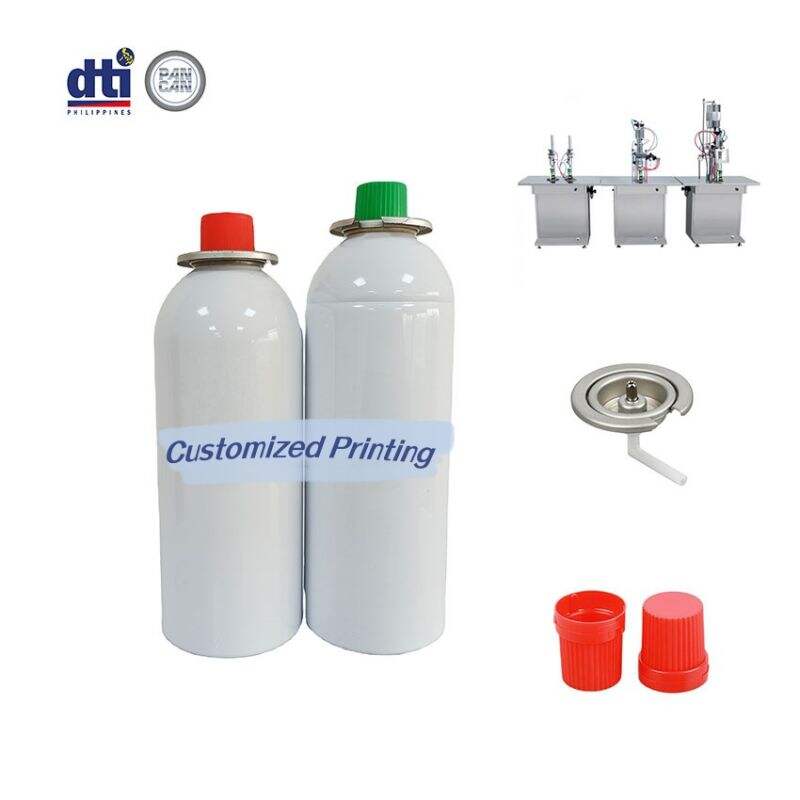
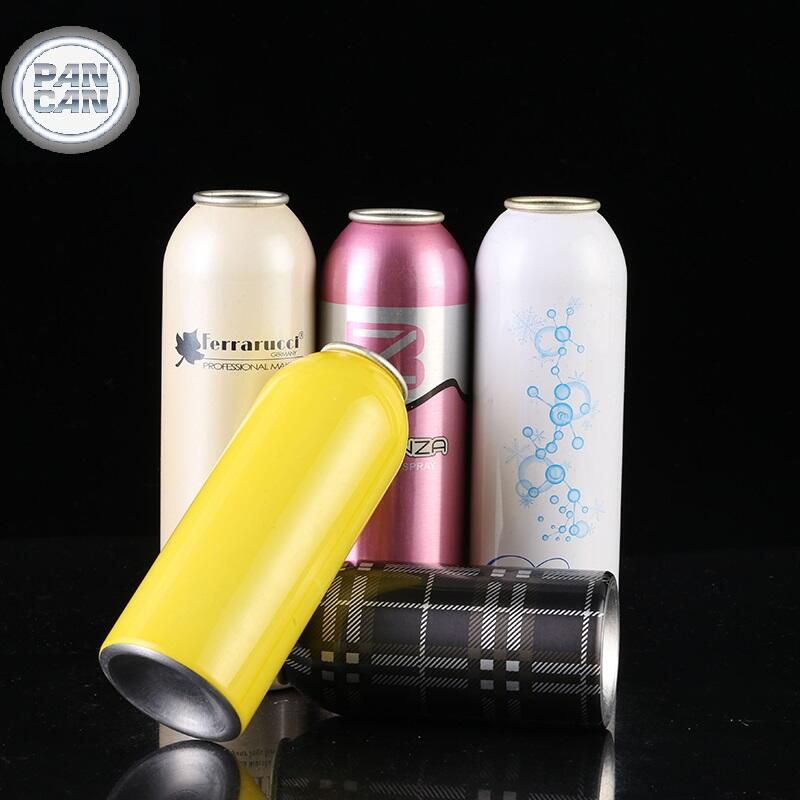
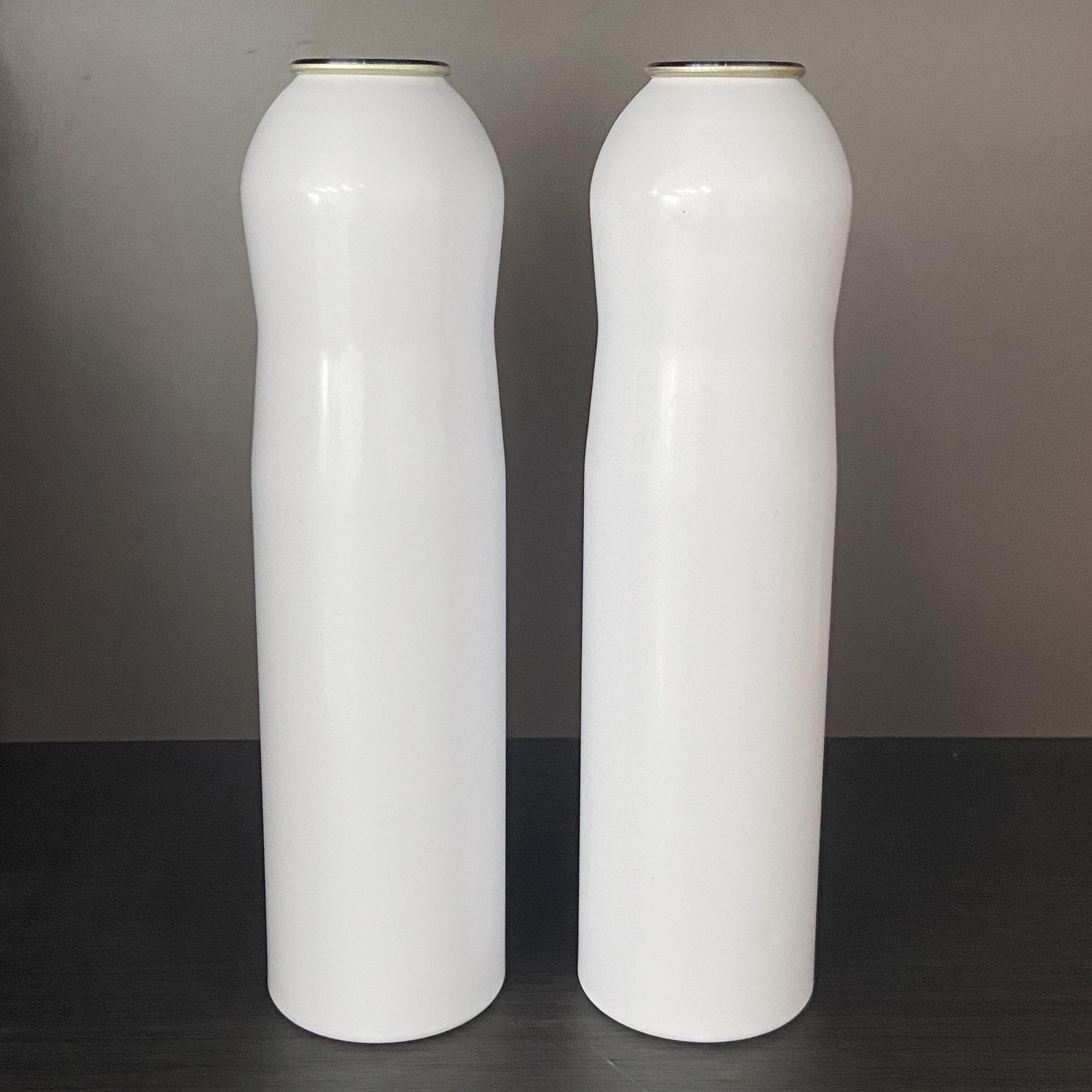
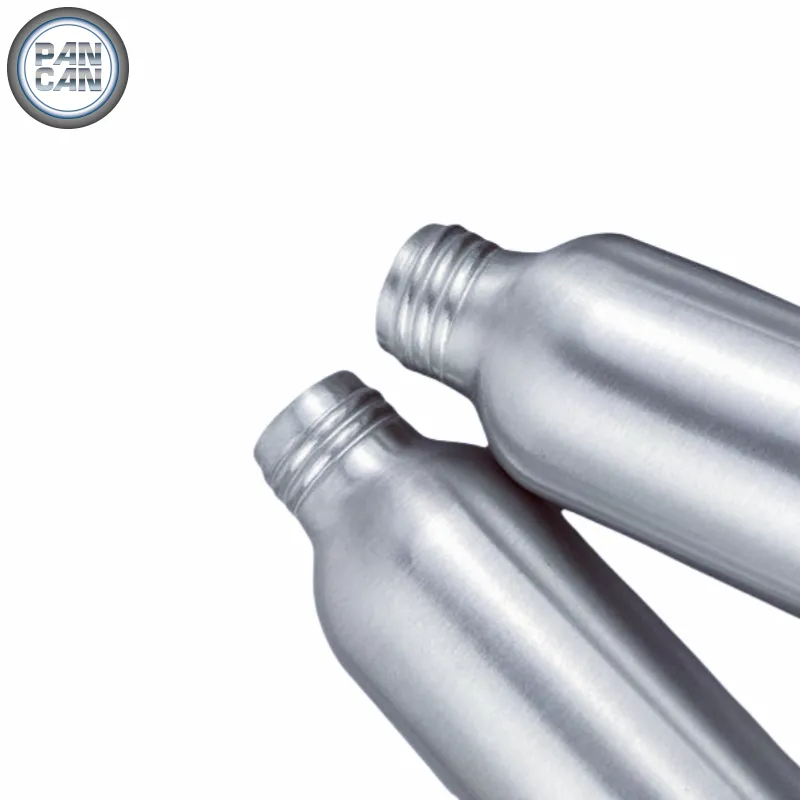
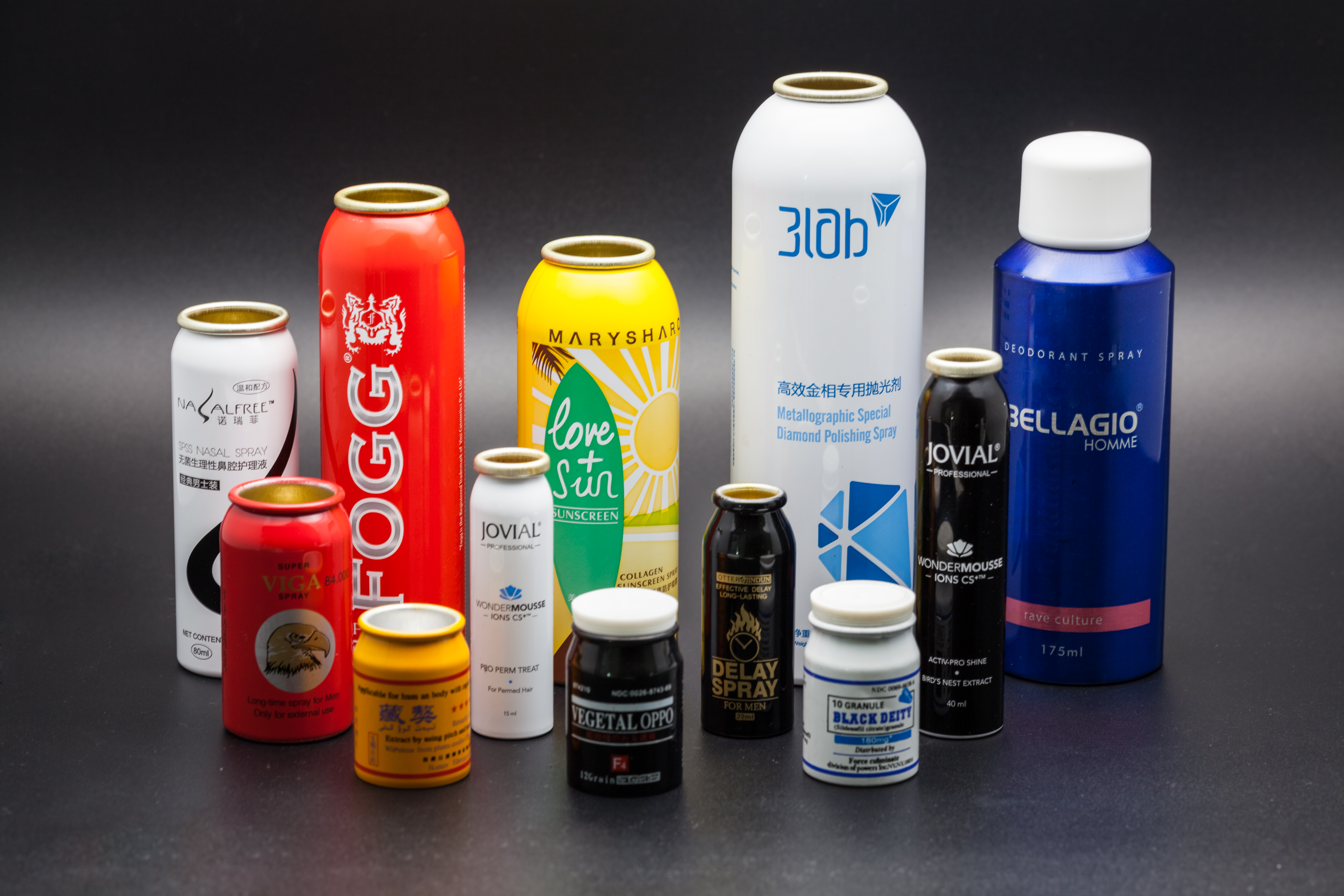
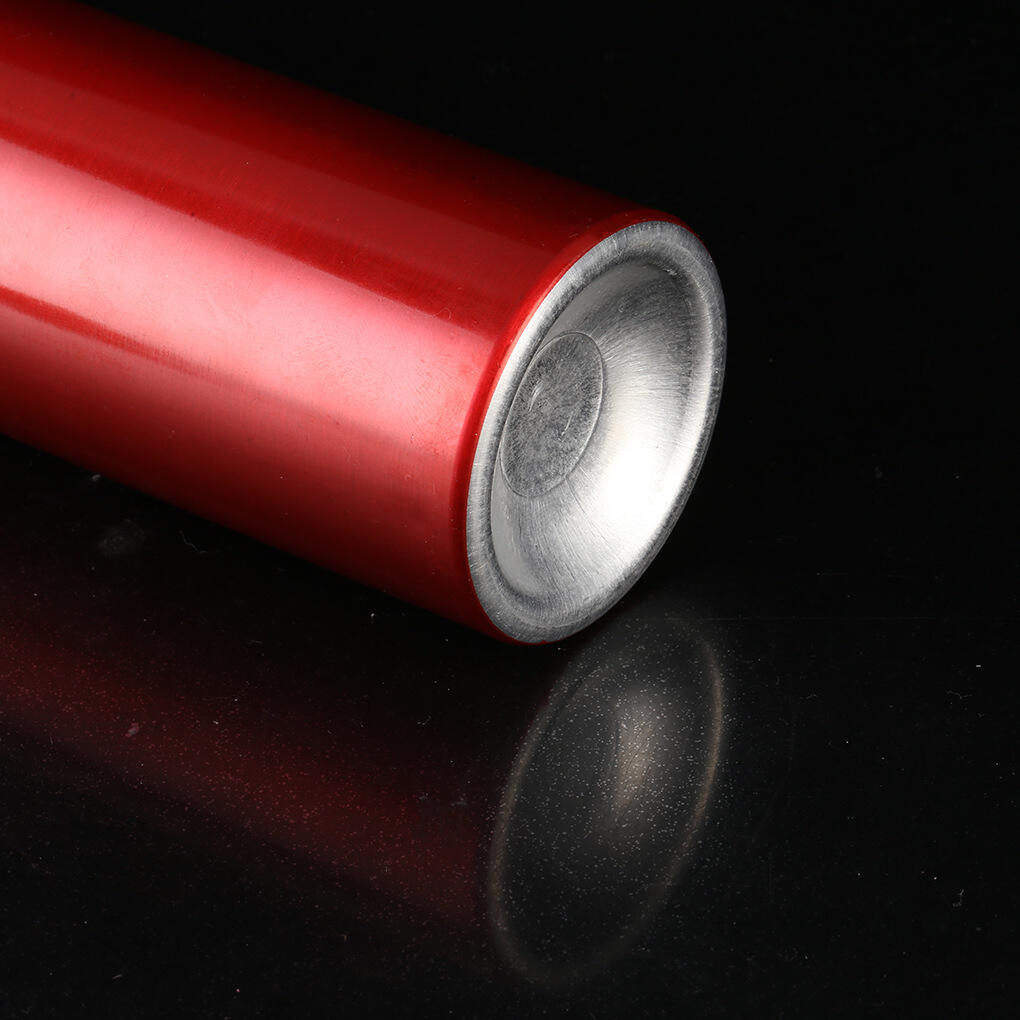
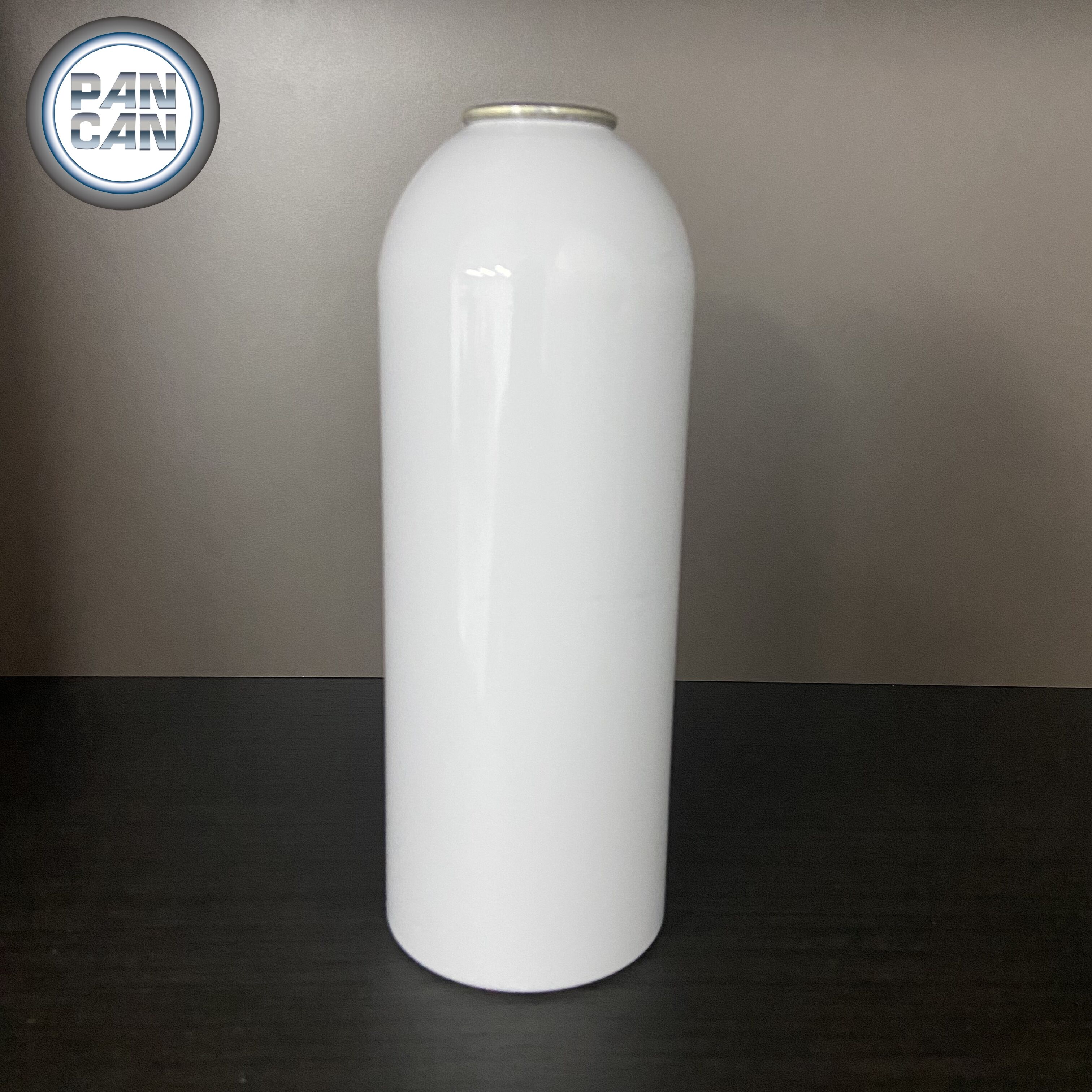
The exceptional hygiene standards maintained by the aerosol can for skin care establish it as the premier choice for contamination-sensitive skincare applications, particularly in professional settings and for individuals with compromised immune systems or sensitive skin conditions. The completely sealed delivery system creates an impermeable barrier between the skincare formulation and external contaminants, including bacteria, fungi, environmental pollutants, and human contact that frequently compromise traditional packaging integrity. This sterile environment preservation begins during the manufacturing process when products are filled under controlled atmospheric conditions and sealed immediately to maintain purity throughout the product's shelf life. The absence of direct product contact during application eliminates cross-contamination risks that occur with finger application, shared applicators, or pump mechanisms that can harbor bacteria in crevices and internal components. Professional aestheticians and dermatologists particularly value the aerosol can for skin care because it enables sanitary treatment protocols across multiple clients without requiring extensive sterilization procedures between applications. The sealed system also prevents oxidation-sensitive ingredients like vitamin C, retinoids, and antioxidants from degrading upon exposure to air and light, maintaining therapeutic potency and preventing the formation of potentially irritating breakdown products. Hospital and clinical environments have adopted the aerosol can for skin care for wound care applications and therapeutic treatments where sterility requirements are paramount and contamination could lead to serious complications. The technology extends product shelf life significantly by preventing microbial growth that commonly occurs in traditional containers once opened, reducing waste and ensuring consumers receive full therapeutic value from their skincare investments. Quality control measures for contamination prevention include sterility testing throughout the manufacturing process, leak detection systems that identify compromised seals, and compatibility assessments that ensure internal materials do not introduce contaminants over time. The hygiene advantages become particularly evident in humid environments where traditional packaging may develop condensation or moisture accumulation that promotes bacterial growth, while the aerosol can for skin care maintains internal environmental control regardless of external conditions. This contamination prevention system has enabled the development of preservative-free formulations that rely on packaging technology rather than chemical preservatives to maintain product safety and efficacy.

 EN
EN