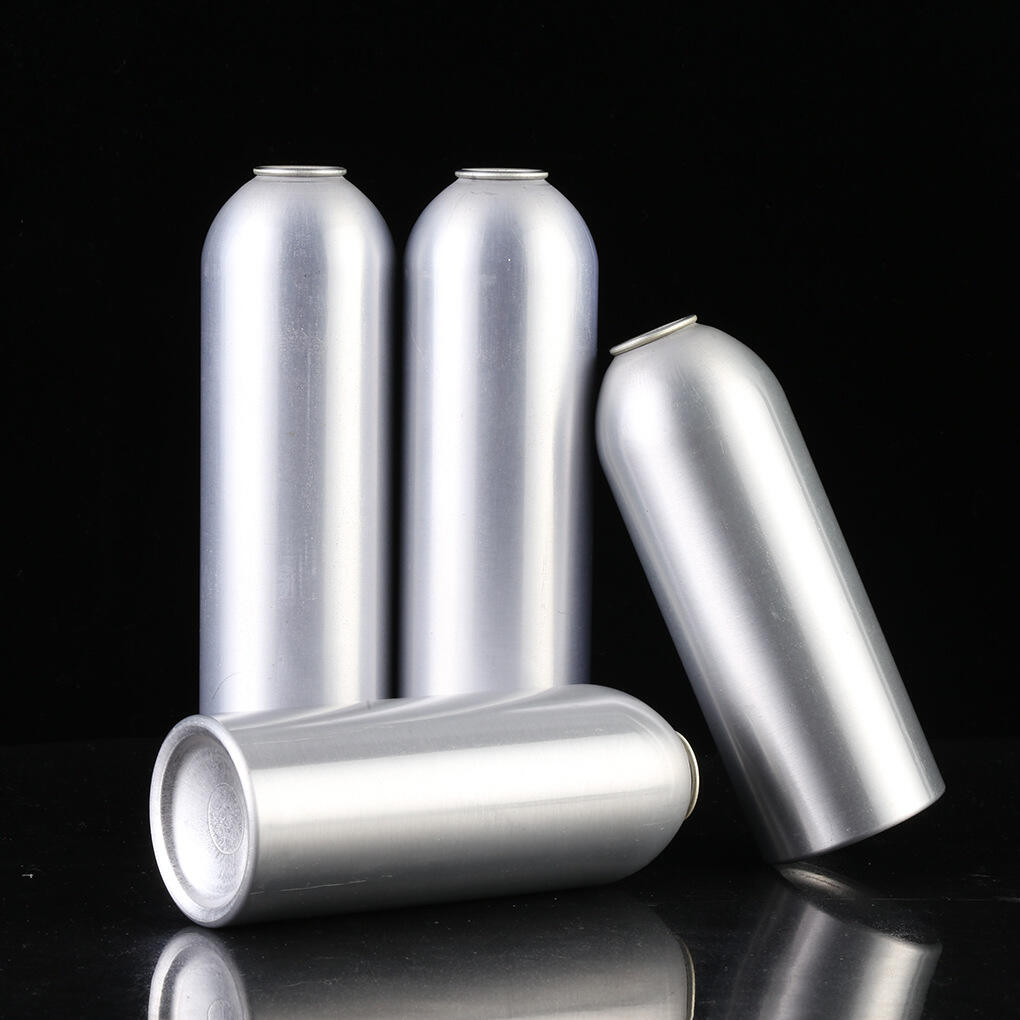
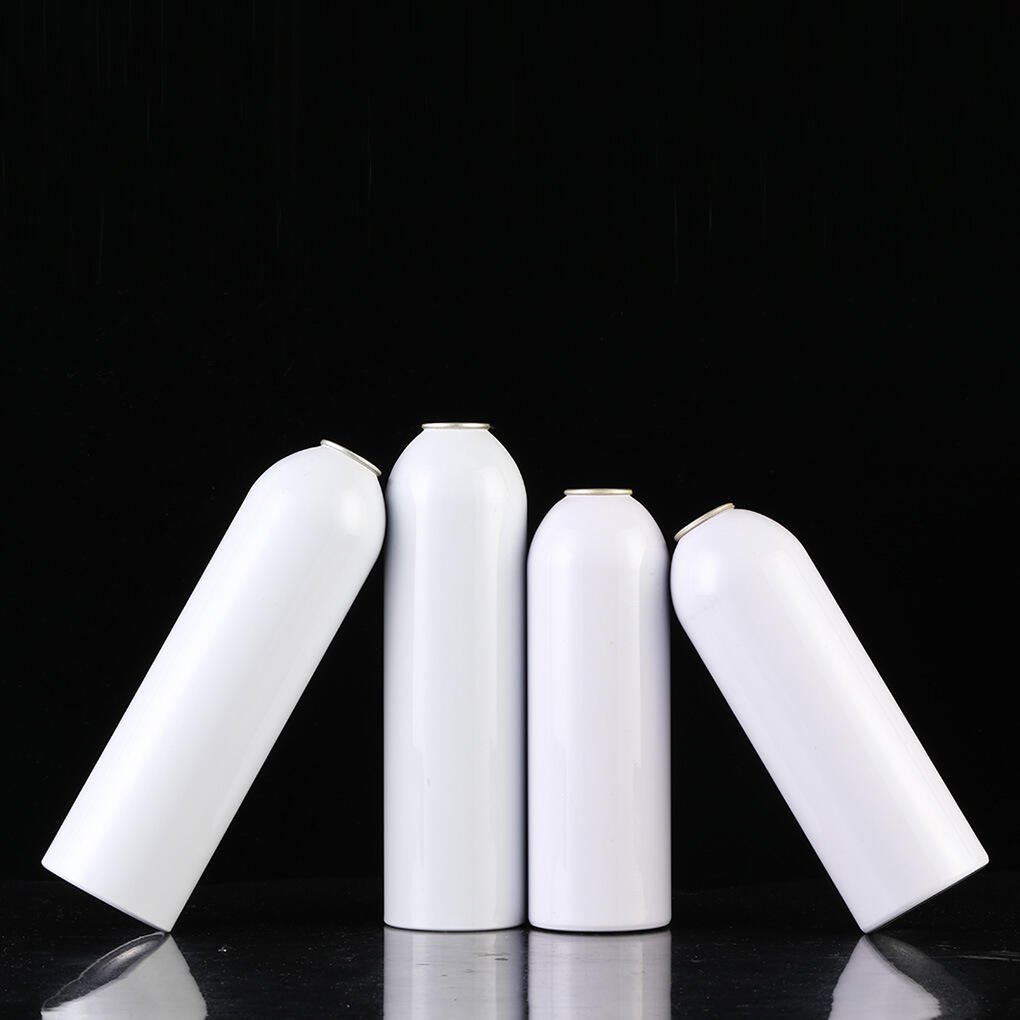
Professional Aerosol Cans Manufacture: Advanced Production Solutions & Quality Systems

Get a Free Quote

Our representative will contact you soon.
Email
Name
Company Name
Product Type
Product
Message
0/1000

aerosol cans manufacture

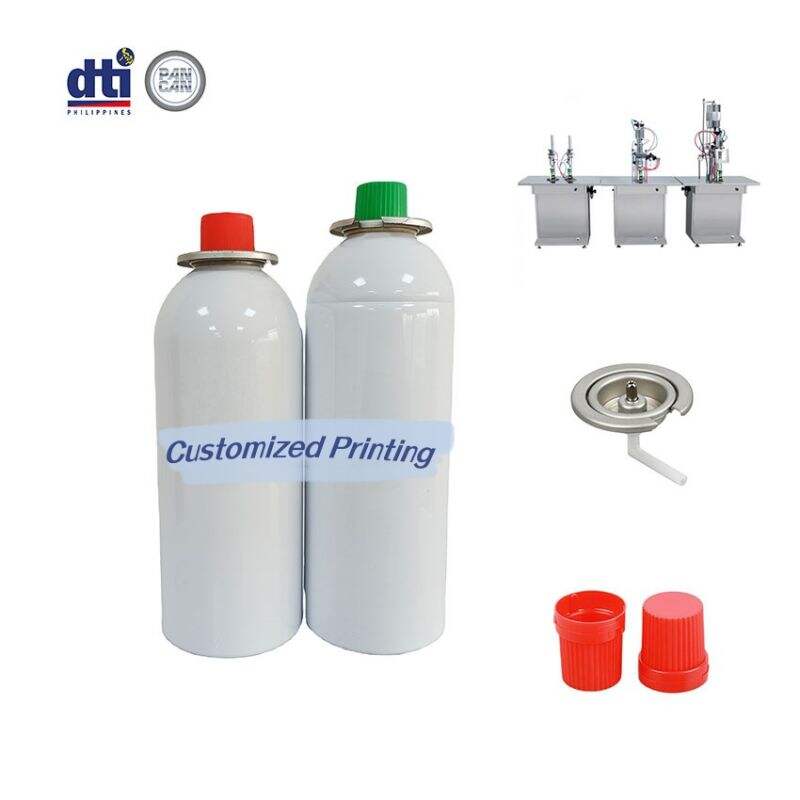
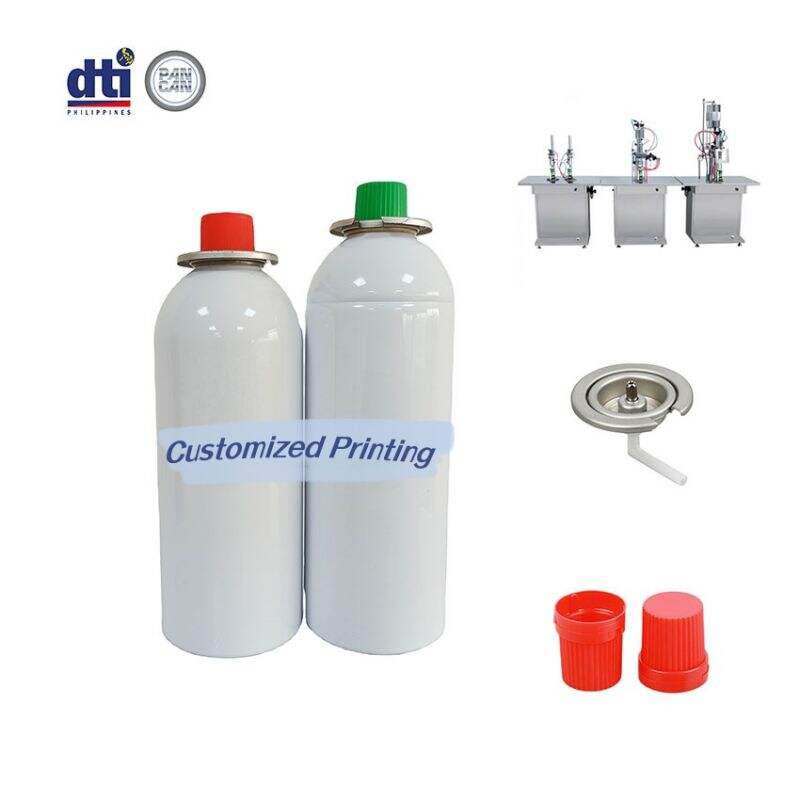
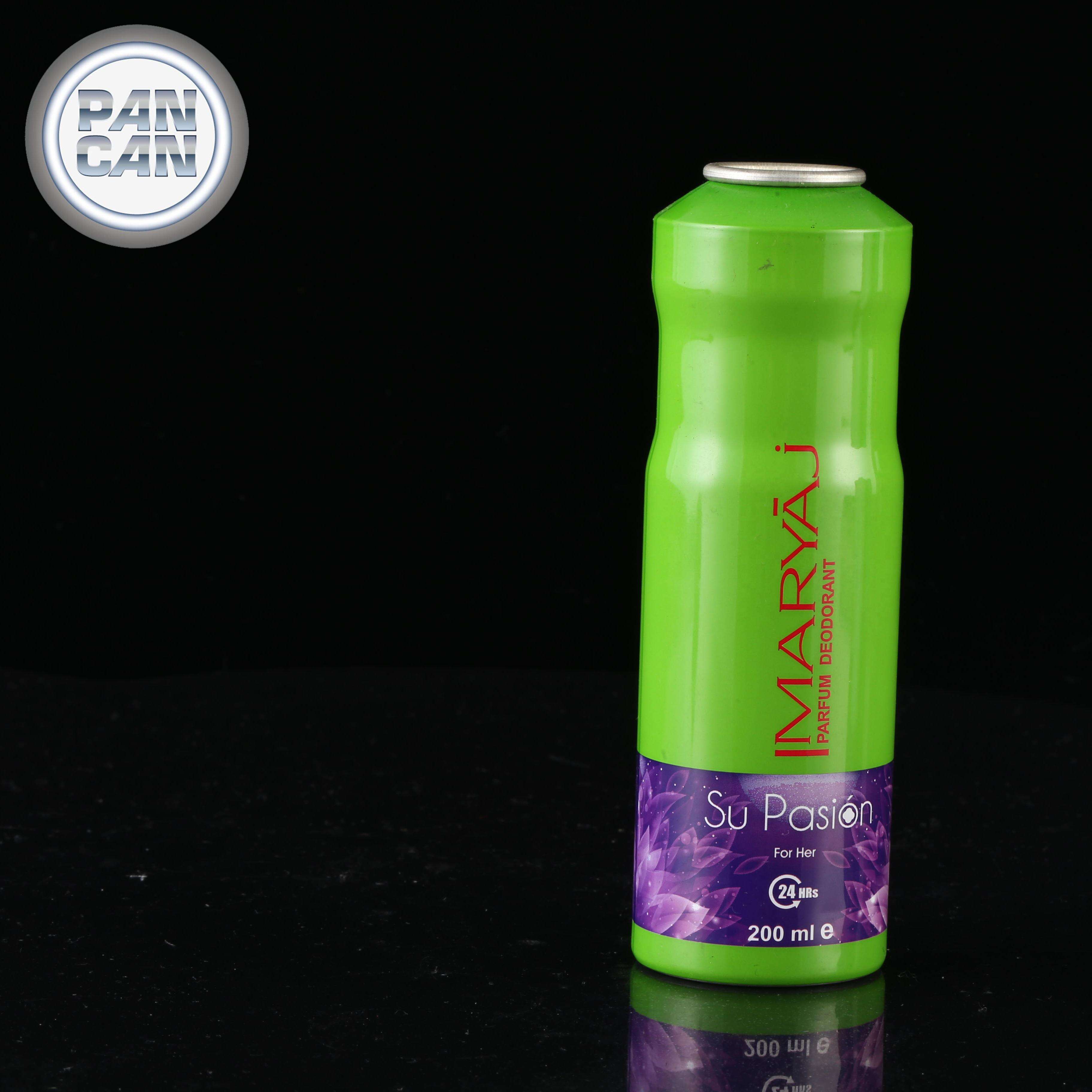
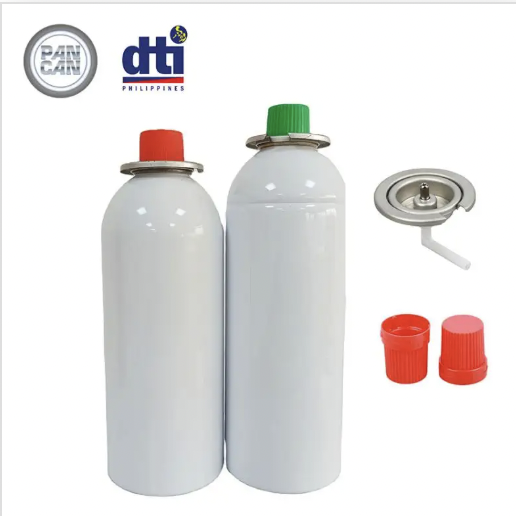
The aerosol cans manufacture industry represents a sophisticated production ecosystem that combines precision engineering, advanced materials science, and automated manufacturing processes to create pressurized containers for countless consumer and industrial applications. Modern aerosol cans manufacture involves multiple specialized stages, beginning with aluminum or tinplate steel sourcing, followed by deep-drawing processes that shape the can bodies, and culminating in valve assembly and quality testing procedures. The primary functions of aerosol cans manufacture extend beyond simple container production to encompass barrier protection systems, precise dispensing mechanisms, and pressure regulation technologies that ensure consistent product delivery across diverse environmental conditions. Technological features within contemporary aerosol cans manufacture include multi-layer coating systems that prevent chemical interactions between contents and container walls, specialized crimping techniques that create hermetic seals, and innovative valve designs that control flow rates and spray patterns. Manufacturing facilities utilize computer-controlled forming equipment, automated welding systems, and advanced testing protocols to maintain strict quality standards throughout production cycles. The applications for products emerging from aerosol cans manufacture span numerous industries including personal care products, household cleaners, automotive maintenance solutions, pharmaceutical preparations, food processing applications, and industrial lubricants. Environmental considerations have driven aerosol cans manufacture toward recyclable materials, reduced volatile organic compound emissions, and energy-efficient production methods that minimize environmental impact while maintaining product integrity. Quality control measures within aerosol cans manufacture encompass pressure testing, leak detection systems, dimensional verification protocols, and compatibility assessments that ensure each container meets regulatory requirements and performance specifications. The integration of sustainable practices within aerosol cans manufacture has led to innovations in lightweight container designs, renewable energy utilization in production facilities, and closed-loop recycling programs that support circular economy principles while delivering reliable packaging solutions for modern consumer needs.


New Products

The aerosol cans manufacture industry delivers numerous practical advantages that directly benefit businesses and consumers seeking reliable packaging solutions for pressurized products. Cost efficiency represents a primary advantage of modern aerosol cans manufacture, as automated production lines reduce labor costs while maintaining consistent quality standards that minimize waste and rejection rates. Companies investing in aerosol cans manufacture benefit from scalable production capabilities that accommodate both small batch specialty products and high-volume consumer goods without requiring significant infrastructure modifications. The versatility offered by aerosol cans manufacture enables businesses to package diverse product formulations ranging from liquid concentrates to powder suspensions, providing flexibility that supports product innovation and market expansion strategies. Quality assurance protocols within aerosol cans manufacture ensure consistent barrier properties that protect sensitive formulations from contamination, oxidation, and degradation, thereby extending shelf life and maintaining product efficacy throughout distribution cycles. Environmental benefits emerge from responsible aerosol cans manufacture practices that emphasize recyclable materials, energy-efficient production methods, and reduced packaging waste compared to alternative container formats. The precision engineering inherent in aerosol cans manufacture creates dispensing systems that deliver accurate dosing, controlled spray patterns, and minimal product waste, enhancing user satisfaction while optimizing product utilization rates. Regulatory compliance advantages stem from established aerosol cans manufacture standards that meet international safety requirements, simplifying market entry processes and reducing certification complexities for businesses entering new geographic markets. Supply chain efficiency improvements result from standardized aerosol cans manufacture specifications that enable predictable inventory management, streamlined logistics operations, and reduced storage requirements compared to rigid container alternatives. Innovation opportunities within aerosol cans manufacture continue expanding through advanced materials research, smart packaging technologies, and sustainable production methodologies that support long-term business growth while addressing evolving consumer preferences for environmentally responsible products. The durability characteristics achieved through professional aerosol cans manufacture processes ensure product integrity during transportation, storage, and handling, reducing return rates and customer complaints while building brand reputation for reliability and quality performance across diverse market segments.

Latest News

How do aluminum screw bottles contribute to sustainability and eco-friendliness?

22

Oct

How do aluminum screw bottles contribute to sustainability and eco-friendliness?

In an age where environmental consciousness is no longer a niche concern but a global imperative, every choice a brand makes is scrutinized through a green lens. Packaging, in particular, sits at the forefront of this scrutiny. As consumers and ...
View More
What are the key factors to consider when choosing the right aerosol valve for a product?

22

Oct

What are the key factors to consider when choosing the right aerosol valve for a product?

The Ultimate Guide to Selecting the Perfect Aerosol Valve In the world of aerosol packaging, the valve is often called the "heart of the system" - and for good reason. While the container provides the structure and the propellant supplies the power,...
View More
Are Aluminum Bottles Safe? Expert Health Analysis

29

Oct

Are Aluminum Bottles Safe? Expert Health Analysis

Understanding the Safety Profile of Modern Aluminum Drinkware The growing environmental consciousness has led to a significant shift towards sustainable drinkware options, with the aluminum bottle emerging as a popular choice among eco-conscious cons...
View More
 What new market expansion opportunities does the (PPWR) (EU) 2025/40 regulation bring to aluminum packaging

29

Oct

What new market expansion opportunities does the (PPWR) (EU) 2025/40 regulation bring to aluminum packaging

Understanding the Impact of EU's New Packaging Regulation on Aluminum Industry The European Union's Packaging and Packaging Waste Regulation (PPWR) (EU) 2025/40 marks a significant shift in the packaging landscape, particularly for aluminum packaging...
View More

Get a Free Quote

Our representative will contact you soon.
Email
Name
Company Name
Product Type
Product
Message
0/1000

aerosol cans manufacture

Advanced Precision Engineering Systems

Advanced Precision Engineering Systems

The cornerstone of successful aerosol cans manufacture lies in sophisticated precision engineering systems that integrate cutting-edge technology with meticulous quality control processes to deliver consistently superior packaging solutions. These advanced engineering systems encompass computer-controlled forming equipment that shapes aluminum and steel materials with tolerances measured in micrometers, ensuring perfect dimensional accuracy across millions of containers produced annually. The precision engineering approach within aerosol cans manufacture incorporates multi-stage deep-drawing processes that gradually transform flat metal discs into seamless can bodies without compromising material integrity or introducing stress concentrations that could lead to premature failure. Automated welding systems utilize precisely controlled heat input and pressure application to create hermetic seals between can components, while advanced monitoring systems continuously verify weld quality through real-time inspection protocols. The integration of robotics within aerosol cans manufacture facilities enables consistent handling procedures that eliminate human variability factors, resulting in uniform product quality and reduced contamination risks throughout production cycles. Quality assurance protocols embedded within these precision engineering systems include automated dimensional verification equipment, pressure testing chambers, and leak detection systems that identify defective containers before they enter distribution networks. The technological sophistication of modern aerosol cans manufacture extends to specialized coating application systems that deposit precise barrier layers onto interior surfaces, preventing chemical interactions between container walls and product formulations while maintaining optimal dispensing characteristics. Computer-aided design software enables rapid prototyping and testing of new container configurations, allowing aerosol cans manufacture facilities to respond quickly to changing market demands while maintaining rigorous safety standards. These precision engineering systems also incorporate predictive maintenance technologies that monitor equipment performance parameters, scheduling preventive interventions that minimize downtime and ensure continuous production capacity. The result of these advanced systems is aerosol cans manufacture that consistently delivers packaging solutions with exceptional reliability, performance consistency, and safety margins that exceed regulatory requirements while supporting innovative product development initiatives across diverse industry sectors.
Sustainable Manufacturing Excellence

Sustainable Manufacturing Excellence

Environmental responsibility has become a defining characteristic of modern aerosol cans manufacture, with industry leaders implementing comprehensive sustainability programs that reduce environmental impact while maintaining superior product quality and performance standards. Sustainable aerosol cans manufacture practices begin with responsible material sourcing, emphasizing recyclable aluminum and steel alloys that support circular economy principles while reducing dependency on virgin raw materials. Energy efficiency improvements within aerosol cans manufacture facilities include installation of high-efficiency heating systems, LED lighting networks, and variable-speed motor drives that significantly reduce electricity consumption during production operations. Waste reduction initiatives implemented throughout aerosol cans manufacture processes include closed-loop water recycling systems, metal scrap recovery programs, and solvent recapture technologies that minimize disposal requirements while recovering valuable materials for reuse. The adoption of renewable energy sources within aerosol cans manufacture facilities demonstrates commitment to carbon footprint reduction, with solar panel installations and wind power agreements supporting clean energy goals while maintaining competitive production costs. Advanced coating formulations developed for sustainable aerosol cans manufacture eliminate hazardous substances while providing superior barrier protection, ensuring product safety and environmental compliance without compromising performance characteristics. Packaging optimization strategies within responsible aerosol cans manufacture focus on lightweight container designs that reduce material consumption and transportation costs while maintaining structural integrity and pressure resistance requirements. Life cycle assessment protocols guide sustainable aerosol cans manufacture decision-making processes, evaluating environmental impacts from raw material extraction through end-of-life disposal to identify improvement opportunities and measure progress toward sustainability targets. Collaboration with recycling partners ensures that aerosol cans manufacture supports effective post-consumer recovery programs, providing consumers with convenient disposal options while facilitating material recovery for future production cycles. These sustainable practices within aerosol cans manufacture not only reduce environmental impact but also deliver economic benefits through improved resource efficiency, reduced waste disposal costs, and enhanced brand reputation among environmentally conscious consumers who increasingly prefer products from responsible manufacturers committed to environmental stewardship.
Comprehensive Quality Assurance Programs

Comprehensive Quality Assurance Programs

The foundation of reliable aerosol cans manufacture rests upon comprehensive quality assurance programs that implement rigorous testing protocols, continuous monitoring systems, and strict compliance measures to ensure every container meets exacting safety and performance standards. These quality assurance programs within aerosol cans manufacture begin with incoming raw material inspection procedures that verify aluminum and steel specifications, coating material properties, and component compatibility before materials enter production processes. In-process monitoring systems continuously evaluate critical parameters during aerosol cans manufacture operations, including forming pressures, welding temperatures, coating thickness measurements, and dimensional tolerances to identify potential issues before they affect product quality. Pressure testing protocols represent a crucial component of aerosol cans manufacture quality assurance, with specialized chambers subjecting containers to pressures exceeding normal operating conditions to verify structural integrity and identify potential failure points. Leak detection systems utilize advanced helium testing equipment and vacuum chamber technologies to identify microscopic leaks that could compromise product integrity or safety performance during storage and use cycles. Statistical process control methodologies guide aerosol cans manufacture quality decisions through continuous data collection and analysis, enabling rapid identification of process variations and implementation of corrective actions before defective products reach customers. Compatibility testing programs within aerosol cans manufacture facilities evaluate interactions between container materials and various product formulations, ensuring chemical stability and preventing degradation that could affect product performance or safety characteristics. Accelerated aging studies simulate extended storage conditions to verify long-term stability of aerosol cans manufacture products, providing confidence in shelf life claims and identifying potential issues before commercial distribution begins. Regulatory compliance verification ensures that aerosol cans manufacture operations meet international safety standards, environmental regulations, and industry-specific requirements across diverse market segments and geographic regions. Documentation systems within quality assurance programs maintain detailed records of all testing results, process parameters, and compliance activities, supporting traceability requirements and facilitating continuous improvement initiatives. These comprehensive quality assurance measures within aerosol cans manufacture create confidence among customers and regulatory agencies while protecting brand reputation through consistent delivery of safe, reliable packaging solutions that perform as intended across diverse applications and operating conditions.

Get a Free Quote

Our representative will contact you soon.
Email
Name
Company Name
Product Type
Product
Message
0/1000
email goToTop