
 EN
EN


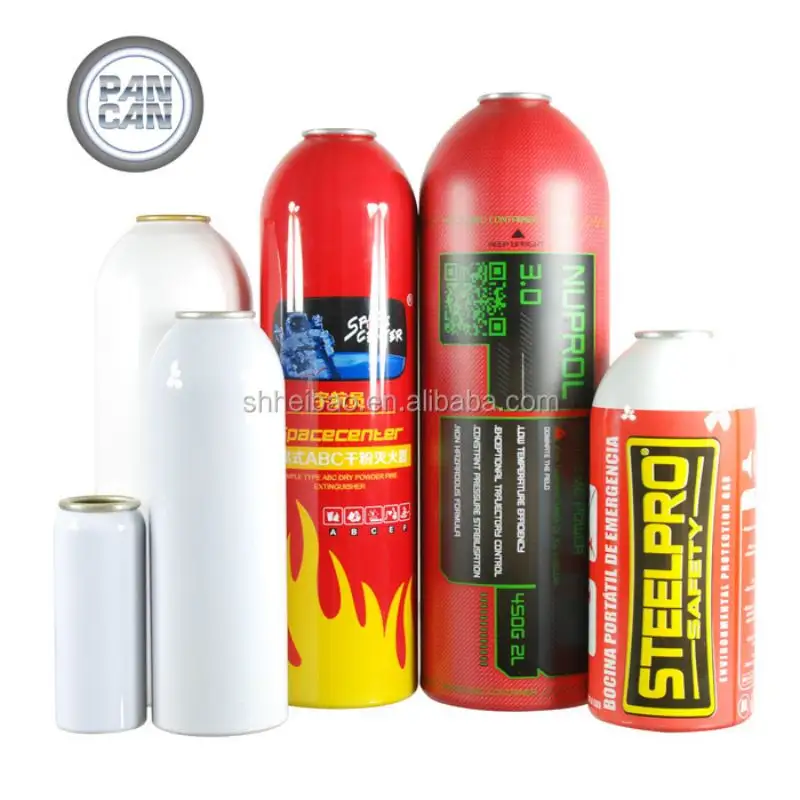
In a landmark move for the packaging industry, the recently formed Global Aerosol Recycling Association (GARA) has announced its ambitious mission to "set new standards" for aerosol recycling worldwide. This initiative represents a pivotal moment in the journey toward a truly circular economy for aerosol containers, which are used by billions of consumers for products ranging from personal care items to pharmaceuticals and food. But what does this mean in practice? How will these new standards reshape the industry, impact manufacturers, influence consumer behavior, and accelerate environmental progress? This comprehensive analysis delves into the profound implications of GARA's mission, exploring the current challenges in aerosol recycling and how this coordinated global effort promises to overcome them.
The Urgent Need: Understanding the Aerosol Recycling Challenge
To appreciate the significance of GARA's mission, one must first understand the complexities and barriers that have historically plagued aerosol recycling.
1. The Consumer Confusion Dilemma
A primary obstacle has been widespread consumer uncertainty. Many people are unsure whether empty aerosol cans can be recycled alongside other metal packaging. Questions about residual propellant, product content, and safety often lead to these items being mistakenly discarded in general waste, diverting valuable aluminum and steel from the recycling stream. This confusion results in millions of perfectly recyclable cans ending up in landfills each year.
2. Inconsistent Global Infrastructure and Guidelines
Recycling protocols for aerosols vary dramatically from one municipality to another. Some recycling programs accept them readily, while others prohibit them due to perceived safety risks during the sorting and baling process. This lack of harmonization creates a patchwork system that is difficult for consumers to navigate and for the industry to optimize.
3. The "Empty Can" Misconception and Safety Concerns
The core instruction from most recyclers is that aerosols must be "completely empty" before disposal. However, the definition of "empty" can be ambiguous. Concerns about cans exploding in recycling facilities, while often overstated, have contributed to cautious policies from waste management companies. This highlights the need for clearer, science-based safety standards.
4. The Economic and Logistical Hurdle
Even when collected, processing aerosols requires specialized equipment and procedures at Material Recovery Facilities (MRFs). Without a standardized approach, the cost and complexity of handling aerosols can make them a less attractive material stream, further limiting recycling rates.
GARA's emergence is a direct response to these systemic challenges, aiming to transform the aerosol container from a recycling puzzle into a model of circularity.
Decoding the "New Standards": A Multi-Faceted Approach
The pledge to "set new standards" is not a vague ambition. It encompasses a comprehensive strategy targeting every link in the recycling chain.
1. Standardizing Global Recycling Protocols
A central pillar of GARA's work will be to establish a unified, science-based set of guidelines for the safe and efficient recycling of aerosol containers. This involves:
Creating a Clear, Universal Definition: Establishing a precise, technical definition of what constitutes a "recyclable empty aerosol can," moving beyond subjective interpretation.
Harmonizing Acceptance Policies: Working with national and local governments to align curbside recycling acceptance rules, reducing consumer confusion.
Developing Best Practices for MRFs: Outlining standardized, safe procedures for sorting, piercing, and baling aerosol cans at recycling facilities to mitigate perceived risks and improve operational efficiency.
2. Launching Unprecedented Consumer Education Campaigns
Knowledge is power. GARA is poised to launch massive global education initiatives designed to demystify aerosol recycling for the public. These campaigns will likely feature:
Simple, Actionable Messaging: Clear instructions, such as "Empty, Do Not Crush, Recycle with Cans," communicated through consistent on-pack labeling and digital media.
Myth-Busting and Safety Assurance: Publicly addressing and dispelling common misconceptions about the dangers of recycling aerosols, backed by data and expert endorsements.
Collaboration with Brands: Empowering member brands to become ambassadors of the recycling message, leveraging their direct connection with consumers.
3. Driving Design for Recyclability Innovation
True circularity begins at the design stage. GARA will likely advocate for and help standardize design principles that enhance recyclability, such as:
Optimized Material Separation: Encouraging designs that allow for easy separation of different components (e.g., plastic actuators from metal cans) in the recycling stream.
Propellant and Liner Compatibility: Promoting the use of propellants and internal liners that do not hinder the recycling process or contaminate the metal stream.
Material Purity: Reinforcing the use of high-quality, unmixed materials that maintain the value of the recycled scrap.
4. Fostering Industry-Wide Collaboration and Data Sharing
For the first time, GARA provides a centralized platform for key players—from can manufacturers and brand fillers to valve producers and recyclers—to collaborate. This will enable:
Shared Research and Development: Pooling resources to solve technical challenges, such as improving can-piercing technology at MRFs.
Transparent Data Collection: Establishing robust metrics to track global aerosol recycling rates, measure the impact of initiatives, and identify areas for improvement.
Unified Advocacy: Presenting a cohesive, powerful voice to policymakers to shape legislation that supports effective aerosol recycling infrastructure.
The Ripple Effect: Implications for Brands, Consumers, and the Planet
The successful implementation of GARA's new standards will create a powerful ripple effect across the entire ecosystem.
1. For Brands and Manufacturers: A Strengthened Sustainability Story
Adherence to GARA's standards will allow brands to make credible, verifiable claims about the recyclability of their packaging. This directly enhances their Environmental, Social, and Governance (ESG) profiles, mitigates regulatory risk, and meets the growing demand from retailers and consumers for sustainable options. It transforms the aerosol can from a potential liability into a demonstrable asset in their sustainability portfolio.
2. For Consumers: Simplified Participation and Empowered Action
A standardized, clear system will eliminate the guesswork for consumers. Knowing that their empty deodorant or cooking spray can be recycled as easily as a soda can will dramatically increase participation rates. This empowers individuals to be part of the solution effortlessly, strengthening the connection between daily habits and positive environmental impact.
3. For the Recycling Industry: Increased Efficiency and Economic Viability
Standardized procedures and a consistent stream of clean, empty aerosol cans will make the recycling process safer, more efficient, and more cost-effective for MRFs. This will increase the willingness of recyclers to accept aerosols, thereby expanding collection infrastructure and creating a more robust market for the recycled metal.
4. For the Environment: Accelerating the Circular Economy
The ultimate beneficiary is the planet. By significantly boosting the recycling rates for aluminum and steel aerosol cans, GARA's initiative will:
Conserve Natural Resources: Drastically reduce the need for virgin material mining.
Reduce Energy Consumption and Emissions: Leverage the massive energy savings of recycling metal (up to 95% for aluminum).
Divert Waste from Landfills: Keep millions of tons of valuable metal out of landfills annually.
The Road Ahead: Challenges and Opportunities
While the vision is clear, the path forward requires navigating challenges such as global regulatory differences, funding large-scale education, and ensuring widespread adoption. However, the very formation of a global association signifies a level of industry commitment that has never existed before. The opportunity to close the loop on one of the world's most common packaging formats is now within reach.
Conclusion: A New Chapter for Sustainable Packaging
The Global Aerosol Recycling Association's commitment to "set new standards" marks a definitive turning point. It is a proactive, collective acknowledgment that the status quo for aerosol recycling is insufficient and that a unified, global effort is required to realize the full sustainable potential of this packaging.
This initiative is more than just about improving recycling rates; it is about building a seamless, efficient, and trustworthy system from the moment a can is designed to the moment it is reborn as a new product. For brands, it's a call to action to align with these emerging standards. For consumers, it's a promise of clarity and simplicity. And for the environment, it's a crucial step toward a future where nothing is wasted. The era of aerosol recycling ambiguity is coming to an end, and GARA is leading the charge to write a new, more sustainable rulebook for all.

