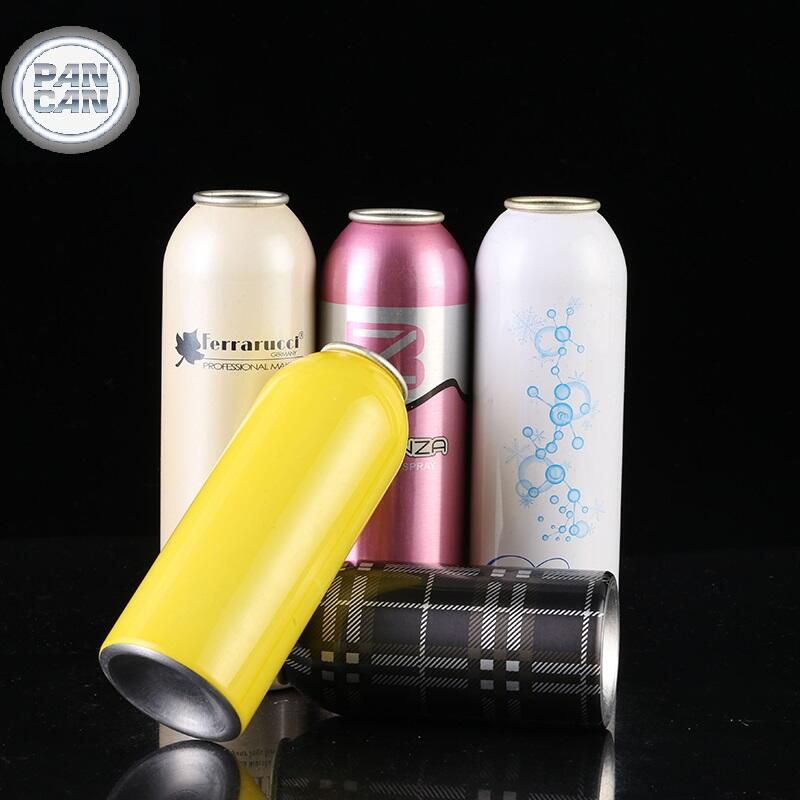
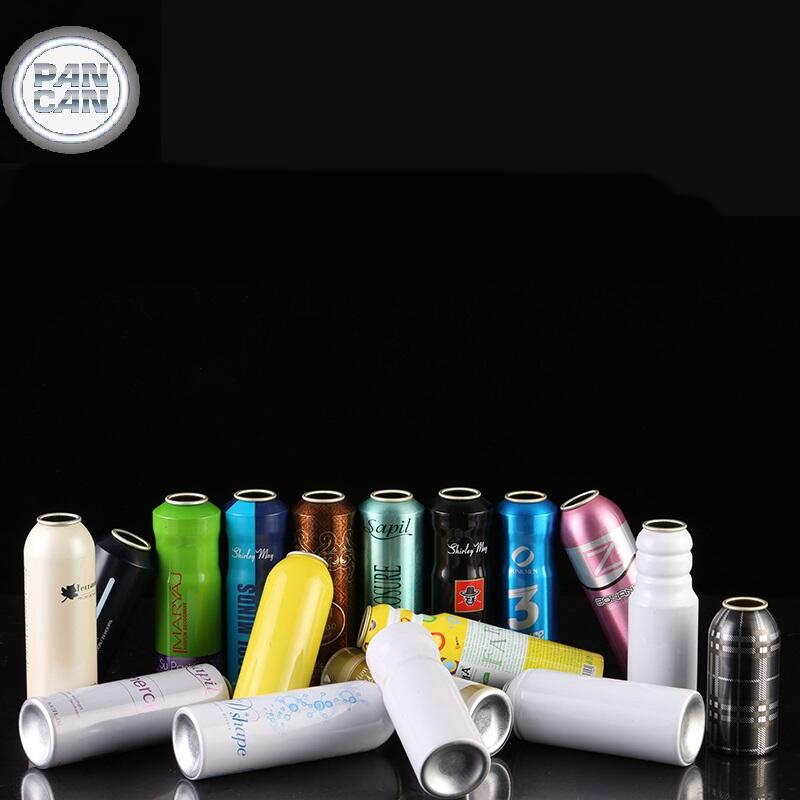
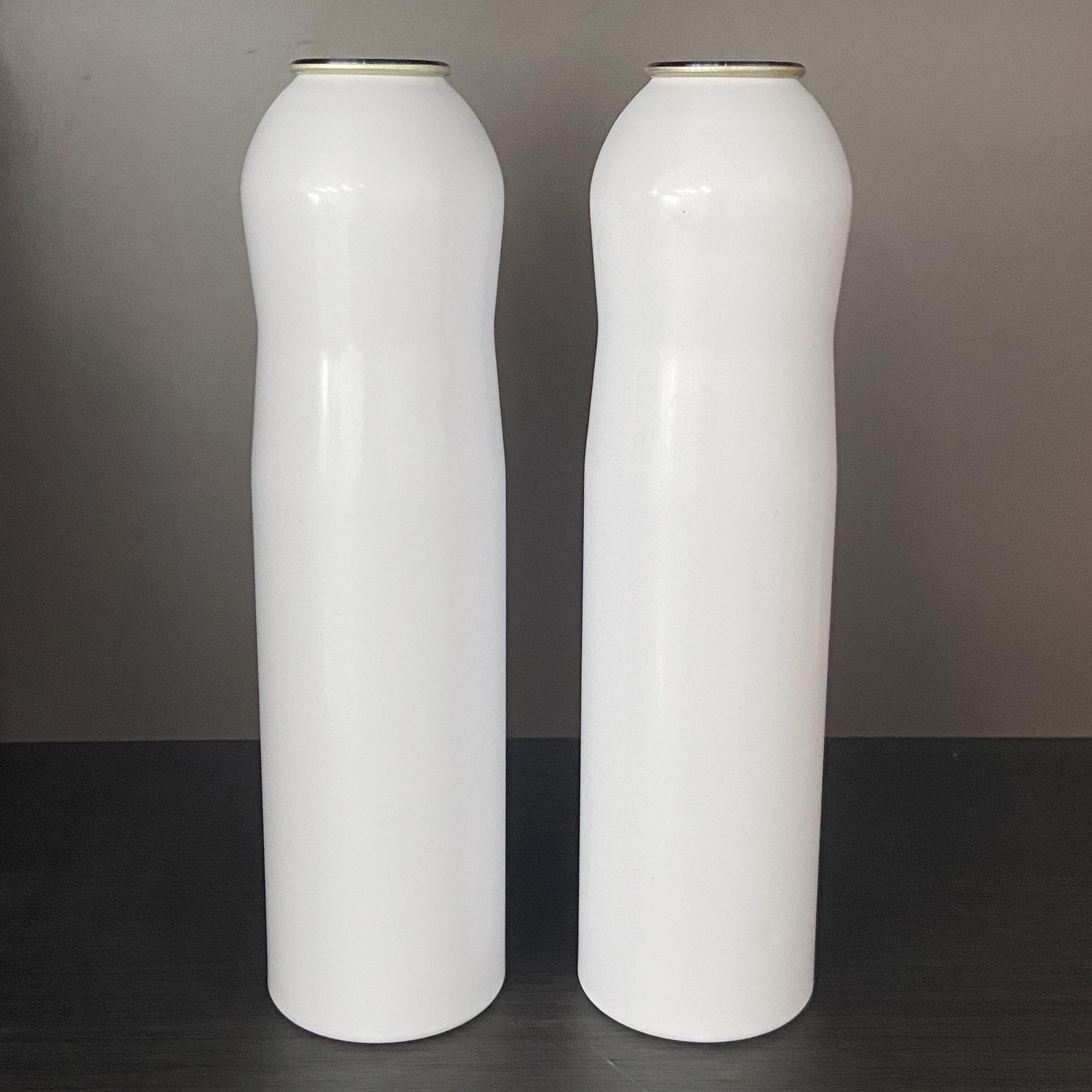
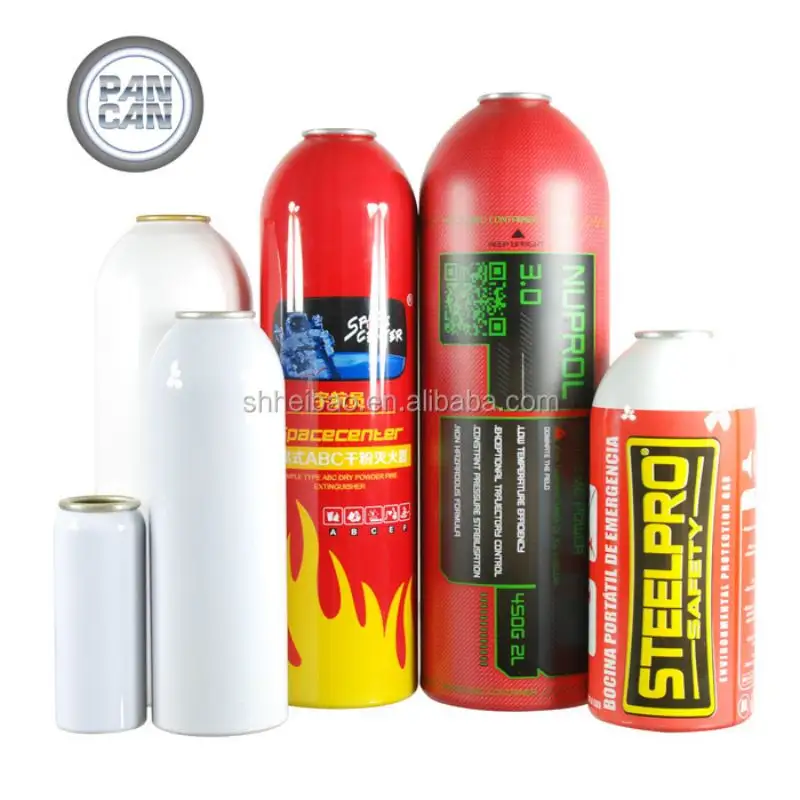
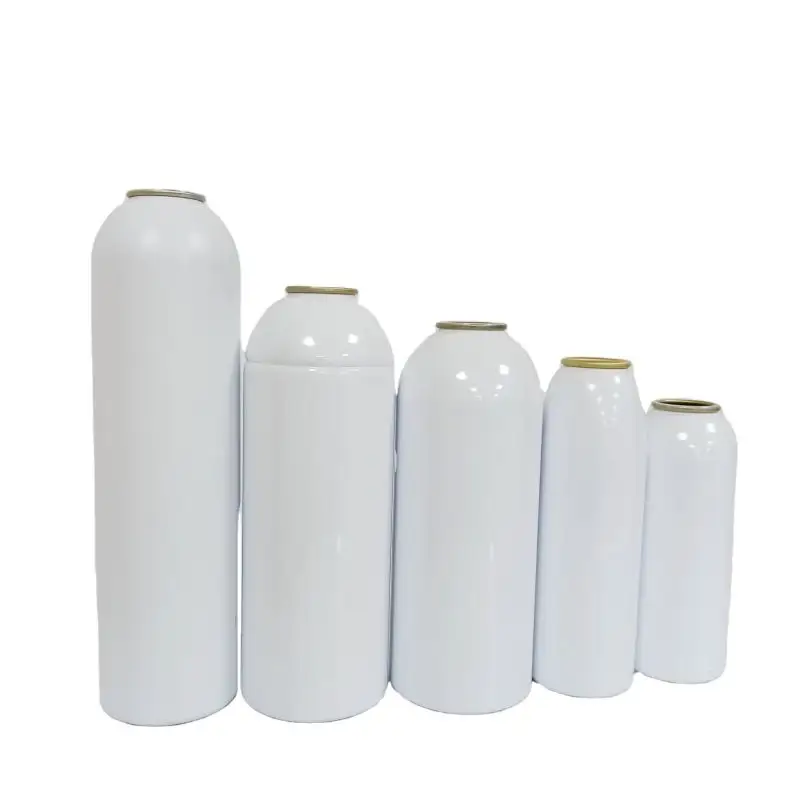
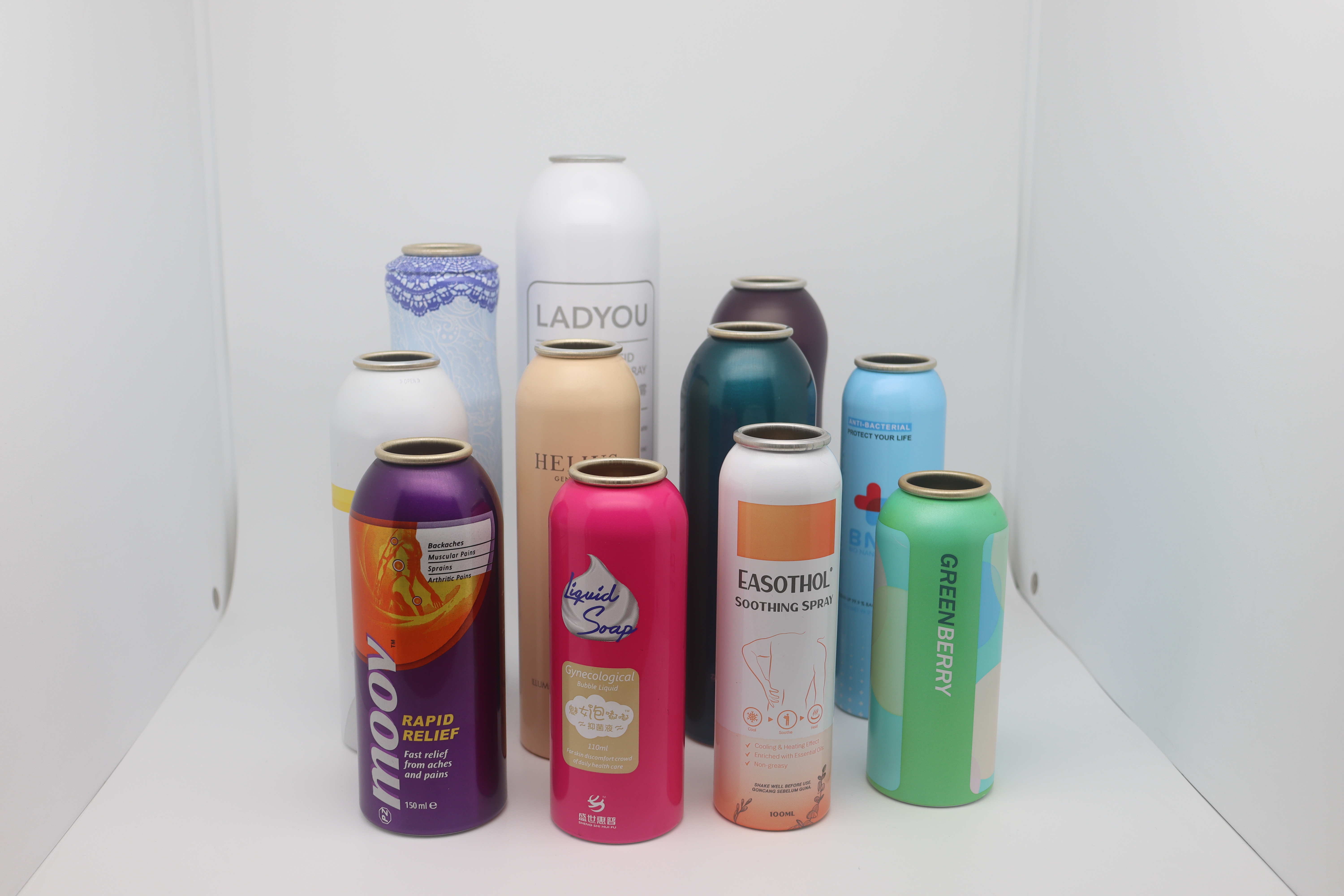
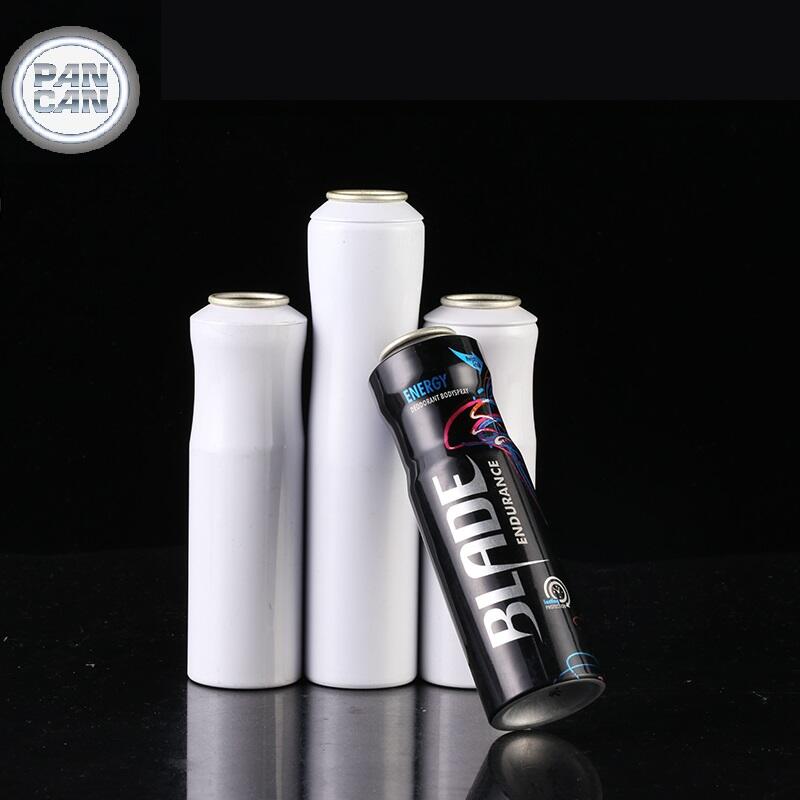
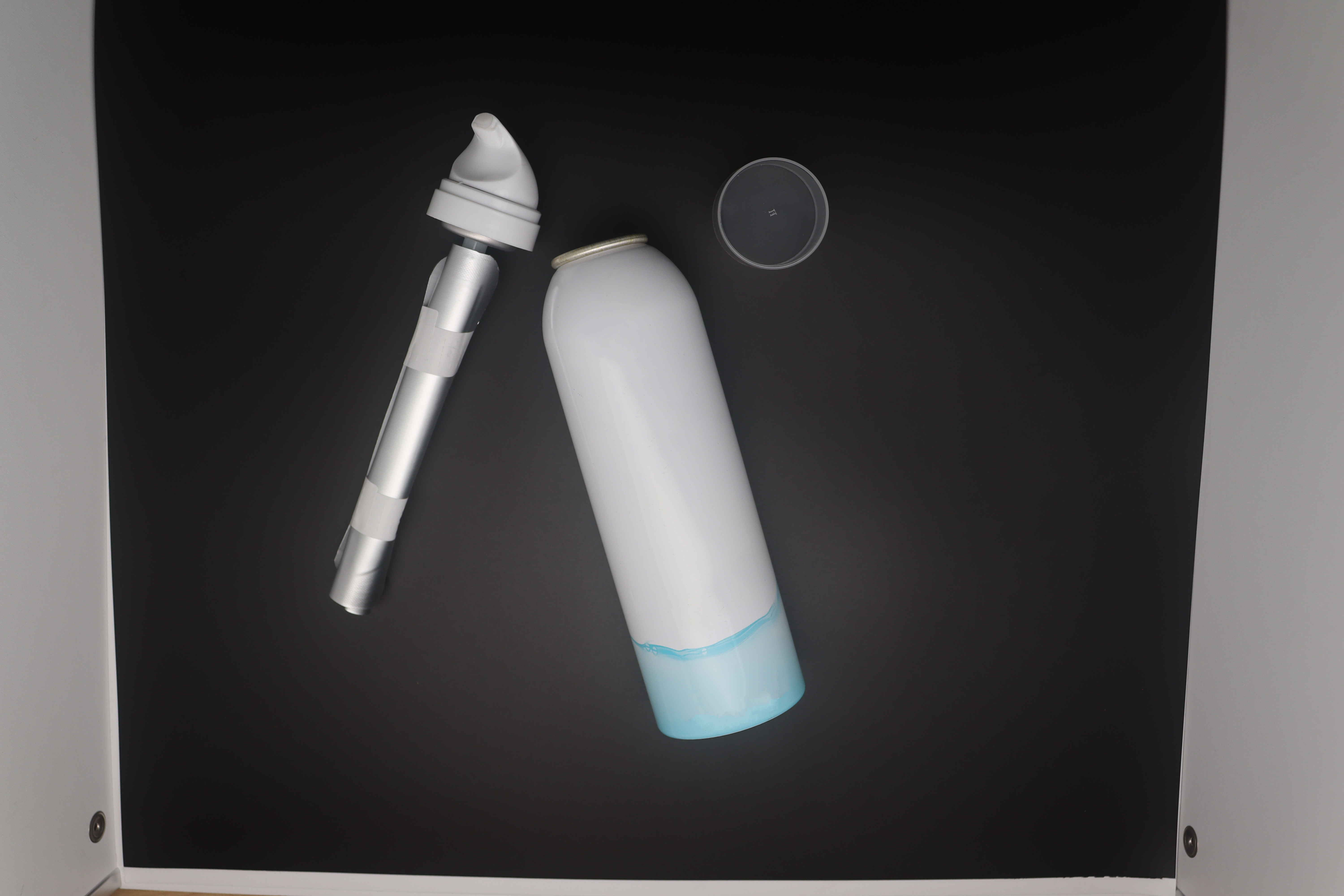
aerosol can for chemicals
The aerosol can for chemicals represents a revolutionary packaging solution that has transformed how industrial and commercial chemicals are stored, transported, and dispensed. This sophisticated container system combines advanced engineering with practical functionality to deliver chemicals in a controlled, efficient manner. The primary function of an aerosol can for chemicals involves creating a pressurized environment where chemical substances can be propelled through a valve system using compressed gas or liquefied propellant. This mechanism ensures precise application while maintaining product integrity throughout the dispensing process. Technological features of the aerosol can for chemicals include multi-layered construction materials that provide excellent barrier properties against moisture, oxygen, and other environmental factors that could compromise chemical stability. The valve assembly incorporates precision-engineered components that regulate flow rates and spray patterns, allowing users to achieve consistent results with every application. Advanced sealing technologies prevent leakage and contamination, while specialized coatings protect the internal surfaces from chemical reactions. The aerosol can for chemicals finds extensive applications across numerous industries including automotive maintenance, electronics manufacturing, industrial cleaning, pest control, and laboratory research. In automotive sectors, these containers deliver brake cleaners, degreasers, and protective coatings with pinpoint accuracy. Electronics manufacturers rely on aerosol cans for chemicals like contact cleaners and flux removers that require contamination-free application. Industrial facilities use these systems for equipment maintenance, surface preparation, and quality control processes. Laboratory environments benefit from the precise dispensing capabilities when handling reagents, solvents, and analytical chemicals. The versatility of the aerosol can for chemicals extends to specialized applications such as pharmaceutical manufacturing, food processing, and research development where contamination control and accurate dosing are critical requirements for operational success and regulatory compliance.

 EN
EN