Ergonomic Design Excellence for Enhanced User Experience
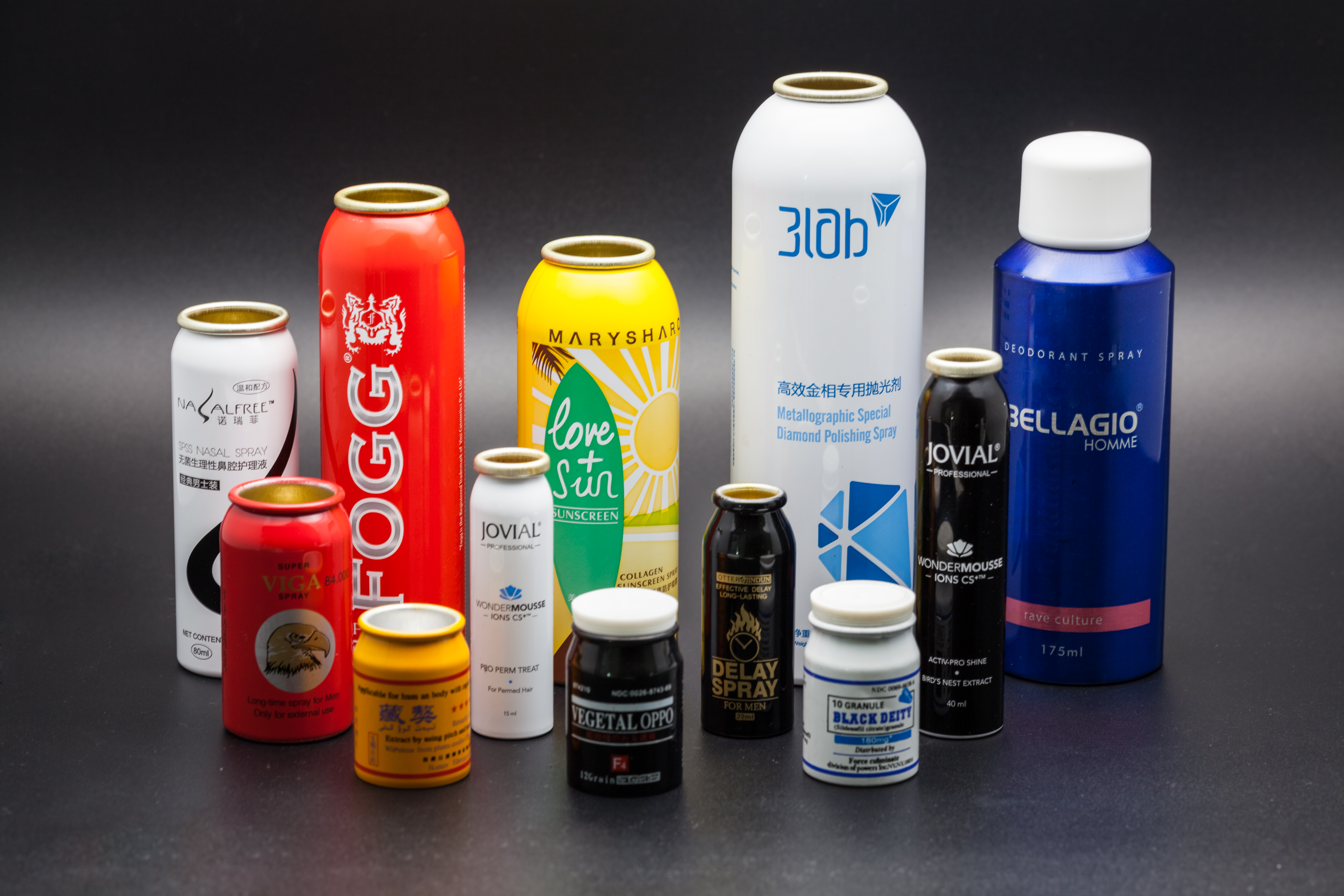
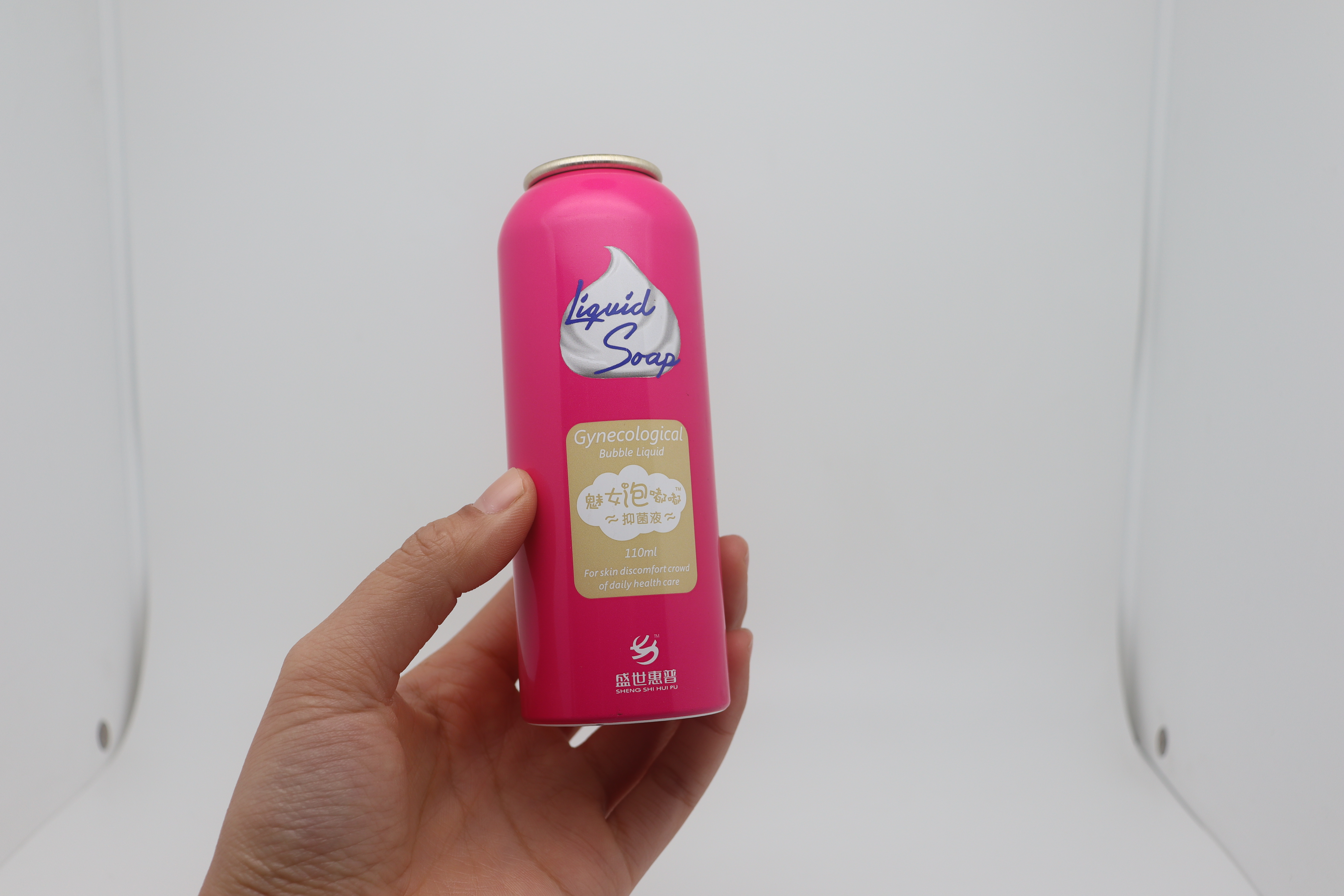
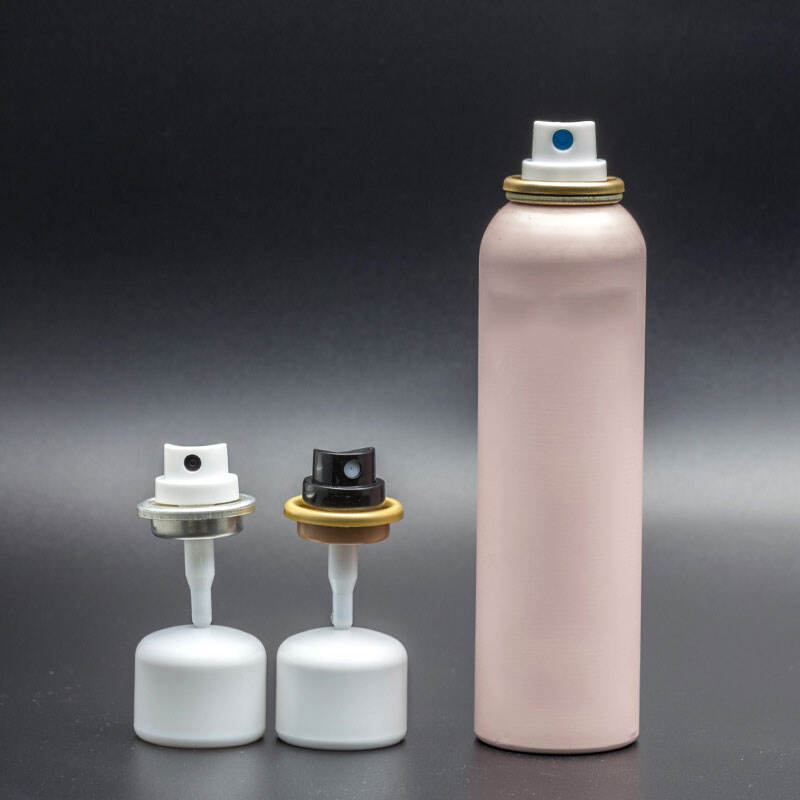
The ergonomic design philosophy behind contemporary deodorant cans prioritizes user comfort, accessibility, and functionality, creating products that seamlessly integrate into diverse lifestyle patterns and physical requirements. Extensive research into human factors and user interaction patterns has informed the development of container shapes that fit naturally in various hand sizes, from petite to large, ensuring comfortable grip and control during application processes. The contoured surface design incorporates subtle texture patterns that enhance grip security, preventing accidental drops even when hands are wet or when users are in motion. Strategic weight distribution balances the container's center of gravity, reducing wrist strain during extended use sessions and making the products accessible to individuals with arthritis or limited hand strength. The actuator button positioning follows universal design principles, placing controls within easy reach of index fingers while maintaining clearance for thumbs and other digits. The button surface features raised tactile indicators that provide feedback for users with visual impairments, ensuring inclusive accessibility across diverse user populations. Compact sizing optimizes portability without sacrificing capacity, allowing deodorant cans to fit comfortably in standard pocket dimensions, small purses, or travel toiletry kits. The streamlined profile reduces bulk while maintaining structural integrity, making these containers ideal for active individuals who require reliable personal care products during travel, exercise, or professional activities. Color-coded systems and clear labeling enhance product identification, reducing confusion in shared bathroom environments or when users maintain multiple deodorant varieties for different occasions. The smooth surface finish resists fingerprint accumulation and facilitates easy cleaning, maintaining aesthetic appeal throughout the product's lifespan. Rounded edges eliminate sharp corners that could cause discomfort during handling or potential injury if dropped. The overall design aesthetic combines functional excellence with visual appeal, creating products that users feel confident displaying in personal spaces or carrying in professional environments. These ergonomic considerations demonstrate how thoughtful design can transform routine personal care activities into comfortable, efficient experiences that accommodate the full spectrum of user needs and preferences.

 EN
EN