
 EN
EN


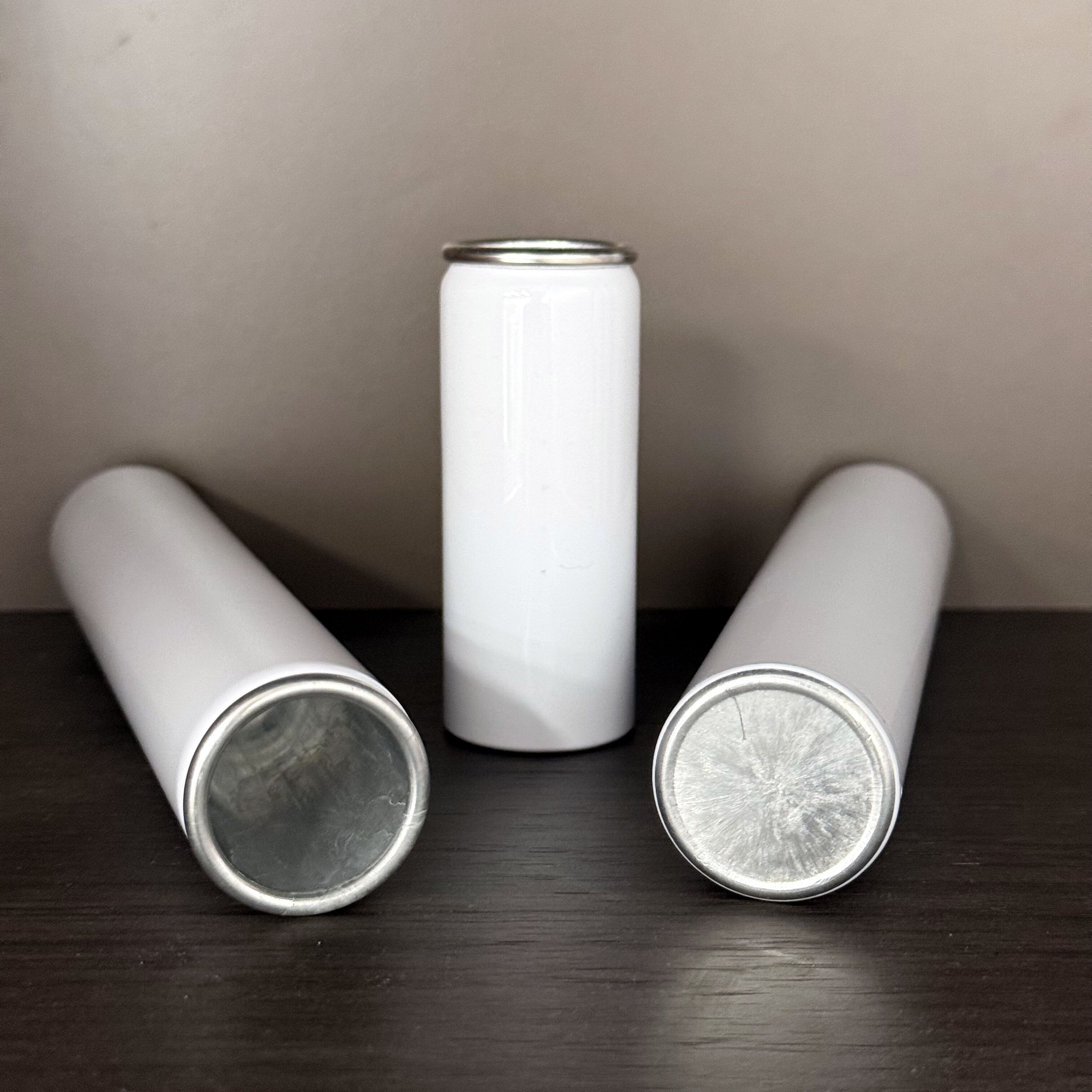
In the competitive landscape of premium skincare and cosmetic packaging, the aluminum pump bottle has emerged as the gold standard for brands seeking to elevate their product presentation while ensuring optimal preservation of delicate formulations. These sophisticated containers combine functional excellence with aesthetic appeal, making them particularly well-suited for high-value serums, lotions, and treatment products that demand superior protection from environmental factors. As consumer expectations continue to rise and sustainability becomes non-negotiable, the aluminum pump bottle represents a strategic packaging choice that addresses multiple brand objectives simultaneously, from product integrity to shelf presence and environmental responsibility.
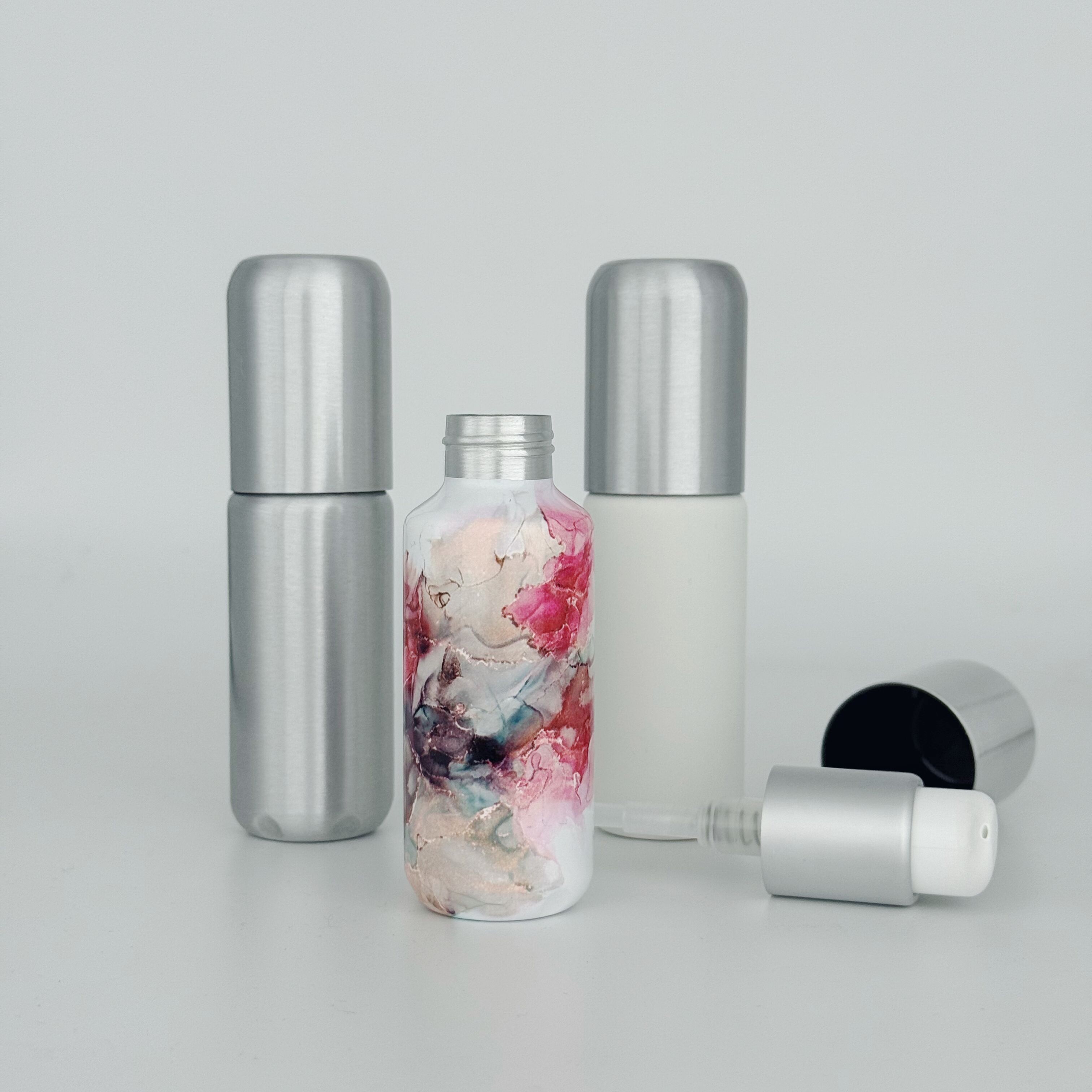
The selection of packaging for luxury skincare formulations extends far beyond mere aesthetics, encompassing critical considerations around ingredient stability, dosage precision, contamination prevention, and brand positioning. The aluminum pump bottle addresses each of these concerns with engineering precision, offering an impermeable barrier against light, oxygen, and moisture while delivering a tactile and visual experience that communicates premium quality. This comprehensive exploration examines why leading skincare brands increasingly specify aluminum pump bottles for their most sophisticated formulations, analyzing the material science, functional advantages, and market positioning benefits that make these containers indispensable in the luxury segment.
Material Science Behind Aluminum Packaging Excellence
Barrier Properties That Protect Active Ingredients
The fundamental advantage of an aluminum pump bottle lies in its exceptional barrier performance, which is particularly critical for luxury serums and lotions containing sensitive active ingredients such as retinoids, vitamin C derivatives, peptides, and botanical extracts. Unlike plastic alternatives that exhibit varying degrees of permeability, aluminum provides a complete barrier against oxygen transmission, preventing oxidative degradation that can compromise both efficacy and stability. This impermeability ensures that formulations maintain their intended potency throughout the product lifecycle, from manufacturing through distribution to consumer use, which is essential for premium products where performance justification supports higher price points.
Light protection represents another critical function where the aluminum pump bottle excels, as many active cosmetic ingredients are photosensitive and degrade rapidly when exposed to UV or visible light. The opaque nature of aluminum eliminates light transmission entirely, creating a protective environment that maintains ingredient integrity far more effectively than amber or colored plastic alternatives. This complete light barrier is particularly valuable for formulations containing unstable actives that would otherwise require additional stabilizers or reduced concentrations, allowing brands to deliver more potent products with cleaner ingredient profiles.
Moisture barrier performance distinguishes aluminum packaging in applications where hygroscopic ingredients or water-sensitive actives are present, as the material prevents moisture ingress that could alter product texture, trigger microbial growth, or dilute active concentrations. This protective capability extends shelf life naturally, reducing the need for aggressive preservative systems that some consumers prefer to avoid. The combination of oxygen, light, and moisture protection makes the aluminum pump bottle uniquely suited for preserving the most delicate and expensive formulation components that define luxury skincare efficacy.
Structural Integrity and Premium Perception
The physical properties of aluminum contribute significantly to the premium positioning of products packaged in these containers, as the material's weight, coolness to touch, and resistance to deformation all signal quality and substantiality to consumers. The tactile experience of handling an aluminum pump bottle differs markedly from plastic alternatives, with a perceived density and coolness that subconsciously communicate value and sophistication. This sensory distinction proves particularly important in luxury retail environments where consumers evaluate products through multiple touch points before purchase decisions.
Structural rigidity ensures that an aluminum pump bottle maintains its form throughout the product lifecycle, resisting the denting, warping, and degradation that can affect plastic containers, particularly those subjected to temperature variations during storage and shipping. This dimensional stability not only preserves aesthetic appearance but also ensures consistent pump mechanism performance, as structural deformation can interfere with internal components and compromise dispensing precision. For brands investing in premium formulations, the assurance that packaging will maintain both form and function throughout distribution channels represents a significant risk mitigation factor.
The customization potential of aluminum surfaces enables sophisticated branding executions that would be difficult or impossible to achieve with plastic substrates, including high-definition printing, metallic finishes, embossing, and tactile surface treatments that enhance brand recognition and shelf differentiation. The aluminum pump bottle serves as a three-dimensional branding canvas where material quality itself becomes part of the brand message, communicating values of permanence, precision, and environmental consideration that resonate with luxury consumer segments.
Functional Advantages for Serum and Lotion Dispensing
Dosage Control and Product Conservation
Precision dispensing capabilities represent a critical functional advantage of the aluminum pump bottle design, particularly for expensive serums where accurate dosage control directly impacts both product performance and consumer value perception. Quality pump mechanisms deliver consistent volumes with each actuation, typically ranging from 0.15 to 0.25 milliliters, enabling consumers to use precisely the amount needed without waste or guesswork. This controlled dispensing becomes especially important for potent serums containing high concentrations of active ingredients, where using too much provides no additional benefit while using too little may fail to deliver visible results.
The aluminum pump bottle design eliminates the need for consumers to open containers repeatedly, which introduces contamination risks and accelerates product degradation through oxygen exposure. The closed-system dispensing approach maintains product integrity from first use to final dose, preserving formulation stability that would otherwise deteriorate with each opening. This protection is particularly valuable for preservative-free or naturally preserved formulations that lack the chemical defenses of conventionally preserved products, extending usability periods while maintaining safety standards.
Evacuation efficiency determines how much product remains accessible versus trapped in container dead space, and well-engineered aluminum pump bottle systems can achieve evacuation rates exceeding 95 percent, ensuring that consumers can access nearly all of the expensive formulation they purchased. This high recovery rate contrasts favorably with jar packaging where significant product remains adhered to sidewalls or trapped in corners, creating consumer frustration and effectively increasing the cost per use. For luxury products where price per milliliter can be substantial, maximizing product accessibility directly impacts perceived value and consumer satisfaction.
Contamination Prevention and Hygiene Maintenance
The airless design principles often incorporated into aluminum pump bottle construction create a vacuum environment that prevents air backflow into the container, eliminating a primary contamination pathway that can introduce bacteria, fungi, and environmental particles into formulations. This sanitary dispensing approach proves especially critical for products used around the delicate eye area or on compromised skin, where contamination could trigger adverse reactions or infections. The hygiene advantage supports both product safety and efficacy, as microbial contamination can also degrade active ingredients and alter product performance.
Touchless product contact distinguishes pump dispensing from jar or tube formats where fingers repeatedly contact product surfaces, transferring bacteria and oils that accelerate degradation and create safety concerns. The aluminum pump bottle enables consumers to dispense product directly onto fingertips or application tools without ever touching the bulk formulation, maintaining pristine condition throughout the usage period. This contamination prevention becomes a key selling point for brands emphasizing clean beauty, dermatological safety, or products intended for acne-prone and sensitive skin where bacterial introduction could exacerbate conditions.
Dip tube materials and pump mechanism components in quality aluminum pump bottle systems utilize materials specifically selected for chemical compatibility with skincare formulations, preventing reactions that could leach compounds into products or degrade components over time. This material compatibility extends to resistance against essential oils, alcohols, and other common cosmetic solvents that might compromise inferior pump systems, ensuring long-term reliability across diverse formulation types. For brands developing complex serums with multiple active systems, this chemical inertness provides formulation flexibility without packaging constraints.
Sustainability Profile and Environmental Positioning
Recyclability and Circular Economy Integration
The aluminum pump bottle offers compelling sustainability credentials that increasingly influence purchasing decisions among environmentally conscious luxury consumers, as aluminum ranks among the most efficiently recycled materials globally with established collection and processing infrastructure. Unlike many plastic packaging formats that face limited recycling acceptance or downcycling into lower-value applications, aluminum maintains its material properties through infinite recycling cycles, enabling true circular economy participation where today's container becomes tomorrow's packaging without quality degradation.
Recycling energy efficiency strongly favors aluminum, as producing new aluminum from recycled material requires approximately 95 percent less energy than primary production from bauxite ore, creating significant carbon footprint reductions that brands can credibly communicate as part of sustainability positioning. This energy advantage translates directly to greenhouse gas emission reductions, supporting corporate environmental goals and consumer preferences for lower-impact products. For luxury brands where sustainability has evolved from optional consideration to essential brand attribute, the aluminum pump bottle provides substantive environmental performance rather than merely symbolic gestures.
Design for disassembly considerations in modern aluminum pump bottle engineering facilitate component separation, enabling consumers and recycling facilities to efficiently separate aluminum bodies from pump mechanisms, improving overall recyclability rates. Progressive brands increasingly provide clear guidance on component separation and recycling pathways, transforming end-of-life management from ambiguous consumer responsibility into straightforward process. This attention to recyclability details reinforces brand commitment to environmental stewardship while addressing consumer frustration with packaging that claims recyclability without providing practical guidance.
Durability and Reuse Potential
The inherent durability of an aluminum pump bottle supports extended product lifecycles and potential reuse applications that align with zero-waste principles gaining traction in luxury consumer segments. The material's resistance to degradation, staining, and odor retention makes aluminum containers ideal candidates for refill programs where containers are returned, sanitized, and refilled, reducing single-use packaging while maintaining the hygiene and quality standards essential for skincare products. Several pioneering luxury brands have successfully implemented such programs, with aluminum packaging proving particularly suitable for the industrial cleaning and sterilization processes required.
Consumer repurposing represents another sustainability dimension where aluminum pump bottle quality supports secondary uses after the original product is consumed, with many consumers retaining attractive aluminum containers for storage, organization, or alternative liquid dispensing applications. This extended utility contrasts with disposable plastic packaging that typically proceeds directly to waste streams, as the perceived quality and aesthetic appeal of aluminum encourages retention and reuse. For brands, this extended visibility in consumer environments provides ongoing brand exposure and reinforces quality perceptions long after the purchase transaction.
The longevity advantage of aluminum packaging reduces replacement frequency compared to plastic alternatives that may degrade, discolor, or develop functionality issues over shorter periods, particularly when exposed to temperature variations or certain formulation components. This durability translates to reduced resource consumption across supply chains, as longer-lasting packaging requires fewer replacement units and generates less waste over equivalent time periods. For luxury brands emphasizing quality and longevity as core values, the aluminum pump bottle physically embodies these principles in a tangible consumer touchpoint.
Brand Positioning and Market Differentiation Strategies
Visual Impact and Shelf Presence
The distinctive appearance of an aluminum pump bottle creates immediate visual differentiation in crowded retail environments where countless products compete for consumer attention within milliseconds of shelf scanning. The material's natural luster, even when finished with matte or textured coatings, catches and reflects light differently than plastic alternatives, creating dynamic visual interest that draws eyes and encourages closer examination. This attention-capturing capability proves particularly valuable in luxury retail contexts where visual browsing precedes detailed product consideration and purchase decisions.
Finish versatility enables brands to achieve precise aesthetic alignment with overall brand identity, whether that involves high-polish metallics suggesting technological sophistication, soft-touch matte finishes communicating organic naturalism, or specialty coatings creating unique tactile experiences. The aluminum pump bottle substrate accepts these diverse finish treatments more effectively than plastic alternatives, enabling execution of design visions that would be technically challenging or cost-prohibitive with other materials. This customization capability empowers brands to create packaging that functions as three-dimensional brand expression rather than mere product containment.
Color application options extend beyond conventional printing to include anodizing processes that alter the aluminum surface itself, creating integrated color that resists chipping, scratching, and fading more effectively than applied coatings. This color permanence ensures that aluminum pump bottle packaging maintains pristine appearance throughout the supply chain and consumer usage period, avoiding the degraded appearance that can diminish perceived quality and trigger negative brand associations. For luxury products where every touchpoint must reinforce premium positioning, this appearance retention throughout the product lifecycle represents significant value.
Perceived Value and Price Justification
The aluminum pump bottle contributes tangibly to perceived product value, enabling brands to command premium price points that might face consumer resistance if the same formulations were presented in basic plastic packaging. Research consistently demonstrates that packaging materials significantly influence quality perceptions and willingness to pay, with metal packaging generally associated with higher quality than plastic equivalents, even when formulation quality remains constant. This perception premium helps justify the investments luxury brands make in advanced formulations, research, and ingredient sourcing.
Gift-worthiness considerations become increasingly important in luxury cosmetics where a significant portion of purchases represent gifts rather than personal use, and the aluminum pump bottle presents a package that recipients perceive as special and valuable. The unboxing experience, weight in hand, and visual presentation all contribute to positive emotional responses that reinforce the gift-giver's thoughtfulness and the brand's premium positioning. This gift appeal extends market reach beyond core users to gift purchasers who may evaluate products primarily on presentation quality rather than formulation details.
The professional association of aluminum packaging, commonly specified for salon and spa professional products, transfers credibility and efficacy expectations to retail products, suggesting that formulations meet elevated performance standards associated with professional channels. This professional linkage proves particularly effective for brands bridging professional and consumer markets, as the aluminum pump bottle creates visual and tactile continuity across channels while communicating serious formulation intentions. For consumers seeking professional-grade results at home, the packaging itself serves as reassuring evidence of product caliber.
Application Considerations for Different Formulation Types
Serum-Specific Performance Requirements
Luxury serums represent perhaps the ideal application for aluminum pump bottle packaging, as these concentrated formulations typically contain the highest active ingredient levels and demand maximum protection from degradation factors. The low-viscosity nature of most serums requires pump mechanisms specifically calibrated for thin liquids, ensuring consistent dispensing without dripping, leaking, or requiring excessive actuation force. Quality aluminum pump bottle systems designed for serums incorporate precision valves and dip tube configurations that accommodate fluid dynamics while maintaining dosage accuracy across the full product volume.
Active ingredient sensitivity in advanced serums, particularly those containing vitamin C, retinoids, growth factors, or peptides, makes the complete barrier protection of an aluminum pump bottle essential rather than merely advantageous. These ingredients can degrade within days or weeks when exposed to oxygen and light, transforming from efficacious actives into ineffective or potentially irritating breakdown products. The investment consumers make in premium serums deserves packaging that preserves every dollar of that investment through formulation protection, making aluminum packaging a consumer value proposition as much as a brand positioning tool.
Dosage precision matters particularly for serums where recommended usage often specifies exact amounts such as two to three pumps for full face application, and consistent pump delivery enables consumers to follow these guidelines accurately. This usage control helps consumers achieve optimal results while making products last for the intended duration, supporting value perceptions and encouraging repurchase when products deliver promised benefits. The aluminum pump bottle facilitates this usage precision through engineered dispensing that plastic alternatives may struggle to match consistently.
Lotion Formulation Compatibility
Luxury lotions present different viscosity challenges than serums, requiring aluminum pump bottle systems engineered for medium to heavy formulations that flow less readily but must still dispense smoothly without requiring excessive force or multiple actuations. Modern pump technology accommodates a wide viscosity range, enabling brands to use consistent aluminum pump bottle packaging across product lines regardless of texture variations. This packaging consistency supports brand recognition and simplifies consumer navigation across product ranges where formulation viscosities may vary substantially.
Emulsion stability represents a critical concern for lotions containing carefully balanced oil and water phases, botanical extracts, and conditioning agents, as temperature fluctuations and oxidation can destabilize these systems and cause separation or texture changes. The protective environment created by an aluminum pump bottle helps maintain emulsion integrity by limiting temperature-driven expansion and contraction cycles while preventing oxidation of sensitive lipid components. This stability protection ensures that lotions maintain their intended luxurious texture from first use to last, avoiding the disappointment and waste that occurs when products degrade before consumption.
The aluminum pump bottle design accommodates additives common in luxury lotions such as light-reflecting particles, subtle pearlescence, and suspended botanical elements, ensuring these features remain evenly distributed rather than settling or separating. Quality pump mechanisms create sufficient turbulence during dispensing to redistribute any settling that may occur during storage, delivering consistent product appearance and performance with each use. This formulation versatility enables brands to incorporate signature visual and textural elements that differentiate products without compromising functionality or requiring specialized packaging adaptations.
FAQ
Why are aluminum pump bottles preferred for luxury skincare over plastic alternatives?
Aluminum pump bottles deliver superior barrier protection against oxygen, light, and moisture that can degrade sensitive active ingredients common in luxury formulations, including retinoids, vitamin C derivatives, and peptides. The material provides complete impermeability rather than the variable protection offered by plastic, ensuring formulations maintain potency and stability throughout their lifecycle. Additionally, aluminum communicates premium quality through tactile weight, visual distinctiveness, and associations with professional-grade products, supporting higher price points and luxury brand positioning. The sustainability profile of aluminum, with infinite recyclability and significantly lower energy requirements for recycled material processing, aligns with environmental values increasingly important to luxury consumers, making aluminum pump bottles a strategic choice that addresses product protection, brand positioning, and sustainability simultaneously.
How does the pump mechanism in an aluminum bottle maintain product sterility?
Modern aluminum pump bottle systems employ airless design principles that create a vacuum environment, preventing air backflow into the container that would introduce contaminants and oxygen. The pump mechanism dispenses product through one-way valves that allow outward flow while blocking inward contamination pathways, maintaining a sealed environment throughout the usage period. This closed-system approach eliminates the need for consumers to open containers or touch product surfaces directly, preventing bacterial transfer from hands that commonly occurs with jar packaging. The combination of vacuum technology, one-way valving, and touchless dispensing creates a sanitary environment that preserves both product safety and efficacy, particularly important for formulations used on sensitive skin or around eyes where contamination risks carry greater consequences.
Can aluminum pump bottles be effectively recycled after use?
Aluminum ranks among the most successfully recycled materials globally, with established collection infrastructure and processing capabilities that enable infinite recycling without material degradation. Aluminum pump bottles can be recycled through standard municipal programs after simple disassembly to separate pump mechanisms from aluminum bodies, with many manufacturers now designing pumps for easy removal to facilitate recycling. The recycling process requires approximately 95 percent less energy than producing new aluminum from ore, creating substantial environmental benefits that brands can credibly communicate. To maximize recyclability, consumers should remove pump mechanisms and rinse containers before placing aluminum bodies in recycling streams, though specific guidance may vary by local program capabilities. Progressive brands increasingly provide clear end-of-life instructions and some offer take-back programs, demonstrating comprehensive environmental stewardship beyond material selection alone.
What capacity range works best for serums and lotions in aluminum pump bottles?
Luxury serums typically perform optimally in aluminum pump bottle capacities ranging from 15 milliliters to 50 milliliters, as these volumes align with recommended usage rates and desired replacement frequencies for products containing active ingredients with limited stability windows after opening. Smaller capacities ensure products are consumed within optimal freshness periods while maintaining premium price per milliliter positioning. Lotions generally utilize larger capacities from 50 milliliters to 150 milliliters, reflecting higher per-application usage volumes and broader application areas compared to targeted serums. The aluminum pump bottle format accommodates this capacity range effectively, with pump mechanisms engineered to maintain consistent performance across varying volumes and formulation viscosities. Brands should align capacity selection with usage rate projections, desired replacement frequency, price point strategy, and stability considerations specific to their formulations, ensuring consumers can fully utilize products within periods where ingredient efficacy and safety remain optimal.
Table of Contents
- Material Science Behind Aluminum Packaging Excellence
- Functional Advantages for Serum and Lotion Dispensing
- Sustainability Profile and Environmental Positioning
- Brand Positioning and Market Differentiation Strategies
- Application Considerations for Different Formulation Types
-
FAQ
- Why are aluminum pump bottles preferred for luxury skincare over plastic alternatives?
- How does the pump mechanism in an aluminum bottle maintain product sterility?
- Can aluminum pump bottles be effectively recycled after use?
- What capacity range works best for serums and lotions in aluminum pump bottles?

