Kapasiti Pengilangan yang Komprehensif dan Kelenturan Penyesuaian
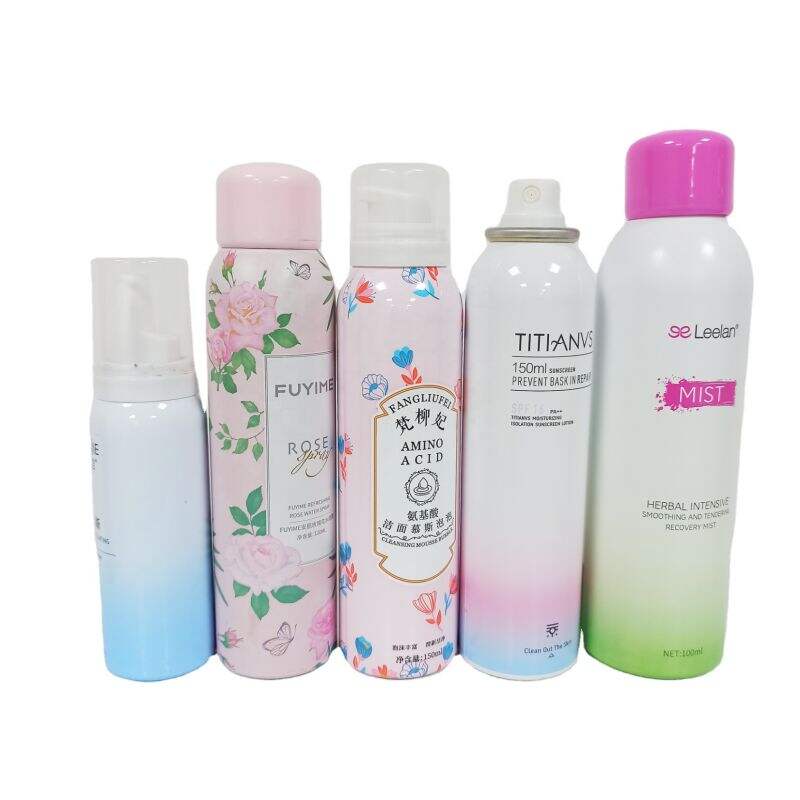
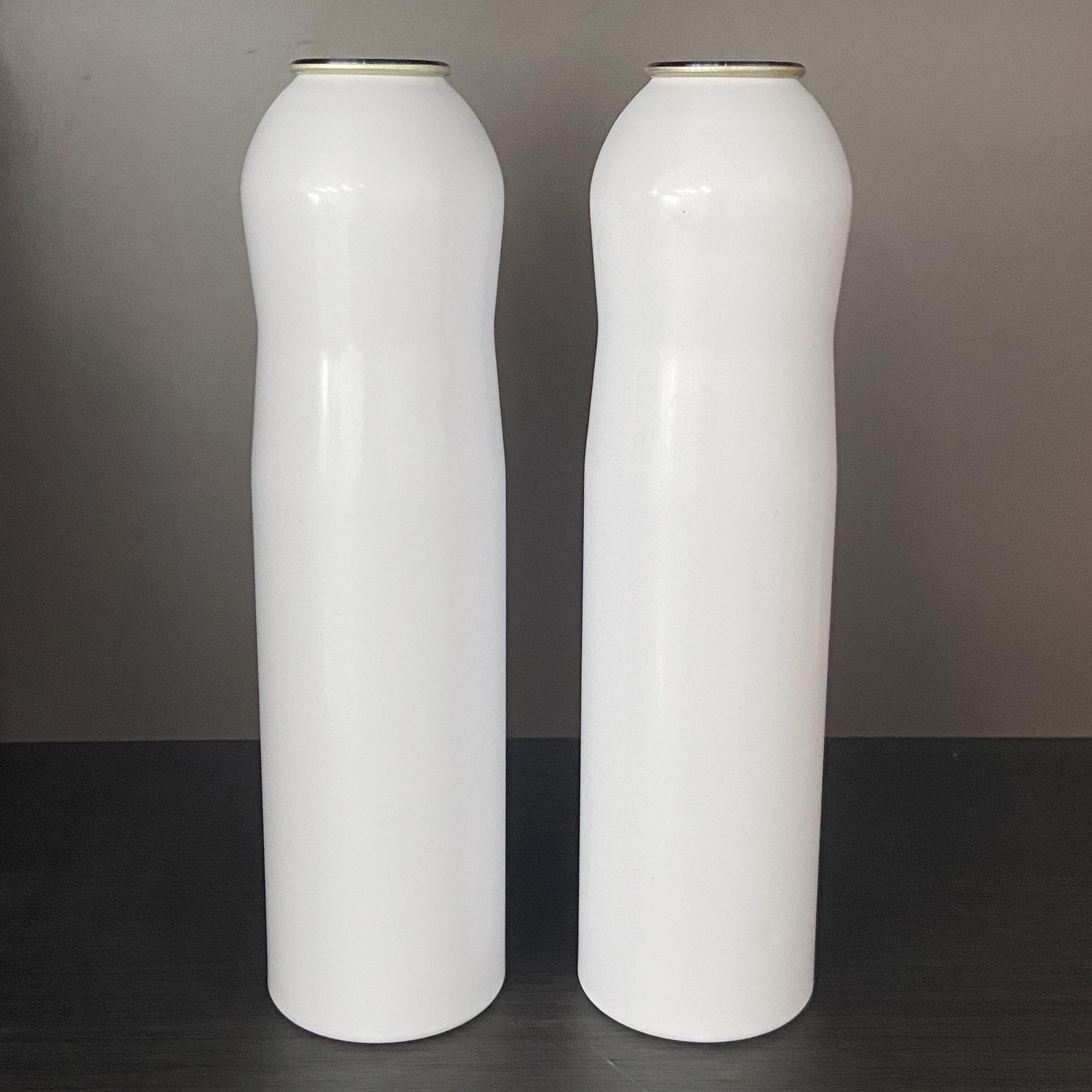
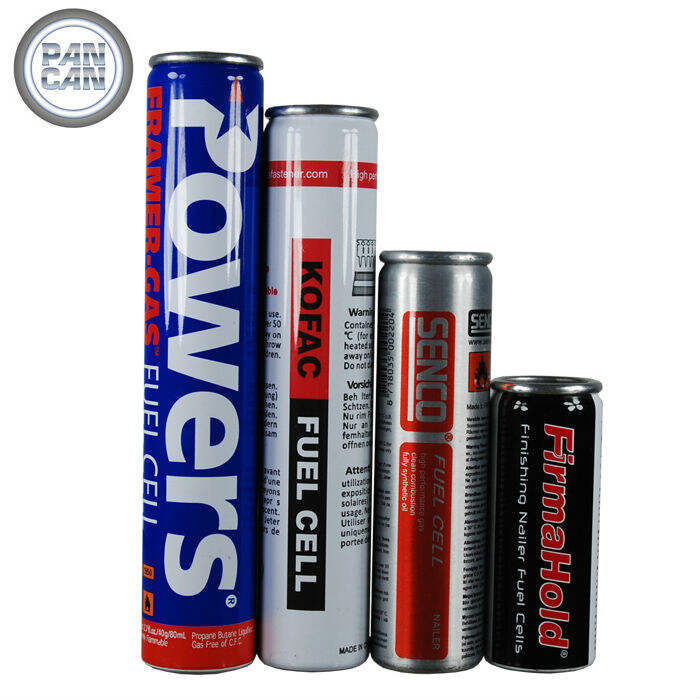
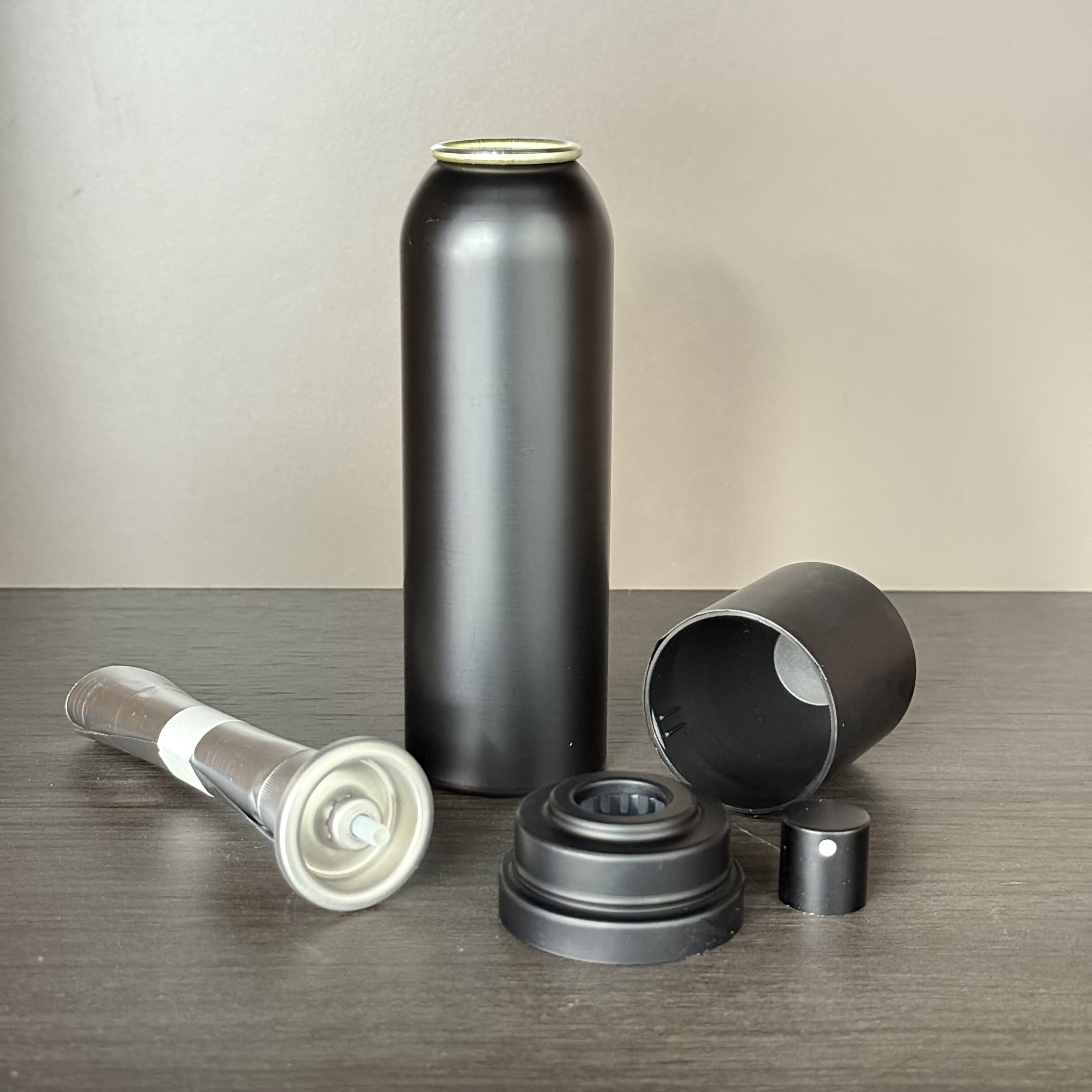
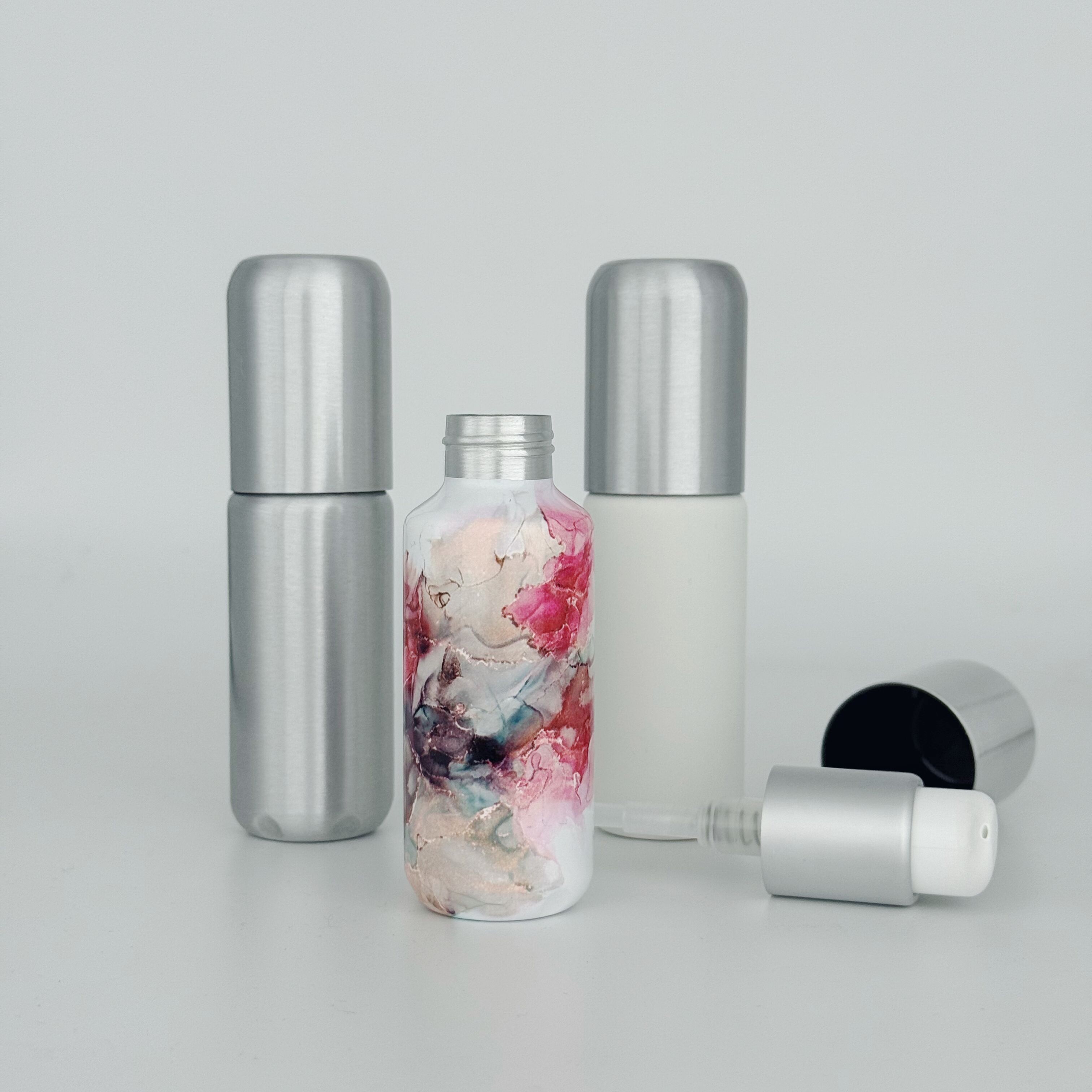
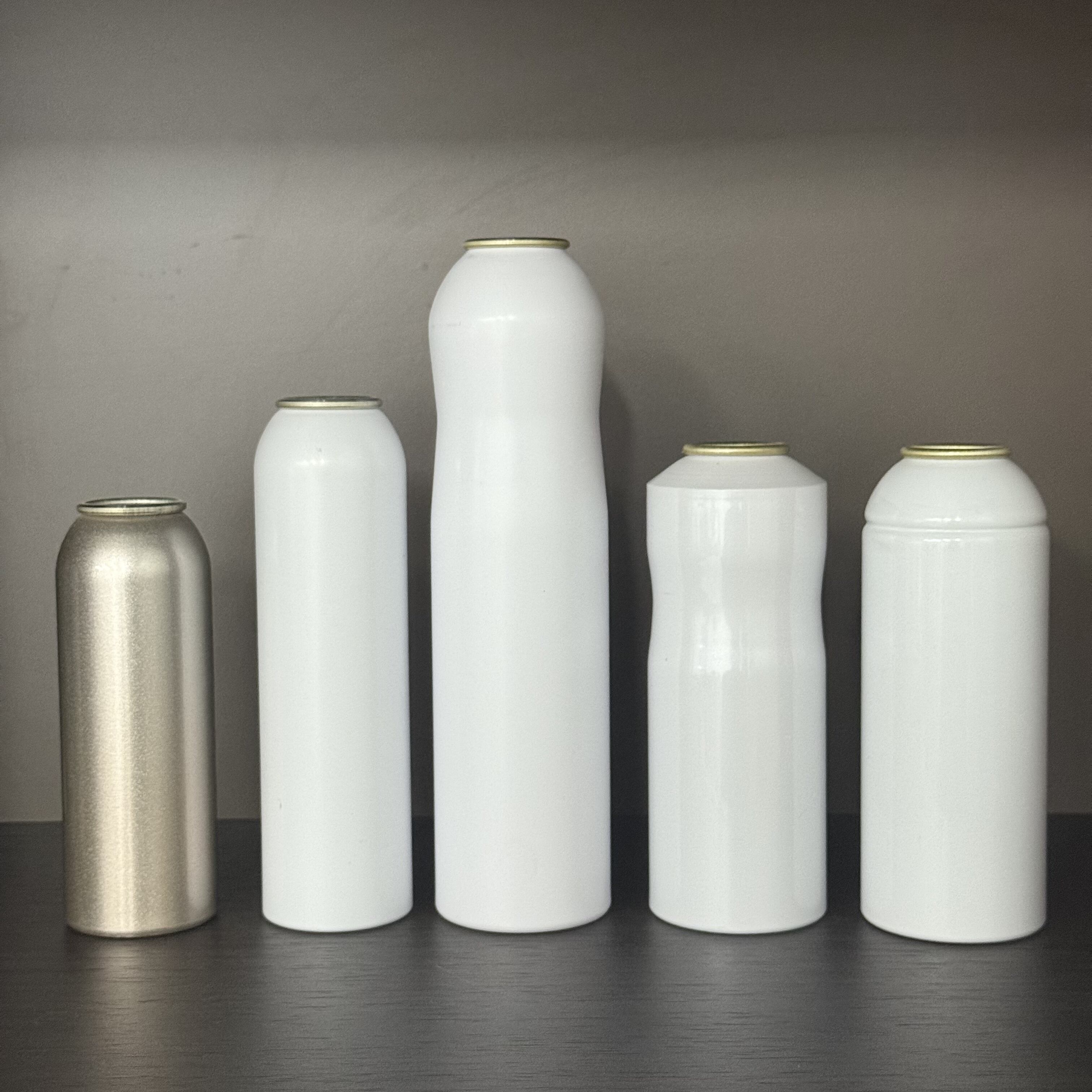
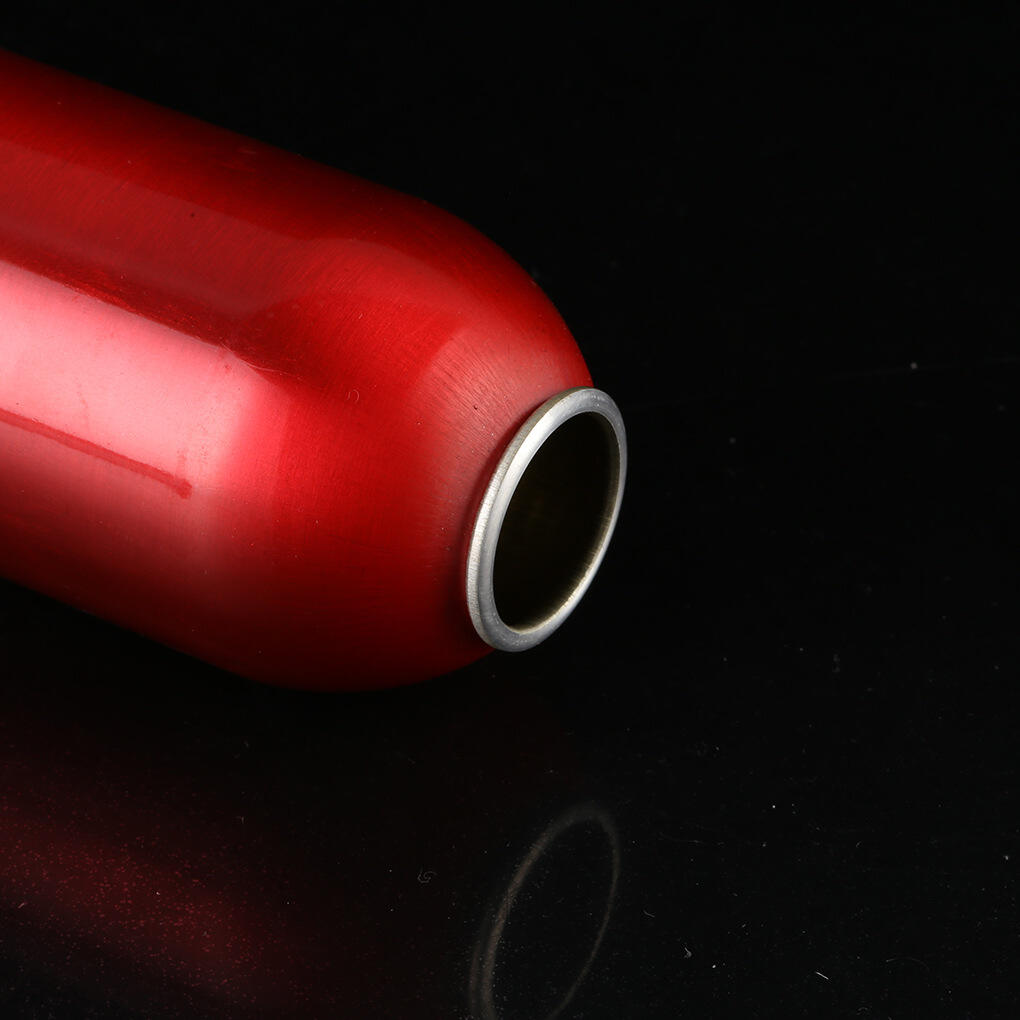
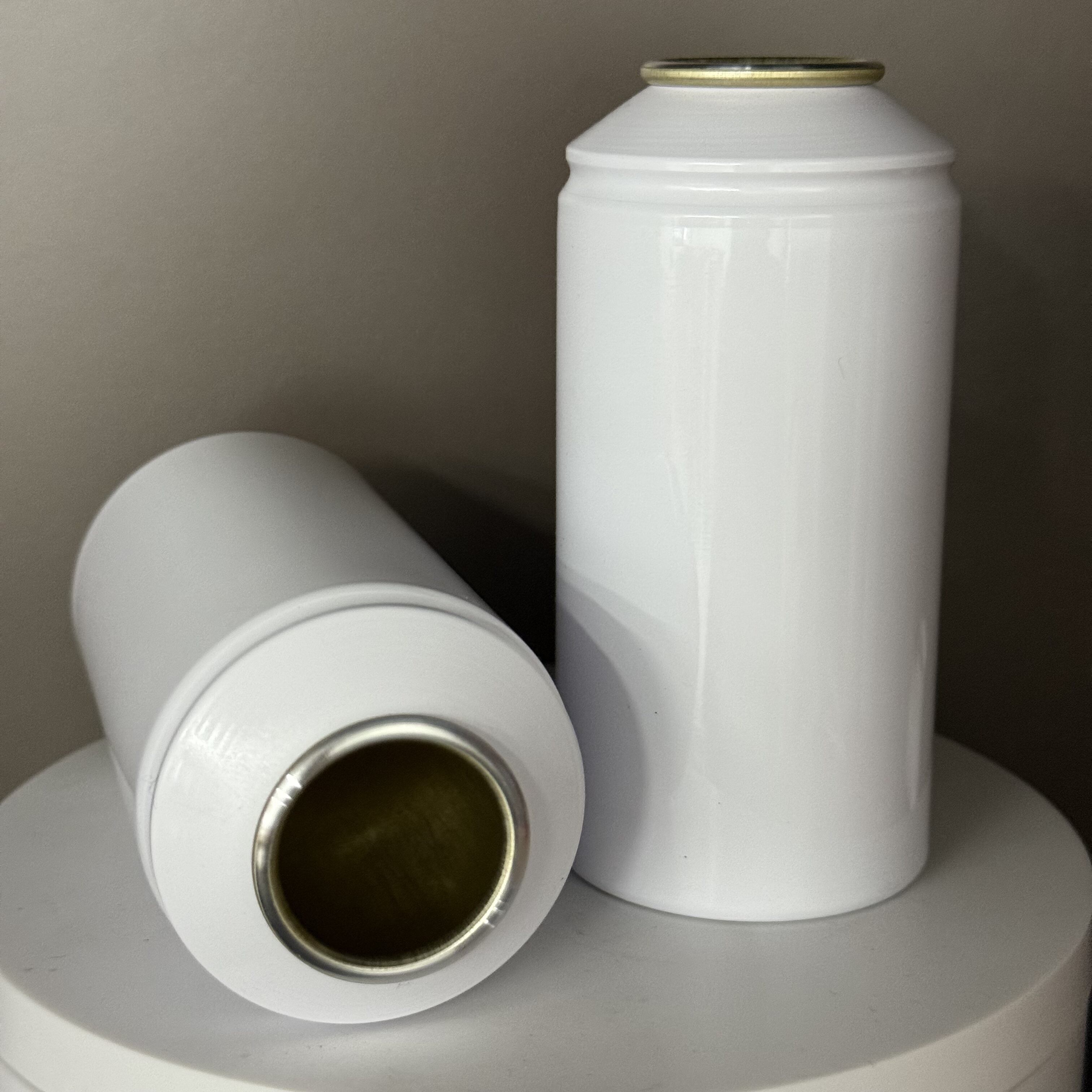
Memilih pengilang tin aerosol monoblok yang tepat memberikan akses kepada kemampuan pengeluaran yang luas, yang menyokong keperluan pengeluaran piawai serta keperluan penyesuaian khusus yang membezakan jenama anda di pasaran yang sesak. Pengilang yang telah mapan mengendalikan kemudahan pengeluaran canggih yang dilengkapi dengan pelbagai talian ekstrusi, peralatan dekorasi, dan sistem penyelesaian akhir—yang secara kolektif menghasilkan berjuta-juta bekas setiap bulan sambil mengekalkan piawaian kualiti yang ketat bagi setiap unit yang dihasilkan. Skala pengeluaran ini menjamin kelangsungan bekalan yang boleh dipercayai, malah semasa tempoh permintaan musiman puncak apabila persaingan untuk kapasiti pengeluaran dengan jenama lain boleh membahayakan ketersediaan produk dan peluang pasaran. Kelenturan pengeluaran yang melekat dalam operasi pengilang tin aerosol monoblok moden membolehkan pertukaran pantas antara pelbagai saiz, bentuk, dan spesifikasi—mengakomodasi portfolio produk yang pelbagai tanpa had pesanan minimum yang memberatkan jenama kecil atau pelancaran produk baharu dengan risiko inventori berlebihan. Kemampuan penyesuaian meluas hingga ke dimensi bekas, dengan pengilang menawarkan saiz piawai mulai daripada format padat 50 ml yang sesuai untuk produk perjalanan hingga bekas lebih besar berkapasiti 750 ml untuk aplikasi industri, serta kepakaran kejuruteraan untuk membangunkan saiz eksklusif yang mencipta identiti jenama unik dan pembezaan di rak jualan. Pilihan dekorasi yang disediakan oleh pengilang berkhidmat penuh mengubah bekas aluminium asas menjadi alat pemasaran yang berkuasa melalui teknologi pencetakan lanjutan seperti litografi offset yang meniru imej fotografik, sablon sutera untuk tinta dan tekstur khas, serta pencetakan digital untuk penyesuaian jumlah kecil dan aplikasi data berubah-ubah. Teknik penyelesaian permukaan seperti lapisan matte, rawatan sentuhan lembut, kesan logam, dan corak taktil meningkatkan nilai persepsi dan mencipta pengalaman deria yang unik—yang mengukuhkan pengiktirafan jenama serta keterlibatan pengguna. Seorang pengilang tin aerosol monoblok yang kompeten menyediakan sokongan teknikal sepanjang pembangunan produk, termasuk panduan dalam pemilihan propelan, keserasian injap, ujian formulasi, dan pengoptimuman tekanan—untuk memastikan prestasi optimum sambil mengekalkan pematuhan terhadap piawaian keselamatan. Pendekatan kolaboratif ini mempercepatkan jadual pembangunan dengan mengenal pasti isu potensial pada peringkat awal proses, sebelum pelaburan besar dilakukan dalam pembangunan formulasi dan persiapan pemasaran. Keahlian peraturan menjadi sangat bernilai apabila meneroka pasaran antarabangsa, kerana pengilang berpengalaman memahami keperluan wilayah tertentu berkaitan pensijilan bekas tekanan, pematuhan bahan, dan peraturan pengangkutan yang berbeza-beza mengikut yurisdiksi. Dokumentasi kualiti yang disediakan oleh pengilang profesional termasuk sijil bahan, keputusan ujian tekanan, dan jejak lot pengeluaran—yang memenuhi keperluan audit daripada runcit, agensi peraturan, dan sistem pengurusan kualiti. Infrastruktur pengeluaran yang dikekalkan oleh pembekal utama termasuk kemudahan penyimpanan berpengawal suhu yang melindungi inventori siap daripada pendedahan persekitaran, kemampuan logistik yang mengkoordinasikan rangkaian pengedaran kompleks, serta sistem pengurusan inventori yang memberikan visibiliti masa nyata terhadap status pesanan dan jadual penghantaran—menyederhanakan operasi rantai bekalan anda dan mengurangkan modal kerja yang terikat dalam stok keselamatan.

 EN
EN