Perlindungan Halangan Menyeluruh Memperpanjang Jangka Hayat Ubat
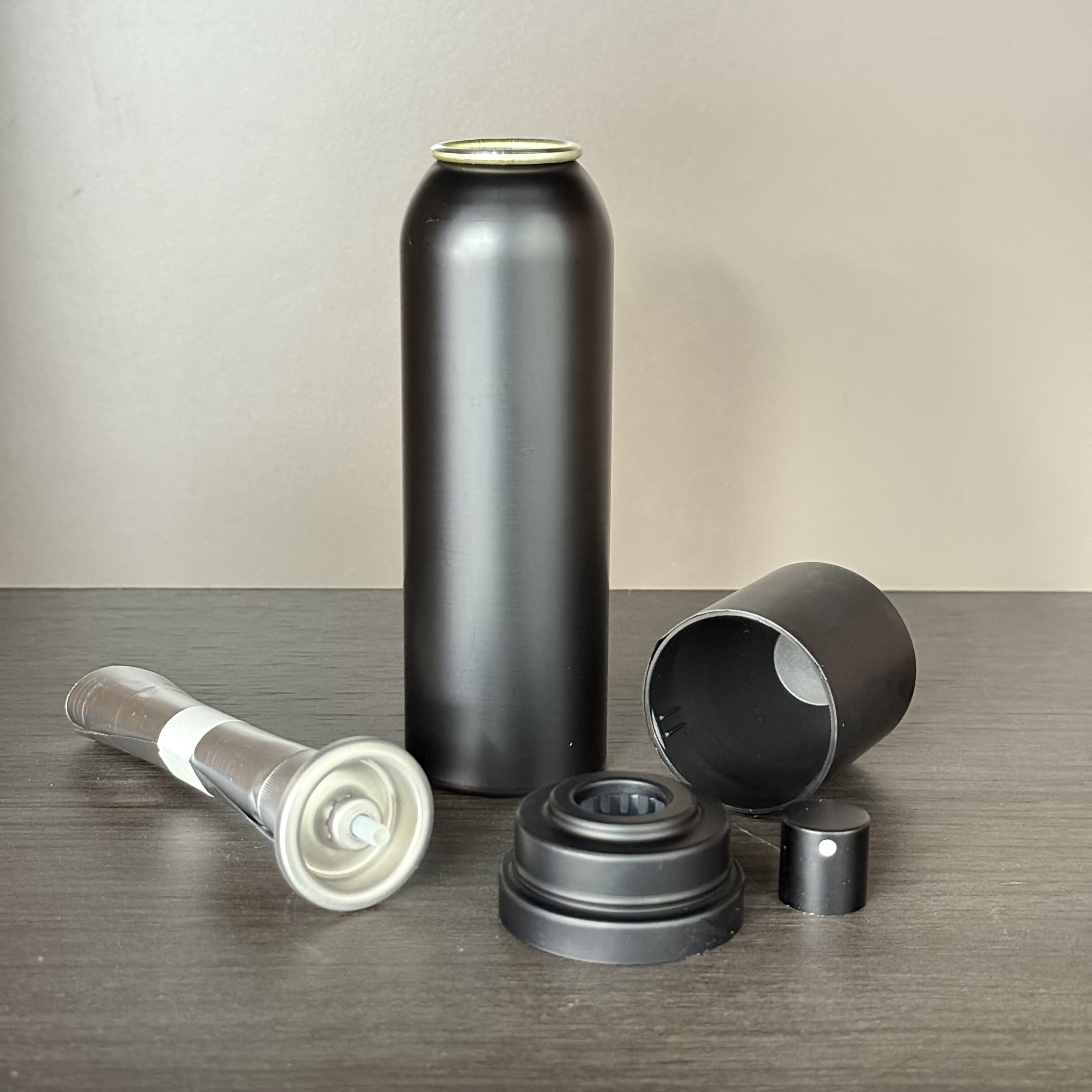
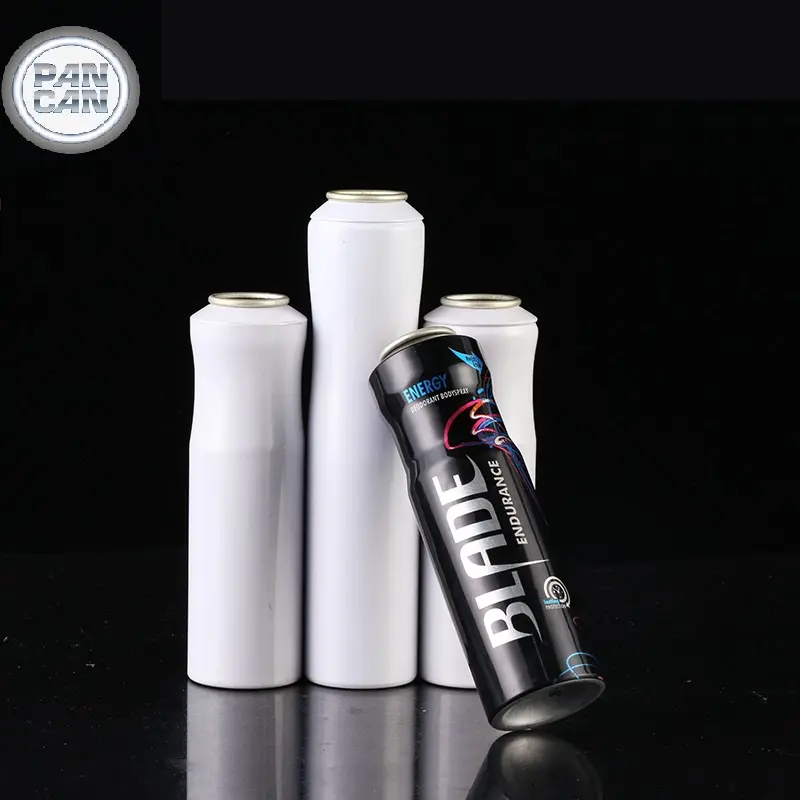
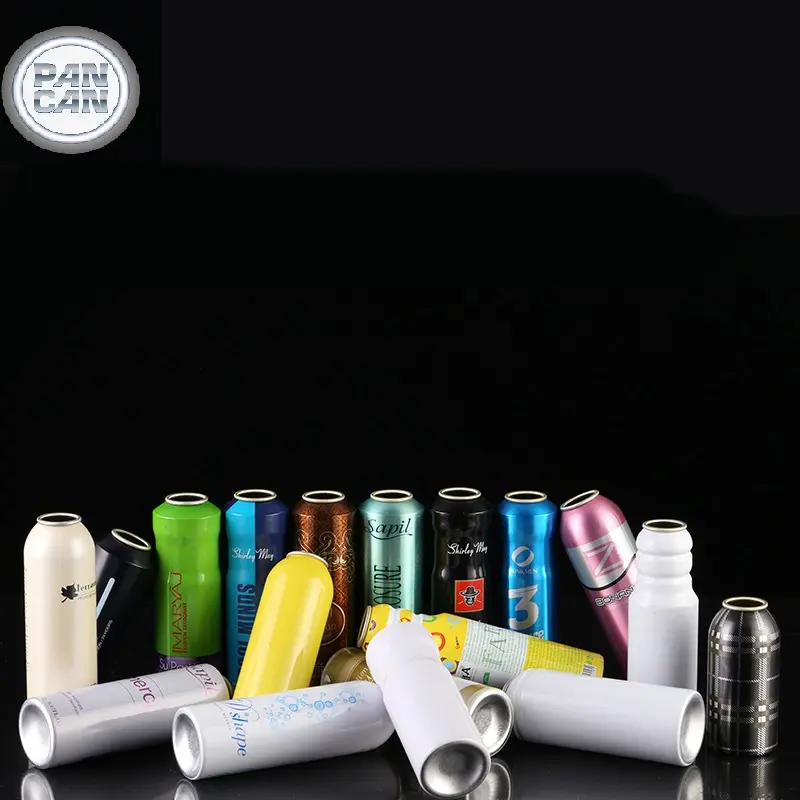
Tin aerosol monoblok untuk farmaseutikal berfungsi sebagai sistem perlindungan menyeluruh yang melindungi formulasi farmaseutikal sensitif daripada pelbagai ancaman persekitaran yang boleh merosakkan kualiti, kekuatan, dan keselamatan ubat. Bahan aktif farmaseutikal sering kali sensitif terhadap lembapan, oksigen, cahaya, dan perubahan suhu; mana-mana daripada faktor ini boleh mencetuskan laluan penguraian kimia yang mengurangkan keberkesanan terapeutik atau menghasilkan produk penguraian yang berpotensi membahayakan. Pembinaan aluminium pada tin aerosol monoblok untuk farmaseutikal memberikan halangan cahaya sepenuhnya, mencegah tindak balas fotopenguraian yang mempengaruhi banyak sebatian ubat, khususnya yang digunakan dalam terapi dermatologi dan respiratori. Berbeza dengan bahan pembungkusan yang telus atau separa-telus, halangan logam legap ini menjamin bahawa sinar ultraungu dan cahaya tampak tidak pernah sampai kepada formulasi, mengekalkan kestabilan kimia walaupun produk disimpan di rak farmasi yang terang atau dibawa pesakit dalam beg yang terdedah kepada cahaya matahari. Sifat halangan lembapan pada tin aerosol monoblok untuk farmaseutikal juga sama pentingnya, kerana wap air boleh menghidrolisis molekul ubat, meningkatkan pertumbuhan mikroorganisma, atau mengganggu sistem pendorong—semua ini akan menjejaskan integriti produk. Segel hermetik yang dihasilkan melalui proses pengimpalan injap, dikombinasikan dengan badan aluminium yang tidak boleh ditembusi, menghasilkan kadar penghantaran wap lembapan yang secara praktikalnya sifar, melindungi ubat-ubatan higroskopik yang akan cepat terdegradasi dalam pembungkusan yang kurang pelindung. Prestasi halangan oksigen pada tin aerosol monoblok untuk farmaseutikal mencegah tindak balas penguraian oksidatif yang mempengaruhi banyak sebatian farmaseutikal, khususnya yang mengandungi ikatan kimia tak tepu atau kumpulan fungsi yang mudah teroksida. Halangan oksigen sepenuhnya ini memperpanjang jangka hayat simpan secara ketara berbanding bahan pembungkusan yang mempunyai kebolehtelapan oksigen walaupun sekadar minimum, membolehkan syarikat farmaseutikal menawarkan tarikh luput yang lebih panjang—menyederhanakan pengurusan inventori bagi pengedar dan memberikan pesakit tempoh penggunaan yang lebih fleksibel. Kestabilan suhu merupakan satu lagi dimensi perlindungan, di mana kekonduksian haba tinggi aluminium membolehkan tin aerosol monoblok untuk farmaseutikal mencapai keseimbangan suhu dengan keadaan persekitaran secara cepat, mencegah perbezaan suhu berterusan yang boleh memberi tekanan kepada formulasi. Kekuatan struktur reka bentuk monoblok mengekalkan isipadu dalaman yang konsisten tanpa mengira perubahan suhu luaran, mencegah fluktuasi tekanan yang mungkin menjejaskan prestasi injap atau kestabilan formulasi. Sifat perlindungan menyeluruh ini secara kolektif membolehkan tin aerosol monoblok untuk farmaseutikal menyokong jangka hayat simpan yang lebih panjang—sering kali dua hingga tiga tahun atau lebih—tanpa keperluan penyejukan, seterusnya menyederhanakan logistik pengedaran, mengurangkan kos rantai sejuk, dan meningkatkan aksesibiliti ubat dalam kawasan sumber terhad di mana infrastruktur penyejukan mungkin tidak boleh dipercayai atau tidak tersedia.

 EN
EN