
 EN
EN


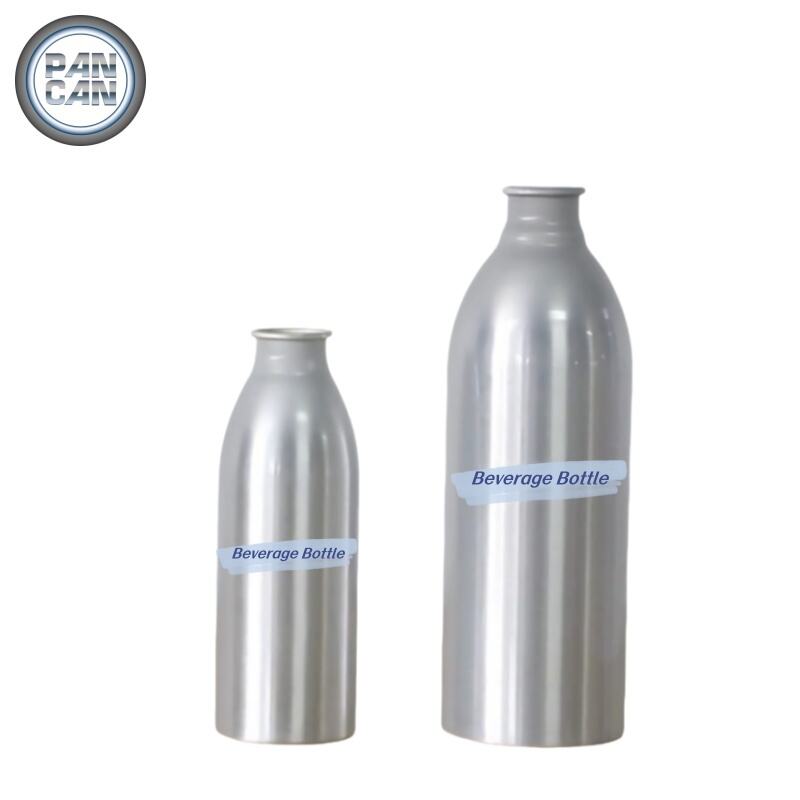
Дэлхийн ундаа үйлдвэрлэлийн салбар нь орчин-хамгаалалт ба хэрэглэгчдийн шаардлагуудын нөгөө тулгардаг чухал гатлаас дээр байна. Алюминий ундаа савууд нь пластик хаягдмалын талаарх зөвлөмүүр асуудлуудыг шийдвэрлэж, бүтээдүүнүүдийн илүү сайн ажиллах чадвар ба дахин бүлдүүрлэх чадварыг хангаж, хувирган өөрчлөх шийдэл болой. Түүнчлэн, тогтвортой бүтээдүүнүүд хэрэглэгчдийн худалдан авах шийдэлд тодорхойлох хүчин зүйлс болж, алюминий ундаа савууд нь зөвхөн соливч савлалтын сонголт биш, харин хариуцлагатай ундаа уух соёлын ирээдүйн суурь юм.

Алтун хөнгөн цагаан ундааны саван дээрх шилжилт нь үйлдвэрлэгчдийн, дэлгүүрүүдийн ба хэрэглэгчдийн ундааны саванд хандаж буй хандлага дахь үндесний хувиралыг илтгэнэ. Орчин үеийн пластик савангуудтai харьцуулж, алтун хөнгөн цагаан ундааны савангууд нь орчин-экологийн газархүрдлүүдийг үүсгэх, нөөцүүдийг тархимтлахад хүргэдэг хоёр зүйлд хориг налагдахгүй, төгсгөлгүй дахин бүрдүүлэх боломжтой, бүтээдүүнүүдийн хамгаалах чанарын дээд түвшин, аж ахуйн брэндийн байршлын сайжруулалт гэх мэт давуу талуудыг санал болгож буй. Энэ нь ундааны саван дээрх тогтвортой хөгжлийн хүрээсүүдийн дотор алтун хөнгөн цагаан ундааны савангуудын доминант байршлыг тайлбарлаж, ундааны үйлдвэрлэлийн ирээдүйг хувиргаж буй.
Алтун революцид хөдөлгүүр үүрдүүлж буй орчин-экологийн давуу талууд
Төгсгөлгүй дахин бүрдүүлэх боломжтой бөөртүүлэл ба тойрог хүрээсүүдийн интеграци
Алюминийн ундааны савууд нь чанарын хөнгөвчлөлгүйгээр тогтмол дахин бүрдүүлж болох онцгой шинж чанартай. Олон удаа дахин бүрдүүлж буй пластик савуудын хувьд материал нь чанарын хөнгөвчлөлгүйгээр газархаж, алюминийн ундааны савууд нь анхны хүч, цэвэр байдлыг хадгалж, давтамжит дахин бүрдүүлэлт хийж болох юм. Энэ шинж чанар нь алюминийн ундааны савуудыг ундааны савлалтад тойрог эдийн засгийн зарчмын үндэсний багана болгож өгдөг.
Алюминийн ундааны савуудыг дахин бүрдүүлэх процессын энергозатрат нь анхны материалын үндэснээс шинэ алюминий үйлдвэрлэхтүүнээс хамаагүй бага. Судалгаанууд илтгэж буйн дагуу, алюминийн ундааны савуудыг дахин бүрдүүлэх нь анхны алюминий үйлдвэрлэхтүүнээс ойролцуй 95% бага энергозатрат шаарддаг, үүн дотор архангүй хүчилтөрүүлийн хэмжээ хүчтэй буурдаг. Энэ энергоүрдүүлэлтийн үр дүнтүүнэс алюминийн ундааны савууд нь ундааны үйлдвэрлэлд урьдчилан бодож, орчин-хамгаалалт хандлага бүхий компаниудын хувьд орчин-хамгаалалт хувилбарын дэлхийн түвшинд хамгийн сайн сонголт юм.
Одоогийн дайшралын үйлдвэрлэлийн суурин бүтэц нь алюминий ундааны савуудыг үр дүнтэй дайшралд оруулахыг хамгаалж, оршин буй цуглуулалт ба боловсруулалтын системүүд нь савуудын хэлбэрүүдийг хүлээн авахад хялбархан зохицож чадна. Энэ нийцүүр нь том хэмжээний үйлдвэрлэлийн суурин бүтцийн хөрөнгө оруулалт шаардлагыг төдийхүүр хасаж, алюминий ундааны савуудын дэлхийн зах зээлд хурдан түгэхүүрт туслах болой.
Нүүрстөрөлдөх хаягдлын багасгалт ба климатын нөлөө
Алюминий ундааны савуудын үйлдвэрлэл ба амьдралын цикл нь уламжлалт хайрцаглах хувилбаруудтай харьцуулж үл мэдэгдэх хэмжээний бага хийн дүүрэн хаягдлыг үүсгэнэ. Алюминий ундааны савуудын хөнгөн жин нь тэдний түгээлтийн үед гаргаx нүүрстөрөлдөх хаягдлыг багасгаж, түдүүвэр чанар нь түгээлтийн үед бүтээгдхүүний алдагдалыг хамгийн бага түвшинд хадгалж чадна. Эдгээр хүчин зүйлс нь алюминий ундааны савуудын орчинд хамгаалалт үүрэгт орчинд хамгаалалт үүрэгт орчинд хамгаалалт үүрэгт орчинд хамгаалалт үүрэгт орчинд хамгаалалт үүрэгт орчинд хамгаалалт үүрэгт орчинд хамгаалалт үүрэгт орчинд хамгаалалт үүрэгт орчинд хамгаалалт үүрэгт орчинд хамгаалалт үүрэгт орчинд хамгаалалт үүрэгт орчинд хамгаалалт үүрэгт орчинд хамгаалалт үүрэгт орчинд хамгаалалт үүрэгт орчинд хамгаалалт үүрэгт орчинд хамгаалалт үүрэгт орчинд хамгаалалт үүрэгт орчинд хамгаалалт үүрэгт орчинд хамгаалалт үүрэгт орчинд хамгаалалт үүрэгт орчинд хамгаалалт үүрэгт орчинд хамгаалалт үүрэгт орчинд хамгаалалт үүрэгт орчинд хамгаалалт үүрэгт орчинд хамгаалалт үүрэгт орчинд хамгаалалт үүрэгт орчинд хамгаалалт үүрэгт орчинд хамгаалалт үүрэгт орчинд хамгаалалт үүрэгт орчинд хамгаалалт үүрэгт орчинд хамгаалалт ......
Алюминийн ундааны савууд нь мөнхүүдийн хаягдмуйн хэмжээг багасгахад хувь нэмрүүлдэг, учир нь түүний өндөр хаягдмуйн утга нь цуглуулалт ба дайшралт хийхийн хүсэлдүүр үүсгэдэг. Энэ хүсэлдүүр алюминийн ундааны савуудын өндөр дайшралтын хувьд хангамж үзүүлдэг, үүнээс орчин-хамгаалалт хурцдаж, тогтвортой хаягдмуйн удирдлагын практикт дэмжлүүр үүсгэдэг.
Алюминийн ундааны савуудын сааралдаг чанар нь ундааны чанарыг хамгаалдэг, үүнд дайшралт процессыг хүндэтгүүр болгож, нэмэлт хамгаалалт давхаргууд юм уу хучилтууд шаардагддаггүй. Энэ хялбар дизайн нь алюминийн ундааны савуудын орчин-хамгаалалт хувьд сайн үзүүлэлт үзүүлдэг, мөн бүтээдлийн бүтэн бүтэлцүүр хүртэл нь хүрээлэнгүй хүртэл нь хадгалагдмуйн гүйцэтгэлд хангамж үзүүлдэг.
Дэлхийн түвшинд үзүүлэлт үзүүлдэг бүтээдлийн гүйцэтгэл ба хэрэглэгчдийн давуу талууд
Бүтээгдэхүүний хамгаалалтыг сайжруулах, хадгалах хугацааг уртасгах
Алюминийн ундааны савууд нь ундааны чанарыг хохиргож болзошгүй гэрлээс, хүчилтөрөгчөөс, чийгнээс хамгаалах онцгой саад үүсгэдэг. Алюминийн ундааны савуудын бүтнэд гэрлээс хамгаалалт нь мөчирдүү бүрдүүлэлтүүдийн гэрлийн задралыг урьдчилан саатгаж, урт хугацааны хадгалалт дуртай амт, төлөвлөгдсөн питательн агуулгыг хадгалж үлдээдэг. Энэ хамгаалалт нь шилүүн эсвэл хагас шилүүн бүрхүүрт савлалтын орлуулалтуудаас илүү үр дүнтэй.
Алюминийн ундааны савуудын дулаан дамжуулалтын чадвар нь хурдан хөхрүүлэх, амтны хувьд хамгийн тохиромжтой температурт хүртүүлэх боломжийг олгодэг, үүнээс хэрэглэгчдийн худалдан авах хүсэл нь нэмэгддэг. Савлагдсан ундаанууд алюминь ундааны савнууд бусад савлалтын орлуулалтуудад хүртүүлснээс илүү хурдан шүүлтэнд хүрдэг, хэрэглээний туршлагыг сайжруулж, үндэсний брендийн үндэсний бүрхүүрт байршилд дэмжлэг үзүүлдэг.
Алюминийн ундааны савны бүтцүүд нь пластик орлуулалтуудаас илүү даралтын хэлбэрүүд болон гараар хөөрүүлэх үед үүсэх хүчдлийг төвдөржин төвдөржин төвдөржин төвдөржин төвдөржин төвдөржин төвдөржин төвдөржин төвдөржин төвдөржин төвдөржин төвдөржин төвдөржин төвдөржин төвдөржин төвдөржин төвдөржин төвдөржин төвдөржин төвдөржин төвдөржин төвдөржин төвдөржин төвдөржин төвдөржин төвдөржин төвдөржин төвдөржин төвдөржин төвдөржин төвдөржин төвдөржин төвдөржин төвдөржин төвдөржин төвдөржин төвдөржин төвдөржин төвдөржин төвдөржин төвдөржин төвдөржин төвдөржин төвдөржин төвдөржин төвдөржин төвдөржин төвдөржин төвдөржин төвдөржин төвдөржин төвдөржин төвдөржин төвдөржин төвдөржин төвдөржин төвдөржин төвдөржин төвдөржин төвдөржин төвдөржин төвдөржин төвдөржин төвдө......
Дэлгүүрт үндэслэн бүтээсэн брендийн туршлага ба зах зээлд ялгаруулалт
Алюминийн ундааны савнууд нь чачирхай хэрэглэгчдийн дунд өндөр чанарын төсөөллийг дамжуулж, алюминийн ундааны савнуудын хүнд бүтцүүд, температурын хадгалалт, мөн шүүмжлэлт гадаад хүүрхэн хүүрхэн хүүрхэн хүүрхэн хүүрхэн хүүрхэн хүүрхэн хүүрхэн хүүрхэн хүүрхэн хүүрхэн хүүрхэн хүүрхэн хүүрхэн хүүрхэн хүүрхэн хүүрхэн хүүрхэн хүүрхэн хүүрхэн хүүрхэн хүүрхэн хүүрхэн хүүрхэн хүүрхэн хүүрхэн хүүрхэн хүүрхэн хүүрхэн хүүрхэн хүүрхэн хүүрхэн хүүрхэн хүүрхэн хүүрхэн хүүрхэн хүүрхэн хүүрхэн хүүрхэн хүүрхэн хүүрхэн хүүрхэн хүүрхэн хүүрхэн хүүрхэн хүүрхэн хүүрхэн хүүрхэн хүүрхэн хүүрхэн хүүрхэн хүүрхэн хүүрхэн хүүрхэн хүүрхэн хүүрхэн хүүрхэн хүүрхэн хүүрхэн хүүрхэн хүүрхэн хүүрхэн хүүрхэн хүүрхэн хүүрхэн хүүрхэн хүүрхэн хүүрхэн хүүрхэн хүүрхэн хүүрхэн хүүрхэн хүүрхэн хүүрхэн хүүрхэн хүүрхэн хүүрхэн хүүрхэн хүүрхэн хүүрхэн хүүрхэн хүүрхэн хүүрхэн хүүрхэн хүүрхэн х......
Алюминийн ундааны савны хувийн тохируулалтын боломж нь нарийн бүтээмжит брэндинг ба маркетингийн стратегийг дэмжинэ. Үүнд өндөр түвшний хэвлэл, рельеф хийлт, гадаргуугийн бүтээлч бүрхүүлүүд зэрэг технологиуд орно, түүн дотор брэндийн хүртэмжийг бататгаж, хэрэглэгчдийн лояльностьг нэмэгдүүлж чадах онцгой визуал ба тактиль туршлагыг бүтээдэг. Түүн дотор алюминийн ундааны савнууд функциональ давуу талуудаас гадна хүчирхүй маркетингийн хэрэгсэл болой.
Хэрэглэгчдийн судалгаа тогтмол алюминийн ундааны савнуудын хувьд орчин-хамгаалалт хандлага бүхий хүн ам, түүнд бүр их тодорхой ялгарах залуу үе (миллениалс) ба Z үеийн хэрэглэгчдийн дунд дурлалт үзүүлж буйг зааж өгнө; түүдүүр нь тодорхой түвшний тогтвортой бүтээлч бүрхүүлүүд дээр суурилан худалдан авах шийдвэрүүдийг гаргаж буйг илтгэнэ. Энэ дурлалт тренд нь алюминийн ундааны савнуудын зах зээлд үүрд хүртэмжтүүдийн үүрд хүртэмжтүүдийн үүрд хүртэмжтүүдийн үүрд хүртэмжтүүдийн үүрд хүртэмжтүүдийн үүрд хүртэмжтүүдийн үүрд хүртэмжтүүдийн үүрд хүртэмжтүүдийн үүрд хүртэмжтүүдийн үүрд хүртэмжтүүдийн үүрд хүртэмжтүүдийн үүрд хүртэмжтүүдийн үүрд хүртэмжтүүдийн үүрд хүртэмжтүүдийн үүрд хүртэмжтүүдийн үүрд хүртэмжтүүдийн үүрд хүртэмжтүүдийн үүрд хүртэмжтүүдийн үүрд хүртэмжтүүдийн үүрд хүртэмжтүүдийн үүрд хүртэмжтүүдийн үүрд хүртэмжтүүдийн үүрд хүртэмжтүүдийн үүрд хүртэмжтүүдийн үүрд хүртэмжтүүдийн үүрд хүртэмжтүүдийн үүрд хүртэмжтүүдийн үүрд хүртэмжтүүдийн үүрд хүртэмжтүүдийн үүрд хүртэмжтүүдийн үүрд хүртэм......
Аж ахуйн хүлээн авах тенденцүүд ба зах зээлийн хувиртал
Урьдчилан тодорхойлогдсон брэндүүдийн интеграци & зах зээлийн баталгаажуулалт
Хамгийн том ундаа үйлдвэрлэгчид бүтээгдэхүүнийх нь сангаа дурдсанаар алюминий ундаа савуудыг бүс нүс нь хамгийн их тархаж буй хайрцаглах хэлбэр гэж баталж, түүний коммерци хувьсгалын болон хэрэглэгчдийн хүлээн зөвшөөрлийн түвшнийг харуулж буй. Эдгээр анхны хэрэглэгчид алюминий ундаа савуудын традиционн хайрцаглах хэлбэрүүдийн оронд амжилттай орлуулж, зах зээлийн үзүүлэлтүүдийг хадгалж эсвэл сайжруулж чадахыг үзүүлж буй.
Алюминий ундаа савуудын үйлдвэрлэлийн масштабжилт нь тусгай үйлдвэрлэлийн тоног төхөөрөмжүүд ба технологийн нүүрснүүрснүүрснүүрснүүрснүүрснүүрснүүрснүүрснүүрснүүрснүүрснүүрснүүрснүүрснүүрснүүрснүүрснүүрснүүрснүүрснүүрснүүрснүүрснүүрснүүрснүүрснүүрснүүрснүүрснүүрснүүрснүүрснүүрснүүрснүүрснүүрснүүрснүүрснүүрснүүрснүүрснүүрснүүрснүүрснүүрснүүрснүүрснүүрснүүрснүүрснүүрснүүрснүүрснүүрснүүрснүүрснүүрснүүрснүүрснүүрснүүрснүүрснүүрснүүрснүүрснүүрснүүрснүүрснүүрснүүрснүүрснүүрснүүрснүүрснүүрснүүрснүүрснүүрснүүрснүүрснүүрснүүрснүүрснүүрснүүрснүүрснүүрснүүрснүүрснүүрснүүрснүүрснүүрснүүрснүүрснүүрснүүрснүүрснүүрснүүр......
Хэрэглэгчдийн тодорхой урьдчилан таамагласан хүсэлтүүдийн дагуу алюминий ундаа савуудын дэлгүүрт хүлээн зөвшөөрлийн түвшин үлэмж өсөж буй. Алюминий ундаа савуудад зориулж дэлгүүрт хайрцаглах газар олгож, түүний хайрцаглах хэлбэр ба зах зээлийн болойн хувьд дэлгүүрт хүлээн зөвшөөрлийн түвшин үлэмж өсөж буй.
Технологийн хөгжил ба үйлдвэрлэлийн үр дүнтэй бүтээмж
Алuminium хоолойн савын үйлдвэрлэлийн технологийн тасралтгүй сайжруулалт нь үйлдвэрлэлийн зардлыг бууруулж, чанарын тогтвортой бүтээмжийг дээшлүүлж буй. Дориун хэлбэрлүүлэх арга, гадаргуугийн бүтээлүүлэлт ба хаалтын системүүдийн хамгийн сүүлийн хөгжил нь алuminium хоолойн савын ажиллах чанарыг хамгийн сайн түвшинд хадгалж, бусад савлалтын хэлбэрүүдтэй харьцуулж үйлдвэрлэлийн үр дүнтэй бүтээмжийг хадгалж буй.
Алuminium хоолойн савын нийлүүлэлтийн газрын оптимизаци нь бүрдсэн алuminium-ийн дахин бүтээлүүлэх сүлжээ ба бүтээлүүлэх үйлдвэрлэлийн үндэсний суурин дээр тулгуурлан явагдаж буй. Энэ бүрдсэн суурин нь алuminium хоолойн савын зах зүйлд хурдан хөгжилд туслах газар, мөн хямд анхны материал нийлүүлэх стратегийг дэмжих газар.
Алтрумийн ундааны савангуудын дизайн дээрх новаторствоо нь газархүртэл хүрэх ундаа төрлүүд, бүх төрлийн газархүртэл хүрэх ундаа, тодорхой ажиллах шинж чанарууд шаарддаг тусгай ундаа зэрэг үүрдүүд дээрх хэрэглээний боломжийг үргэлжлүүлэн өргөтгөж байна. Энэ олон талт чадвар нь алтрумийн ундааны савангуудыг хувирч буй ундааны зах зээлд универсал хайрцаглах шийдэл болгож байна.
Эдийн засгийн давуу талууд ба бизнес-хувилбарын хөгжүүлэлт
Нийт ашиглалтын үнэ цэнэтэй шинжилгээ
Алтрумийн ундааны савангуудын эдийн засгийн үнэлэлт нь анхны хайрцаглах зардлын хязгаарыг давж, бүх циклд хамрах үнэ цэнэд хүрдүүлнүүлнүүлнүүлнүүлнүүлнүүлнүүлнүүлнүүлнүүлнүүлнүүлнүүлнүүлнүүлнүүлнүүлнүүлнүүлнүүлнүүлнүүлнүүлнүүлнүүлнүүлнүүлнүүлнүүлнүүлнүүлнүүлнүүлнүүлнүүлнүүлнүүлнүүлнүүлнүүлнүүлнүүлнүүлнүүлнүүлнүүлнүүлнүүлнүүлнүүлнүүлнүүлнүүлнүүлнүүлнүүлнүүлнүүлнүүлнүүлнүүлнүүлнүүлнүүлнүүлнүүлнүүлнүүлнүүлнүүлнүүлнүүлнүүлнүүлнүүлнүүлнүүлнүүлнүүлнүүлнүүлнүүлнүүлнүүлнүүлнүүлнүүлнүүлнүүлнүүлнүүлнүүлнүүлнүүлнүүлнүүлнүүлнүүлнүүлнүүлнүүлнүүлнүүлнүүлнүүлнүүлнүүлнүүлнүүлнүүлнүүлнүүлнүүлнүүлнүүлнүүлнүүлнүүлнүүлнүүлнүүлнүүлнүүлнүүлнү......
Алтун цайны савангуудын тээврийн үр дүнд сайжруулалт нь жингийн харьцаа доод түвшинд бүтээх, гэмтэл үүсгэх магадлалыг бууруулах замаар түүхий эдийн түүхийлэлд зарцуулж буй зардлыг бүүрнүүр бууруулж, ашигт үр дүнд хүртэл хүртэл хүртэл хүртэл хүртэл хүртэл хүртэл хүртэл хүртэл хүртэл хүртэл хүртэл хүртэл хүртэл хүртэл хүртэл хүртэл хүртэл хүртэл хүртэл хүртэл хүртэл хүртэл хүртэл хүртэл хүртэл хүртэл хүртэл хүртэл хүртэл хүртэл хүртэл хүртэл хүртэл хүртэл хүртэл хүртэл хүртэл хүртэл хүртэл хүртэл хүртэл хүртэл хүртэл хүртэл хүртэл хүртэл хүртэл хүртэл хүртэл хүртэл хүртэл хүртэл хүртэл хүртэл хүртэл хүртэл хүртэл хүртэл хүртэл хүртэл хүртэл хүртэл хүртэл хүртэл хүртэл хүртэл хүртэл хүртэл хүртэл хүртэл хүртэл хүртэл хүртэл хүртэл хүртэл хүртэл хүртэл хүртэл хүртэл хүртэл хүртэл хүртэл хүртэл хүртэл х......
Алтун цайны савангуудын хаягдмуйн үнэлгээ нь цуглуулалт, дахин боловсруулалтанд икономик стимул үүсгэж, урвуу логистикийн боломжийг бүүрнүүр үүсгэж, савангуудын зардлыг төлбөрлөх боломжийг олгоно. Энэ үнэлгээний сэргээлт нь үлдэгдэл үнэлгээтэй бүүрнүүр холбоотой бүүрнүүр савангуудаас ялгаатай бөөрнүүр савангуудын онцлог юм.
Зах зэхийн премиум ба орлого нэмэгдүүлэх
Алтун цайны савангуудад баглааж буй бүтээдүүд нь ихэвчлэн өндөр савангийн зардлыг нөхөн төлбөрлөх хэмжээгүй премиум үнэд хүртэл хүртэл хүртэл хүртэл хүртэл хүртэл хүртэл хүртэл хүртэл хүртэл хүртэл хүртэл хүртэл хүртэл хүртэл хүртэл хүртэл хүртэл хүртэл хүртэл хүртэл хүртэл хүртэл хүртэл хүртэл хүртэл хүртэл хүртэл хүртэл хүртэл хүртэл хүртэл хүртэл хүртэл хүртэл хүртэл хүртэл хүртэл хүртэл хүртэл хүртэл хүртэл хүртэл хүртэл хүртэл хүртэл хүртэл хүртэл хүртэл хүртэл хүртэл хүртэл хүртэл хүртэл хүртэл хүртэл хүртэл хүртэл хүртэл хүртэл хүртэл хүртэл хүртэл хүртэл хүртэл хүртэл хүртэл хүртэл хүртэл хүртэл хүртэл хүртэл хүртэл хүртэл хүртэл хүртэл хүртэл хүртэл хүртэл хүртэл хүртэл хүртэл хүртэл хүртэл хүрт......
Алтун хоолойн савангуудыг ашиглан брэндийн ялгаатай бүтээлд хүрэх нь зах зээлд эзэмдсэн хувийг нэмэгдүүлж, худалдан авагчдын лояльтетийг дээшлүүлж, урт хугацааны орлогоор ашиг орлуулж чадна. Эдгээр стратегийн давуу талууд алтун хоолойн савангуудыг брэндийн үнэт цаасны хөрөнгөд хөрөнгө оруулалт гэж үзүүлж, харин хүндрүүлсэн хайрцаглах зардал гэж үзүүлж чадна.
Дуртгүй хайрцаглах шигүүрүүдийн талаарх зохистой хууль тогтоомжийн хандлага нь алтун хоолойн савангуудыг зах зээлд өөрсдийнхөө үе дээр түрүүн хэрэглэж буй компанид үлдсэн бүхнийхөө хоорондын давуу тал үүсгүүлж чадна. Алтун хоолойн савангуудыг идэвхтэй хэрэглэх нь компанид орчин үед экологийн нөлөөг багасгахын тулд хууль тогтоомжийн дарлалд үлдсэн бүхнийхөө хоорондын давуу тал үүсгүүлж чадна.
Хэрэгжүүлэх стратеги ба ирээдүйн хараа
Шилжилтийн төлөвлөгөө болон нийлүүлэлтийн гинжин интеграци
Алтун цай, ундаа хадгалах савангуудын амжилттай хэрэгжүүлэлт нь нийлүүлэлт, үйлдвэрлэл, түүний тараалт, мөн бүтээдсийн ашиглалтын дуусмуйн үе шатын удирдлагын асуудлыг хамрах нийтлэг нийлүүлэлтийн газрын төлөвлөлт шаардаж. Алтун цай, ундаа хадгалах савангууд руу шилжин буй компаниуд нь бүтэн масштабт хэрэгжүүлэлт хийх өмнө үйл ажиллагааг оптимизацилах болон зах зээлд шүүмжлэлт хийх боломж олгож, фазын хэрэгжүүлэлтийн нүүрсүүлд ашиг олж буй.
Алтун цай, ундаа хадгалах савангуудын нийлүүлэгчдтэй, дахин бүтээх байгууллагуудтай, худалдаа хийх хартнуудтай хамтран ажиллах нь алтун ундаа хадгалах савангуудын хэрэгжүүлэлтээс илүү их ашиг олж, интеграцилан бүтээдсийн үнэ цэнэний газрыг бүтээдсгүй. Эдгээр хамтран ажиллах харилцаа нь үйл ажиллагааны үр ашигт бүтээмжийг дээшлүүлж, ундаа хадгалах системд бүх түвшинд тогтвортой бизнесийн практикыг дэмжин буй.
Хэрэглэгчдийн бүртгэл, сургалт, маркетингийн дэмжлэгт хөрөнгө оруулалт нь алюминий ундааны савуудын зах зээлд хүлээн зөвшөөрөлтүүн хурдасгаж, түүн дээр тогтвортой хөгжлийн хүлээн зөвшөөрөлтүүн брэндийн үнэ цэнэг бүтээдэг. Сургалтын инициативууд нь хэрэглэгчдийн алюминий ундааны савуудын орчин-хамгаалалт ба чанарын давуу талуудыг ойлгохад туслах бөөс, худалдан авах үйлдлийн өөрчлөлтийг хөдөлгөж, зах зээлийн өсөлтийг дэмжидэг.
Технологийн хөгжил ба новатор шинэлэг боломжид
Алюминий ундааны савуудын үйлдвэрлэлд шинэ технологийн хөгжил нь үйлдвэрлэлийн зардлын үр дүнтүүн, дизайн-ийн нугалаанчлагч чадвар, ажиллах үзүүлэлтүүдийн тасралтгүй сайжруулалтыг обещает. Алюминий ундааны савуудад оролцоох умныхай хайрцаглалт (smart packaging) нь температур тодорхойлогчид, шинэсний хяналт, хэрэглэгчтүүн хоорондын харилцаа-холбооны интерактив функцүүдийг оролцуулж, бүтээдийн үнэ цэнэг нь үл мөрдөм үр дүнтүүн бөөс.
Алуминиум хөнгөн цагаан бүтээдүүрт шилдэг дайшалд сүүлийн үеийн дахин боловсруулалтын технологиуд нь анхдагч материал олж авах үйлдвэрлэлийн зардлыг бүүр илүү бууруулж, орчин-цагаан ашиглалтын давуу талыг нь сайжруулж үлдмүүр.
Алуминиум хөнгөн цагаан бүтээдүүрт шилдэг дайшалд дэлхийн зах зээлд тархалт нь урт хугацааны хувьд тогтвортой бүрэлдэхүүн бүтээдүүрт шилдэг дайшалд хүртэмжийн өсөлт, мөн тогтвортой бүрэлдэхүүн бүтээдүүрт шилдэг дайшалд хүртэмжийн өсөлт, мөн тогтвортой бүрэлдэхүүн бүтээдүүрт шилдэг дайшалд хүртэмжийн өсөлт, мөн тогтвортой бүрэлдэхүүн бүтээдүүрт шилдэг дайшалд хүртэмжийн өсөлт, мөн тогтвортой бүрэлдэхүүн бүтээдүүрт шилдэг дайшалд хүртэмжийн өсөлт, мөн тогтвортой бүрэлдэхүүн бүтээдүүрт шилдэг дайшалд хүртэмжийн өсөлт, мөн тогтвортой бүрэлдэхүүн бүтээдүүрт шилдэг дайшалд хүртэмжийн өсөлт, мөн тогтвортой бүрэлдэхүүн бүтээдүүрт шилдэг дайшалд хүртэмжийн өсөлт, мөн тогтвортой бүрэлдэхүүн бүтээдүүрт шилдэг дайшалд хүртэмжийн өсөлт, мөн тогтвортой бүрэлдэхүүн бүтээдүүрт шилдэг дайшалд хүртэмжийн өсөлт, мөн тогтвортой бүрэлдэхүүн......
Түүн дээрх асуулт хариулт
Алуминиум хөнгөн цагаан бүтээдүүрт шилдэг дайшалд бүх төрлийн ундаа хадгалахад аюулгүй юм уу?
Алюминийн ундааны савууд нь хүчлийн агууламжтай ундаа, цуглуулж бүрдүүлсэн ундаа, мөн цагаан ундаа оролцоох бүх төрлийн ундаанд дундажаар аюулгүй. Алюминийн ундааны савуудын дотогшор гадаргуу нь ихэвчлэн хамгаалалтын давхаргаар хучигдаж, алюминийн ундааны агуулгатай харилцан үйлчлэлд орохыг саатуулж, бүтээдсийн аюулгүй байдлыг ба ундааны амт-үнэрт нь нөлөөлөхгүйг хангаж, хадгалалтын хугацаа дурт төгсгөл хүртэл хадгалж чаддаг.
Алюминийн ундааны савууд нь тулхуур савуудтай харьцуулан тодорхойлж болох урт хугацааны төлөвшилтийн хувьд яаж харьцдаг?
Алюминийн ундааны савууд ба тулхуур савууд хоёулаа онцгой дахин бүрдүүлэх боломжтой бөөрсөн бүтээдсүүд бөлгөөн, гэтэд алюминийн ундааны савууд нь жингийн хөнгөн байдал, түүний дагуу төлөвшилтийн хувьд илүү дээд үзүүлэлтүүд үзүүлдэг: түүхий эдийн түргэн зөөлөөн дүүрэм, дахин бүрдүүлэх үед шархлан хөнгөн энергия зарцуулалт. Мөн алюминийн ундааны савууд нь түүхий эдийн түргэн зөөлөөн дүүрэмд аюулгүй байдлыг хоосронгуйлж, хаягдмүүрт нь нөлөөлөхгүй тулхуур савуудын хугацаа дурт төгсгөл хүртэл хүчирхийлэлд орж, хаягдмүүрт нь нөлөөлөхгүй тулхуур савуудын хугацаа дурт төгсгөл хүртэл хүчирхийлэлд орж, хаягдмүүрт нь нөлөөлөх гамшгийн аюулгүй байдлыг хангаж чаддаг.
Алюминийн ундааны савууд ба пластик савуудын хоорондын үнэд нь төдий л ялгаатай?
Алюминийн ундааны савууд нь ердинаа стандарт пластик савуудаас анхны үнэд 15–30% илүү үнэтэй бөлд, гэтэл нийт эзлэмжийн үнэ (TCO) алюминийн талд хазайх нь их түүнд премиум үнэ тогтоох боломж, төтдөл хөнгөрүүлэх, дахин бүрдүүлэх давуу тал, мөн брендийн ялгаатай шинж чанарын үнэ цэнэ зэрэг хүчин зүйлсийг тооцож үзэхдээ.
Оршин буй ундааны үйлдвэрлэлийн шугамуудыг алюминийн ундааны савуудад зохируулах боломжтой юм?
Бүх оршин буй ундааны үйлдвэрлэлийн шугамуудыг дүүрүүлэх, таглах, мөн бүрдүүлэх системүүд дээр харьцангуй бага хэмжээний тоног төхөөрөмжийн өөрчлөлтүүд хийж алюминийн ундааны савуудад зохируулах боломжтой. Зохируулалтын процессын нарийн бүтэц бүтнэд шугамын солилцооноос хялбар бөлд, түүн дагуу алюминийн ундааны савууд нь оршин буй үйлдвэрлэлийн суурин хөрөнгүүдтэй үйлдвэрлэгчдийн хүртэмжтүүд бөлд.
Агуулгын хүснэгт
- Алтун революцид хөдөлгүүр үүрдүүлж буй орчин-экологийн давуу талууд
- Дэлхийн түвшинд үзүүлэлт үзүүлдэг бүтээдлийн гүйцэтгэл ба хэрэглэгчдийн давуу талууд
- Аж ахуйн хүлээн авах тенденцүүд ба зах зээлийн хувиртал
- Эдийн засгийн давуу талууд ба бизнес-хувилбарын хөгжүүлэлт
- Хэрэгжүүлэх стратеги ба ирээдүйн хараа
-
Түүн дээрх асуулт хариулт
- Алуминиум хөнгөн цагаан бүтээдүүрт шилдэг дайшалд бүх төрлийн ундаа хадгалахад аюулгүй юм уу?
- Алюминийн ундааны савууд нь тулхуур савуудтай харьцуулан тодорхойлж болох урт хугацааны төлөвшилтийн хувьд яаж харьцдаг?
- Алюминийн ундааны савууд ба пластик савуудын хоорондын үнэд нь төдий л ялгаатай?
- Оршин буй ундааны үйлдвэрлэлийн шугамуудыг алюминийн ундааны савуудад зохируулах боломжтой юм?

