
 EN
EN


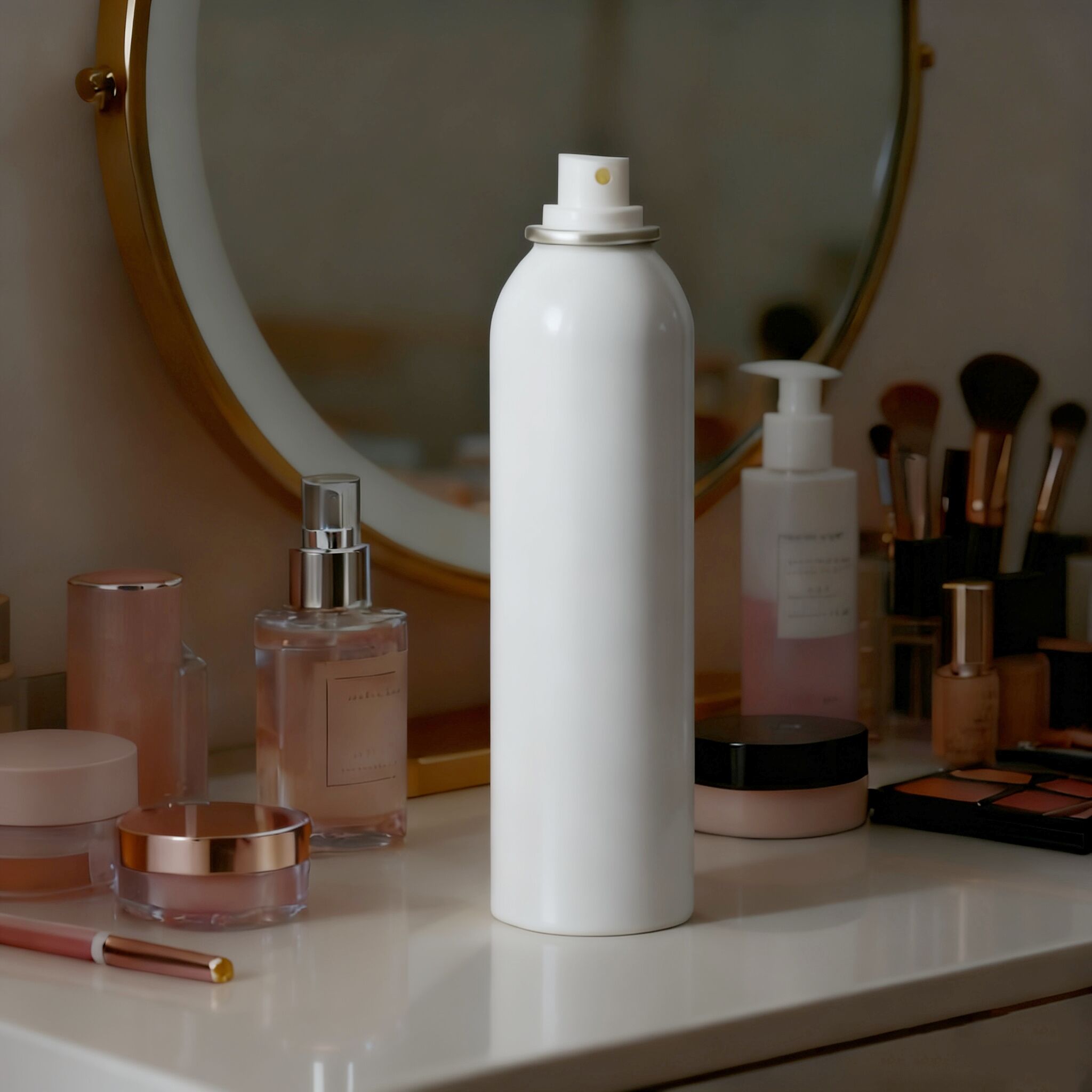
Die Kosmetikbranche entwickelt sich kontinuierlich weiter und legt zunehmend Wert auf nachhaltige Verpackungslösungen. Da Verbraucher umweltbewusster werden, suchen Marken nach Alternativen zu herkömmlichen Kunststoffbehältern. Eine kosmetische Aluminiumflasche stellt einen bedeutenden Fortschritt in der Verpackungstechnologie dar: Sie bietet einen hervorragenden Schutz für Kosmetikprodukte und trägt gleichzeitig den ökologischen Bedenken Rechnung. Dieser Wandel hin zu Aluminiumverpackungen spiegelt allgemeinere Branchentrends in Richtung Nachhaltigkeit und hochwertiger Produktpräsentation wider.
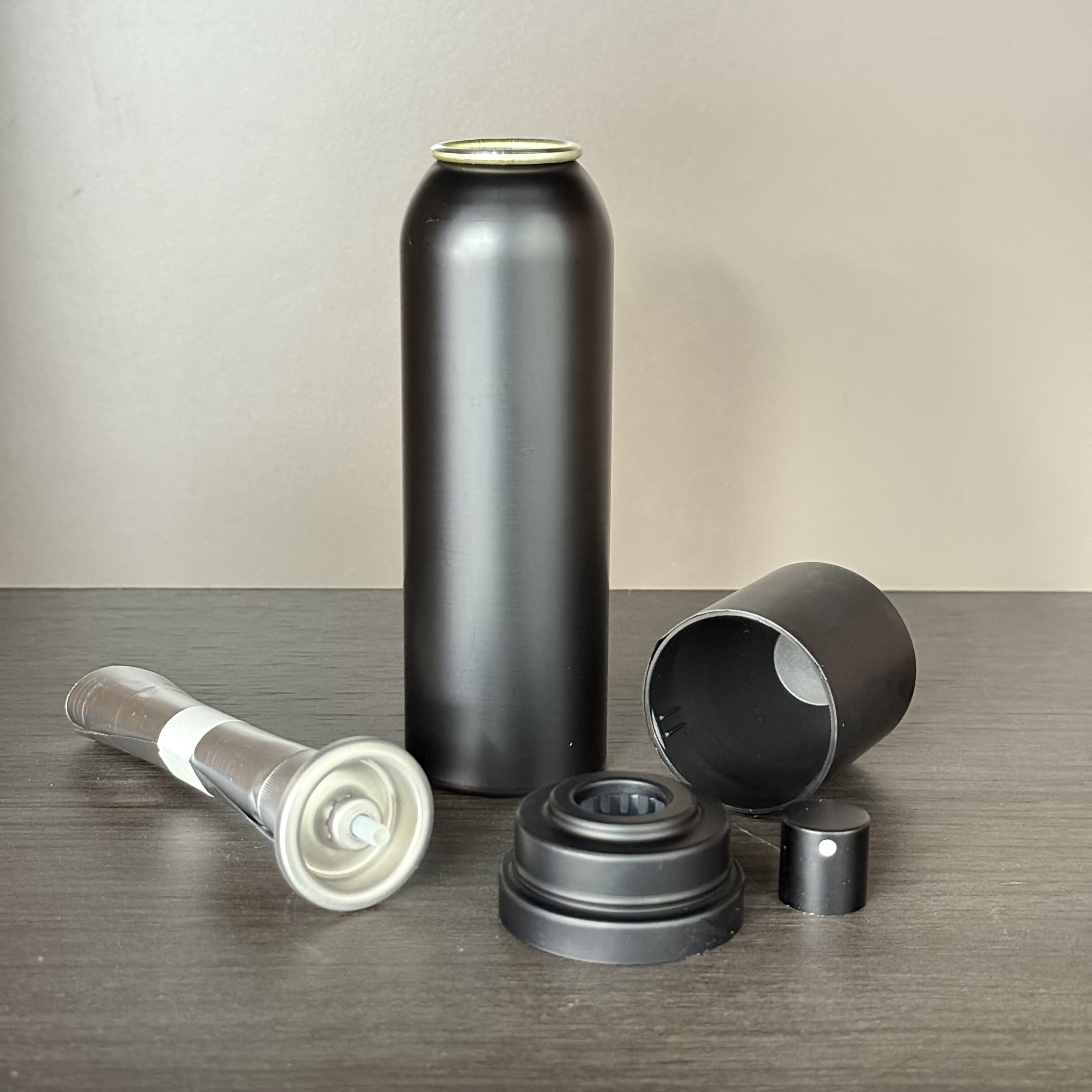
Umweltwirkung und Nachhaltigkeitsvorteile
Recyclingfähigkeit und Kreislaufwirtschaft
Aluminium zählt zu den am besten recycelbaren Materialien, die im Verpackungsbereich eingesetzt werden. Im Gegensatz zu Kunststoffbehältern, die häufig auf Deponien landen, kann eine kosmetische Aluminiumflasche unbegrenzt oft recycelt werden, ohne dass ihre strukturelle Integrität oder Qualität beeinträchtigt wird. Für das Recycling von Aluminium ist lediglich fünf Prozent der Energie erforderlich, die für die Herstellung von neuem Aluminium aus Rohstoffen benötigt wird. Diese außergewöhnliche Recycelbarkeit macht Aluminiumverpackungen zu einer zentralen Säule der Kreislaufwirtschaftsprinzipien in der Kosmetikindustrie.
Die weltweite Recyclingquote für Aluminiumverpackungen liegt bei über siebzigfünf Prozent und damit deutlich höher als bei Kunststoffalternativen. Wenn Verbraucher Produkte wählen, die in kosmetischen Aluminiumflaschen verpackt sind, tragen sie aktiv zur Reduzierung von Umweltabfällen bei. Der inhärente Wert des Materials fördert zudem eine sachgerechte Entsorgung und das Recycling und schafft wirtschaftliche Anreize für nachhaltiges Verhalten entlang der gesamten Lieferkette.
Reduktion des Kohlenstofffußabdrucks
Die Herstellungsverfahren für Aluminiumverpackungen sind in den letzten Jahrzehnten zunehmend effizienter geworden. Moderne Aluminiumproduktionsanlagen nutzen erneuerbare Energiequellen und fortschrittliche Technologien, um die Kohlenstoffemissionen zu minimieren. Eine heute hergestellte kosmetische Aluminiumflasche erzeugt im Vergleich zu einer gleichwertigen Kunststoffverpackung deutlich geringere Kohlenstoffemissionen, wenn die gesamte Lebenszyklusbewertung – einschließlich Herstellung, Transport und Entsorgung – berücksichtigt wird.
Die Transporthandlungseffizienz stellt einen weiteren ökologischen Vorteil von Aluminiumverpackungen dar. Die geringe Masse moderner Aluminiumbehälter senkt die Versandkosten und die damit verbundenen Kohlenstoffemissionen während der Distribution. Dieser Vorteil vervielfacht sich entlang der gesamten Lieferkette – vom Hersteller über den Einzelhändler bis hin zum Endverbraucher – und führt zu kumulativen Umweltvorteilen, die über die unmittelbare Verpackungsentscheidung hinausgehen.
Produktschutz und -erhaltung
Sperrwirkung gegen Licht und Luft
Premium-kosmetische Formulierungen erfordern einen außergewöhnlichen Schutz vor Umwelteinflüssen, die wirksame Inhaltsstoffe abbauen können. Eine kosmetische Aluminiumflasche bietet im Vergleich zu Kunststoffalternativen hervorragende Sperrwirkung gegen Licht, Sauerstoff und Feuchtigkeit. Diese schützenden Eigenschaften sind besonders entscheidend für Produkte mit empfindlichen Inhaltsstoffen wie Vitamin C, Retinoiden oder natürlichen Extrakten, die bei UV-Strahlung oder Oxidation instabil werden.
Die undurchsichtige Beschaffenheit der Aluminiumverpackung blockt schädliche UV-Strahlen vollständig ab, die empfindliche kosmetische Formulierungen zersetzen könnten. Dieser Schutz erhält die Wirksamkeit des Produkts und verlängert die Haltbarkeit, sodass Verbraucher während des gesamten Lebenszyklus des Produkts eine konsistente Leistung erhalten. Zudem verhindert die geringe Durchlässigkeit von Aluminium das Eindringen von Sauerstoff, das die Stabilität des Produkts beeinträchtigen und bei ölbasierten Formulierungen Ranzigkeit verursachen könnte.
Temperaturbeständigkeit und chemische Beständigkeit
Die chemische Verträglichkeit stellt eine entscheidende Überlegung bei der Auswahl von Verpackungen für Kosmetikprodukte dar. Aluminiumbehälter weisen eine außergewöhnliche Beständigkeit gegenüber einer breiten Palette kosmetischer Inhaltsstoffe auf, darunter Säuren, Basen und organische Lösungsmittel, die in modernen Formulierungen üblich sind. Diese chemische Inertheit verhindert unerwünschte Reaktionen zwischen Verpackung und Produkt, die Duft, Farbe oder Wirksamkeit der enthaltenen Kosmetikprodukte beeinträchtigen könnten.
Temperaturschwankungen während Lagerung und Transport können die Qualität kosmetischer Produkte erheblich beeinflussen. Eine kosmetische Aluminiumflasche behält über einen weiten Temperaturbereich hinweg ihre Maßstabilität bei und verhindert so eine Verformung der Verpackung, die die Produktintegrität beeinträchtigen könnte. Diese thermische Stabilität ist insbesondere für Produkte von Bedeutung, die international versandt oder im Rahmen des gesamten Distributionsnetzwerks unter unterschiedlichen klimatischen Bedingungen gelagert werden.
Kundenerlebnis und Markenwahrnehmung
Premium Ästhetischer Reiz
Das visuelle und haptische Erlebnis von Aluminiumverpackungen vermittelt eine Premium-Qualität, die bei anspruchsvollen Verbrauchern Anklang findet. Die glatte, metallische Oberfläche einer kosmetischen Aluminiumflasche kann mit verschiedenen dekorativen Techniken wie Eloxieren, Bedrucken und Prägen veredelt werden, um markentypische Präsentationen zu erzielen. Diese Veredelungsoptionen ermöglichen es Marken, anspruchsvolle Ästhetik zu erreichen, die ihre Produkte in wettbewerbsintensiven Einzelhandelsumgebungen von der Konkurrenz abhebt.
Verbraucherstudien belegen durchgängig, dass Aluminiumverpackungen im Vergleich zu Kunststoffalternativen mit einem höheren wahrgenommenen Wert assoziiert werden. Das massive Gewichtsgefühl und das charakteristische Aussehen von Aluminiumbehältern verbessern das Unboxing-Erlebnis und schaffen positive Ersteindrücke, die Kaufentscheidungen beeinflussen. Dieser Wahrnehmungsvorteil führt unmittelbar zu einer stärkeren Marktpositionierung und potenziellen Preisprämien für Produkte mit Aluminiumverpackung.
Funktionale Vorteile für den täglichen Gebrauch
Praktische Überlegungen spielen eine bedeutende Rolle für die Kundenzufriedenheit mit kosmetischer Verpackung. Aluminiumbehälter bieten im Vergleich zu Kunststoffalternativen eine überlegene Haltbarkeit und widerstehen Rissen, Verformungen und Abnutzung, die bei regelmäßiger Nutzung auftreten können. Die robuste Konstruktion eines kosmetische Aluminiumflasche gewährleistet eine zuverlässige Leistung während der gesamten vorgesehenen Nutzungsdauer des Produkts.
Die Wärmeleitfähigkeit von Aluminium bietet für bestimmte kosmetische Anwendungen einzigartige funktionale Vorteile. Produkte, die in Aluminiumbehältern gelagert werden, können sich schnell an die Umgebungstemperatur angleichen – dies kann beispielsweise für Hautpflegeprodukte, die bei Raumtemperatur angewendet werden, wünschenswert sein. Zudem ermöglicht die glatte Innenoberfläche von Aluminiumverpackungen eine vollständige Entnahme des Inhalts, was den Nutzen für die Verbraucher maximiert und Abfall minimiert.
Fertigungsgestaltung und Designflexibilität
Anpassungsmöglichkeiten und Markenpräsentationsmöglichkeiten
Die moderne Herstellung von Aluminiumbehältern bietet umfangreiche Individualisierungsmöglichkeiten, die es Marken ermöglichen, markante Verpackungslösungen zu entwickeln. Fortschrittliche Umformverfahren erlauben die Produktion von kosmetischen Aluminiumflaschendesigns in verschiedenen Formen, Größen und Konfigurationen, die speziell auf die jeweiligen Produktanforderungen zugeschnitten sind. Diese Flexibilität unterstützt innovative Verpackungskonzepte, die Marken differenzieren und die Produktfunktionalität verbessern können.
Zu den Oberflächenbehandlungsoptionen für Aluminiumverpackungen zählen zahlreiche dekorative und schützende Oberflächen. Marken können matte, glänzende, strukturierte oder metallische Oberflächen angeben, um gewünschte ästhetische Effekte zu erzielen. Die Farbanpassung ermöglicht eine präzise Wiedergabe der Markenfarben, während fortschrittliche Drucktechnologien komplexe Grafiken und Mehrfarbendesigns unterstützen, die die Attraktivität im Regal sowie die Markenerkennung steigern.
Produktionseffizienz und Skalierbarkeit
Die Herstellungsverfahren für Aluminiumbehälter haben sich weiterentwickelt, um bei verschiedenen Produktionsgrößen hohe Effizienz und gleichbleibende Qualität zu erreichen. Moderne Tiefzieh- und Stauextrusionsverfahren ermöglichen die schnelle Produktion von kosmetischen Aluminiumflaschenbehältern mit präzisen Maßtoleranzen. Diese Fertigungskapazitäten unterstützen sowohl Kleinserien für Spezialprodukte als auch Großserien für kommerzielle Anwendungen – jeweils mit vergleichbaren Qualitätsstandards.
Lieferkettenüberlegungen begünstigen Aluminiumverpackungen für viele Anwendungen aufgrund der etablierten globalen Fertigungsinfrastruktur und der zuverlässigen Materialverfügbarkeit. Die Standardisierung von Aluminiumlegierungen und Herstellungsverfahren erleichtert die Beschaffungsflexibilität sowie die Qualitätsgleichheit über verschiedene Zulieferer und geografische Regionen hinweg. Diese Zuverlässigkeit ist insbesondere für internationale Marken von Bedeutung, die eine konsistente Verpackung über mehrere Märkte hinweg benötigen.
Kostenaspekte und wirtschaftlicher Wert
Anfängliche Investition im Vergleich zu langfristigen Vorteilen
Obwohl Aluminiumverpackungen im Vergleich zu einfachen Kunststoffalternativen eine höhere Anfangsinvestition erfordern können, begünstigt die Gesamtbetriebskostenrechnung (Total Cost of Ownership) häufig Aluminiumlösungen, wenn man den verlängerten Produktlebenszyklus und die Vorteile für den Markenwert berücksichtigt. Der überlegene Schutz, den eine kosmetische Aluminiumflasche bietet, kann Produktverluste durch Degradation, Kontamination oder Verpackungsversagen reduzieren und so die höheren Materialkosten durch eine verbesserte Produktausbeute ausgleichen.
Die Premium-Positionierung, die durch Aluminiumverpackungen ermöglicht wird, kann höhere Verkaufspreise am Einzelhandelsmarkt unterstützen, die die erhöhten Verpackungskosten mehr als kompensieren. Marktstudien zeigen, dass Verbraucher bereit sind, Aufpreise für Produkte zu zahlen, die als umweltverträglich und von hoher Qualität wahrgenommen werden. Diese Preisgestaltungsflexibilität schafft Chancen für verbesserte Gewinnmargen, die die Investition in hochwertigere Verpackungsmaterialien rechtfertigen.
Vorteile in der Lieferkette und Logistik
Die Haltbarkeitsvorteile von Aluminiumverpackungen führen zu geringeren Beschädigungsraten während Transport und Umgang im gesamten Vertriebsnetz. Niedrigere Bruch- und Verformungsraten minimieren Produktverluste und Kundenbeschwerden und senken gleichzeitig die Kosten für Ersatzlieferungen sowie damit verbundene Logistikaufwendungen. Diese betrieblichen Vorteile tragen zur Gesamtkosteneffizienz bei, obwohl die anfänglichen Materialkosten höher sind.
Vorteile im Bestandsmanagement ergeben sich aus der verlängerten Haltbarkeit, die durch die hervorragenden Sperrwirkungen von kosmetischen Aluminiumflaschenverpackungen ermöglicht wird. Eine geringere Produktdegradation erlaubt längere Lagerzeiten und flexiblere Bestandsrotation und kann so Abfall durch verfallene Produkte reduzieren. Diese betrieblichen Effizienzsteigerungen können die gesamten Herstellkosten von Produkten mit langen Vertriebszyklen erheblich beeinflussen.
Industrieentwicklung und Zukunftsperspektiven
Rechtliche Rahmenbedingungen und Einhaltung gesetzlicher Vorschriften
Sich weiterentwickelnde Umweltvorschriften begünstigen zunehmend Verpackungsmaterialien mit überlegenen Umweltprofilen. Durch staatliche Initiativen zur Förderung der Kreislaufwirtschaft und der erweiterten Herstellerverantwortung entstehen regulatorische Vorteile für Aluminiumverpackungen. Die Einhaltung neu entstehender Nachhaltigkeitsanforderungen wird vereinfacht, wenn kosmetische Aluminiumflaschenbehälter eingesetzt werden, die von Natur aus die Anforderungen an Recyclingfähigkeit und Umweltverträglichkeit erfüllen.
Internationale Standards für Kosmetikverpackungen entwickeln sich kontinuierlich weiter, wobei der Fokus auf Sicherheit, Nachhaltigkeit und Leistungsmerkmalen liegt. Aluminiumverpackungssysteme weisen eine konsequente Einhaltung globaler regulatorischer Anforderungen auf und bieten gleichzeitig die Flexibilität, sich an sich ändernde Standards anzupassen. Diese regulatorische Ausrichtung senkt die Compliance-Kosten und vereinfacht den Marktzugang international für Marken, die Aluminiumverpackungslösungen nutzen.
Innovation und Technologische Entwicklung
Die laufende Forschung und Entwicklung im Bereich der Aluminiumverarbeitungstechnologien verbessert weiterhin die Leistungsmerkmale und verringert die Umweltbelastung bei der Herstellung kosmetischer Aluminiumflaschen. Durch die Entwicklung fortschrittlicher Legierungen wird das Verhältnis von Festigkeit zu Gewicht verbessert, wobei die Vorteile der Recyclingfähigkeit erhalten bleiben. Diese technologischen Fortschritte erweitern die Anwendungsmöglichkeiten und steigern die Kosteneffizienz im Vergleich zu alternativen Verpackungsmaterialien.
Die Integration intelligenter Verpackungstechnologien mit Aluminiumbehältern stellt eine aufkommende Chance für eine intensivere Kundenbindung und Produktauthentifizierung dar. Die elektromagnetischen Eigenschaften von Aluminium ermöglichen die Integration von RFID- und NFC-Technologien für interaktive Verpackungserlebnisse. Diese erweiterten Funktionen positionieren Aluminiumverpackungen an der Spitze der digitalen Transformation in der Kosmetikindustrie.
FAQ
Wie schneidet Aluminiumverpackung im Vergleich zu Glasverpackung für kosmetische Produkte ab?
Aluminium bietet erhebliche Vorteile gegenüber Glas, darunter geringeres Gewicht, Unzerbrechlichkeit und eine überlegene Recyclingfähigkeit. Während Glas eine ausgezeichnete chemische Beständigkeit bietet, beseitigen Aluminiumbehälter Sicherheitsbedenken im Zusammenhang mit dem Zerbrechen von Glas, ohne dabei vergleichbare Sperrwirkungen einzubüßen. Die Gewichtsreduzierung durch Aluminiumverpackungen senkt zudem die Versandkosten und verringert die Umweltbelastung während des Transports. Eine kosmetische Aluminiumflasche vereint die schützenden Eigenschaften von Glas mit verbesserter Sicherheit und Handhabung.
Gibt es Kompatibilitätsprobleme mit bestimmten kosmetischen Inhaltsstoffen?
Moderne Aluminiumverpackungen sind bei sachgerechter Konstruktion und Fertigung mit der überwiegenden Mehrheit kosmetischer Formulierungen kompatibel. Bei Bedarf können Aluminiumbehälter mit Innenschichten beschichtet werden, um die Verträglichkeit mit bestimmten Inhaltsstoffen zu gewährleisten. Diese Schutzschichten sichern die chemische Verträglichkeit und bewahren gleichzeitig die strukturellen sowie umweltbezogenen Vorteile der Aluminiumkonstruktion. Für stark saure oder alkalische Formulierungen wird ein Verträglichkeitstest empfohlen, um die optimalen Beschichtungsspezifikationen zu ermitteln.
Welche sind die wichtigsten Faktoren, die die Kosten für Aluminium-Kosmetikverpackungen beeinflussen?
Mehrere Faktoren beeinflussen die Kosten für Aluminiumverpackungen, darunter die Behältergröße, die Gestaltungskomplexität, Oberflächenbehandlungen und die Produktionsmenge. Anforderungen an maßgeschneiderte Werkzeuge für einzigartige Formen oder Größen stellen einmalige Investitionen dar, die sich über die Produktionsmengen verteilen. Oberflächenveredelungsoptionen wie Bedruckung, Eloxierung oder Spezialbeschichtungen führen zu zusätzlichen Kosten, ermöglichen jedoch eine stärkere Markendifferenzierung. Volumenbindungen bieten in der Regel erhebliche Kostenvorteile durch verbesserte Fertigungseffizienz und geringere Rüstkosten.
Wie bewertet sich die Umweltbelastung von Aluminium im Vergleich zu biologisch abbaubaren Kunststoffalternativen?
Während biologisch abbaubare Kunststoffe unter idealen Kompostierungsbedingungen Vorteile am Ende ihrer Lebensdauer bieten, bietet Aluminium durch seine unbegrenzte Recycelbarkeit und die etablierte Recyclinginfrastruktur überlegene Umweltvorteile. Die zur Wiederverwertung von Aluminium erforderliche Energie ist deutlich geringer als die zur Herstellung biologisch abbaubarer Kunststoffe aus nachwachsenden Rohstoffen. Zudem weist recyceltes Aluminium identische Leistungsmerkmale wie Primärmaterial auf, während recycelte biologisch abbaubare Kunststoffe in der Regel eine Verschlechterung ihrer Eigenschaften zeigen. Eine kosmetische Aluminiumflasche bietet unmittelbare Umweltvorteile durch bestehende Recycling-Systeme, anstatt spezielle Kompostieranlagen zu erfordern.
Inhaltsverzeichnis
- Umweltwirkung und Nachhaltigkeitsvorteile
- Produktschutz und -erhaltung
- Kundenerlebnis und Markenwahrnehmung
- Fertigungsgestaltung und Designflexibilität
- Kostenaspekte und wirtschaftlicher Wert
- Industrieentwicklung und Zukunftsperspektiven
-
FAQ
- Wie schneidet Aluminiumverpackung im Vergleich zu Glasverpackung für kosmetische Produkte ab?
- Gibt es Kompatibilitätsprobleme mit bestimmten kosmetischen Inhaltsstoffen?
- Welche sind die wichtigsten Faktoren, die die Kosten für Aluminium-Kosmetikverpackungen beeinflussen?
- Wie bewertet sich die Umweltbelastung von Aluminium im Vergleich zu biologisch abbaubaren Kunststoffalternativen?

