aluminiumskåle til drikkevarer
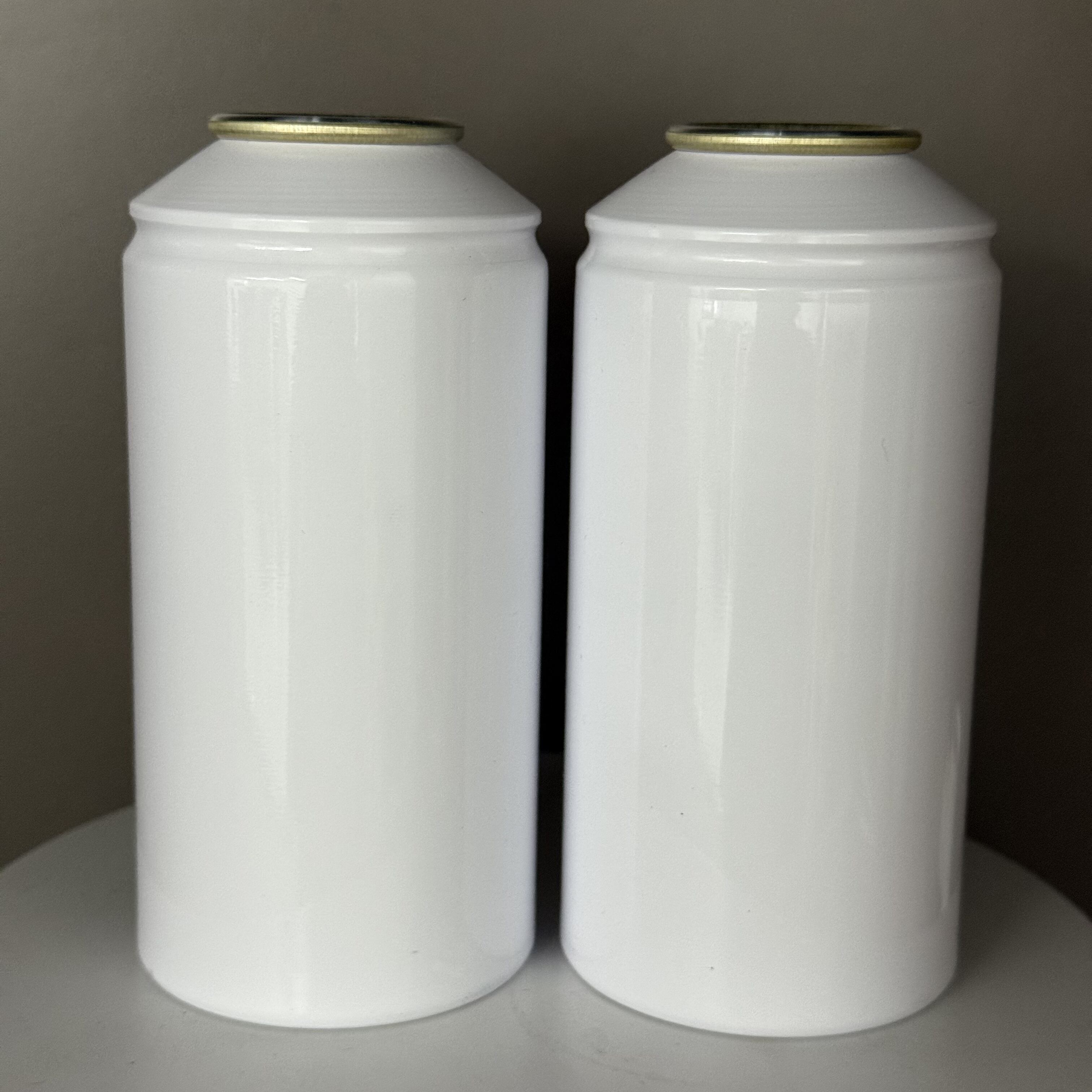
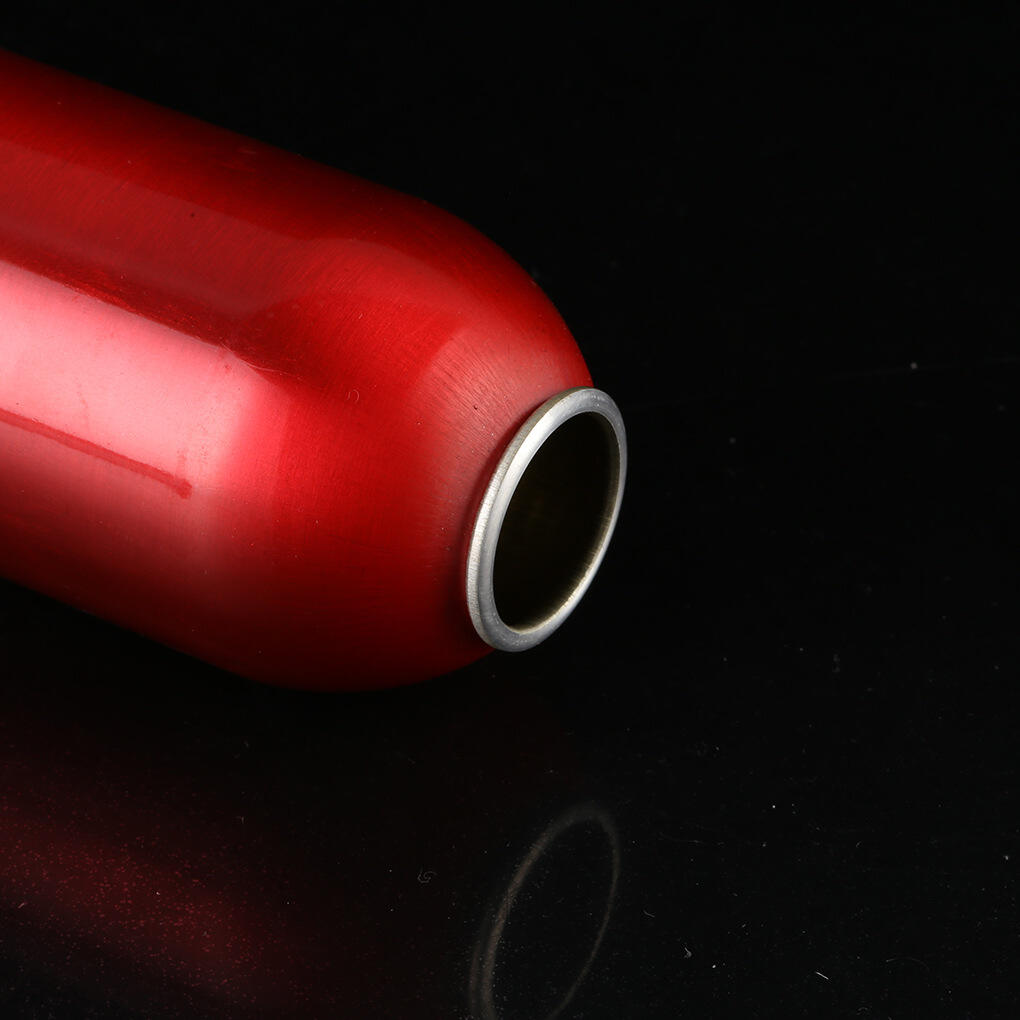
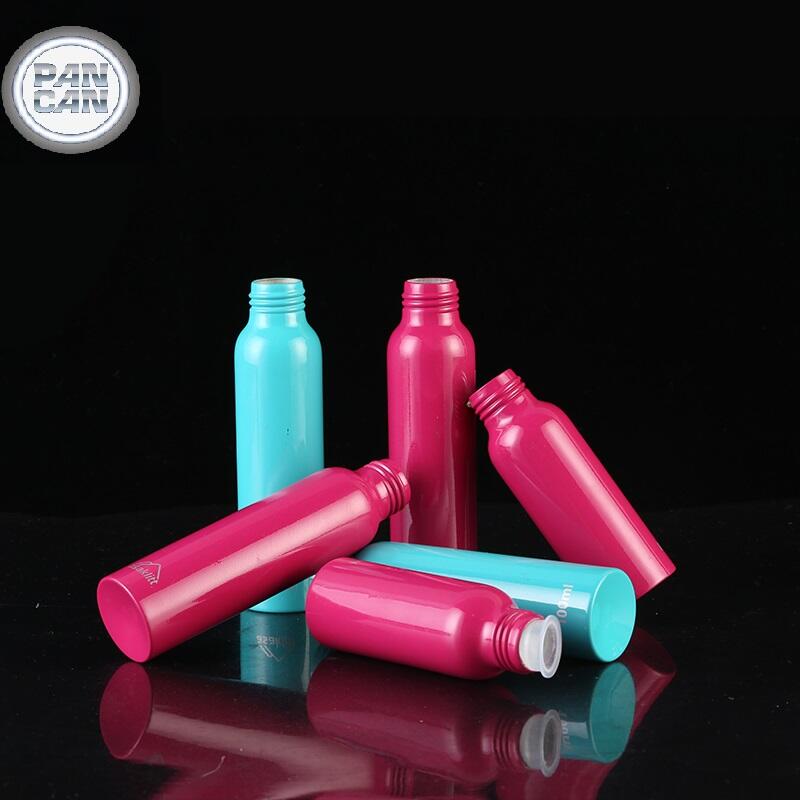
Aluminiumsbægeret til drikkevarer repræsenterer en revolutionerende tilgang til forbrug af drikkevarer, der kombinerer letvægtsdesign med ekstraordinær funktionalitet. Disse innovative drikkekar er fremstillet af højtkvalitets aluminiumslegering, der er konstrueret specifikt til servering af drikkevarer. Aluminiumsbægeret til drikkevarer har avancerede varmeledningsegenskaber, som sikrer optimal temperaturopholdelse for både varme og kolde drikkevarer. Moderne produktionsmetoder sikrer, at hvert aluminiumsbæger til drikkevarer opfylder strenge kvalitetsstandarder, mens det samtidig leverer konsekvent ydelse i forskellige drikkesituationer. Den teknologiske ramme bag aluminiumsbægeret til drikkevarer omfatter specialiserede overfladebehandlinger, der øger holdbarheden og modstår korrosion. Disse bægre anvender fødevareegnet aluminiumskonstruktion, der overholder internationale sikkerhedsregler for direkte kontakt med konsumable væsker. Aluminiumsbægeret til drikkevarer benytter præcisionsfremstillingsprocesser, der skaber ensartet vægtykkelse og dermed sikrer strukturel integritet under normal brug. Avancerede anodiseringsteknikker yder ekstra beskyttelse mod oxidation, samtidig med at den æstetiske udseende bevares for hvert aluminiumsbæger til drikkevarer. De primære funktioner rækker ud over simpel væskeholdning og inkluderer temperaturstyring, forbedret portabilitet og bæredygtige drikkeløsninger. Hvert aluminiumsbæger til drikkevarer gennemgår omfattende testprocedurer for at verificere termisk ydelse, strukturel stabilitet og kemisk kompatibilitet med forskellige typer drikkevarer. Anvendelsesområderne dækker kommercielle fødevarevirksomheder, udendørs fritidsaktiviteter, uddannelsesinstitutioner og privatbrug. Professionelle køkkener benytter aluminiumsbæger til drikkevarer på grund af deres konstante termiske egenskaber og nemme vedligeholdelse. Arrangører specificerer ofte aluminiumsbæger til drikkevarer til store arrangementer på grund af deres letvægt og genanvendelige sammensætning. De teknologiske funktioner omfatter sømløse konstruktionsmetoder, der eliminerer potentielle lækagepunkter, som ofte findes i traditionelle drikkekar.

 EN
EN