
 EN
EN



সৌন্দর্য ও ব্যক্তিগত যত্ন শিল্পে টেকসই প্যাকেজিং সমাধানের দিকে উল্লেখযোগ্য স্থানান্তর ঘটেছে, যার ফলে কসমেটিক অ্যালুমিনিয়াম বোতলের বিকল্পগুলি ব্র্যান্ড এবং ভোক্তাদের মধ্যে ক্রমশ জনপ্রিয় হয়ে উঠছে। এই প্রিমিয়াম পাত্রগুলি সংবেদনশীল ফর্মুলেশনগুলির জন্য উৎকৃষ্ট সুরক্ষা প্রদান করে এবং পরিবেশবান্ধব প্যাকেজিংয়ের বৃদ্ধি পাওয়া চাহিদা পূরণ করে। কসমেটিক অ্যালুমিনিয়াম বোতলের বিশ্বস্ত সরবরাহকারী খুঁজে পেতে গুণগত মানদণ্ড, উৎপাদন ক্ষমতা এবং শিল্প সার্টিফিকেশনগুলির যত্নপূর্ণ বিবেচনা করা আবশ্যক—যা নিশ্চিত করে যে আপনার পণ্যগুলি তাদের অখণ্ডতা বজায় রাখবে এবং পরিবেশ-সচেতন ভোক্তাদের আকর্ষণ করবে।
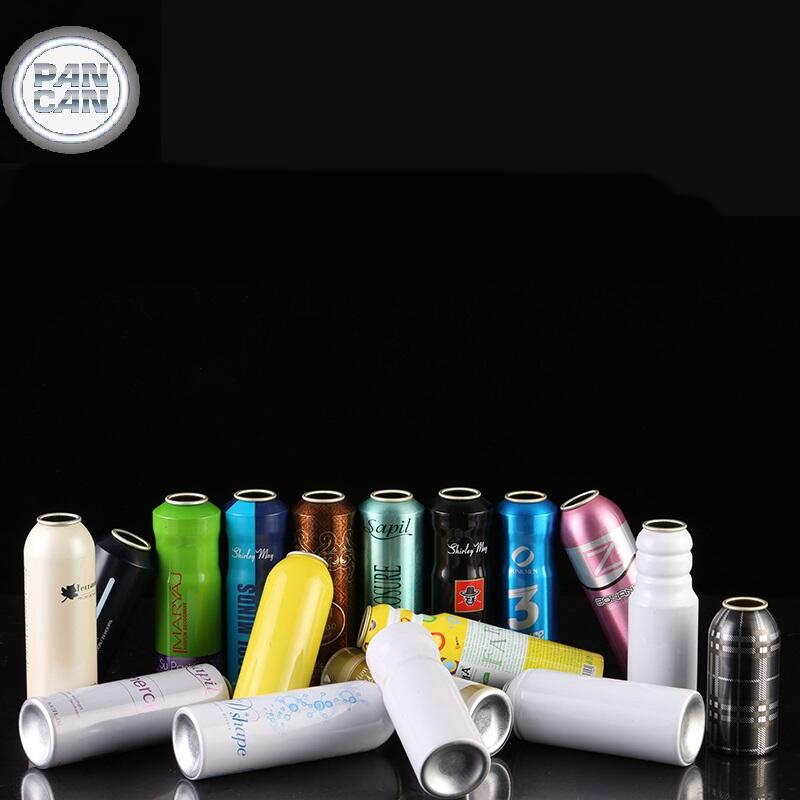
অ্যালুমিনিয়াম কসমেটিক প্যাকেজিংয়ের সুবিধাগুলি বোঝা
উত্তম পণ্য সুরক্ষা এবং রক্ষণশীলতা
অ্যালুমিনিয়াম আলো, অক্সিজেন এবং আর্দ্রতা-সংশ্লিষ্ট ক্ষয় থেকে কসমেটিক ফর্মুলেশনগুলিকে রক্ষা করার জন্য অসাধারণ বাধা বৈশিষ্ট্য প্রদান করে। এটি ত্বকের যত্নের সিরাম, অত্যাবশ্যকীয় তেল এবং অন্যান্য সংবেদনশীল সৌন্দর্য পণ্যের শক্তি ও কার্যকারিতা রক্ষা করার জন্য প্রতিটি কসমেটিক অ্যালুমিনিয়াম বোতলকে আদর্শ পছন্দ করে তোলে। এই উপাদানটির অক্রিয় প্রকৃতি নিশ্চিত করে যে সক্রিয় উপাদানগুলি পণ্যের শেল্ফ লাইফ জুড়ে স্থিতিশীল থাকবে, যার ফলে শেষ ব্যবহারকারীদের জন্য সুস্পষ্ট কার্যকারিতা ও গুণগত মান বজায় থাকবে।
তাপমাত্রা প্রতিরোধ হল অ্যালুমিনিয়াম প্যাকেজিংয়ের আরেকটি গুরুত্বপূর্ণ সুবিধা, যা পণ্যগুলিকে বিভিন্ন ভাণ্ডার ও পরিবহন অবস্থার মধ্যে তাদের অখণ্ডতা বজায় রেখে সহ্য করতে সক্ষম করে। প্লাস্টিকের বিকল্পগুলির বিপরীতে, তাপমাত্রা পরিবর্তনের মধ্যেও অ্যালুমিনিয়াম তার গঠনগত বৈশিষ্ট্য বজায় রাখে, যার ফলে আপনার কসমেটিক অ্যালুমিনিয়াম বোতলটি চ্যালেঞ্জিং পরিবেশেও তার আকৃতি ও সিল বিশ্বস্ততা বজায় রাখে।
পরিবেশগত উত্তরदায়িত্ব এবং পুনরুৎপাদনযোগ্যতা
অ্যালুমিনিয়ামের টেকসই বৈশিষ্ট্যগুলি এটিকে তাদের জন্য আকর্ষণীয় বিকল্প করে তোলে যারা তাদের পরিবেশগত পদচিহ্ন কমানোর প্রতি প্রতিশ্রুতিবদ্ধ। অ্যালুমিনিয়ামকে এর বৈশিষ্ট্য হারানো ছাড়াই অসীম সংখ্যক বার পুনর্ব্যবহার করা যায়, ফলে প্রতিটি কসমেটিক অ্যালুমিনিয়াম বোতল বৃত্তাকার অর্থনীতির নীতিগুলির প্রতি অবদান রাখে। এই পুনর্ব্যবহারযোগ্যতা পরিবেশ-সচেতন ভোক্তাদের কাছে আকর্ষণীয়, যারা তাদের ক্রয় সিদ্ধান্তে টেকসই প্যাকেজিং বিকল্পগুলিকে অগ্রাধিকার দেন।
নতুন প্লাস্টিক প্যাকেজিং তৈরি করার তুলনায় অ্যালুমিনিয়াম পাত্র উৎপাদন করতে সাধারণত কম শক্তির প্রয়োজন হয়, বিশেষ করে যখন পুনর্ব্যবহৃত অ্যালুমিনিয়াম ব্যবহার করা হয়। এই শক্তি দক্ষতা উৎপাদন প্রক্রিয়াজুড়ে কম কার্বন নিঃসরণের দিকে নিয়ে যায়, যা ব্র্যান্ডগুলিকে তাদের টেকসই উদ্দেশ্য এবং কর্পোরেট সামাজিক দায়িত্বের প্রতিশ্রুতি পূরণে সহায়তা করে।
উচ্চ-মানের অ্যালুমিনিয়াম বোতলগুলির প্রধান বৈশিষ্ট্য
উপাদানের স্পেসিফিকেশন এবং মান
প্রিমিয়াম কসমেটিক অ্যালুমিনিয়াম বোতল উৎপাদন খাদ্য-মানের অ্যালুমিনিয়াম মিশ্র ধাতুর উপর নির্ভর করে, যা কড়া নিরাপত্তা ও বিশুদ্ধতার মানদণ্ড পূরণ করে। এই উপকরণগুলির বিভিন্ন কসমেটিক ফর্মুলেশনের সাথে সামঞ্জস্যতা নিশ্চিত করতে কঠোর পরীক্ষা করা হয়, যাতে পণ্যের গুণগত মান বা নিরাপত্তাকে প্রভাবিত করতে পারে এমন কোনও অবাঞ্ছিত বিক্রিয়া রোধ করা যায়। অ্যালুমিনিয়াম দেয়ালের পুরুত্ব ও টেকসইতা সরাসরি বোতলটির সামগ্রীর রক্ষা করার ক্ষমতা এবং সরবরাহ শৃঙ্খলের মাধ্যমে পরিচালনা সহ্য করার ক্ষমতাকে প্রভাবিত করে।
পৃষ্ঠ চিকিত্সা ও কোটিংগুলি অ্যালুমিনিয়াম বোতলের কার্যকারিতা ও চেহারা উন্নত করতে গুরুত্বপূর্ণ ভূমিকা পালন করে। অভ্যন্তরীণ কোটিংগুলি পণ্য ও অ্যালুমিনিয়াম পৃষ্ঠের মধ্যে সরাসরি যোগাযোগ রোধ করে, অন্যদিকে বহির্মুখী ফিনিশগুলি ক্ষয়রোধী সুরক্ষা প্রদান করে এবং উচ্চ-মানের ব্র্যান্ডিং প্রয়োগের অনুমতি দেয়। এই চিকিত্সাগুলি নিশ্চিত করে যে প্রতিটি কসমেটিক অ্যালুমিনিয়াম বোতল দীর্ঘ সময় ধরে তার দৃষ্টিনন্দন আকর্ষণ ও কার্যকরী অখণ্ডতা বজায় রাখে।
ডিজাইন পরিবর্তনশীলতা এবং স্বায়ত্তশাসিত বিকল্প
আধুনিক অ্যালুমিনিয়াম বোতল উৎপাদন ব্র্যান্ডগুলিকে তাদের পরিচয় ও মূল্যবোধকে প্রতিফলিত করে এমন বিশিষ্ট প্যাকেজিং তৈরি করার জন্য ব্যাপক কাস্টমাইজেশনের সুযোগ প্রদান করে। এমবসিং, ডিবসিং এবং বিশেষায়িত মুদ্রণ প্রযুক্তিগুলি একটি সাধারণ কসমেটিক অ্যালুমিনিয়াম বোতলকে একটি প্রিমিয়াম ব্র্যান্ড সম্পদে রূপান্তরিত করতে পারে, যা পণ্যের বাজার অবস্থান এবং ভোক্তাদের ধারণাকে উন্নত করে।
বন্ধন ব্যবস্থা এবং বিতরণ যান্ত্রিক ব্যবস্থাগুলি নির্দিষ্ট পণ্যের প্রয়োজনীয়তা অনুযায়ী কাস্টমাইজ করা যেতে পারে, যাতে অপ্টিমাল কার্যকারিতা এবং ব্যবহারকারীর অভিজ্ঞতা নিশ্চিত হয়। লোশনের জন্য পাম্প ডিসপেন্সার থেকে শুরু করে সিরামের জন্য ড্রপার ক্যাপ পর্যন্ত—অ্যালুমিনিয়াম বোতলগুলির বহুমুখী প্রয়োগ কসমেটিক বিভিন্ন ক্ষেত্রে প্রয়োগযোগ্য, যখন অ্যালুমিনিয়াম প্যাকেজিং-এর গুণগত মান এবং আকর্ষণীয় রূপ অক্ষুণ্ণ থাকে।
বিশ্বস্ত সরবরাহকারী ও নির্মাতাদের চিহ্নিতকরণ
উৎপাদন ক্ষমতা এবং গুণবত্তা নিশ্চয়করণ
বিশ্বস্ত সরবরাহকারীরা ব্যাপক উৎপাদন প্রক্রিয়া এবং কঠোর মান নিয়ন্ত্রণ ব্যবস্থার মাধ্যমে গুণগত মানের প্রতি তাদের প্রতিশ্রুতি প্রদর্শন করেন। কসমেটিক প্যাকেজিং-এর জন্য বিশেষভাবে ডিজাইন করা আইএসও সার্টিফিকেশন এবং ভালো উৎপাদন অনুশীলন (GMP) মেনে চলে এমন নির্মাতাদের খুঁজুন। এই সার্টিফিকেশনগুলি নির্দেশ করে যে, সরবরাহকারী তাদের কসমেটিক অ্যালুমিনিয়াম বোতল উৎপাদনে মান ব্যবস্থাপনা এবং চলমান উন্নয়নের জন্য পদ্ধতিগত পদক্ষেপ প্রতিষ্ঠা করেছেন।
আপনার কসমেটিক অ্যালুমিনিয়াম বোতলের প্রয়োজনে সরবরাহকারী নির্বাচন করার সময় উৎপাদন ক্ষমতা এবং স্কেলেবিলিটি হল অত্যন্ত গুরুত্বপূর্ণ বিবেচ্য বিষয়। বিশ্বস্ত নির্মাতারা উৎপাদন বিকাশের জন্য ছোট ব্যাচের অর্ডার থেকে শুরু করে বাণিজ্যিক বিতরণের জন্য বড় আকারের উৎপাদন চালানোর ক্ষমতা রাখবেন। এই নমনীয়তা আপনার ব্র্যান্ডের বৃদ্ধি ও বিকাশের সাথে সঙ্গতিপূর্ণ সরবরাহ নিশ্চিত করে।
প্রযুক্তিগত সহায়তা এবং কাস্টমাইজেশন পরিষেবা
শীর্ষস্থানীয় সরবরাহকারীরা পণ্য উন্নয়ন ও উৎপাদন প্রক্রিয়াজুড়ে ব্যাপক কারিগরি সমর্থন প্রদান করেন। এর মধ্যে আপনার ফর্মুলেশন এবং কসমেটিক অ্যালুমিনিয়াম বোতলের উপকরণের মধ্যে সামঞ্জস্য পরীক্ষা অন্তর্ভুক্ত থাকে, যা পণ্যের সর্বোত্তম কার্যকারিতা এবং শেল্ফ লাইফ নিশ্চিত করে। ক্লোজার নির্বাচন, আকার নির্ধারণ এবং ডিজাইন বিবরণী সংক্রান্ত বিশেষজ্ঞ পরামর্শ প্রয়োগ-বিশেষ এবং বাজারের প্রয়োজনীয়তা অনুযায়ী প্যাকেজিং সমাধান অপ্টিমাইজ করতে সহায়তা করে।
মূল্য যুক্ত সেবাগুলির মধ্যে রয়েছে কসমেটিক অ্যালুমিনিয়াম বোতল সজ্জাকরণ, লেবেলিং এবং অ্যাসেম্বলি ক্ষমতা—যা প্যাকেজিং প্রক্রিয়াকে সরলীকৃত করে এবং আপনার সরবরাহ শৃঙ্খলের জটিলতা কমিয়ে দেয়। এই ব্যাপক সেবা অফারগুলি ব্র্যান্ডগুলিকে পণ্য উন্নয়ন ও মার্কেটিং-এ ফোকাস করতে সক্ষম করে, একইসাথে পেশাদার প্যাকেজিং বাস্তবায়ন নিশ্চিত করে।
বাজার প্রয়োগ এবং শিল্প প্রবণতা
প্রিমিয়াম বিউটি সেগমেন্টে বৃদ্ধি পাওয়া চাহিদা
প্রিমিয়াম বিউটি ও স্কিনকেয়ার বাজার গুণগত মান, টেকসইতা এবং সুরক্ষার সাথে যে যোগাযোগ রয়েছে তার কারণে অ্যালুমিনিয়াম প্যাকেজিং-এর প্রতি ক্রমশ বেশি ঝোঁক দেখাচ্ছে। লাক্সারি ব্র্যান্ডগুলি বিশেষভাবে একটি ভালভাবে ডিজাইন করা কসমেটিক অ্যালুমিনিয়াম বোতলের সৌন্দর্যপূর্ণ আকর্ষণ এবং ধারণাগত মূল্যের প্রতি মূল্য দেয়, যা তাদের পণ্য লাইনে যোগ করে। এই বাজার খণ্ডটি প্রতিযোগিতামূলক খুচরা বিক্রয় পরিবেশে পণ্যগুলিকে পৃথক করার জন্য উদ্ভাবনী ডিজাইন এবং প্রিমিয়াম ফিনিশগুলির চাহিদা বৃদ্ধি করে।
অ্যাসেনশিয়াল অয়েল এবং অ্যারোমাথেরাপি পণ্যগুলি অ্যালুমিনিয়াম বোতল প্রয়োগের ক্ষেত্রে উল্লেখযোগ্য বৃদ্ধির সুযোগ তৈরি করে। অ্যালুমিনিয়ামের আলো-অবরোধকারী বৈশিষ্ট্যগুলি অ্যাসেনশিয়াল অয়েলের শক্তি এবং চিকিৎসামূলক বৈশিষ্ট্য সংরক্ষণের জন্য আদর্শ, যেখানে প্রিমিয়াম চেহারা প্রাকৃতিক ও স্বাস্থ্য-কেন্দ্রিক পণ্যগুলির জন্য ভোক্তাদের আশা পূরণ করে।
একটি ব্যবহার্য প্যাকেজিং সমাধানের মধ্যে নতুনতা
স্থায়ী প্যাকেজিংয়ের উদীয়মান প্রবণতাগুলি কসমেটিক অ্যালুমিনিয়াম বোতলের ডিজাইন ও উৎপাদনে চলমান উদ্ভাবনকে প্রভাবিত করছে। ভোক্তা-ব্যবহৃত পুনর্ব্যবহারযোগ্য অ্যালুমিনিয়াম উপাদান, পুনরায় পূরণযোগ্য সিস্টেম এবং উপাদান ব্যবহার কমিয়ে ফাংশনালিটি বজায় রাখার জন্য ন্যূনতম ডিজাইন—এগুলি উন্নয়নের প্রধান ক্ষেত্রগুলির মধ্যে অন্তর্ভুক্ত। এই উদ্ভাবনগুলি পরিবেশগত সমস্যা সম্পর্কে বাড়ছে এমন ভোক্তাদের সচেতনতা এবং স্থায়ী প্যাকেজিং সমাধানের জন্য নিয়ন্ত্রক চাপকে মোকাবেলা করে।
অ্যালুমিনিয়াম বোতলের সাথে স্মার্ট প্যাকেজিং প্রযুক্তির একীভূতকরণ ব্র্যান্ড এনগেজমেন্ট ও পণ্য প্রমাণীকরণের জন্য নতুন সম্ভাবনা তৈরি করে। কিউআর কোড, এনএফসি ট্যাগ এবং অন্যান্য ডিজিটাল বৈশিষ্ট্যগুলি কসমেটিক অ্যালুমিনিয়াম বোতলের ডিজাইনে অন্তর্ভুক্ত করা যেতে পারে, যার মাধ্যমে ভোক্তাদের পণ্য সম্পর্কিত তথ্য, ব্যবহারের নির্দেশাবলী এবং ব্র্যান্ডের গল্প বলার অভিজ্ঞতা প্রদান করা হয়—যা মূল্য ধারণা এবং ব্র্যান্ড আনুগত্য উন্নয়নে সহায়তা করে।
খরচ বিবেচনা এবং মূল্য বিশ্লেষণ
প্রাথমিক বিনিয়োগ এবং দীর্ঘমেয়াদী মূল্য
যদিও কসমেটিক অ্যালুমিনিয়াম বোতলের প্রাথমিক খরচ প্লাস্টিকের বিকল্পগুলির তুলনায় বেশি হতে পারে, তবুও দীর্ঘমেয়াদী মূল্য প্রস্তাবনা প্রায়শই এই বিনিয়োগকে যথার্থ করে। উৎকৃষ্ট পণ্য সুরক্ষা ক্ষতিগ্রস্ত বা ক্ষয়ক্ষতিগ্রস্ত পণ্য থেকে বর্জ্য হ্রাস করে, আবার অ্যালুমিনিয়াম প্যাকেজিং-এর মাধ্যমে প্রাপ্ত প্রিমিয়াম অবস্থান উচ্চতর খুচরা মূল্য এবং উন্নত মুনাফা মার্জিনকে সমর্থন করতে পারে।
মোট মালিকানা খরচে প্যাকেজিংয়ের একক মূল্যের বাইরে অন্যান্য বিষয়গুলিও অন্তর্ভুক্ত থাকে। অ্যালুমিনিয়াম বোতলগুলির পরিবহন দক্ষতা, সংরক্ষণের প্রয়োজনীয়তা এবং পরিচালনার বৈশিষ্ট্যগুলি সামগ্রিক যাতায়াত খরচকে প্রভাবিত করতে পারে। অ্যালুমিনিয়াম প্যাকেজিংয়ের টিকে থাকার ক্ষমতা ও নির্ভরযোগ্যতা প্রায়শই ফেরতের হার ও গ্রাহকদের অভিযোগ হ্রাস করে, যা ব্র্যান্ডের সুখ্যাতি ও গ্রাহক সন্তুষ্টি উন্নত করতে সাহায্য করে।
আয়তন-ভিত্তিক মূল্য নির্ধারণ এবং সরবরাহ শৃঙ্খল অপ্টিমাইজেশন
অর্থনীতির পরিসর (স্কেল) কসমেটিক অ্যালুমিনিয়াম বোতলের দাম নির্ধারণে গুরুত্বপূর্ণ ভূমিকা পালন করে, যেখানে বড় আকারের অর্ডার সাধারণত একক ইউনিট খরচে আরও সুবিধাজনক ফলাফল দেয়। আপনার প্রসারের পথচিত্র বুঝতে পারে এমন এবং ধ্রুব মূল্য কাঠামো প্রদান করতে পারে এমন সরবরাহকারীদের সাথে কাজ করা আপনার বাজেট প্রণয়ন এবং প্রসারিত পণ্য লাইনের জন্য আর্থিক পরিকল্পনার ক্ষেত্রে সহায়তা করে।
সাপ্লাই চেইন অপ্টিমাইজেশনের মধ্যে ইনভেন্টরি ধারণ খরচ, অর্ডার করার পৌনঃপুনিকতা এবং ন্যূনতম অর্ডার পরিমাণ—এই তিনটি বিষয়ের ভারসাম্য বজায় রাখা অন্তর্ভুক্ত। বিশ্বস্ত সরবরাহকারীরা নমনীয় অর্ডারিং বিকল্প এবং ইনভেন্টরি ব্যবস্থাপনা সমর্থন প্রদান করে, যার ফলে ব্র্যান্ডগুলি কার্যকরী মূলধনের প্রয়োজনীয়তা এবং সংরক্ষণ খরচ কমিয়ে অপ্টিমাল স্টক স্তর বজায় রাখতে পারে।
FAQ
কসমেটিক অ্যালুমিনিয়াম বোতলের জন্য সাধারণত কোন কোন আকার পাওয়া যায়?
সৌন্দর্যপ্রসাধনী অ্যালুমিনিয়াম বোতলগুলি সাধারণত ৩০ মিলি থেকে ৫০০ মিলি পর্যন্ত বিভিন্ন আকারে পাওয়া যায়, যার মধ্যে জনপ্রিয় বিকল্পগুলি হল ৫০ মিলি, ১০০ মিলি, ১৫০ মিলি এবং ২৫০ মিলি ধারণক্ষমতা বিশিষ্ট বোতল। বিশেষ প্রয়োজন অনুযায়ী কাস্টম আকারের বোতল উৎপাদন করা সম্ভব, তবে অ-মানক আকারের জন্য ন্যূনতম অর্ডার পরিমাণ (MOQ) প্রযোজ্য হতে পারে।
আমার ফর্মুলেশন এবং অ্যালুমিনিয়াম প্যাকেজিংয়ের মধ্যে সামঞ্জস্য নিশ্চিত করার জন্য আমি কী করব?
সামঞ্জস্য পরীক্ষণের মাধ্যমে আপনার সৌন্দর্যপ্রসাধনী ফর্মুলেশনটিকে ত্বরিত বয়স্করণের শর্তে অ্যালুমিনিয়াম বোতলের উপাদানের সংস্পর্শে আনা হয় যাতে সম্ভাব্য কোনও পারস্পরিক ক্রিয়াকলাপ শনাক্ত করা যায়। বিশ্বস্ত সরবরাহকারীরা সাধারণত সামঞ্জস্য পরীক্ষণ সেবা প্রদান করেন অথবা আপনার পণ্যটি নির্বাচিত প্যাকেজিংয়ে তার অখণ্ডতা ও কার্যকারিতা বজায় রাখে কিনা তা নিশ্চিত করতে স্বাধীন পরীক্ষাগারগুলির পরামর্শ দিতে পারেন।
কাস্টম অ্যালুমিনিয়াম বোতলের জন্য আমি কী পরিমাণ ন্যূনতম অর্ডার পরিমাণ (MOQ) আশা করতে পারি?
ন্যূনতম অর্ডার পরিমাণ প্রয়োজনীয় কাস্টমাইজেশনের স্তরের উপর নির্ভর করে ব্যাপকভাবে পরিবর্তিত হয়। মানসম্মত আকার এবং মৌলিক মুদ্রণ সহ পণ্যগুলির জন্য ন্যূনতম অর্ডার পরিমাণ (MOQ) যেমন ১,০০০ ইউনিট পর্যন্ত হতে পারে, অন্যদিকে সম্পূর্ণ কাস্টম আকৃতি, আকার বা বিশেষায়িত কোটিং সহ পণ্যগুলির জন্য ১০,০০০ ইউনিট বা তার বেশি অর্ডার প্রয়োজন হতে পারে। অনেক সরবরাহকারী প্রাথমিক পরীক্ষার জন্য বা ছোট ব্যাচের উৎপাদনের জন্য কম MOQ-এর বিকল্প প্রদান করে।
অ্যালুমিনিয়াম কসমেটিক বোতলের উৎপাদন প্রক্রিয়া সাধারণত কত সময় নেয়
কসমেটিক অ্যালুমিনিয়াম বোতলের উৎপাদন সময়সীমা সাধারণত মানসম্মত পণ্যের জন্য ১৫-৩০ দিনের মধ্যে হয়, অন্যদিকে কাস্টম ডিজাইনের জন্য জটিলতা ও টুলিং প্রয়োজনীয়তার উপর নির্ভর করে ৩০-৪৫ দিন বা তার বেশি সময় লাগতে পারে। সরবরাহকারীর উৎপাদন ক্ষমতা, অর্ডারের পরিমাণ এবং মৌসুমি চাহিদা ইত্যাদি বিষয়গুলি উৎপাদন সময়সূচীকে প্রভাবিত করতে পারে; সুতরাং নিরবচ্ছিন্ন সরবরাহ নিশ্চিত করতে আগাম পরিকল্পনা অত্যন্ত গুরুত্বপূর্ণ।
সূচিপত্র
- অ্যালুমিনিয়াম কসমেটিক প্যাকেজিংয়ের সুবিধাগুলি বোঝা
- উচ্চ-মানের অ্যালুমিনিয়াম বোতলগুলির প্রধান বৈশিষ্ট্য
- বিশ্বস্ত সরবরাহকারী ও নির্মাতাদের চিহ্নিতকরণ
- বাজার প্রয়োগ এবং শিল্প প্রবণতা
- খরচ বিবেচনা এবং মূল্য বিশ্লেষণ
-
FAQ
- কসমেটিক অ্যালুমিনিয়াম বোতলের জন্য সাধারণত কোন কোন আকার পাওয়া যায়?
- আমার ফর্মুলেশন এবং অ্যালুমিনিয়াম প্যাকেজিংয়ের মধ্যে সামঞ্জস্য নিশ্চিত করার জন্য আমি কী করব?
- কাস্টম অ্যালুমিনিয়াম বোতলের জন্য আমি কী পরিমাণ ন্যূনতম অর্ডার পরিমাণ (MOQ) আশা করতে পারি?
- অ্যালুমিনিয়াম কসমেটিক বোতলের উৎপাদন প্রক্রিয়া সাধারণত কত সময় নেয়

