
 EN
EN


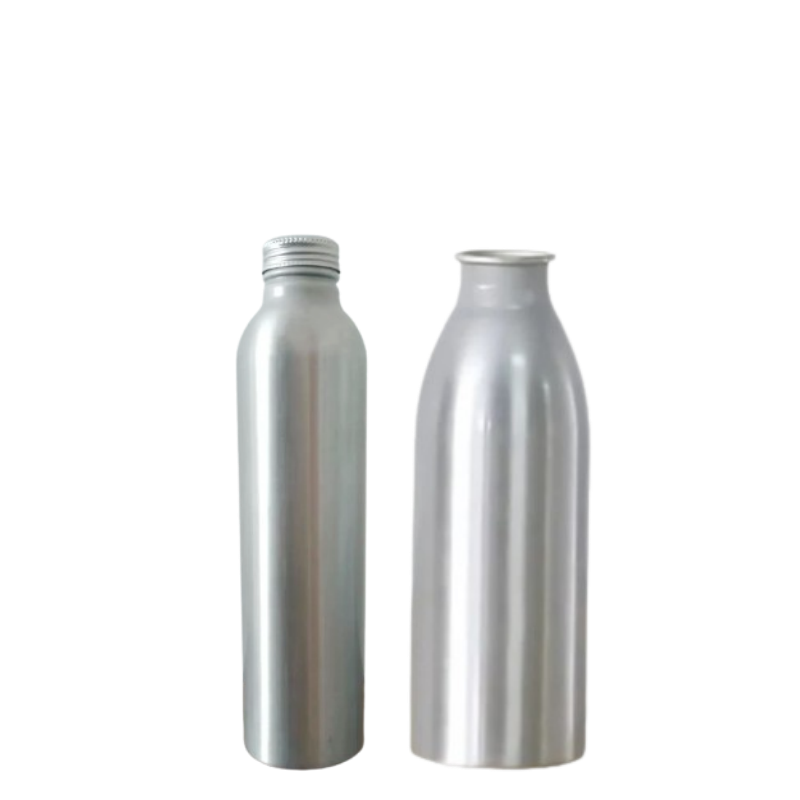
Introduction: The Renaissance of Aluminum Aerosol Packaging
In the dynamic world of packaging, aluminum aerosol cans are experiencing a remarkable renaissance, blending decades of proven performance with cutting-edge innovations that address modern consumer and environmental demands. The global aluminum aerosol can market, valued at approximately $7.8 billion in 2023, is projected to reach $11.2 billion by 2028, demonstrating a robust compound annual growth rate of 7.5%. This growth trajectory isn't accidental but represents a fundamental shift in how brands and consumers view packaging—as both a functional necessity and an expression of environmental responsibility.
The convergence of advanced manufacturing technologies, sophisticated design capabilities, and urgent sustainability requirements has positioned aluminum aerosol cans as the packaging solution of choice across multiple industries. From personal care and cosmetics to pharmaceuticals and household products, aluminum aerosol cans are proving that traditional packaging formats can evolve to meet contemporary challenges while offering superior performance and environmental credentials.
1. Market Growth Analysis and Key Drivers
1.1. Global Market Expansion
Regional Performance Metrics:
North America: 6.8% CAGR driven by sustainable packaging mandates
European Union: 8.2% growth fueled by circular economy initiatives
Asia-Pacific: 9.5% expansion with rising disposable incomes
Latin America: 7.1% growth through manufacturing investment
Segment Performance:
Personal Care: 38% market share, growing at 8.1% annually
Household Products: 25% market share, 6.9% growth rate
Pharmaceuticals: 18% market share, expanding at 10.2% CAGR
Automotive/Industrial: 12% share, 5.8% growth rate
1.2. Primary Growth Drivers
Consumer Demand Shifts:
73% of consumers prefer products in sustainable packaging
68% willing to pay premium for environmentally responsible packaging
81% expect brands to demonstrate environmental commitment
45% have switched brands due to packaging environmental concerns
Regulatory Pressures:
Extended Producer Responsibility schemes expanding globally
Single-use plastic bans in 127 countries and growing
Recycling mandates requiring minimum recycled content
Carbon reduction targets driving lightweighting initiatives
2. Design Innovation: Blending Form and Function
2.1. Advanced Structural Design
Sleek Profile Evolution:
Reduced diameter designs from 65mm to 45mm standards
Height optimization for improved shelf space efficiency
Ergonomic contours enhancing user comfort and grip
Weight reduction achieving 25% lighter cans versus 2010 standards
Aesthetic Innovations:
Seamless monobloc construction creating premium appearance
HD digital printing enabling photorealistic graphics at 2400 dpi
Special effect coatings including matte, soft-touch, and metallic finishes
Structural embossing integrating brand elements into can geometry
2.2. Smart Packaging Integration
Digital Connectivity:
QR code integration enabling consumer engagement and authentication
NFC technology for interactive experiences and loyalty programs
Augmented reality triggers connecting physical and digital worlds
Temperature indicators ensuring product integrity
Functional Intelligence:
Usage tracking through smart valve technology
Dosage control for pharmaceutical and premium product applications
Freshness monitoring through integrated sensor technology
Inventory management supporting supply chain optimization
3. Environmental Leadership and Sustainability
3.1. Circular Economy Excellence
Recycling Performance:
Current recycling rate: 68.2% in North America, 74.5% in EU
Infinite recyclability without quality degradation
Closed-loop systems achieving 95% material efficiency
Energy savings of 95% versus primary aluminum production
Lifecycle Advantages:
Carbon footprint 50-60% lower than plastic alternatives
Lightweight design reducing transportation emissions by 28%
Water usage 45% lower than plastic production
Manufacturing waste below 2% through precision engineering
3.2. Sustainable Manufacturing
Production Innovations:
Renewable energy powering manufacturing facilities
Water recycling systems achieving 90% reuse rates
Waste heat recovery from production processes
Zero landfill initiatives at leading production facilities
Material Science Advances:
Recycled content increasing to 75% in premium products
Bio-based coatings reducing fossil fuel dependence
Alloy optimization minimizing material usage
Chemical management ensuring worker and environmental safety
4. Technological Advancements Driving Innovation
4.1. Manufacturing 4.0 Implementation
Smart Production:
AI-powered quality control detecting defects at 1200 units/minute
Predictive maintenance reducing downtime by 35%
Real-time process optimization improving efficiency by 22%
Automated inspection achieving 99.95% quality assurance
Advanced Processing:
Laser etching systems for permanent high-resolution marking
Robotic spray coating ensuring uniform coverage and thickness
Automated optical inspection verifying print and coating quality
IoT integration enabling real-time production monitoring
4.2. Material Science Breakthroughs
Alloy Development:
High-strength formulations enabling 20% weight reduction
Improved corrosion resistance expanding product compatibility
Enhanced formability allowing complex shape creation
Recycling compatibility ensuring closed-loop performance
Coating Innovations:
Graphene-enhanced barriers providing superior protection
Self-healing coatings maintaining appearance through distribution
Bio-based polymers reducing environmental impact
Functional surfaces enabling smart packaging integration
5. Application Expansion and Market Diversification
5.1. Emerging Application Areas
Pharmaceutical Advancements:
Respiratory therapies requiring precise dosage delivery
Topical treatments benefiting from controlled application
Nasal sprays demanding sterile packaging solutions
Veterinary medicines expanding into new delivery formats
Food and Beverage Innovation:
Culinary sprays for professional and home kitchens
Beverage carbonation in portable formats
Nutritional supplements requiring precise dosing
Specialty oils and flavor applications
5.2. Premium Product Segments
Luxury Personal Care:
Designer fragrances in custom-shaped aerosol formats
Premium skincare with advanced delivery systems
High-end haircare requiring superior product protection
Cosmetic innovations leveraging precise application
Specialty Applications:
Electronics cleaning with static-safe formulations
Industrial maintenance requiring durable packaging
Automotive care benefiting from controlled application
Professional products demanding reliability and performance
6. Consumer Trends Shaping Market Evolution
6.1. Sustainability Expectations
Environmental Awareness:
67% of consumers consider recyclability when purchasing
58% actively avoid products with excessive packaging
72% prefer products with clear environmental credentials
64% trust brands more when they use sustainable packaging
Circular Economy Engagement:
45% participation in recycling programs when convenient
38% willingness to return packaging for reuse
52% preference for refillable systems
61% interest in packaging with recycled content
6.2. Performance and Experience Demands
User Experience:
Ergonomic requirements driving design innovation
Precision application expectations across categories
Consistent performance throughout product life
Aesthetic appeal influencing purchase decisions
Functional Excellence:
Reliable operation across temperature ranges
Complete evacuation minimizing product waste
Easy disposal following product use
Clear labeling for proper usage and recycling
7. Regulatory Landscape and Compliance
7.1. Global Standards Evolution
Environmental Regulations:
EPR schemes expanding to 45 countries by 2025
Recycled content mandates requiring minimum 30% by 2030
Carbon reduction targets driving manufacturing innovation
Chemical management ensuring product safety
Product Safety:
FDA and EU compliance for food and pharmaceutical use
Propellant regulations governing global trade
Labeling requirements ensuring consumer safety
Transportation standards for pressurized containers
7.2. Certification and Verification
Environmental Certifications:
Aluminum Stewardship Initiative certification
Cradle to Cradle product standards
Carbon Neutral manufacturing verification
Recycled content certification programs
Quality Assurance:
ISO 9001 quality management systems
BRC-IOP packaging safety standards
GMP compliance for pharmaceutical applications
Continuous improvement protocols
8. Future Outlook and Strategic Opportunities
8.1. Market Projections
Growth Trajectory:
2024-2026: Mainstream adoption of smart packaging features
2027-2029: Dominance of circular economy business models
2030+: Integration with broader sustainability ecosystems
Regional Opportunities:
Asia-Pacific: Emerging market expansion and manufacturing growth
North America: Premium product innovation and sustainability leadership
European Union: Circular economy implementation and regulatory compliance
Latin America: Market development and infrastructure investment
8.2. Innovation Pathways
Technology Development:
Advanced materials with enhanced functionality
Digital integration creating connected packaging ecosystems
Manufacturing efficiency through AI and automation
Supply chain optimization leveraging data analytics
Sustainability Evolution:
Carbon neutral manufacturing becoming standard
100% recycled content in mainstream products
Zero waste production across the value chain
Regenerative systems supporting circular economy
Conclusion: Leading the Packaging Evolution
The aluminum aerosol can market stands at the forefront of packaging innovation, successfully balancing decades of proven performance with forward-looking environmental responsibility and technological advancement. The continued growth and evolution of this market demonstrate that traditional packaging formats can not only adapt to modern challenges but can lead the way in creating sustainable, functional, and appealing packaging solutions.
As consumer preferences continue to evolve toward sustainability and performance, and as regulatory pressures increase around environmental impact, aluminum aerosol cans are uniquely positioned to meet these demands while offering brands reliable, cost-effective, and premium packaging options. The convergence of innovative design, environmental leadership, and technological advancement ensures that aluminum aerosol cans will remain a packaging mainstay while continuing to evolve and improve.
The future of aluminum aerosol cans is not just about containing and dispensing products—it's about creating experiences, demonstrating environmental responsibility, and delivering performance that meets the highest expectations of brands, consumers, and regulators alike. This comprehensive approach to packaging innovation ensures that aluminum aerosol cans will continue to grow and lead the packaging industry for decades to come.
Table of Contents
- Introduction: The Renaissance of Aluminum Aerosol Packaging
- 1. Market Growth Analysis and Key Drivers
- 2. Design Innovation: Blending Form and Function
- 3. Environmental Leadership and Sustainability
- 4. Technological Advancements Driving Innovation
- 5. Application Expansion and Market Diversification
- 6. Consumer Trends Shaping Market Evolution
- 7. Regulatory Landscape and Compliance
- 8. Future Outlook and Strategic Opportunities
- Conclusion: Leading the Packaging Evolution

