
 EN
EN


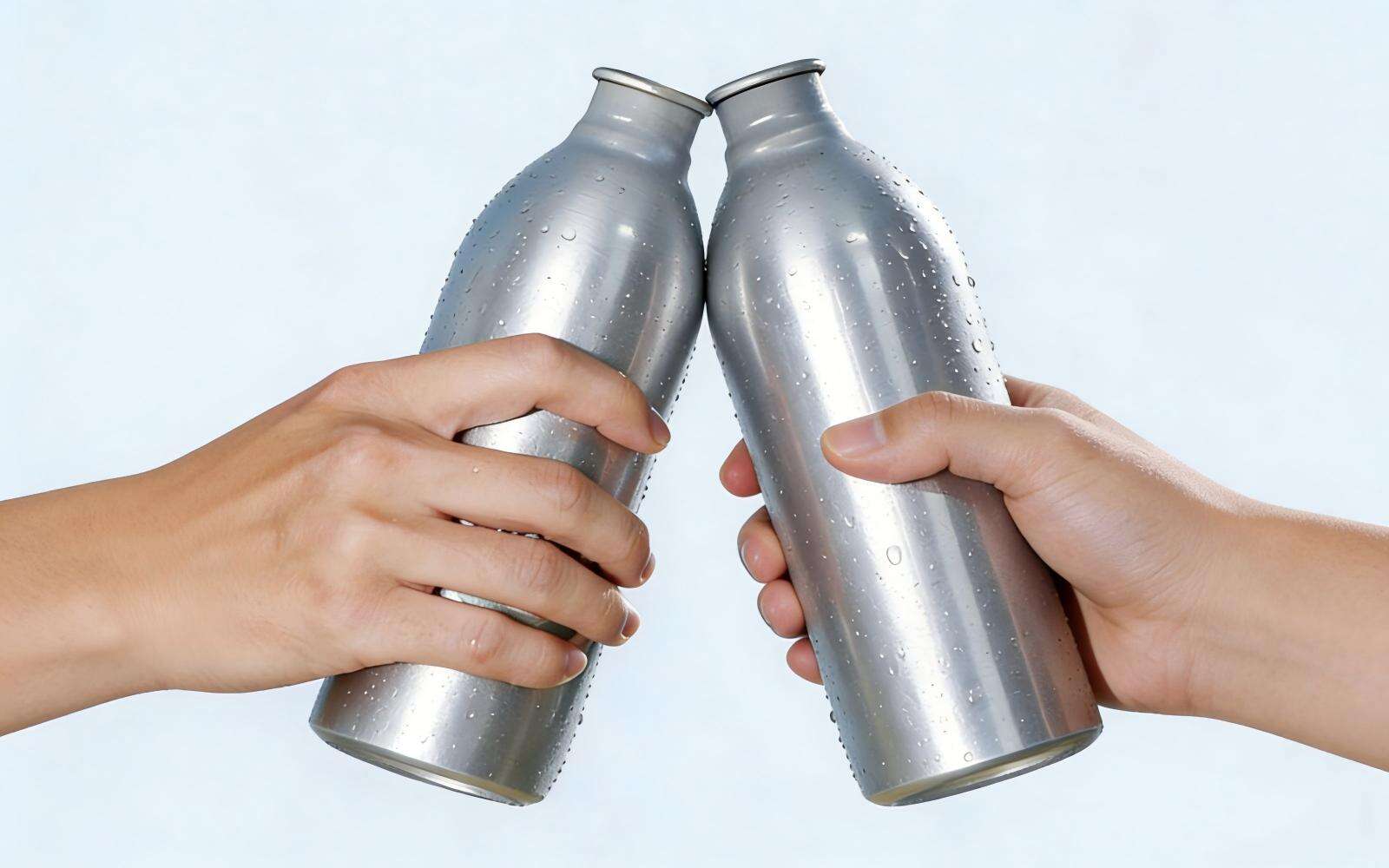
In an era where consumers demand both performance and sustainability from their beverage packaging, aluminum beverage bottles have emerged as a superior solution for maintaining optimal drink temperature over extended periods. Unlike traditional glass or plastic containers, these innovative vessels leverage the unique thermal properties of aluminum to create an effective barrier against external temperature fluctuations. For beverage manufacturers, distributors, and retailers seeking to enhance product quality while meeting environmental standards, understanding the thermal retention capabilities of aluminum beverage bottles represents a critical competitive advantage in today's market.
The science behind temperature retention in beverage packaging involves complex interactions between material properties, container design, and environmental conditions. Aluminum beverage bottles excel in this domain through their exceptional thermal conductivity combined with strategic insulation techniques that prevent heat transfer. This article explores the mechanisms through which aluminum beverage bottles maintain colder temperatures longer than alternative packaging formats, examines the material science principles that enable superior thermal performance, and provides practical guidance for businesses looking to optimize their cold beverage delivery systems through advanced aluminum container technology.
The Thermal Science Behind Aluminum Beverage Bottles
Material Conductivity and Heat Transfer Mechanics
Aluminum possesses a thermal conductivity coefficient of approximately 205 watts per meter-kelvin, making it one of the most thermally responsive metals used in commercial packaging applications. This high conductivity initially seems counterintuitive for temperature retention, but when properly engineered, aluminum beverage bottles utilize this property to rapidly equalize internal temperatures before implementing insulation strategies. The key lies in understanding that thermal conductivity works bidirectionally, allowing aluminum to quickly absorb coldness from refrigeration systems and then resist ambient heat penetration when paired with appropriate barrier technologies.
The wall thickness of aluminum beverage bottles typically ranges from 0.3 to 0.5 millimeters, creating a delicate balance between structural integrity and thermal management. This precise engineering allows the container to respond quickly to initial cooling while maintaining sufficient mass to resist rapid temperature fluctuation once the beverage reaches optimal serving temperature. Advanced manufacturing techniques enable consistent wall distribution that eliminates thermal weak points where heat could penetrate more easily, ensuring uniform temperature maintenance across the entire container surface.
Heat transfer in beverage containers occurs through three primary mechanisms: conduction through container walls, convection from surrounding air currents, and radiation from warmer environmental surfaces. Aluminum beverage bottles address each pathway through distinct material advantages. The metal's reflective surface naturally deflects radiant heat, while its smooth interior minimizes convective currents within the liquid itself. When combined with external coatings or secondary insulation layers, these bottles create a comprehensive thermal barrier system that significantly outperforms conventional packaging materials in maintaining cold beverage temperatures.
Reflective Properties and Radiant Heat Deflection
The polished surface of aluminum beverage bottles exhibits a reflectivity coefficient exceeding 80 percent across the infrared spectrum, making these containers exceptionally effective at deflecting radiant heat from external sources. This optical property becomes particularly valuable in outdoor environments, retail displays under artificial lighting, or transportation scenarios where containers face direct sunlight exposure. Unlike darker plastic or glass containers that absorb radiant energy and convert it to internal heat, aluminum surfaces bounce thermal radiation away before it can elevate the beverage temperature.
Surface finishing techniques applied during manufacturing further enhance the reflective capabilities of aluminum beverage bottles. Anodizing processes create microscopic surface structures that increase both reflectivity and durability without compromising the material's inherent thermal properties. These treatments also enable aesthetic customization through colored finishes that maintain functional performance, allowing brands to achieve visual differentiation while preserving the thermal advantages that make aluminum containers superior for cold beverage applications.
The curved geometry of aluminum beverage bottles contributes additional thermal benefits through surface angle optimization. The cylindrical form naturally orients most of the container surface at oblique angles to overhead radiant heat sources, increasing the effective reflectivity through geometric dispersion. This shape-based advantage combines with material reflectivity to create a synergistic thermal protection system that passive packaging materials cannot replicate, making aluminum beverage bottles particularly effective for maintaining cold temperatures in challenging thermal environments.
Insulation Enhancement Technologies for Extended Cold Retention
Double-Wall Construction Methods
Advanced aluminum beverage bottles increasingly incorporate double-wall construction techniques that create an air gap between inner and outer aluminum shells. This dead air space serves as a highly effective insulation layer, exploiting air's low thermal conductivity of approximately 0.024 watts per meter-kelvin to dramatically reduce heat transfer rates. The vacuum or partial vacuum that can be achieved in this interstitial space further enhances insulation performance by eliminating convective heat transfer pathways, creating thermal retention capabilities that rival or exceed traditional insulated containers while maintaining the aesthetic and functional advantages of aluminum construction.
Manufacturing double-wall aluminum beverage bottles requires sophisticated forming and sealing processes that maintain structural integrity while creating the necessary void space. Precision welding techniques join the inner and outer walls at specific reinforcement points without creating thermal bridges that would compromise insulation effectiveness. These connection points are strategically located to minimize their surface area and thermal impact, ensuring that the overall container maintains superior temperature retention performance while meeting durability requirements for commercial beverage distribution and consumer handling.
The economic considerations of double-wall construction must balance enhanced thermal performance against increased material costs and manufacturing complexity. For premium beverage products or specialized applications where extended cold retention justifies higher packaging investment, double-wall aluminum beverage bottles deliver measurable value through reduced ice requirements, extended service life in outdoor settings, and enhanced consumer satisfaction. Market segmentation analysis helps beverage companies determine which product lines benefit most from this advanced thermal technology versus standard single-wall aluminum containers for applications with less demanding temperature maintenance requirements.
Exterior Coating Systems and Thermal Barriers
Polymer-based coatings applied to the exterior surface of aluminum beverage bottles provide an additional insulation layer that significantly extends cold retention duration. These coatings typically range from 50 to 200 micrometers in thickness and are formulated with low thermal conductivity polymers that resist heat transfer from ambient air to the aluminum substrate. Advanced formulations incorporate ceramic microspheres or aerogel particles that further reduce thermal conductivity while maintaining coating flexibility and durability through the beverage supply chain from production facility to consumer consumption.
The application process for thermal barrier coatings must ensure complete coverage without creating surface irregularities that could compromise aesthetic appeal or compromise the bottle's tactile qualities. Spray coating, dip coating, and powder coating techniques each offer distinct advantages for different production scales and performance requirements. Quality control systems monitor coating thickness uniformity and adhesion strength to guarantee consistent thermal performance across production runs, ensuring that every aluminum beverage bottle delivers the temperature retention characteristics that consumers expect from premium cold beverage packaging.
Beyond thermal benefits, exterior coatings on aluminum beverage bottles serve multiple functional purposes including moisture resistance, enhanced grip characteristics, and protection against surface scratches that could compromise the container's appearance. This multifunctionality makes coating systems particularly cost-effective investments for beverage manufacturers, as the same treatment that improves cold retention also enhances overall product quality and consumer experience. The integration of thermal performance with these complementary benefits demonstrates how thoughtful engineering of aluminum beverage bottles creates value through holistic design approaches rather than single-purpose optimization.
Comparative Performance Analysis Against Alternative Container Materials
Aluminum Versus Glass Container Thermal Characteristics
Glass beverage containers possess a thermal conductivity of approximately 1.0 watts per meter-kelvin, significantly lower than aluminum's 205 watts per meter-kelvin, yet glass bottles consistently demonstrate inferior cold retention performance in practical applications. This apparent contradiction resolves when examining total thermal mass and wall thickness requirements. Glass containers require substantially thicker walls for structural integrity, typically 3 to 5 millimeters compared to the 0.3 to 0.5 millimeter walls of aluminum beverage bottles, resulting in much greater thermal mass that must be cooled initially and acts as a heat reservoir during temperature equilibration.
The density difference between glass at 2.5 grams per cubic centimeter and aluminum at 2.7 grams per cubic centimeter becomes significant when combined with wall thickness disparities. A 500-milliliter glass bottle typically contains 200 to 300 grams of packaging material compared to just 15 to 25 grams for equivalent aluminum beverage bottles. This ten-fold mass reduction in aluminum containers translates to dramatically faster chilling times and lower thermal inertia during temperature fluctuation events, enabling aluminum bottles to respond more effectively to refrigeration and maintain stable cold temperatures despite environmental heat exposure.
Consumer handling patterns further differentiate the thermal performance of aluminum beverage bottles from glass alternatives. The superior strength-to-weight ratio of aluminum enables thinner walls that minimize the thermal barrier between beverage and cooling mechanisms while maintaining structural integrity. Glass containers cannot achieve comparable wall thinness without catastrophic fragility risks, forcing a design compromise that sacrifices thermal responsiveness for mechanical durability. This fundamental material constraint positions aluminum beverage bottles as inherently superior for applications prioritizing rapid cooling and extended cold retention.
Aluminum Versus Plastic Container Temperature Retention
Polyethylene terephthalate plastic bottles, the dominant alternative to aluminum beverage bottles in many markets, exhibit thermal conductivity values around 0.24 watts per meter-kelvin, placing them between glass and aluminum in raw material performance. However, the practical thermal behavior of plastic containers diverges significantly from predictions based solely on conductivity coefficients. Plastic's low thermal mass initially appears advantageous, but the material's poor structural rigidity necessitates thicker walls and more complex geometries that increase surface area and create thermal weak points where ambient heat penetrates more easily than through the uniform walls of aluminum beverage bottles.
The gas permeability of plastic containers introduces a secondary thermal consideration absent in aluminum beverage bottles. Plastic walls allow gradual moisture migration that carries latent heat into the beverage through evaporative processes, subtly but continuously warming the contents even when external conductive and radiative heat transfers are minimized. Aluminum's complete impermeability to gases and moisture eliminates this thermal degradation pathway, ensuring that cold retention depends exclusively on manageable conduction and radiation mechanisms that can be effectively controlled through design optimization and surface treatments.
Environmental durability testing reveals another critical advantage of aluminum beverage bottles over plastic alternatives in temperature retention applications. Plastic containers experience material property degradation through UV exposure, mechanical stress, and temperature cycling that progressively compromises thermal performance over the product's shelf life. Aluminum maintains consistent thermal characteristics throughout the distribution cycle from production through consumption, ensuring predictable cold retention regardless of supply chain duration or environmental exposure history. This reliability makes aluminum beverage bottles particularly valuable for premium products where consistent temperature management directly impacts consumer perception of quality and value.
Design Optimization Strategies for Maximum Cold Retention
Closure System Engineering and Thermal Sealing
The closure mechanism of aluminum beverage bottles represents a critical thermal control point where improper design can undermine the container's overall cold retention capabilities. Threaded aluminum caps with integrated gasket systems provide superior sealing compared to crown caps or plastic closures, creating an airtight barrier that prevents convective heat transfer through the opening. The thermal mass of metal closures also contributes to overall system performance by maintaining lower temperatures at the container's most vulnerable thermal entry point, where the absence of double-wall construction or insulation coatings creates potential for heat infiltration.
Gasket material selection significantly impacts both sealing effectiveness and thermal performance in aluminum beverage bottles. Silicone and thermoplastic elastomer gaskets offer optimal combinations of compressibility for effective sealing with low thermal conductivity to minimize heat transfer through the closure interface. These materials maintain their sealing properties across the temperature ranges typical in cold beverage applications, from refrigeration temperatures around 4 degrees Celsius to ambient conditions exceeding 30 degrees Celsius, ensuring consistent cold retention performance regardless of environmental conditions.
Thread design optimization in aluminum beverage bottles balances ease of opening against sealing integrity and thermal performance. Finer thread pitches create longer thermal pathways that increase resistance to heat conduction through the closure interface, while appropriate thread engagement depth ensures gasket compression without requiring excessive opening torque. Advanced closure designs incorporate thermal break features such as polymer inserts within the metal cap structure that interrupt direct metal-to-metal thermal conduction paths while maintaining the mechanical strength necessary for reliable sealing throughout the product's shelf life and consumer use cycle.
Container Shape and Surface Area Minimization
Geometric optimization of aluminum beverage bottles focuses on minimizing surface area relative to internal volume, reducing the total area through which heat can transfer into the cold beverage. Cylindrical forms with height-to-diameter ratios between 2.0 and 2.5 typically achieve optimal surface area efficiency while maintaining ergonomic handling characteristics and manufacturing feasibility. This geometric sweet spot balances thermal performance against practical considerations including label application area, retail shelf stability, and consumer grip comfort that influence purchasing decisions and brand perception in competitive beverage markets.
The base geometry of aluminum beverage bottles requires careful design to minimize thermal conduction from support surfaces while maintaining structural stability. Concave or domed base configurations reduce the contact area between container and table surfaces, limiting conductive heat transfer pathways that would otherwise warm the beverage from below. Some advanced designs incorporate insulating pedestals or stand-off features molded into the base structure that further isolate the container's primary volume from thermal contact with external surfaces, extending cold retention duration in practical use scenarios where bottles rest on ambient-temperature tables or other support surfaces.
Neck design in aluminum beverage bottles influences both thermal performance and consumer experience through multiple mechanisms. Narrower neck diameters reduce the opening size and associated heat transfer area while creating thermal choke points that restrict convective air circulation between beverage and external environment. However, neck dimensions must accommodate comfortable drinking and pouring while meeting production requirements for filling line compatibility. Successful aluminum beverage bottle designs achieve these competing objectives through computational fluid dynamics modeling and thermal simulation that optimize neck geometry for maximum cold retention without compromising functional performance or manufacturing efficiency.
Practical Application Guidelines for Cold Beverage Distribution
Pre-Chilling Protocols and Temperature Optimization
The rapid thermal response of aluminum beverage bottles enables aggressive pre-chilling protocols that establish optimal serving temperatures more quickly than alternative packaging formats. Industrial refrigeration systems can reduce aluminum bottle temperatures from ambient to serving range in 15 to 30 minutes compared to 45 to 90 minutes for equivalent glass containers, enabling just-in-time cooling that reduces refrigeration capacity requirements and energy consumption. This thermal responsiveness particularly benefits operations with variable demand patterns where maintaining large cold inventory would be inefficient, allowing aluminum beverage bottles to serve as a flexible packaging solution that adapts to fluctuating distribution requirements.
Temperature monitoring during pre-chilling ensures aluminum beverage bottles reach uniform cold temperatures throughout the container and beverage volume before distribution. Core temperature measurement using calibrated probes or non-contact infrared sensors verifies that cooling has penetrated to the geometric center of the liquid volume, preventing situations where surface chilling creates a misleading impression of readiness while interior beverage remains warm. Quality control protocols should specify minimum dwell times at target temperature to guarantee complete thermal equilibration before aluminum beverage bottles enter distribution channels where consistent cold retention performance determines consumer satisfaction.
Optimal pre-chilling temperatures for aluminum beverage bottles balance immediate serving readiness against extended cold retention during distribution and consumption. Target temperatures between 2 and 4 degrees Celsius provide adequate thermal margin above freezing while maximizing the duration beverages remain perceptibly cold after leaving refrigeration. Overcooling below 2 degrees Celsius risks condensation issues and potential freezing for beverages with lower solute concentrations, while insufficient chilling above 5 degrees Celsius reduces the available thermal capacity that enables aluminum beverage bottles to maintain desirable temperatures through typical consumption timeframes of 20 to 45 minutes after initial opening.
Transportation and Storage Best Practices
Maintaining cold chain integrity during transportation maximizes the inherent thermal advantages of aluminum beverage bottles through strategic loading patterns and temperature management. Palletized loads should position aluminum beverage bottles in tight configurations that minimize air gaps and reduce convective heat transfer between individual containers and surrounding air. Stretch wrap or shrink wrap applications create additional thermal barriers that slow ambient heat infiltration into pallet interiors, extending the duration that aluminum bottles maintain cold temperatures during non-refrigerated transport segments or temporary storage in ambient conditions.
Vehicle selection for aluminum beverage bottle distribution should consider thermal performance requirements alongside standard logistics factors. Refrigerated transport maintains optimal temperatures but involves higher operating costs, while insulated non-refrigerated vehicles provide intermediate thermal protection at reduced expense for shorter distribution routes or mild climate conditions. The superior cold retention of aluminum beverage bottles expands the viable transportation options compared to less thermally capable packaging formats, potentially reducing distribution costs through increased flexibility in vehicle selection and routing optimization that takes advantage of aluminum's extended temperature maintenance capabilities.
Retail storage configuration significantly impacts the cold retention performance consumers experience with aluminum beverage bottles. Open refrigerated displays with good air circulation maintain uniform temperatures across all container positions, while closed coolers with limited air movement may create temperature stratification that leaves some bottles warmer than others despite identical starting conditions. Retail partners should be educated on optimal placement strategies that position aluminum beverage bottles in cooler zones and ensure adequate air circulation to maintain the temperature uniformity that consumers expect from premium cold beverage products packaged in advanced aluminum containers.
Consumer Education and Handling Recommendations
Educating consumers about proper handling maximizes their experience with aluminum beverage bottles and reinforces the thermal performance advantages that differentiate these containers from alternatives. Messaging should emphasize avoiding prolonged hand contact with the bottle body, as human body heat at approximately 37 degrees Celsius rapidly transfers warmth to the thin aluminum walls despite the material's reflective properties. Handling bottles by the neck or using insulating sleeves maintains colder temperatures longer, extending the refreshing experience that drives consumer preference and repeat purchases of beverages packaged in aluminum containers.
Reclosing aluminum beverage bottles immediately after each drinking occasion minimizes warm air intrusion and preserves cold temperatures through extended consumption periods. The effective sealing systems in quality aluminum bottles create airtight barriers that prevent convective cooling loss when properly engaged, maintaining beverage temperatures significantly longer than open containers or those with less effective closure mechanisms. Consumer awareness campaigns can highlight this reclosability advantage as a key benefit of aluminum beverage bottles compared to single-use formats, positioning the packaging as both thermally superior and more convenient for modern consumption patterns involving intermittent drinking over extended timeframes.
The thermal performance benefits of aluminum beverage bottles extend into sustainability messaging that resonates with environmentally conscious consumers. The material's infinite recyclability without quality degradation means that superior cold retention comes without environmental compromise, allowing brands to position aluminum packaging as delivering both functional excellence and ecological responsibility. This dual value proposition strengthens consumer preference for aluminum beverage bottles while supporting broader corporate sustainability objectives, creating business value through alignment of product performance attributes with evolving consumer priorities in beverage packaging selection and purchasing decisions.
FAQ
How much longer do aluminum beverage bottles keep drinks cold compared to plastic bottles?
Aluminum beverage bottles typically maintain cold temperatures 30 to 50 percent longer than comparable plastic bottles under identical conditions, with specific performance depending on wall thickness, surface treatments, and environmental factors. In controlled testing, aluminum bottles kept beverages below 10 degrees Celsius for an average of 45 minutes compared to 25 to 30 minutes for standard plastic bottles when starting from the same refrigerated temperature. The superior performance results from aluminum's reflective surface properties, lower thermal mass relative to beverage volume, and compatibility with insulation coatings that further enhance temperature retention without compromising the container's structural integrity or recyclability.
Do aluminum beverage bottles require special refrigeration compared to other container types?
Aluminum beverage bottles do not require specialized refrigeration equipment but actually perform optimally with standard commercial cooling systems due to their rapid thermal response characteristics. The high thermal conductivity of aluminum enables these containers to reach target serving temperatures more quickly than glass or thick plastic alternatives, often reducing chilling time by 50 percent or more. This efficiency allows beverage operations to use existing refrigeration infrastructure more effectively while potentially reducing energy consumption through shorter cooling cycles. The key consideration involves ensuring adequate air circulation around containers during chilling to take full advantage of aluminum's thermal responsiveness rather than any special temperature or humidity requirements unique to aluminum packaging.
Can aluminum beverage bottles be used for hot beverages as well as cold drinks?
While aluminum beverage bottles excel at maintaining cold temperatures, their use for hot beverages requires careful consideration of both thermal performance and safety factors. The same high thermal conductivity that enables rapid cooling also causes rapid heat transfer to the exterior surface, creating potential burn hazards when containers hold hot liquids. Specialized aluminum bottles designed for hot beverage applications incorporate double-wall construction with insulating air gaps and exterior coatings that maintain safe handling temperatures while providing reasonable heat retention. For manufacturers considering dual-temperature applications, product development should include thermal safety testing and clear consumer guidance about appropriate use cases to prevent injuries while maximizing the versatile performance capabilities inherent in properly engineered aluminum beverage bottle designs.
What factors determine the cold retention duration of aluminum beverage bottles in real-world conditions?
Cold retention duration in aluminum beverage bottles depends on multiple interrelated factors including initial beverage temperature, ambient air temperature, humidity levels, direct sunlight exposure, container handling frequency, and whether insulation accessories are used. Starting temperature differential drives the rate of heat transfer, with larger temperature gaps between beverage and environment accelerating warming. Ambient conditions above 25 degrees Celsius or direct sun exposure significantly reduce cold retention time compared to shaded indoor settings. Consumer handling patterns also matter substantially, as frequent hand contact or leaving containers unclosed accelerates temperature rise. Under typical conditions with beverages chilled to 4 degrees Celsius, quality aluminum beverage bottles maintain temperatures below 10 degrees Celsius for 40 to 60 minutes in moderate indoor environments, with performance extending to 90 minutes or more when using insulating sleeves or in cooler ambient conditions.
Table of Contents
- The Thermal Science Behind Aluminum Beverage Bottles
- Insulation Enhancement Technologies for Extended Cold Retention
- Comparative Performance Analysis Against Alternative Container Materials
- Design Optimization Strategies for Maximum Cold Retention
- Practical Application Guidelines for Cold Beverage Distribution
-
FAQ
- How much longer do aluminum beverage bottles keep drinks cold compared to plastic bottles?
- Do aluminum beverage bottles require special refrigeration compared to other container types?
- Can aluminum beverage bottles be used for hot beverages as well as cold drinks?
- What factors determine the cold retention duration of aluminum beverage bottles in real-world conditions?

