
 EN
EN


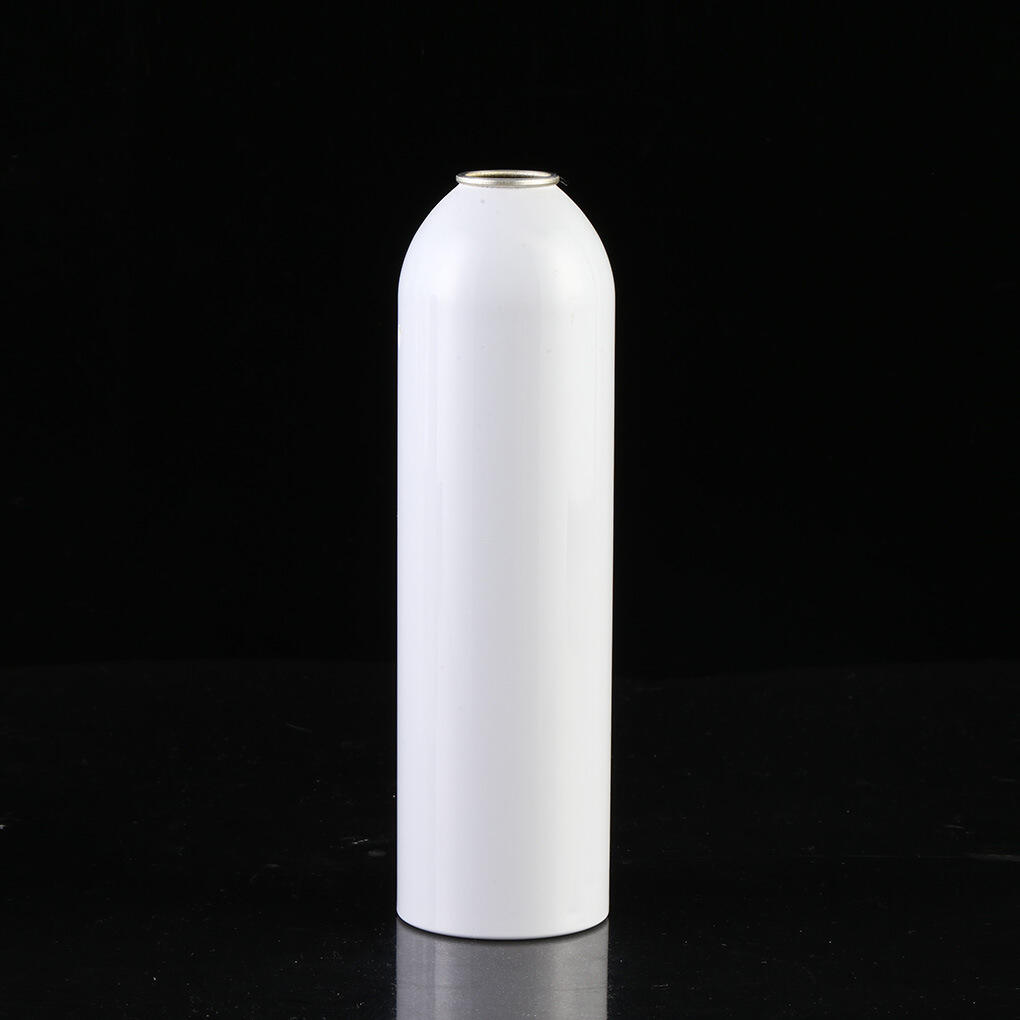
Selecting the right aerosol can manufacturer is a critical decision that can significantly impact your product's success, cost efficiency, and market reputation. Whether you're launching a new cosmetic line, industrial lubricant, or household cleaning product, partnering with a qualified aerosol can manufacturer ensures your products meet quality standards while maintaining competitive pricing. The manufacturing landscape offers numerous options, but finding a reliable partner requires careful evaluation of multiple factors including production capabilities, quality certifications, and technical expertise.
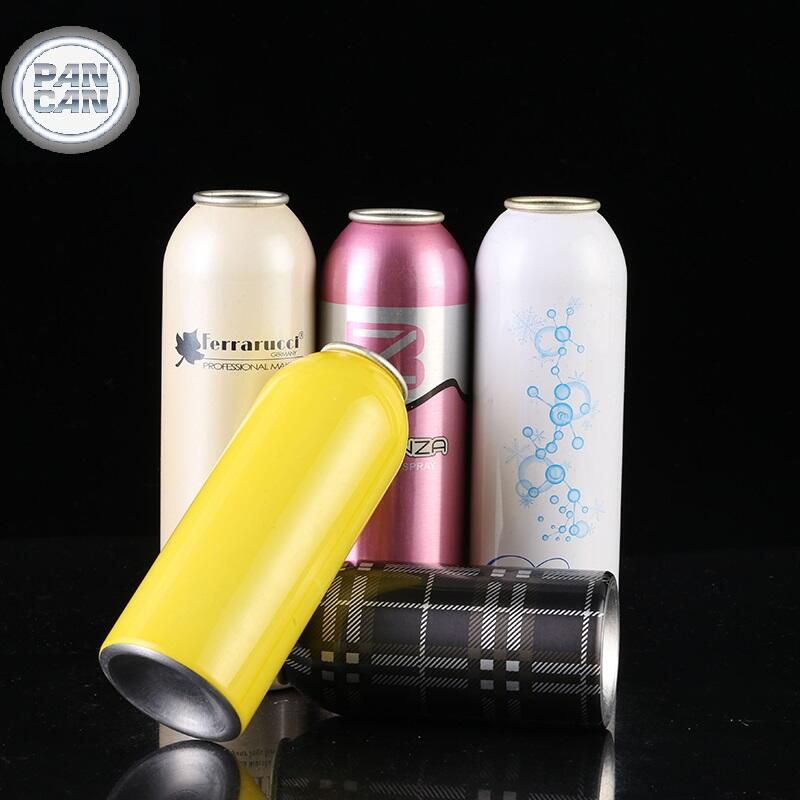
The aerosol packaging industry has evolved dramatically over the past decade, with manufacturers adopting advanced technologies and sustainable practices. Modern aerosol can production involves sophisticated aluminum forming processes, precision coating applications, and rigorous quality control systems. Understanding these manufacturing processes helps buyers make informed decisions when evaluating potential suppliers. A competent aerosol can manufacturer should demonstrate expertise in material selection, pressure testing protocols, and environmental compliance standards.
Essential Manufacturing Capabilities to Evaluate
Production Capacity and Scalability
When assessing an aerosol can manufacturer, production capacity represents a fundamental consideration that directly affects your ability to meet market demand. Established manufacturers typically operate multiple production lines capable of producing thousands of units per hour, ensuring consistent supply chains for both small-batch specialty products and high-volume consumer goods. The ability to scale production up or down based on seasonal demands or market fluctuations demonstrates operational flexibility that benefits long-term partnerships.
Modern aerosol can manufacturing facilities utilize automated systems that minimize human error while maximizing efficiency. These systems include computer-controlled forming machines, automated quality inspection stations, and integrated packaging solutions. A reliable aerosol can manufacturer invests continuously in equipment upgrades and process improvements to maintain competitive advantages. Production scheduling flexibility allows manufacturers to accommodate rush orders and custom production requirements without compromising quality standards.
Technical Specifications and Customization Options
The technical capabilities of an aerosol can manufacturer determine the range of products they can produce and the level of customization available. Aluminum aerosol cans come in various sizes, from compact 50ml containers to large 750ml industrial applications, each requiring specific forming techniques and quality controls. Manufacturers should demonstrate expertise in wall thickness optimization, internal coating selection, and valve compatibility testing to ensure product integrity throughout the supply chain.
Advanced customization options include specialized surface treatments, unique color applications, and custom embossing or printing capabilities. A professional aerosol can manufacturer offers comprehensive design support, helping clients optimize packaging aesthetics while maintaining functional performance. This includes recommendations for barrier coatings, compatibility testing with specific formulations, and shelf-life optimization strategies.
Quality Control and Certification Standards
International Quality Management Systems
Quality assurance represents the cornerstone of successful aerosol can manufacturing, requiring adherence to stringent international standards and continuous monitoring protocols. ISO 9001 certification demonstrates a manufacturer's commitment to systematic quality management, while industry-specific certifications like OHSAS 18001 for occupational health and safety show comprehensive operational excellence. These certifications require regular audits and continuous improvement processes that benefit customers through consistent product quality.
Pressure testing protocols form a critical component of aerosol can quality control, ensuring containers can safely contain pressurized contents under various environmental conditions. Reputable manufacturers conduct burst pressure tests, leak detection procedures, and corrosion resistance evaluations on every production batch. Documentation and traceability systems allow manufacturers to track individual containers throughout the production process, enabling rapid response to any quality issues that may arise.
Environmental and Safety Compliance
Environmental responsibility has become increasingly important in aerosol can manufacturing, with leading companies implementing comprehensive sustainability programs. This includes recycling initiatives for aluminum waste, energy-efficient production processes, and reduced volatile organic compound emissions. An environmentally conscious aerosol can manufacturer often provides detailed sustainability reports and carbon footprint analyses to help customers meet their own environmental goals.
Safety compliance encompasses both worker safety and end-user protection, requiring manufacturers to follow strict protocols for handling pressurized containers and hazardous materials. Proper safety training programs, emergency response procedures, and personal protective equipment standards ensure safe working conditions while minimizing liability risks. Regular safety audits and incident reporting systems demonstrate a manufacturer's commitment to maintaining high safety standards throughout their operations.
Cost Optimization and Supply Chain Management
Pricing Structure and Value Analysis
Understanding the pricing structure of an aerosol can manufacturer requires analysis beyond simple per-unit costs, considering factors such as tooling expenses, minimum order quantities, and volume discount tiers. Transparent pricing models help customers budget effectively while avoiding unexpected charges for customization, special coatings, or rush delivery requirements. Long-term contracts often provide price stability and preferential treatment during periods of high demand or raw material shortages.
Value analysis should include consideration of total cost of ownership, factoring in quality consistency, delivery reliability, and technical support services. A slightly higher per-unit cost from a premium aerosol can manufacturer may prove more economical when considering reduced reject rates, fewer production delays, and comprehensive customer support. Many manufacturers offer cost optimization consulting services, helping customers identify opportunities for design improvements or process efficiencies that reduce overall packaging costs.
Logistics and Distribution Networks
Efficient logistics capabilities can significantly impact the total cost and reliability of aerosol can supply chains. Manufacturers with strategically located facilities or established distribution networks can reduce shipping costs and delivery times while providing greater flexibility for inventory management. Some aerosol can manufacturers offer just-in-time delivery services, allowing customers to minimize warehouse storage requirements while ensuring continuous production capabilities.
International shipping expertise becomes crucial for companies operating in multiple markets, requiring manufacturers to understand customs regulations, documentation requirements, and international quality standards. Experienced manufacturers maintain relationships with reliable freight forwarders and can provide comprehensive shipping solutions including packaging, documentation, and tracking services. This integrated approach simplifies supply chain management while reducing the risk of delivery delays or customs complications.
Technology and Innovation Capabilities
Research and Development Investment
Leading aerosol can manufacturers invest significantly in research and development to stay ahead of market trends and regulatory changes. This includes development of new aluminum alloys, advanced coating technologies, and innovative forming processes that improve product performance while reducing manufacturing costs. Manufacturers with strong R&D capabilities can provide valuable insights into emerging market opportunities and help customers develop competitive advantages through packaging innovation.
Collaboration opportunities with manufacturer R&D teams can accelerate product development timelines and reduce development costs for customers. These partnerships often result in proprietary technologies or exclusive design features that differentiate products in competitive markets. Regular innovation reviews and technology roadmap discussions help ensure that packaging solutions remain current with evolving market demands and regulatory requirements.
Digital Integration and Industry 4.0
Modern aerosol can manufacturing increasingly relies on digital technologies to optimize production efficiency and quality control. Internet of Things sensors, predictive maintenance systems, and real-time quality monitoring provide unprecedented visibility into manufacturing processes. These technologies enable manufacturers to identify potential issues before they affect product quality while optimizing energy consumption and reducing waste generation.
Digital integration extends to customer interfaces through online ordering systems, real-time production tracking, and automated quality reporting. Advanced manufacturers provide customers with access to production dashboards, quality certificates, and delivery tracking information through secure web portals. This transparency improves communication and enables better coordination between manufacturer and customer operations teams.
Partnership Evaluation and Selection Process
Due Diligence and Assessment Criteria
Conducting thorough due diligence on potential aerosol can manufacturers requires systematic evaluation of financial stability, operational capabilities, and market reputation. Financial analysis should include review of credit ratings, insurance coverage, and long-term viability indicators to ensure the manufacturer can support long-term partnerships. Operational assessments involve facility tours, equipment inspections, and interviews with key technical personnel to evaluate manufacturing capabilities firsthand.
Reference checks with existing customers provide valuable insights into manufacturer performance, including delivery reliability, quality consistency, and customer service responsiveness. Industry associations and trade publications often provide additional information about manufacturer reputations and market positions. Professional networking and trade show participation can facilitate direct communication with other companies that have experience working with potential manufacturers.
Trial Programs and Performance Monitoring
Implementing trial programs with selected aerosol can manufacturers allows for practical evaluation of production quality, delivery performance, and customer service capabilities before committing to large-scale partnerships. Trial programs should include representative product samples, typical order volumes, and standard delivery timelines to provide realistic performance assessments. Clear success metrics and evaluation criteria help ensure objective manufacturer comparisons.
Ongoing performance monitoring systems track key performance indicators including quality metrics, delivery performance, and customer service responsiveness throughout the partnership lifecycle. Regular business reviews provide opportunities to address performance issues, discuss improvement opportunities, and align on future requirements. These structured communication processes help maintain productive partnerships while ensuring continuous performance optimization.
FAQ
What minimum order quantities should I expect from aerosol can manufacturers?
Minimum order quantities vary significantly depending on the manufacturer size and production capabilities, typically ranging from 10,000 to 100,000 units for standard aluminum aerosol cans. Custom designs, specialized coatings, or unique sizes often require higher minimum orders to justify tooling costs and production setup expenses. Many manufacturers offer flexibility for new customers or specialty applications, sometimes accepting smaller initial orders to establish relationships.
How long does it typically take to receive aerosol cans after placing an order?
Standard aerosol can delivery times range from 2-6 weeks depending on order complexity, manufacturer capacity, and shipping distance. Custom designs or specialized requirements may extend lead times to 8-12 weeks to accommodate tooling production and testing phases. Established customers with forecasted demand often benefit from shorter lead times through scheduled production slots and inventory management programs.
What certifications should I look for in an aerosol can manufacturer?
Essential certifications include ISO 9001 for quality management, ISO 14001 for environmental management, and industry-specific certifications like DOT approval for pressure vessel manufacturing. Food-grade applications require additional certifications such as FDA compliance or European food contact regulations. Safety certifications like OHSAS 18001 demonstrate commitment to worker safety and operational excellence throughout the manufacturing process.
Can aerosol can manufacturers help with product development and design optimization?
Many experienced aerosol can manufacturers offer comprehensive design support services including compatibility testing, shelf-life optimization, and aesthetic design consultation. These services often include computer-aided design capabilities, prototype development, and regulatory compliance guidance. Technical support teams can provide valuable insights into material selection, valve compatibility, and cost optimization strategies that benefit overall product development timelines and market success.
Table of Contents
- Essential Manufacturing Capabilities to Evaluate
- Quality Control and Certification Standards
- Cost Optimization and Supply Chain Management
- Technology and Innovation Capabilities
- Partnership Evaluation and Selection Process
-
FAQ
- What minimum order quantities should I expect from aerosol can manufacturers?
- How long does it typically take to receive aerosol cans after placing an order?
- What certifications should I look for in an aerosol can manufacturer?
- Can aerosol can manufacturers help with product development and design optimization?

