
 EN
EN


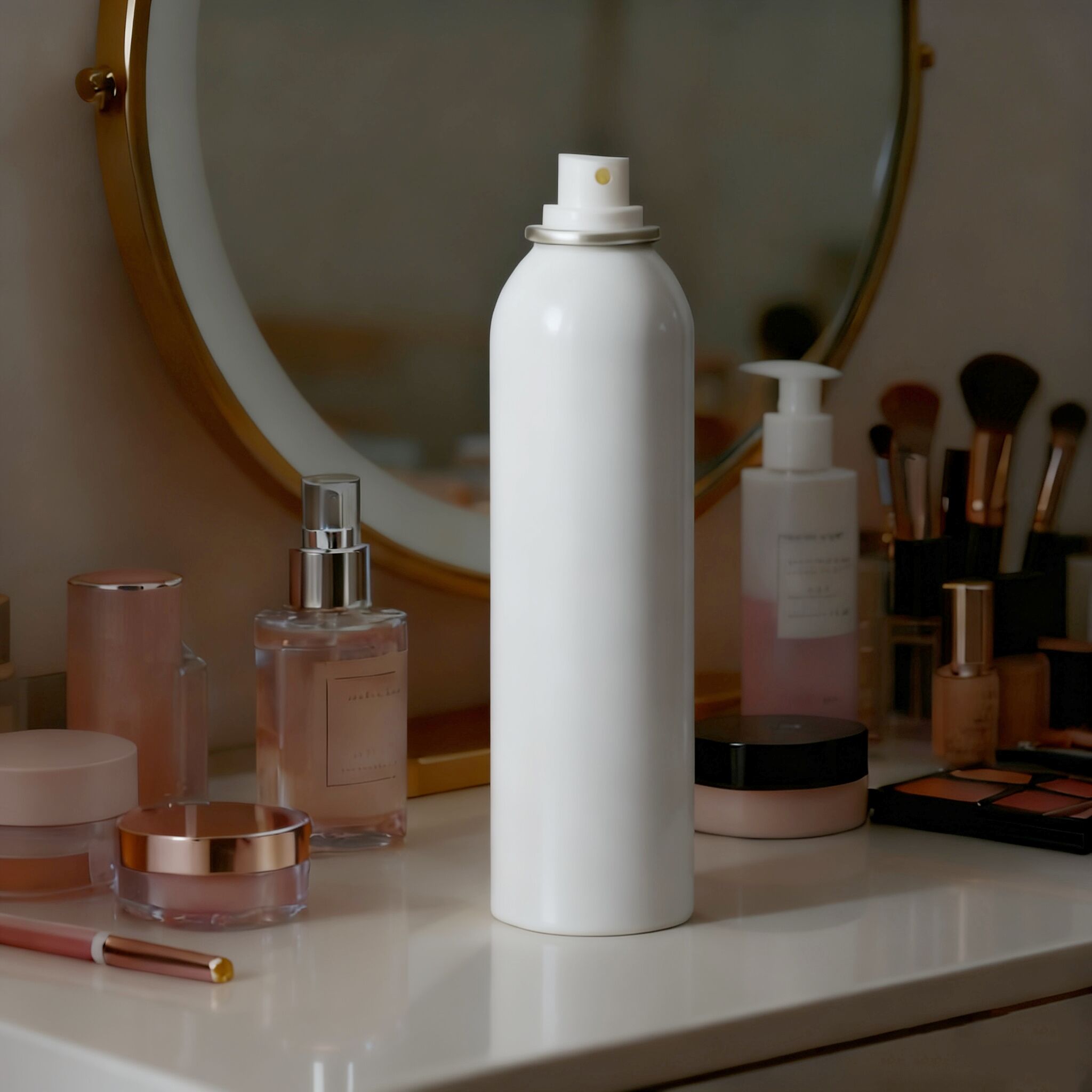
The cosmetic industry has witnessed a significant shift toward premium packaging solutions that not only enhance product presentation but also preserve product integrity. Among the various packaging options available, the cosmetic aluminum bottle has emerged as a superior choice for brands seeking to maintain product quality while delivering an exceptional user experience. These innovative containers offer unique properties that directly influence the shelf life, potency, and overall effectiveness of cosmetic formulations, making them an increasingly popular choice among manufacturers and consumers alike.
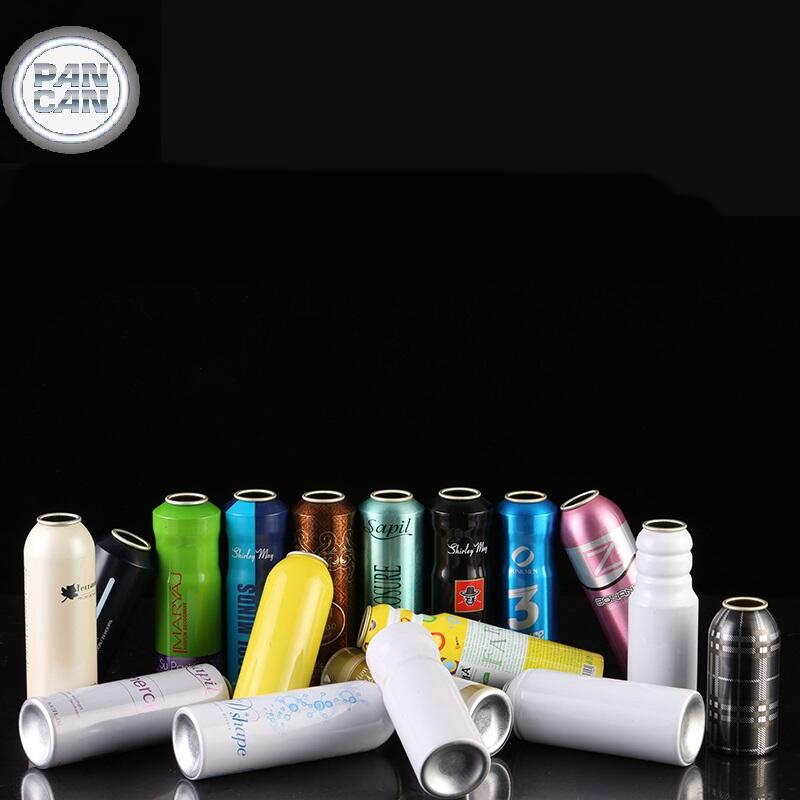
Material Properties and Product Protection
Barrier Performance Against Environmental Factors
The exceptional barrier properties of a cosmetic aluminum bottle provide unparalleled protection against external environmental factors that can compromise product quality. Aluminum creates an impermeable barrier that prevents oxygen infiltration, which is crucial for maintaining the stability of active ingredients in skincare and cosmetic formulations. This superior barrier performance significantly reduces oxidation reactions that can lead to product degradation, color changes, and the formation of harmful compounds that affect both safety and efficacy.
Light protection represents another critical advantage of aluminum packaging. UV radiation can break down sensitive ingredients such as retinoids, vitamin C derivatives, and botanical extracts commonly found in premium cosmetic products. The opaque nature of aluminum completely blocks both UV and visible light, ensuring that photosensitive ingredients remain stable throughout the product's shelf life. This protection is particularly important for products containing natural ingredients or those formulated without synthetic stabilizers.
Moisture Control and Hygroscopic Prevention
Moisture control capabilities of cosmetic aluminum bottle packaging play a vital role in maintaining product consistency and preventing microbial growth. Aluminum's non-porous surface creates an effective moisture barrier that prevents both moisture ingress and egress, maintaining the intended water activity levels within the formulation. This controlled environment helps preserve the texture, viscosity, and performance characteristics of emulsions, serums, and other water-sensitive formulations.
The prevention of moisture-related issues extends beyond simple water content management. Aluminum packaging helps maintain the stability of hygroscopic ingredients that can absorb moisture from the environment, leading to formulation changes, crystallization, or phase separation. This level of protection ensures that products maintain their intended rheological properties and deliver consistent performance from first use to the last drop.
Chemical Compatibility and Ingredient Stability
Interaction Prevention with Active Ingredients
The chemical inertness of properly coated cosmetic aluminum bottle packaging ensures minimal interaction with cosmetic formulations, preserving ingredient integrity and product performance. Unlike some plastic materials that may contain additives or exhibit permeability issues, aluminum with appropriate interior coatings provides a neutral environment that doesn't interfere with complex cosmetic formulations. This non-reactive nature is particularly important for products containing acids, enzymes, or other chemically active ingredients that might interact with packaging materials.
Advanced coating technologies used in modern aluminum packaging create additional protective layers that prevent any potential metal migration while maintaining the barrier properties that make aluminum so effective. These specialized coatings are designed to be compatible with various cosmetic formulations, including those with extreme pH values or containing aggressive solvents that might compromise other packaging materials.
pH Stability and Formulation Integrity
Maintaining optimal pH levels is crucial for cosmetic product stability and efficacy, and the cosmetic aluminum bottle excels in this area by providing a stable environment that doesn't influence formulation pH over time. Many active ingredients in cosmetics are pH-sensitive, requiring consistent conditions to remain effective and safe for consumer use. Aluminum packaging with proper interior treatments maintains formulation pH stability throughout the product lifecycle.
The ability to preserve formulation integrity extends to preventing unwanted chemical reactions that can occur when products are exposed to catalytic surfaces or reactive packaging materials. Aluminum's protective properties help maintain the delicate balance of complex formulations, ensuring that multi-component systems remain stable and that ingredient interactions occur only as intended by formulators.
Temperature Stability and Thermal Protection
Heat Dissipation and Temperature Regulation
The thermal properties of cosmetic aluminum bottle packaging contribute significantly to product quality maintenance through effective heat management. Aluminum's high thermal conductivity allows for rapid temperature equilibration, preventing the formation of hot spots that could destabilize temperature-sensitive ingredients. This property is particularly beneficial during storage and transportation, where temperature fluctuations are common and can compromise product quality.
Unlike plastic containers that may retain heat and create localized temperature variations, aluminum packaging helps maintain more uniform temperature distribution throughout the product. This thermal stability is crucial for maintaining the physical properties of emulsions, preventing phase separation, and preserving the activity of heat-sensitive ingredients such as enzymes, probiotics, and certain vitamins.
Freeze-Thaw Cycle Resistance
The structural integrity of a cosmetic aluminum bottle under extreme temperature conditions provides superior protection during freeze-thaw cycles that can damage both packaging and product. Aluminum's flexibility and strength allow it to accommodate the expansion and contraction that occurs during temperature changes without compromising the container's barrier properties or structural integrity.
This resistance to thermal cycling is particularly important for products that may be subjected to extreme temperature variations during shipping or storage. The ability to maintain package integrity under these conditions ensures that the protective barrier remains intact, preventing contamination and maintaining product quality even under challenging environmental conditions.
Microbiological Protection and Contamination Prevention
Sterile Environment Maintenance
The non-porous surface of cosmetic aluminum bottle packaging creates an environment that is inherently resistant to microbial growth and contamination. Unlike some organic packaging materials that can provide nutrients for microorganisms or have microscopic pores that harbor bacteria, aluminum's smooth, inert surface doesn't support microbial proliferation. This property is essential for maintaining product safety and extending shelf life without relying solely on preservative systems.
The seamless construction possible with aluminum packaging eliminates potential contamination entry points that might exist in multi-component packaging systems. This design integrity, combined with effective sealing mechanisms, creates a sterile environment that protects sensitive formulations from external contaminants throughout the product's lifecycle.
Preservative System Optimization
The protective environment created by cosmetic aluminum bottle packaging allows formulators to optimize preservative systems for enhanced product quality. With reduced exposure to contamination sources and environmental stressors, products may require lower preservative concentrations while maintaining adequate protection. This optimization can lead to gentler formulations with improved skin compatibility and reduced potential for sensitization.
The stability provided by aluminum packaging also helps maintain preservative efficacy over time, preventing the degradation of antimicrobial agents that can occur when packaging materials interact with preservative molecules or when environmental factors compromise preservative stability. This maintained efficacy ensures consistent protection throughout the product's intended shelf life.
Sustainability Impact on Product Quality
Recycling and Material Purity
The recyclability of cosmetic aluminum bottle packaging contributes to product quality through the use of high-purity recycled aluminum that maintains the same protective properties as virgin material. Unlike some recycled plastics that may contain contaminants or have degraded barrier properties, recycled aluminum retains its structural integrity and protective characteristics, ensuring consistent product protection regardless of the material's recycling history.
The infinite recyclability of aluminum means that packaging can be repeatedly recycled without loss of quality, maintaining the high standards required for cosmetic product protection. This sustainability advantage aligns with consumer preferences for environmentally responsible packaging while delivering the product protection benefits that aluminum is known for.
Long-term Product Viability
Sustainable packaging choices like cosmetic aluminum bottles support long-term product viability by providing consistent protection that doesn't degrade over multiple recycling cycles. This consistency ensures that brands can maintain product quality standards while meeting sustainability goals, creating a positive cycle where environmental responsibility and product excellence reinforce each other.
The durability and reusability potential of aluminum packaging also opens opportunities for refillable product systems, further enhancing sustainability while maintaining the protective benefits that preserve product quality. These systems can reduce packaging waste while ensuring that each refill receives the same level of protection as the original product.
Quality Control and Manufacturing Considerations
Production Process Impact
The manufacturing processes used to create cosmetic aluminum bottle packaging directly influence their ability to protect product quality. Advanced forming techniques ensure uniform wall thickness and consistent barrier properties throughout the container, eliminating weak points that could compromise protection. Quality control measures during production include testing for pinhole defects, coating integrity, and dimensional accuracy to ensure each container meets strict standards.
The precision possible in aluminum container manufacturing allows for tight tolerances that ensure proper fitment of closures and dispensing systems, preventing contamination pathways that could compromise product quality. This manufacturing precision also enables the integration of specialized features such as airless dispensing systems that further protect sensitive formulations from environmental exposure.
Coating Technology and Interior Protection
Advanced coating technologies applied to the interior surfaces of cosmetic aluminum bottle packaging provide additional protection layers that enhance product compatibility and quality maintenance. These specialized coatings are formulated to resist interaction with specific types of cosmetic ingredients while maintaining their protective properties over extended periods.
The selection and application of appropriate coating systems require careful consideration of the intended product formulation, with different coatings optimized for various pH ranges, solvent systems, and ingredient types. This customization capability allows aluminum packaging to be tailored to specific product requirements, maximizing quality protection for diverse cosmetic formulations.
FAQ
How does aluminum packaging compare to plastic for preserving cosmetic product quality
Aluminum packaging provides superior barrier properties compared to most plastic options, offering better protection against oxygen, light, and moisture infiltration. While plastic containers may allow some permeation of gases and vapors over time, aluminum creates an impermeable barrier that maintains product stability throughout the shelf life. Additionally, aluminum doesn't contain additives that might migrate into products, and its inert nature prevents chemical interactions that could compromise formulation integrity.
What types of cosmetic products benefit most from aluminum bottle packaging
Products containing light-sensitive ingredients such as vitamin C, retinoids, or botanical extracts benefit significantly from aluminum packaging due to complete light blocking. Oil-based formulations, serums with active ingredients, and products with minimal preservative systems also perform better in aluminum containers because of the superior barrier properties and contamination resistance. Anti-aging products and premium formulations particularly benefit from the enhanced stability and protection that aluminum packaging provides.
Can aluminum packaging affect the shelf life of cosmetic products
Yes, aluminum packaging typically extends the shelf life of cosmetic products by providing superior protection against degradation factors such as oxygen, light, and moisture. The enhanced barrier properties help maintain ingredient stability and prevent oxidation reactions that can reduce product efficacy and safety. Many products packaged in aluminum containers demonstrate improved stability testing results compared to those in alternative packaging materials, often allowing for longer shelf life claims.
Are there any cosmetic ingredients that are incompatible with aluminum packaging
When properly coated with appropriate interior linings, aluminum packaging is compatible with virtually all cosmetic ingredients. However, uncoated aluminum should not be used with highly acidic formulations or products containing certain chelating agents that might interact with the metal surface. Modern aluminum cosmetic containers use specialized coatings that prevent these interactions, making them suitable for even the most challenging formulations including those with extreme pH values or aggressive solvent systems.
Table of Contents
- Material Properties and Product Protection
- Chemical Compatibility and Ingredient Stability
- Temperature Stability and Thermal Protection
- Microbiological Protection and Contamination Prevention
- Sustainability Impact on Product Quality
- Quality Control and Manufacturing Considerations
-
FAQ
- How does aluminum packaging compare to plastic for preserving cosmetic product quality
- What types of cosmetic products benefit most from aluminum bottle packaging
- Can aluminum packaging affect the shelf life of cosmetic products
- Are there any cosmetic ingredients that are incompatible with aluminum packaging

