
 EN
EN


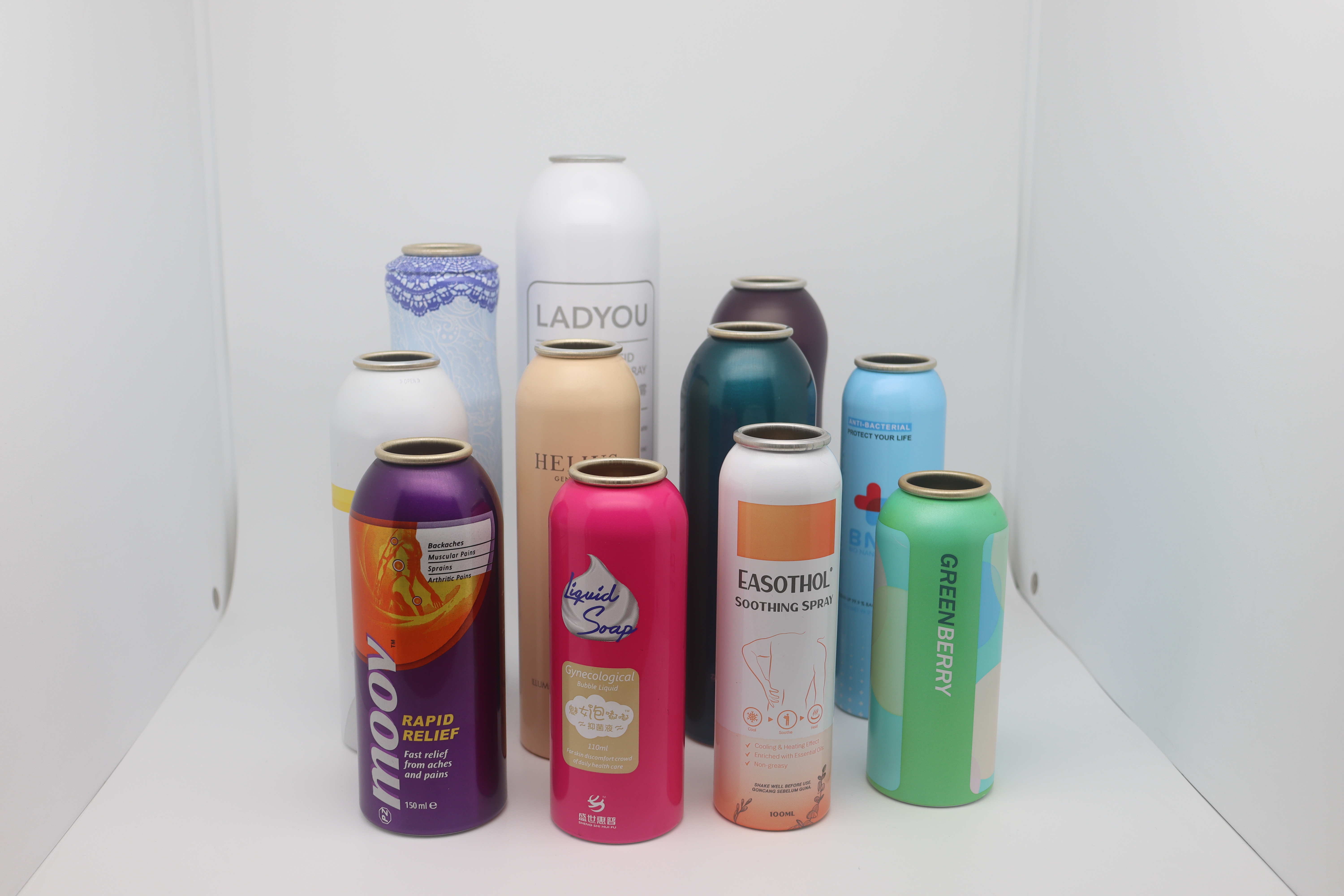
The modern packaging landscape demands materials that combine durability, aesthetic appeal, and environmental responsibility. When it comes to pressurized products, the aluminum aerosol bottle has emerged as the premier choice for brands seeking premium packaging solutions. These sophisticated containers offer unmatched versatility for cosmetics, pharmaceuticals, automotive products, and industrial applications, providing both functional excellence and brand differentiation opportunities.
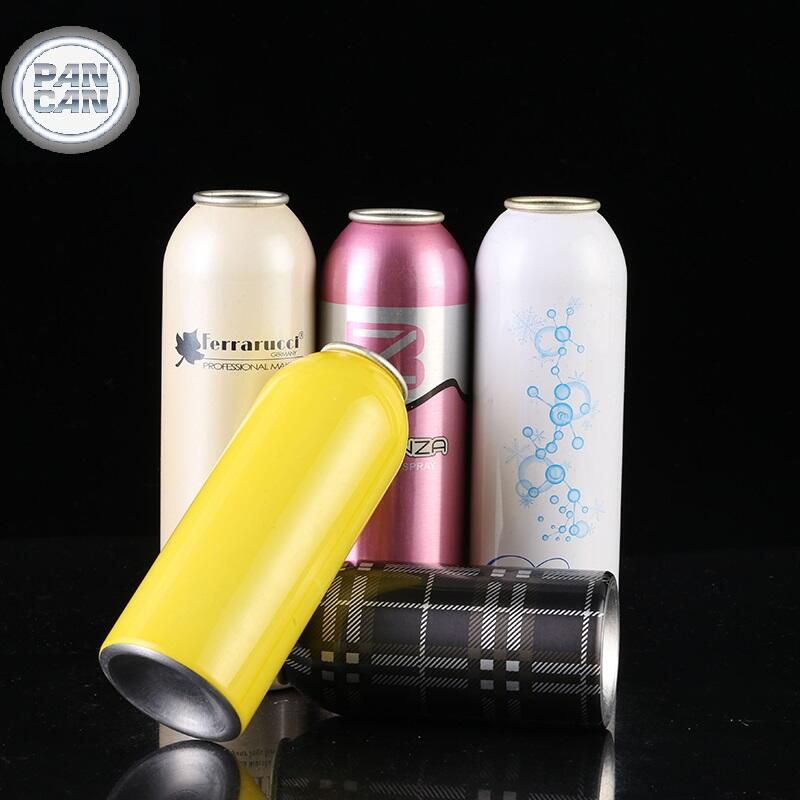
Understanding the intricate design elements of aluminum aerosol bottle manufacturing enables brands to create packaging that resonates with their target audience while maintaining superior product protection. From wall thickness specifications to valve compatibility, every aspect of the design process influences both performance and market appeal. The strategic selection of aluminum alloys, surface treatments, and printing techniques transforms basic containers into powerful marketing tools that communicate brand values and product quality.
Contemporary market trends favor sustainable packaging solutions that reduce environmental impact without compromising functionality. The aluminum aerosol bottle addresses these concerns through its infinite recyclability, lightweight construction, and superior barrier properties. Manufacturers increasingly recognize that investing in high-quality aluminum packaging not only protects their products but also enhances their brand reputation in an environmentally conscious marketplace.
Material Properties and Alloy Selection
Aluminum Alloy Specifications for Aerosol Applications
The foundation of any exceptional aluminum aerosol bottle begins with selecting the appropriate aluminum alloy. The 3004 and 3104 alloys dominate the aerosol packaging industry due to their optimal balance of formability, strength, and corrosion resistance. These aluminum-manganese alloys provide the necessary ductility for deep drawing operations while maintaining structural integrity under pressure. The magnesium content in these alloys enhances work hardening characteristics, allowing manufacturers to achieve precise wall thickness tolerances during the forming process.
Material thickness considerations directly impact both the performance and cost-effectiveness of the aluminum aerosol bottle. Standard wall thicknesses range from 0.18mm to 0.25mm, with thicker walls providing enhanced burst strength for high-pressure applications. The relationship between alloy composition and wall thickness determines the container's ability to withstand internal pressures while maintaining dimensional stability throughout the product lifecycle. Advanced metallurgical testing ensures that each aluminum aerosol bottle meets stringent quality standards for pressure resistance and impact tolerance.
Temper designations play a crucial role in determining the mechanical properties of aluminum aerosol bottle materials. The H19 temper provides maximum strength for applications requiring superior pressure resistance, while H16 and H18 tempers offer balanced formability and strength characteristics. Understanding these material specifications enables packaging engineers to optimize design parameters for specific product requirements, ensuring reliable performance across diverse operating conditions.
Barrier Properties and Chemical Compatibility
The inherent barrier properties of aluminum make it an ideal material for aerosol packaging applications requiring long-term product stability. Unlike plastic alternatives, the aluminum aerosol bottle provides complete moisture and gas barrier protection, preventing product degradation and maintaining formulation integrity. This superior barrier performance extends shelf life and ensures consistent product quality from manufacturing through end-user application.
Chemical compatibility assessments are essential when designing aluminum aerosol bottle packaging for specific product formulations. While aluminum exhibits excellent resistance to most cosmetic and pharmaceutical ingredients, certain aggressive chemicals may require specialized internal coatings or linings. Compatibility testing protocols evaluate potential interactions between aluminum surfaces and product formulations, identifying any requirements for protective barrier coatings or alternative material specifications.
Internal coating systems enhance the versatility of aluminum aerosol bottle applications by providing additional chemical resistance and product compatibility. Epoxy-based coatings offer broad chemical resistance for general-purpose applications, while specialized fluoropolymer coatings provide enhanced protection for aggressive formulations. The selection of appropriate coating systems ensures long-term product stability while maintaining the structural integrity of the aluminum substrate.
Manufacturing Process Optimization
Deep Drawing and Forming Technologies
The manufacturing excellence of an aluminum aerosol bottle depends on precise control of the deep drawing process. This multi-stage operation transforms flat aluminum discs into seamless cylindrical containers through controlled plastic deformation. Each drawing stage reduces the diameter while increasing the wall height, requiring careful management of material flow and work hardening to prevent defects such as wrinkling, tearing, or dimensional variations.
Advanced forming technologies incorporate sophisticated die designs and lubrication systems to optimize material flow during the deep drawing process. Progressive die systems enable high-speed production while maintaining precise dimensional tolerances essential for valve compatibility and aesthetic consistency. The integration of real-time monitoring systems allows manufacturers to detect and correct process variations before they impact product quality, ensuring each aluminum aerosol bottle meets exacting specifications.
Quality control measures throughout the forming process verify critical dimensions and surface finish characteristics. Automated inspection systems monitor wall thickness variations, concentricity, and surface defects to ensure consistent product quality. Statistical process control methodologies identify trends in manufacturing parameters, enabling proactive adjustments that maintain optimal production efficiency and product reliability.
Surface Treatment and Preparation
Surface preparation processes are fundamental to achieving superior adhesion for decorative coatings and printing applications on aluminum aerosol bottle surfaces. Chemical etching and mechanical preparation techniques create optimal surface profiles that promote coating adhesion while removing any manufacturing residues or contamination. These preparation steps are critical for ensuring long-term durability of applied finishes under diverse environmental conditions.
Anodizing treatments provide enhanced corrosion resistance and create uniform surface textures that improve coating adhesion on aluminum aerosol bottle substrates. The controlled oxidation process forms a dense aluminum oxide layer that serves as both a protective barrier and an ideal foundation for subsequent coating applications. Anodized surfaces exhibit superior durability and maintain their appearance throughout extended product lifecycles.
Conversion coating systems offer alternative surface treatment options that provide corrosion protection while maintaining cost-effectiveness for high-volume aluminum aerosol bottle production. Chromate and chromate-free conversion coatings create chemically bonded protective layers that enhance paint adhesion and provide sacrificial corrosion protection. These treatment systems are particularly valuable for applications requiring rapid processing and consistent surface quality.
Design Considerations for Brand Identity
Shape and Profile Optimization
The geometric design of an aluminum aerosol bottle significantly influences both its functional performance and market appeal. Contemporary packaging trends favor sleek, ergonomic profiles that enhance user experience while maximizing shelf presence. The relationship between container diameter, height, and shoulder geometry affects not only the visual impact but also the structural integrity and filling efficiency of the finished package.
Ergonomic considerations play an increasingly important role in aluminum aerosol bottle design as brands recognize the importance of user experience in product differentiation. Grip-friendly diameters, comfortable actuator positioning, and balanced weight distribution contribute to positive user interactions that reinforce brand loyalty. Advanced computer-aided design tools enable packaging engineers to optimize these human factors while maintaining manufacturing feasibility and cost-effectiveness.
Structural optimization techniques ensure that aesthetic design elements do not compromise the pressure-bearing capabilities of the aluminum aerosol bottle. Finite element analysis validates design configurations under various loading conditions, identifying potential stress concentrations and optimizing material distribution. This engineering approach enables the creation of distinctive packaging shapes that maintain the safety and reliability standards essential for pressurized products.
Surface Graphics and Decoration Technologies
Advanced printing technologies transform the aluminum aerosol bottle surface into a powerful branding canvas that communicates product identity and quality positioning. Digital printing capabilities enable cost-effective short runs and customization opportunities that support targeted marketing campaigns and limited edition releases. The excellent printability of treated aluminum surfaces ensures vibrant color reproduction and sharp graphic details that maintain their appearance throughout the product lifecycle.
Screen printing remains the preferred decoration method for high-volume aluminum aerosol bottle production due to its superior durability and color saturation capabilities. Multi-color printing processes create sophisticated graphic designs that incorporate gradients, fine details, and metallic effects. The chemical resistance of properly cured screen-printed graphics ensures that decorated surfaces maintain their appearance despite exposure to handling and environmental conditions.
Specialty finishing techniques such as embossing, debossing, and laser engraving add tactile elements that enhance the premium perception of aluminum aerosol bottle packaging. These dimensional effects create distinctive surface textures that differentiate products at the point of sale while reinforcing brand positioning. The integration of multiple decoration technologies enables the creation of sophisticated packaging designs that combine visual impact with tactile appeal.
Valve Systems and Actuator Integration
Valve Technology Selection and Compatibility
The performance of any aluminum aerosol bottle system depends critically on the proper selection and integration of valve technology. Contemporary valve designs must accommodate diverse product formulations while providing consistent spray characteristics and reliable sealing performance. The interface between the aluminum container and valve assembly requires precise dimensional tolerances to ensure proper crimping and long-term seal integrity.
Continuous spray valves offer superior user experience for applications requiring extended discharge periods, such as automotive treatments and industrial cleaners. These advanced valve designs incorporate specialized metering chambers and flow control mechanisms that maintain consistent output pressure throughout the product lifecycle. The aluminum aerosol bottle must be designed with appropriate headspace and pressure specifications to support optimal valve performance.
Metering valve systems provide precise dose control for pharmaceutical and cosmetic applications where consistent product delivery is essential. These precision-engineered components require careful integration with aluminum aerosol bottle design parameters to ensure accurate dosing and reliable operation. Compatibility testing validates the interaction between valve materials and product formulations to prevent degradation or performance issues.
Actuator Design and User Interface
Actuator design significantly influences the user experience and brand perception associated with aluminum aerosol bottle products. Contemporary actuator technologies incorporate ergonomic principles and aesthetic considerations that complement the overall package design while optimizing spray performance. The selection of actuator materials and configurations must consider chemical compatibility, durability requirements, and manufacturing cost considerations.
Spray pattern optimization requires careful coordination between valve design, actuator geometry, and product formulation characteristics. Advanced computational fluid dynamics modeling enables engineers to predict and optimize spray characteristics for specific applications. The aluminum aerosol bottle pressure specifications must support the selected valve and actuator combination to achieve desired spray patterns and coverage characteristics.
Child-resistant actuator designs address safety requirements for household and pharmaceutical products while maintaining accessibility for intended users. These specialized actuator systems incorporate mechanical safety features that prevent accidental discharge while preserving spray performance and user convenience. Integration with aluminum aerosol bottle designs requires careful consideration of dimensional tolerances and assembly procedures.
Quality Assurance and Testing Protocols
Pressure Testing and Safety Validation
Comprehensive testing protocols ensure that every aluminum aerosol bottle meets rigorous safety standards for pressurized packaging applications. Burst pressure testing validates the structural integrity of containers under extreme conditions, typically requiring performance levels significantly exceeding normal operating pressures. These destructive tests provide critical data for design validation and quality assurance programs.
Leak testing procedures verify the integrity of aluminum aerosol bottle sealing systems under both ambient and elevated temperature conditions. Advanced detection methods including helium leak testing and pressure decay analysis identify potential seal failures before products reach the market. Statistical sampling protocols ensure representative testing across production runs while maintaining cost-effective quality assurance operations.
Fatigue testing evaluates the long-term durability of aluminum aerosol bottle designs under repeated pressure cycling and handling stress. These accelerated aging protocols simulate extended storage and use conditions to validate design margins and material specifications. The results inform design optimization and material selection decisions that enhance product reliability and customer satisfaction.
Chemical Compatibility and Stability Assessment
Chemical compatibility testing protocols evaluate potential interactions between aluminum aerosol bottle materials and specific product formulations over extended storage periods. These comprehensive studies assess changes in product appearance, performance characteristics, and container integrity under accelerated aging conditions. The results guide formulation development and container specification decisions that ensure long-term product stability.
Coating adhesion testing validates the durability of applied finishes on aluminum aerosol bottle surfaces under various environmental conditions. Standardized test methods including cross-hatch adhesion, impact resistance, and chemical exposure evaluate coating performance throughout the product lifecycle. These assessments ensure that decorative finishes maintain their appearance and protective properties despite handling and environmental stress.
Migration testing protocols assess the potential transfer of substances between aluminum aerosol bottle materials and product formulations. These studies are particularly important for cosmetic and pharmaceutical applications where product purity is essential. Analytical testing methods detect trace levels of potential migrants to ensure compliance with regulatory requirements and product safety standards.
Environmental Considerations and Sustainability
Recyclability and Circular Economy Integration
The aluminum aerosol bottle represents one of the most environmentally responsible packaging choices available in the pressurized packaging market. Aluminum's infinite recyclability without degradation of material properties enables true circular economy integration where packaging materials maintain their value through multiple use cycles. The energy savings associated with aluminum recycling reduce the environmental impact of packaging production by up to 95% compared to primary aluminum production.
Recycling infrastructure compatibility ensures that aluminum aerosol bottle packaging integrates seamlessly with existing waste management systems. The magnetic separation processes used in recycling facilities effectively separate aluminum containers from other materials, facilitating efficient recovery and reprocessing. Design considerations such as coating selection and component separability enhance the recyclability of finished packages and support sustainable packaging goals.
Life cycle assessment methodologies quantify the environmental benefits of aluminum aerosol bottle packaging across the entire product lifecycle. These comprehensive analyses consider raw material extraction, manufacturing processes, transportation impacts, and end-of-life scenarios to provide accurate environmental impact comparisons. The results consistently demonstrate the superior sustainability profile of aluminum packaging compared to alternative materials.
Lightweighting and Material Efficiency
Advanced lightweighting techniques reduce the material requirements of aluminum aerosol bottle packaging while maintaining structural performance and safety margins. Sophisticated design optimization methods identify opportunities for material reduction through strategic wall thickness variations and geometric modifications. These approaches minimize environmental impact while reducing packaging costs and improving transportation efficiency.
Manufacturing efficiency improvements reduce the environmental footprint of aluminum aerosol bottle production through optimized process parameters and waste reduction initiatives. Advanced forming technologies minimize material waste during manufacturing while improving dimensional consistency and surface quality. Energy-efficient production methods and renewable energy integration further enhance the sustainability profile of aluminum aerosol packaging.
Supply chain optimization strategies reduce the transportation-related environmental impacts associated with aluminum aerosol bottle distribution. Regional manufacturing networks and efficient logistics systems minimize shipping distances and reduce carbon emissions. The lightweight nature of aluminum packaging contributes to transportation efficiency improvements that benefit both environmental and economic performance.
Market Applications and Industry Trends
Cosmetic and Personal Care Applications
The cosmetic industry has embraced aluminum aerosol bottle packaging for premium product lines that require superior protection and aesthetic appeal. Hair care products, deodorants, and skincare formulations benefit from the excellent barrier properties and decoration capabilities of aluminum containers. The material's compatibility with diverse formulation chemistries and its ability to maintain product integrity throughout extended shelf life periods make it ideal for high-value cosmetic applications.
Luxury brand positioning increasingly relies on sophisticated packaging materials that communicate quality and environmental responsibility. The aluminum aerosol bottle provides the premium appearance and sustainable credentials that resonate with environmentally conscious consumers. Advanced decoration techniques enable brands to create distinctive packaging designs that differentiate products in competitive market segments.
Technical performance requirements for cosmetic aerosol products demand consistent spray characteristics and reliable valve operation throughout the product lifecycle. Aluminum aerosol bottle designs must accommodate the specific pressure requirements and chemical compatibility needs of cosmetic formulations while maintaining user safety and convenience. The integration of child-resistant features and tamper-evident designs addresses regulatory requirements in various global markets.
Industrial and Automotive Applications
Industrial applications for aluminum aerosol bottle packaging span diverse sectors including automotive maintenance, electronics cleaning, and manufacturing processes. These demanding applications require containers that withstand harsh operating conditions while providing reliable product delivery. The chemical resistance and pressure-bearing capabilities of aluminum make it suitable for aggressive industrial formulations that would compromise alternative packaging materials.
Automotive aftermarket products increasingly utilize aluminum aerosol bottle packaging for engine treatments, lubricants, and cleaning products. The professional appearance and durability of aluminum containers support premium product positioning in competitive automotive markets. Technical requirements such as temperature resistance and chemical compatibility ensure reliable performance in automotive service environments.
Specialty industrial applications require customized aluminum aerosol bottle designs that address specific performance requirements and regulatory compliance needs. These applications often involve unique valve systems, specialized coatings, or modified container geometries that optimize product delivery and user safety. Collaborative development approaches between packaging suppliers and industrial customers ensure optimal solutions for demanding applications.
FAQ
What are the key advantages of aluminum aerosol bottles compared to other materials
Aluminum aerosol bottles offer superior barrier properties, infinite recyclability, and excellent formability that enables complex shapes and designs. Unlike plastic alternatives, aluminum provides complete protection against moisture, oxygen, and light penetration, ensuring long-term product stability. The material's strength-to-weight ratio enables lightweight packaging that maintains structural integrity under pressure, while its compatibility with diverse decoration techniques supports premium brand positioning.
How do I determine the appropriate wall thickness for my aluminum aerosol bottle application
Wall thickness selection depends on the internal pressure requirements, product chemistry, and intended application environment. Standard thicknesses range from 0.18mm to 0.25mm, with thicker walls providing enhanced burst strength for high-pressure formulations. Pressure testing and finite element analysis help optimize wall thickness to balance structural performance, material costs, and manufacturing feasibility while meeting safety regulations.
What factors should I consider when selecting valve systems for aluminum aerosol bottles
Valve selection depends on product viscosity, desired spray pattern, dose requirements, and chemical compatibility needs. Continuous spray valves suit applications requiring extended discharge periods, while metering valves provide precise dose control for pharmaceutical and cosmetic products. The valve stem diameter and sealing materials must be compatible with both the aluminum container crimp specifications and the product formulation chemistry.
How can I ensure regulatory compliance for aluminum aerosol bottle packaging in different markets
Regulatory compliance requires understanding transportation regulations, product safety standards, and environmental requirements in target markets. DOT, IATA, and UN specifications govern transportation safety, while FDA, EU, and other regional authorities regulate product contact materials. Working with experienced packaging suppliers who understand global regulatory requirements ensures compliance across international markets while maintaining design flexibility and cost-effectiveness.
Table of Contents
- Material Properties and Alloy Selection
- Manufacturing Process Optimization
- Design Considerations for Brand Identity
- Valve Systems and Actuator Integration
- Quality Assurance and Testing Protocols
- Environmental Considerations and Sustainability
- Market Applications and Industry Trends
-
FAQ
- What are the key advantages of aluminum aerosol bottles compared to other materials
- How do I determine the appropriate wall thickness for my aluminum aerosol bottle application
- What factors should I consider when selecting valve systems for aluminum aerosol bottles
- How can I ensure regulatory compliance for aluminum aerosol bottle packaging in different markets

