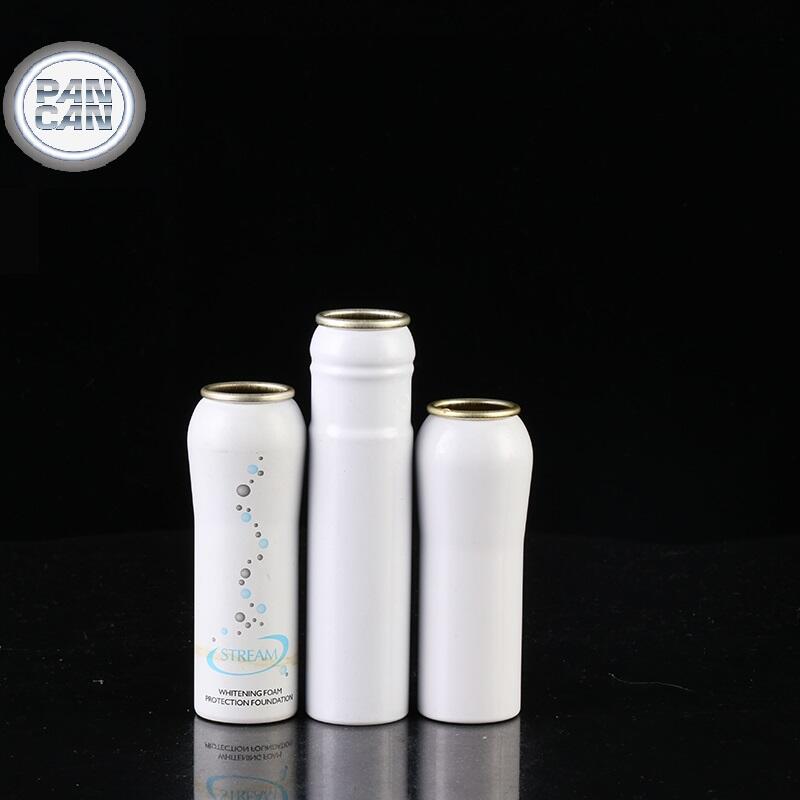
Monobloc Aerosol Can Printing: Advanced Manufacturing Solutions for Superior Container Production

Get a Free Quote

Our representative will contact you soon.
Email
Name
Company Name
Product Type
Product
Message
0/1000

monobloc aerosol can printing

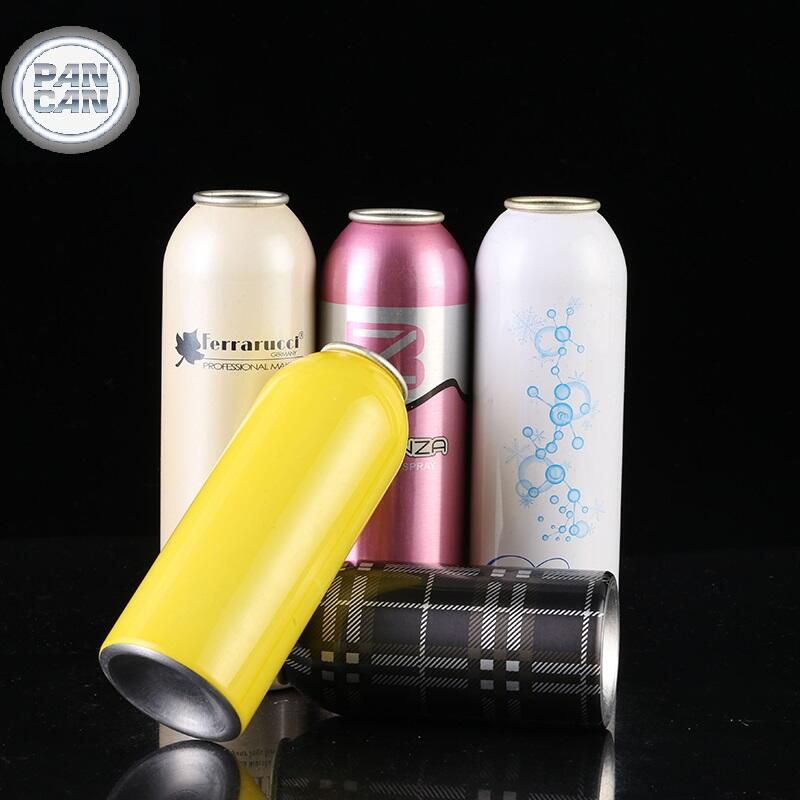
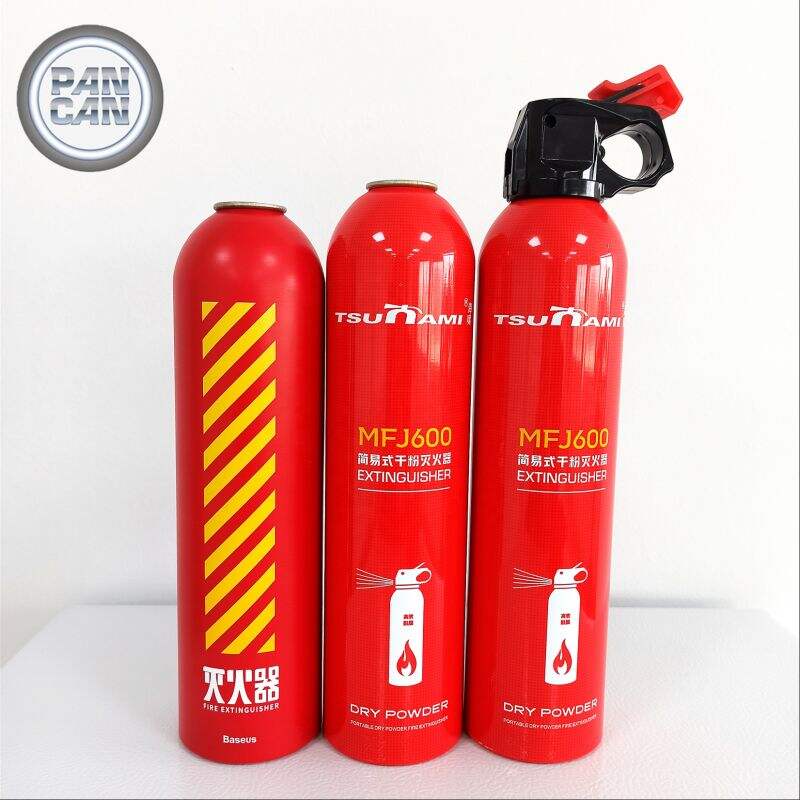
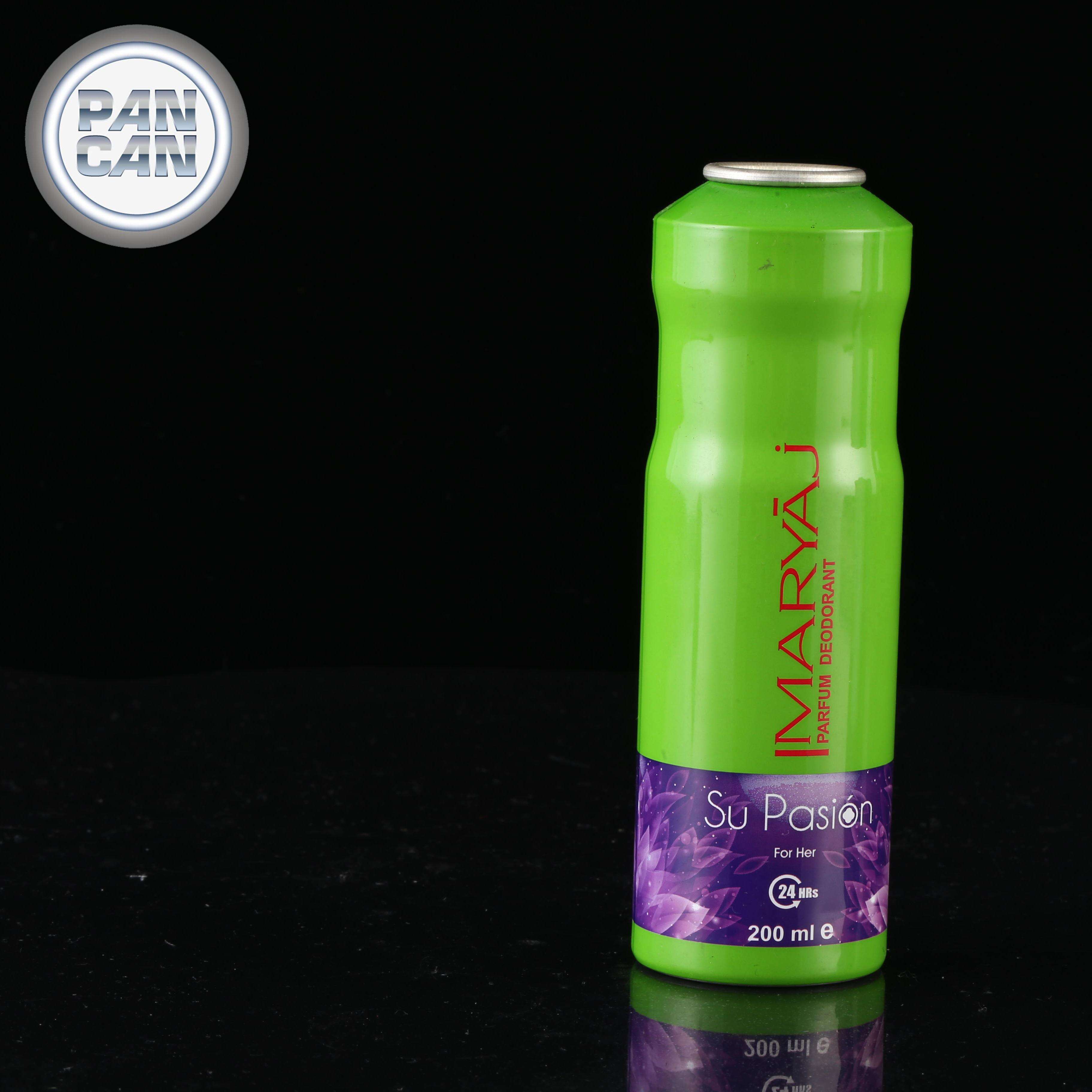
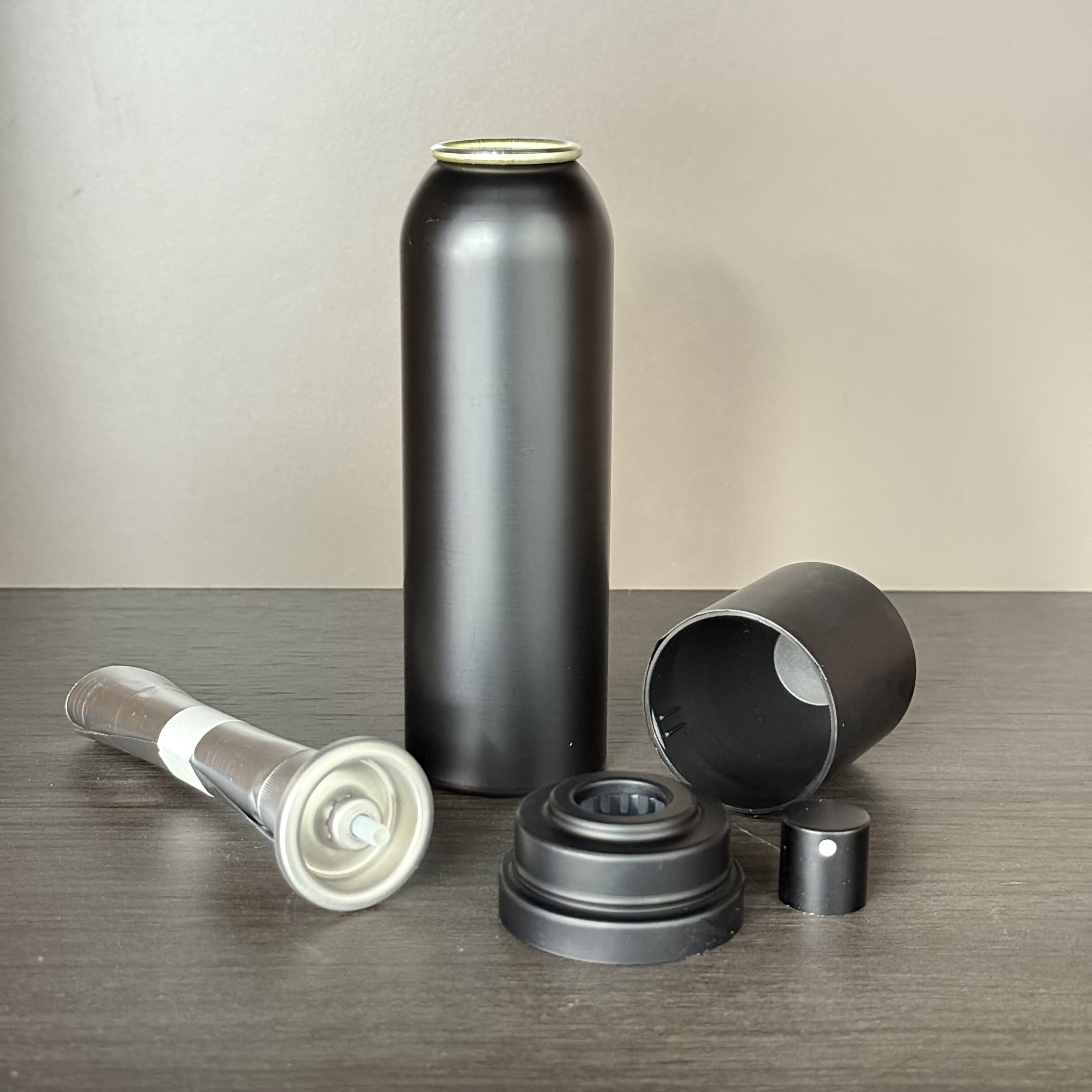
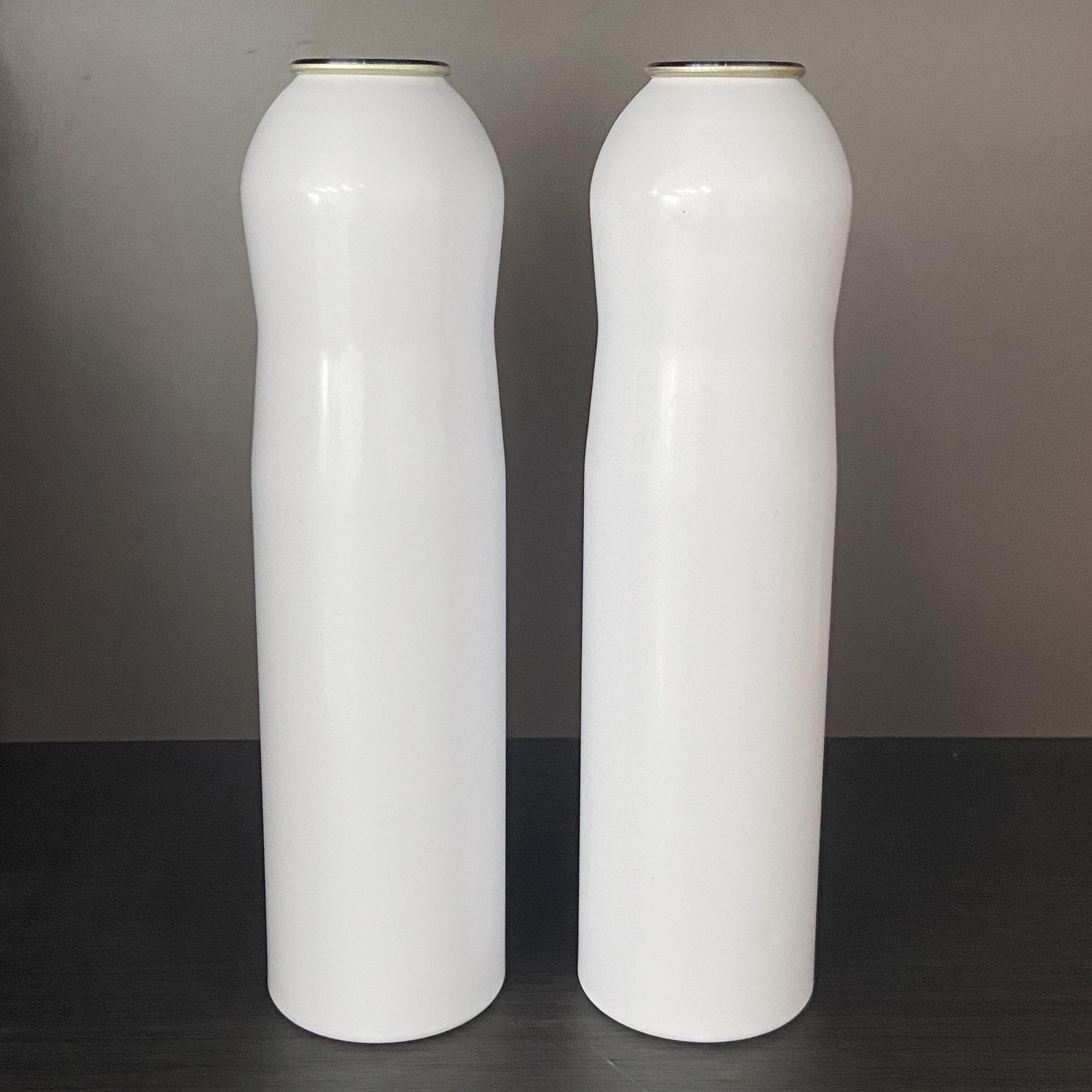
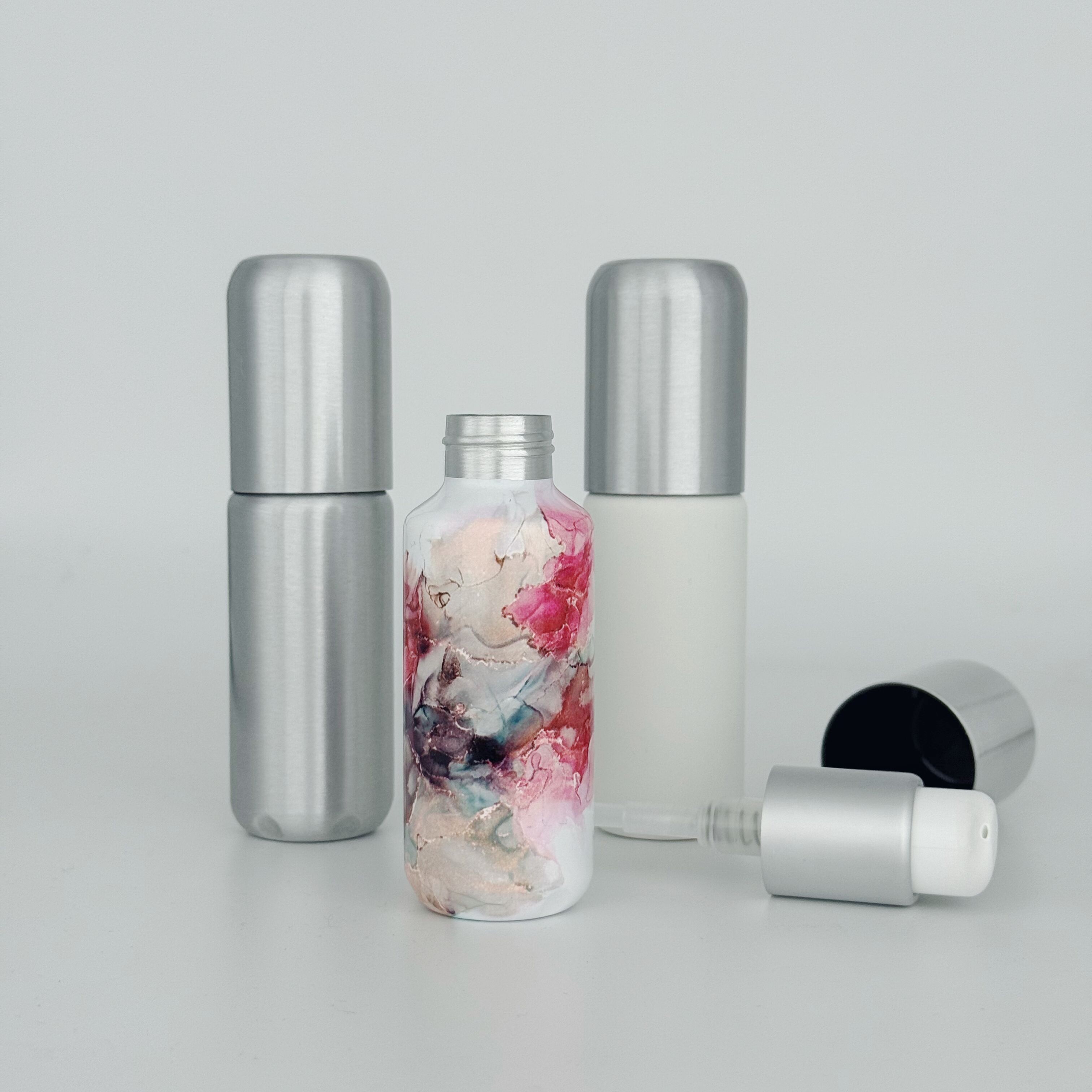
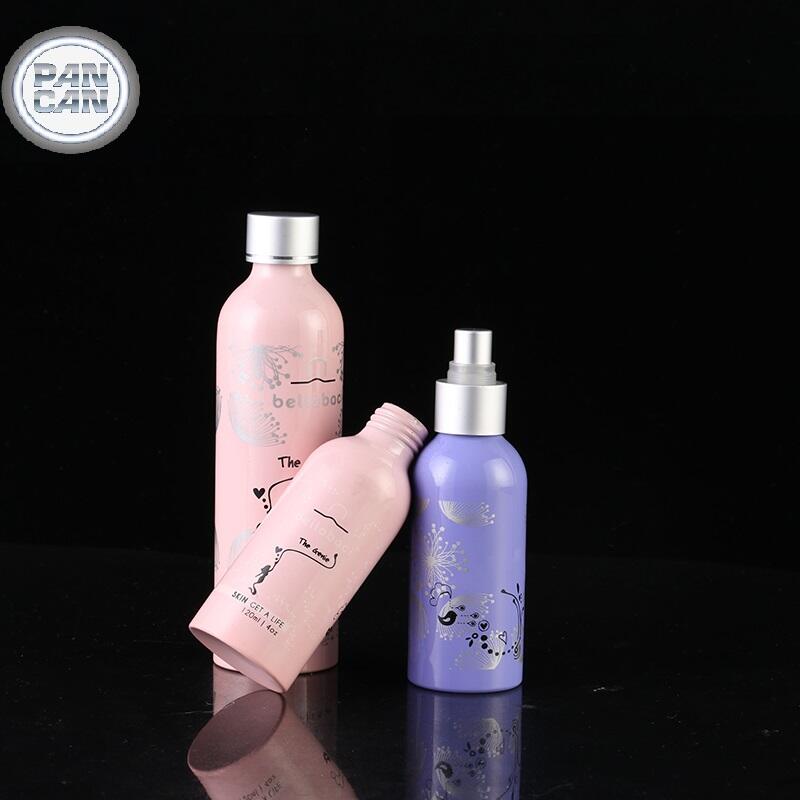
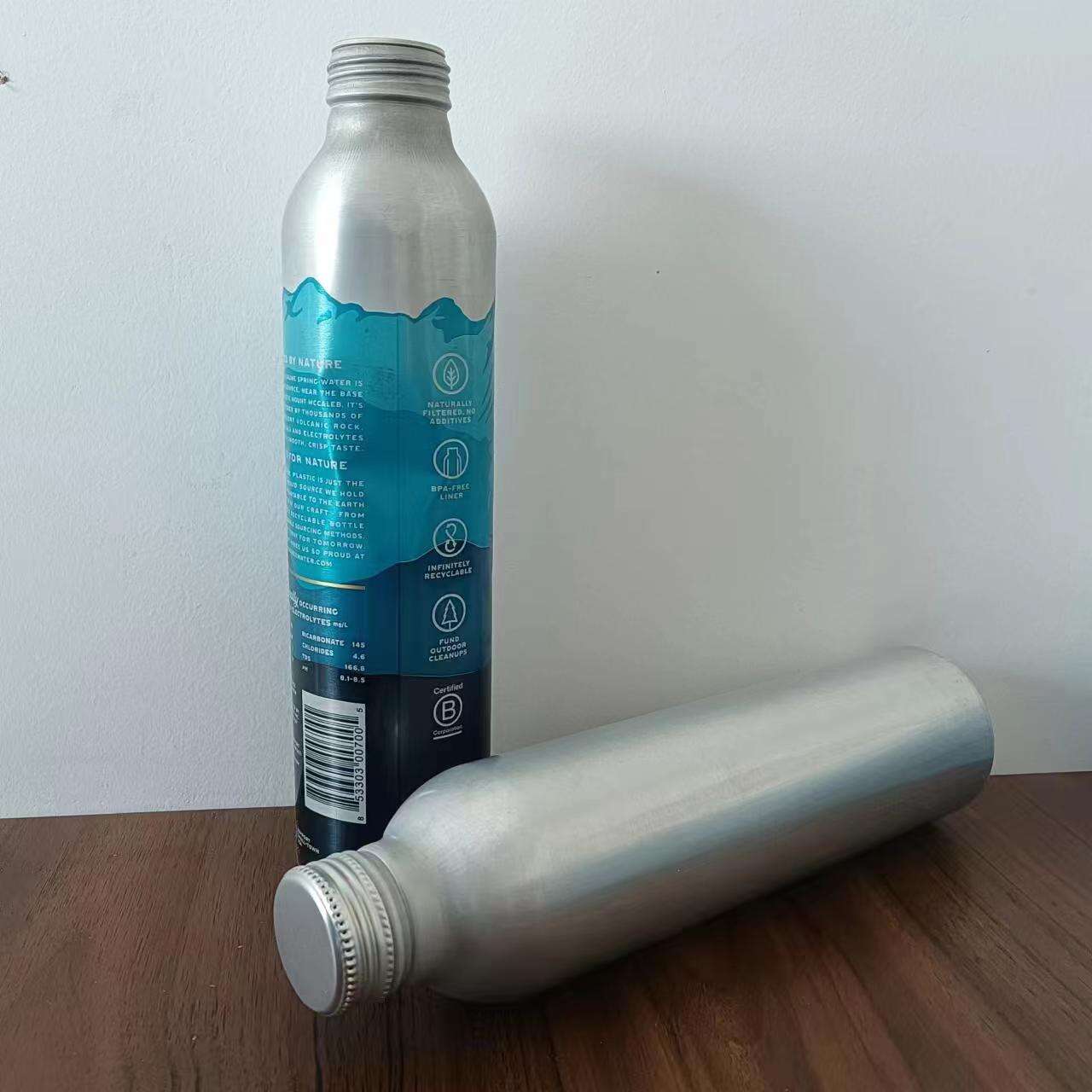
Monobloc aerosol can printing represents a revolutionary advancement in aerosol container manufacturing and decoration technology. This innovative process combines the production of seamless aluminum aerosol cans with high-quality printing capabilities in a single, integrated manufacturing workflow. Unlike traditional methods that require separate can forming and printing stages, monobloc aerosol can printing streamlines the entire production process by incorporating advanced printing technologies directly into the can manufacturing line. The main functions of monobloc aerosol can printing include creating seamless, lightweight aluminum containers while simultaneously applying vibrant, durable graphics and branding elements. This technology utilizes specialized printing equipment that works in harmony with impact extrusion processes, ensuring consistent quality throughout production. The technological features encompass precision color management systems, automated quality control mechanisms, and advanced ink formulations specifically designed for aluminum substrates. These systems employ digital printing technologies, offset printing capabilities, or hybrid approaches depending on specific requirements. The printing process occurs during optimal stages of can formation, allowing for superior ink adhesion and graphic clarity. Applications span across numerous industries including personal care products, household cleaners, automotive maintenance items, pharmaceutical aerosols, and industrial spray products. Monobloc aerosol can printing serves manufacturers seeking efficient production methods while maintaining exceptional visual appeal for their products. The technology accommodates various can sizes, from small personal care containers to larger industrial applications. Environmental considerations are integrated throughout the process, with recyclable aluminum substrates and eco-friendly ink formulations becoming standard practice. Quality assurance protocols ensure consistent color reproduction, graphic alignment, and durability standards across production runs. The integration of printing within the manufacturing process eliminates potential contamination risks and reduces handling requirements, contributing to overall product integrity and manufacturing efficiency.

New Products

The advantages of monobloc aerosol can printing deliver significant benefits that transform how manufacturers approach aerosol container production and branding. This advanced technology eliminates the need for separate printing operations, reducing production time by up to forty percent compared to traditional methods. Manufacturers save substantially on labor costs because the integrated process requires fewer operators and reduces material handling between production stages. The streamlined workflow minimizes the risk of damage to containers during transfer between manufacturing and printing facilities, resulting in lower rejection rates and improved overall yield. Quality consistency represents another major advantage, as the controlled environment ensures uniform printing results across entire production batches. The monobloc process maintains precise temperature and humidity conditions optimal for ink adhesion, delivering superior graphic quality that remains vibrant throughout the product lifecycle. Cost efficiency emerges through reduced transportation expenses, as products no longer require shipping between separate manufacturing and printing locations. Energy consumption decreases significantly because the integrated system operates more efficiently than running separate production lines. Inventory management becomes simpler when manufacturers can complete both forming and printing operations in a single location, reducing storage requirements and associated costs. The technology offers exceptional flexibility in customization, allowing manufacturers to accommodate short production runs and rapid design changes without extensive setup modifications. Brand protection improves through enhanced tamper-evident features that can be integrated during the printing process. The seamless aluminum construction combined with precision printing creates containers that resist corrosion, maintain structural integrity, and preserve product quality for extended periods. Manufacturers benefit from reduced environmental impact through optimized material usage, decreased waste generation, and lower carbon footprint from consolidated operations. The advanced printing capabilities support complex graphics, gradient effects, and multiple color applications that enhance product shelf appeal and brand recognition. Quality control integration throughout the process enables real-time monitoring and immediate correction of any deviations, ensuring consistent output quality. This comprehensive approach to aerosol container manufacturing positions companies for competitive advantage through improved efficiency, reduced costs, and enhanced product presentation.

Tips And Tricks

Why are consumers increasingly favoring aluminum bottle packaging?

22

Oct

Why are consumers increasingly favoring aluminum bottle packaging?

Walk down any modern beverage, personal care, or household aisle, and you'll witness a quiet revolution in packaging. The sleek, cool-to-the-touch, and often beautifully designed aluminum bottle is increasingly displacing traditional glass and p...
View More
What are the Market Trends and Applications of Aluminum Aerosol Cans?

22

Oct

What are the Market Trends and Applications of Aluminum Aerosol Cans?

The global packaging landscape is undergoing a profound transformation, driven by consumer awareness, environmental concerns, and technological innovation. At the forefront of this change stands the aluminum aerosol can—a packaging format t...
View More
How do Aluminum Aerosol Cans Contribute to Sustainability?

22

Oct

How do Aluminum Aerosol Cans Contribute to Sustainability?

In an era where environmental consciousness is reshaping consumer behavior and corporate strategies, the conversation around sustainable packaging has never been more critical. Among the various packaging solutions available, aluminum aerosol cans a...
View More
What are the key benefits of using aluminum aerosol cans in various industries?

22

Oct

What are the key benefits of using aluminum aerosol cans in various industries?

In today's competitive market landscape, packaging is no longer just a container but a critical component of product success. Among the myriad of packaging options, aluminum aerosol cans have emerged as a versatile and superior choice across mult...
View More

Get a Free Quote

Our representative will contact you soon.
Email
Name
Company Name
Product Type
Product
Message
0/1000

monobloc aerosol can printing

Advanced Integration Technology Maximizes Production Efficiency

Advanced Integration Technology Maximizes Production Efficiency

The advanced integration technology behind monobloc aerosol can printing revolutionizes manufacturing efficiency by combining multiple production processes into a single, seamless workflow. This sophisticated approach eliminates traditional bottlenecks associated with separate forming and printing operations, creating a continuous production environment that maximizes throughput while minimizing operational complexity. The integrated system utilizes precision-engineered machinery that coordinates impact extrusion with advanced printing technologies, ensuring perfect synchronization between can formation and graphic application. This coordination occurs through computer-controlled systems that monitor every aspect of production, from aluminum feeding and forming to ink application and curing processes. The technology incorporates real-time quality monitoring sensors that continuously assess can dimensions, wall thickness, and printing quality, making automatic adjustments to maintain optimal output standards. Advanced servo-driven mechanisms ensure precise positioning of cans during the printing phase, eliminating registration errors and maintaining consistent graphic placement across production runs. The integration extends to material handling systems that transport containers smoothly between process stages without human intervention, reducing contamination risks and maintaining production flow. Energy efficiency improvements result from the consolidated operation, as shared heating systems, compressed air supplies, and electrical infrastructure reduce overall power consumption compared to separate operations. The technology accommodates rapid changeovers between different can sizes and printing specifications through programmable control systems that store multiple production recipes. Maintenance efficiency improves through centralized monitoring systems that track equipment performance across all integrated components, enabling predictive maintenance scheduling and reducing unplanned downtime. Quality assurance protocols operate continuously throughout the integrated process, with automated rejection systems removing defective products without interrupting production flow. The sophisticated control systems maintain detailed production records, enabling traceability and quality analysis that supports continuous improvement initiatives. This comprehensive integration approach delivers measurable improvements in production efficiency, cost reduction, and quality consistency that directly benefit manufacturers seeking competitive advantages in aerosol container production.
Superior Print Quality and Durability Enhance Brand Value

Superior Print Quality and Durability Enhance Brand Value

Superior print quality and durability achieved through monobloc aerosol can printing technology significantly enhance brand value by delivering exceptional visual impact and long-lasting graphic integrity. The specialized printing process occurs during optimal conditions within the integrated manufacturing environment, ensuring superior ink adhesion and color vibrancy that surpasses traditional post-manufacturing printing methods. Advanced ink formulations specifically developed for aluminum substrates create chemical bonds that resist fading, scratching, and environmental degradation throughout the product lifecycle. The controlled printing environment maintains precise temperature and humidity levels that optimize ink flow and curing processes, resulting in sharp detail reproduction and consistent color matching across production batches. High-resolution printing capabilities support complex graphic designs, photographic images, and intricate branding elements that capture consumer attention and differentiate products in competitive markets. The printing technology accommodates multiple color applications, including metallic inks, fluorescent colors, and special effect finishes that create premium visual appeal. Durability testing demonstrates that graphics printed through monobloc processes maintain color intensity and clarity even after extended exposure to sunlight, temperature variations, and handling stress. The seamless aluminum substrate provides an ideal printing surface that eliminates the texture irregularities and surface imperfections common in traditional can manufacturing methods. Advanced curing systems ensure complete ink polymerization, creating a protective barrier that resists chemical interaction with aerosol contents and environmental contaminants. Quality control systems monitor color accuracy throughout production using spectrophotometric analysis, ensuring consistent brand color reproduction that meets strict corporate standards. The printing process supports variable data printing capabilities, enabling unique product identification, batch coding, and customization features that enhance traceability and brand authentication. Scratch resistance testing confirms that printed surfaces maintain visual integrity throughout distribution and consumer use, protecting brand image and product presentation. The technology accommodates sustainable ink formulations that meet environmental regulations while maintaining performance standards, supporting corporate sustainability initiatives. Brand managers benefit from the enhanced shelf appeal and perceived quality that superior printing delivers, often resulting in improved consumer preference and pricing premiums in retail environments.
Sustainable Manufacturing Reduces Environmental Impact

Sustainable Manufacturing Reduces Environmental Impact

Sustainable manufacturing practices integrated within monobloc aerosol can printing processes significantly reduce environmental impact while maintaining production efficiency and quality standards. The consolidated manufacturing approach eliminates transportation requirements between separate forming and printing facilities, reducing carbon emissions and fuel consumption associated with inter-facility logistics. Advanced aluminum recycling capabilities ensure that production waste and end-of-life containers contribute to circular economy principles, as aluminum maintains its properties through multiple recycling cycles without quality degradation. Energy efficiency improvements result from optimized equipment integration that shares power systems, heating infrastructure, and compressed air supplies across all production stages. The technology supports eco-friendly ink formulations that eliminate harmful volatile organic compounds while maintaining superior adhesion and durability characteristics. Water-based ink systems reduce environmental impact during production and disposal phases, contributing to improved air quality in manufacturing environments. Waste reduction occurs through precision material handling systems that minimize aluminum scrap generation and optimize raw material utilization throughout the production process. The integrated quality control systems reduce rejection rates, decreasing waste generation and conserving resources that would otherwise be consumed in producing defective products. Advanced emission control systems capture and treat air discharges from printing operations, ensuring compliance with environmental regulations while protecting surrounding communities. The technology enables lightweighting initiatives that reduce aluminum consumption per container while maintaining structural integrity and performance standards. Packaging optimization features allow manufacturers to reduce secondary packaging requirements through enhanced graphics and branding that eliminate additional labels or sleeves. Energy recovery systems capture waste heat from curing processes and redirect it to support other manufacturing operations, improving overall energy efficiency. The consolidated production approach reduces facility footprint requirements, minimizing land use and associated environmental impacts. Sustainable supply chain benefits emerge through reduced transportation, simplified logistics, and decreased packaging requirements for shipping between production stages. Environmental monitoring systems track resource consumption, emissions, and waste generation throughout the integrated process, supporting continuous improvement initiatives and regulatory reporting requirements. The technology supports corporate sustainability goals by enabling manufacturers to reduce their environmental footprint while maintaining competitive production costs and quality standards that meet market demands.

Get a Free Quote

Our representative will contact you soon.
Email
Name
Company Name
Product Type
Product
Message
0/1000
email goToTop