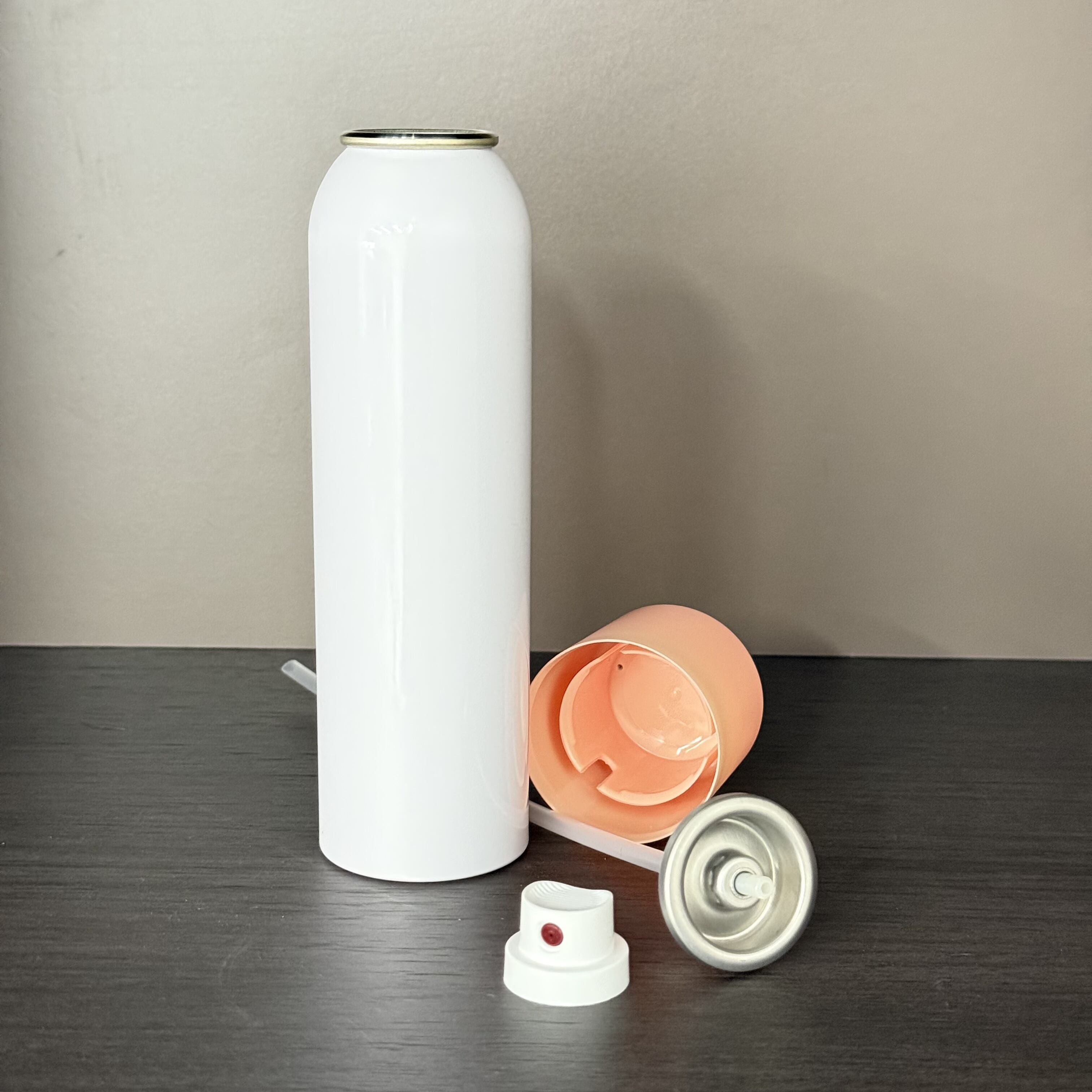
Monobloc Aerosol Can: Seamless Packaging Solutions for Superior Performance and Sustainability

Get a Free Quote

Our representative will contact you soon.
Email
Mobile
Name
Company Name
Product Type
Product
Message
0/1000

monobloc aerosol can

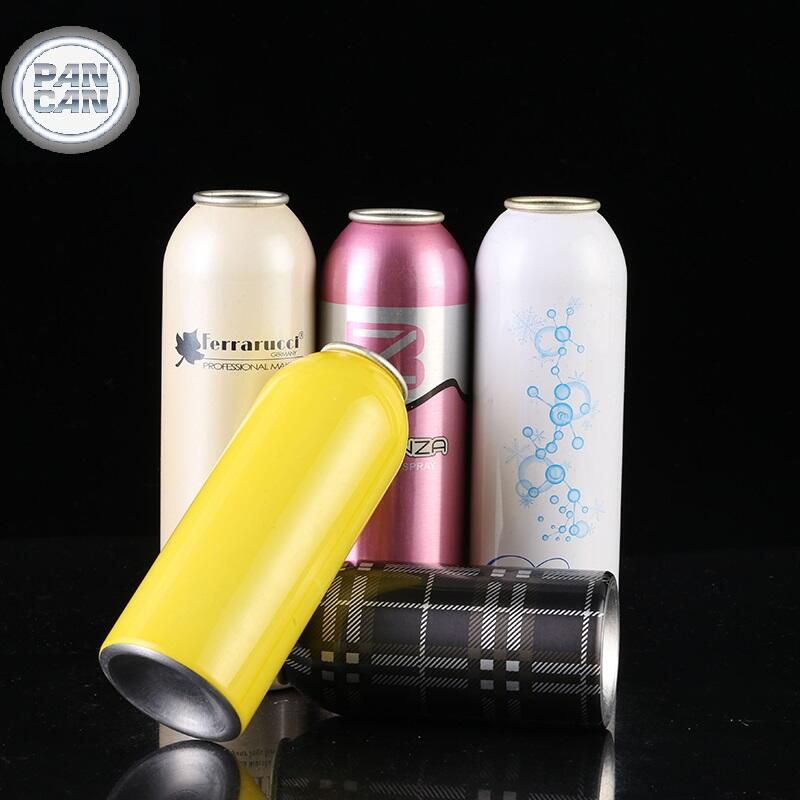
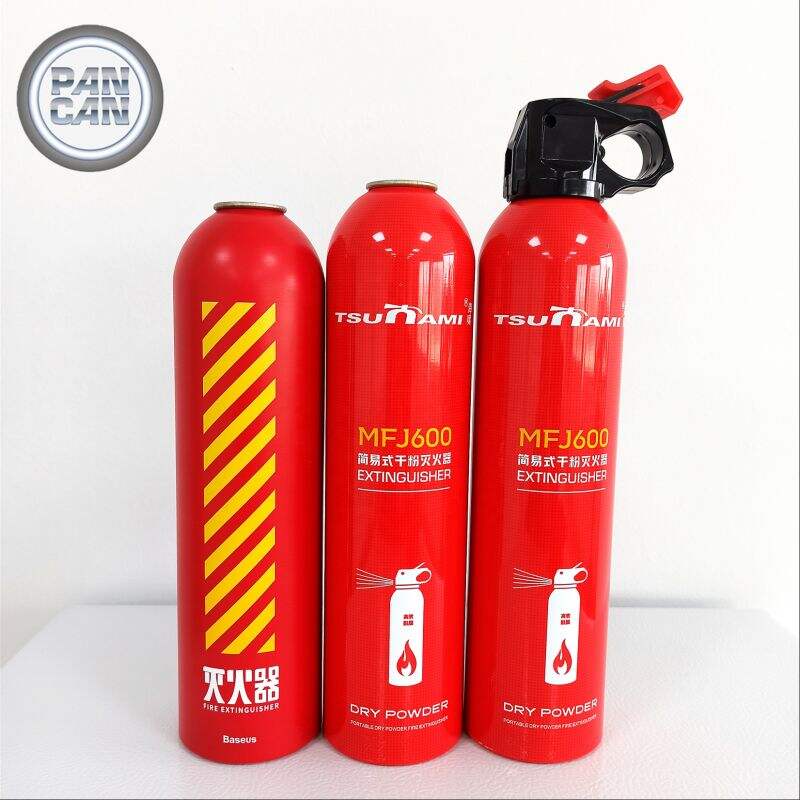
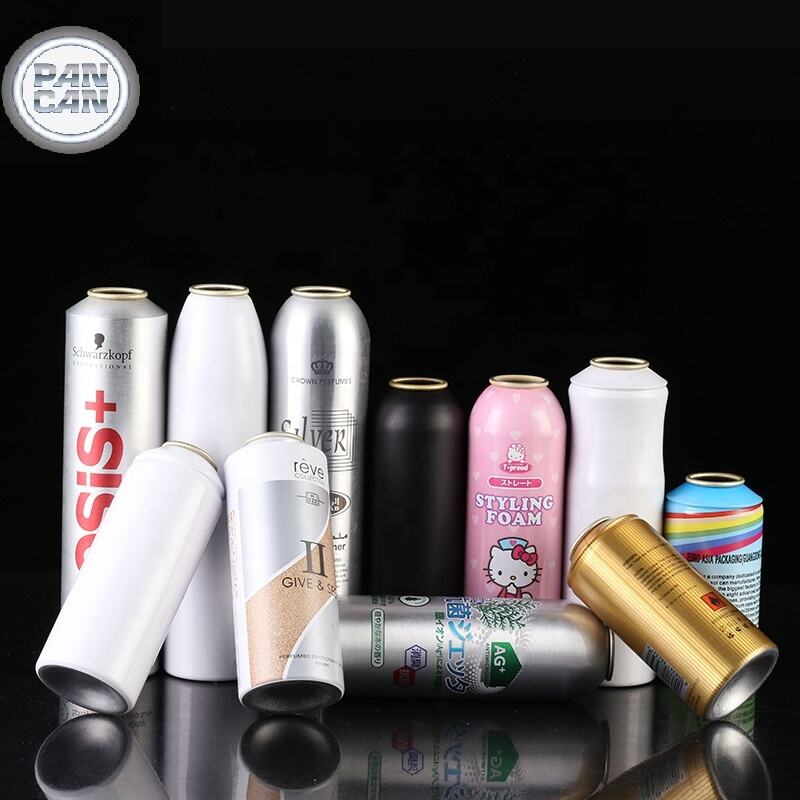
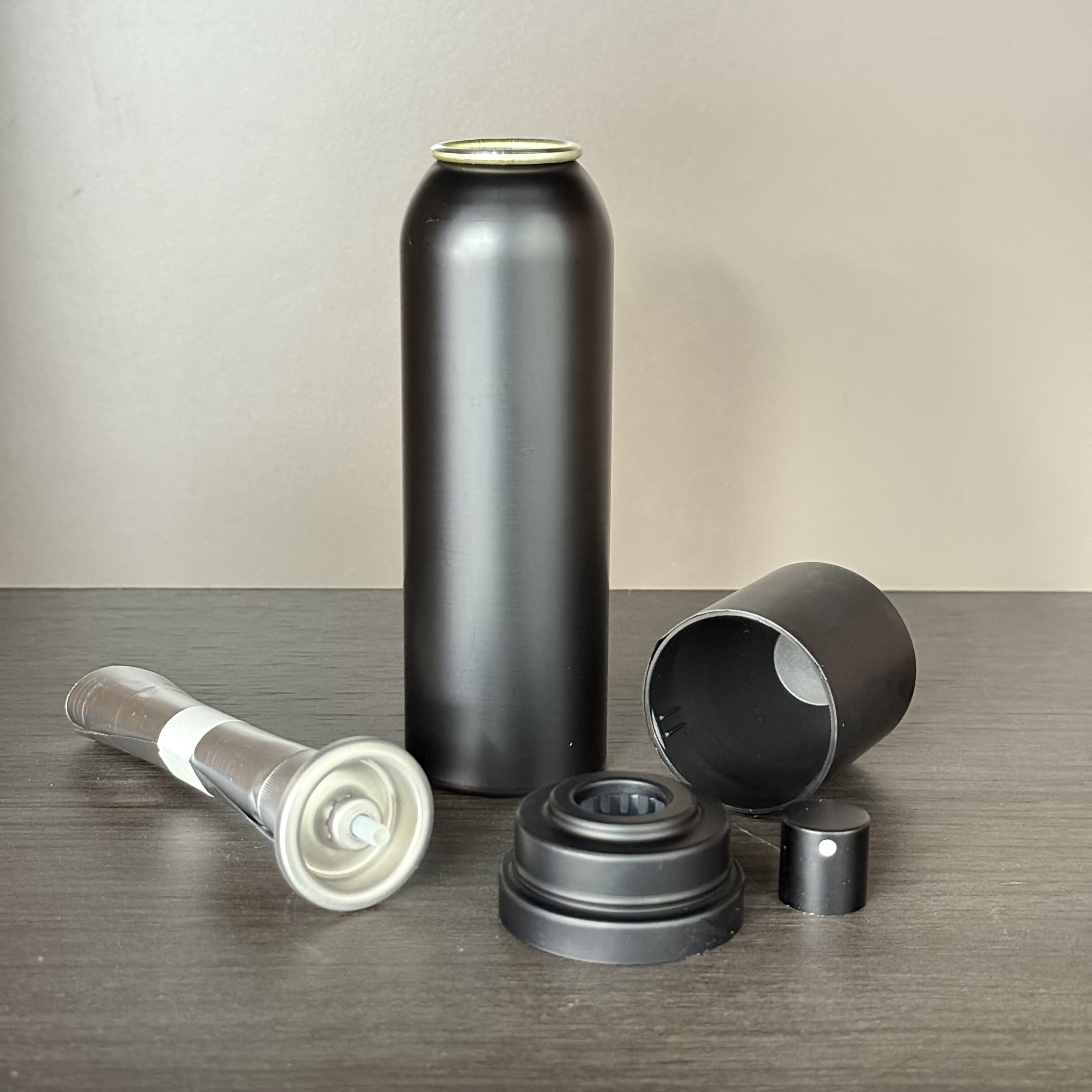
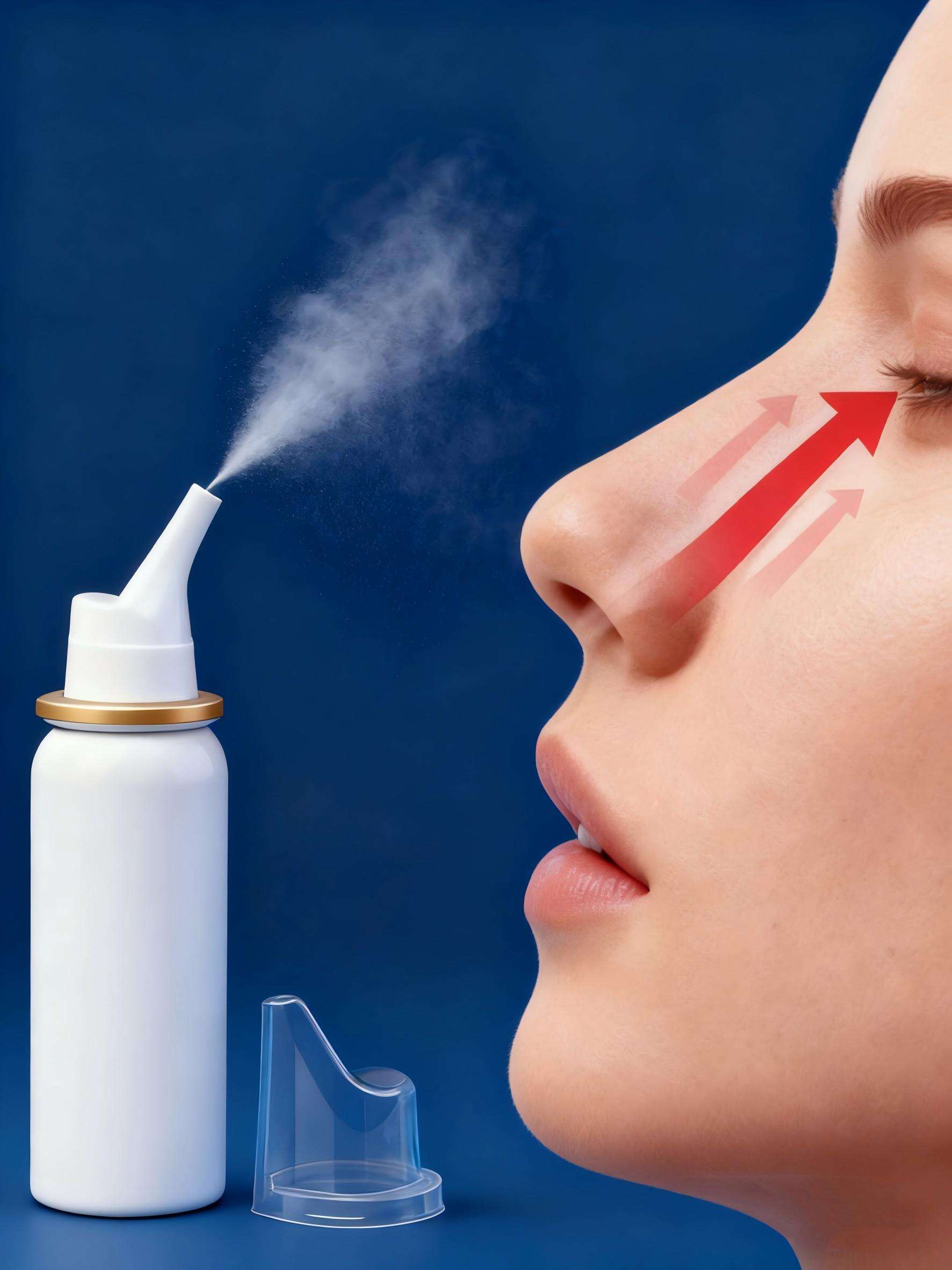
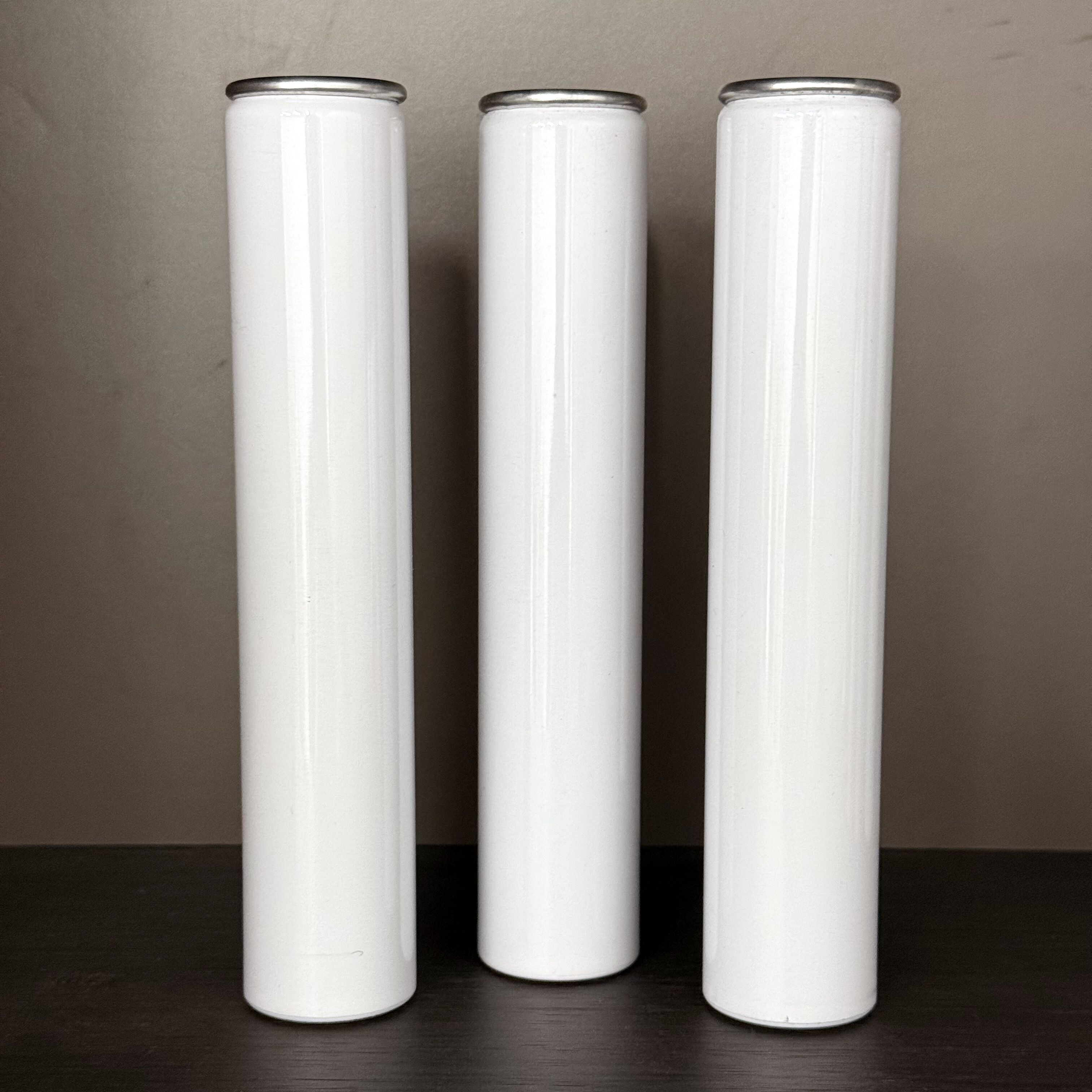
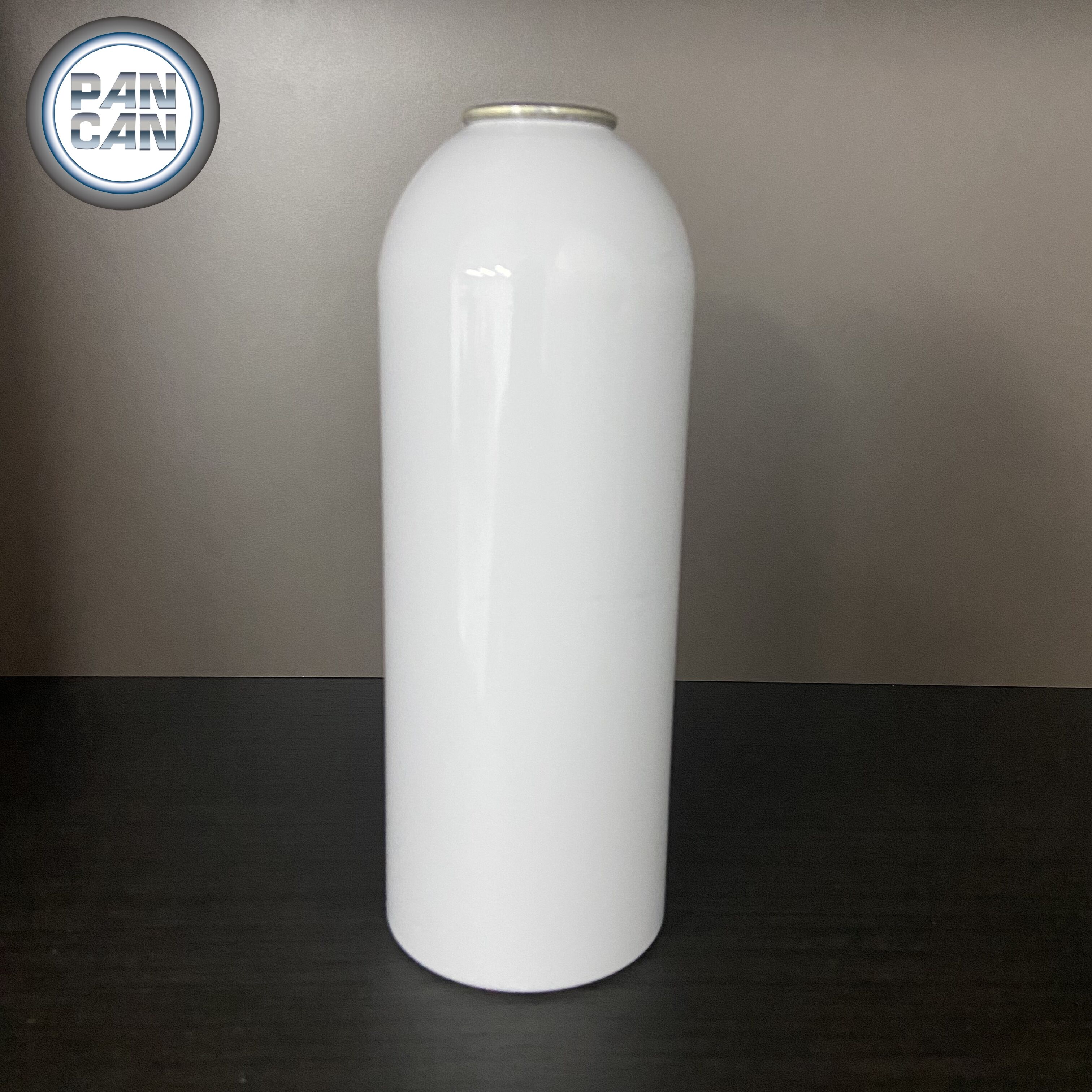
The monobloc aerosol can represents a significant innovation in packaging technology, designed as a single-piece container manufactured from a seamless aluminum or tinplate structure. Unlike traditional multi-piece aerosol cans that require separate components welded or joined together, the monobloc aerosol can is formed from a single piece of metal through advanced impact extrusion or deep drawing processes. This manufacturing method creates a container without side seams, delivering superior structural integrity and enhanced performance characteristics. The primary function of a monobloc aerosol can involves storing and dispensing various products under pressure, including personal care items, household cleaners, automotive products, pharmaceutical formulations, and industrial applications. The can works in conjunction with a valve system and propellant to deliver controlled product release when activated by the user. Technologically, the monobloc aerosol can showcases remarkable engineering precision, with walls of uniform thickness that optimize material usage while maintaining exceptional strength-to-weight ratios. The seamless construction eliminates potential weak points that could compromise container integrity, enabling these cans to withstand internal pressures ranging from 8 to 12 bar safely. Modern monobloc aerosol can production incorporates sophisticated metal forming techniques that allow manufacturers to create containers in various sizes, typically ranging from 25ml to 1000ml capacity, with customizable shoulder designs and neck finishes to accommodate different valve systems. The applications for monobloc aerosol can technology span numerous industries and product categories, demonstrating remarkable versatility in the marketplace. Beauty and personal care brands utilize these containers for hairsprays, deodorants, shaving foams, and dry shampoos, benefiting from the premium appearance and reliable dispensing characteristics. Pharmaceutical companies rely on monobloc aerosol can packaging for metered-dose inhalers and topical treatments requiring precise dosage control and contamination-free delivery. The automotive sector employs these cans for lubricants, tire inflators, and cleaning products that demand robust packaging capable of withstanding challenging storage conditions and maintaining product efficacy over extended periods.

Popular Products

The monobloc aerosol can delivers numerous practical benefits that make it an excellent packaging choice for brands and consumers alike. First and foremost, the seamless construction provides unmatched durability compared to traditional multi-piece designs. Because there are no welded seams or joints that could potentially fail under pressure or impact, products remain safely contained throughout their lifecycle. This robust design means fewer product losses, reduced safety concerns, and greater customer satisfaction when using items packaged in these containers. The manufacturing process behind the monobloc aerosol can also creates significant cost efficiencies over time. While initial tooling investments may be substantial, the streamlined production method reduces material waste and eliminates several assembly steps required for traditional aerosol cans. Manufacturers can produce these cans at higher speeds with fewer quality control checkpoints, translating to lower per-unit costs when producing large volumes. These savings often get passed along to brands and ultimately to consumers purchasing the final products. From an aesthetic perspective, the monobloc aerosol can offers superior branding opportunities that help products stand out on crowded retail shelves. The smooth, seamless surface provides an ideal canvas for high-quality printing, labeling, and decorative finishes without interruption from visible seam lines. Brands can implement full-body graphics, intricate designs, and premium coatings that enhance shelf appeal and communicate product quality to potential buyers. This visual advantage becomes particularly important in competitive markets where packaging appearance influences purchasing decisions. Environmental considerations represent another compelling advantage of the monobloc aerosol can design. The single-piece construction uses less material overall compared to multi-piece alternatives, reducing the environmental footprint of production. Aluminum monobloc cans are infinitely recyclable without loss of material properties, supporting circular economy principles and helping brands meet sustainability commitments. The lightweight nature of these containers also reduces transportation costs and associated carbon emissions throughout the distribution chain. Safety features built into the monobloc aerosol can design protect both consumers and workers handling these products. The uniform wall thickness eliminates thin spots that could rupture unexpectedly, while the seamless structure prevents leakage of contents or propellant. These containers undergo rigorous pressure testing to ensure they can safely contain volatile substances and withstand temperature fluctuations during storage and shipping. For consumers, this means confident use of products without concerns about container failure or accidental discharge. The versatility of the monobloc aerosol can accommodates a wide range of formulations and viscosities, from thin liquids to thick creams and foams. This flexibility allows brands to package diverse product types in a consistent container format, simplifying inventory management and production processes. Whether dispensing fine mists, targeted streams, or rich foams, the monobloc aerosol can works seamlessly with various valve systems to deliver optimal product performance tailored to specific application needs.

Tips And Tricks

Aluminum Pump Bottles: Ideal for Luxury Serums and Lotions

29

Apr

Aluminum Pump Bottles: Ideal for Luxury Serums and Lotions

In the competitive landscape of premium skincare and cosmetic packaging, the aluminum pump bottle has emerged as the gold standard for brands seeking to elevate their product presentation while ensuring optimal preservation of delicate formulations. ...
View More
How to Choose the Right Aluminum Aerosol Can for Your Product?

13

May

How to Choose the Right Aluminum Aerosol Can for Your Product?

Choosing the right aluminum aerosol can is a product strategy decision, not just a packaging purchase. The can you choose directly affects formula stability, spray performance, transport safety, regulatory documentation, and even how your product is ...
View More
Custom Aluminum Aerosol Can Solutions for Brands

13

May

Custom Aluminum Aerosol Can Solutions for Brands

For brand owners in personal care, household, automotive, and specialty chemical markets, packaging is no longer a secondary decision. It directly shapes shelf impact, regulatory confidence, filling efficiency, and long-term margin performance. A cus...
View More
Evaluating the Long-Term Value of Your Aluminum Can Supplier Partnership

13

May

Evaluating the Long-Term Value of Your Aluminum Can Supplier Partnership

A durable packaging strategy is not built on unit price alone. In most industrial procurement environments, the real return comes from how well an aluminum can supplier partnership supports production continuity, quality consistency, and long-range c...
View More

Get a Free Quote

Our representative will contact you soon.
Email
Mobile
Name
Company Name
Product Type
Product
Message
0/1000

monobloc aerosol can

Seamless Construction Excellence: The Foundation of Superior Performance

Seamless Construction Excellence: The Foundation of Superior Performance

The defining characteristic of the monobloc aerosol can lies in its seamless, single-piece construction, which fundamentally differentiates it from conventional aerosol packaging. This manufacturing approach begins with a single aluminum or tinplate blank that undergoes impact extrusion or deep drawing processes to form the complete container body without requiring any welded joints or mechanical seams. The absence of seams represents far more than a cosmetic improvement; it creates a structurally superior container that eliminates the weakest points found in traditional multi-piece designs. When aerosol cans contain pressurized contents, stress concentrates at seams and joints where different metal pieces connect. Over time or under extreme conditions, these connection points may fail, leading to leakage, pressure loss, or catastrophic rupture. The monobloc aerosol can completely removes this vulnerability by distributing stress evenly across a continuous metal surface with uniform wall thickness. This engineering advantage translates directly into enhanced safety for consumers, reduced product waste for brands, and lower liability risks throughout the supply chain. The seamless construction also provides significant benefits during the filling and handling processes. Without seams that could harbor contaminants or allow microscopic leakage, the monobloc aerosol can maintains superior hygiene standards essential for pharmaceutical and personal care applications. The smooth interior surface resists product buildup and facilitates complete evacuation of contents, ensuring consumers can use virtually all the product they purchase. For manufacturers, the seamless design simplifies quality assurance procedures because there are fewer potential failure points to inspect and monitor. Testing protocols can focus on material integrity and valve performance rather than seam strength and joint reliability. Furthermore, the visual appeal of a seamless container enhances brand perception and product positioning. Consumers instinctively associate seamless construction with higher quality and premium value, making the monobloc aerosol can an effective tool for brand differentiation. The uninterrupted surface allows for sophisticated decoration techniques including 360-degree printing, tactile coatings, and metallic finishes that would be compromised by visible seam lines on traditional cans. This aesthetic advantage helps products command attention in competitive retail environments where packaging appearance significantly influences purchasing decisions. The structural integrity provided by seamless construction also enables lightweighting initiatives that reduce material usage without compromising container strength. Engineers can optimize wall thickness throughout the container profile, using less metal where stress loads are lower while maintaining adequate strength where needed, resulting in environmental benefits through reduced resource consumption and transportation weight.
Advanced Manufacturing Efficiency: Streamlining Production for Cost and Quality Benefits

Advanced Manufacturing Efficiency: Streamlining Production for Cost and Quality Benefits

The production methodology behind the monobloc aerosol can represents a technological advancement that delivers substantial operational efficiencies and quality improvements over traditional aerosol can manufacturing. The impact extrusion or deep drawing processes used to create these seamless containers consolidate multiple manufacturing steps into a streamlined sequence that reduces production time, minimizes material waste, and enhances consistency across large production runs. Traditional multi-piece aerosol cans require separate manufacturing of the body, top, and bottom components, followed by assembly operations including welding or mechanical seaming, with each step introducing potential quality variations and requiring dedicated quality control checkpoints. In contrast, the monobloc aerosol can emerges from the forming process as a nearly complete container requiring only neck finishing and base forming before it is ready for decoration and filling. This simplified production path reduces handling, decreases energy consumption, and lowers the cumulative risk of defects that could compromise container performance. The manufacturing efficiency translates directly into cost advantages that benefit everyone in the value chain from can manufacturers to brand owners to end consumers. Fewer production steps mean reduced labor requirements, lower equipment maintenance costs, and decreased facility space needs. The material efficiency of the process minimizes scrap generation because the forming operations precisely shape the metal blank into the desired container configuration with minimal trimming or waste. These cost savings become particularly significant when producing large volumes, allowing manufacturers to offer competitive pricing that makes the monobloc aerosol can economically viable for a broad range of applications from premium beauty products to everyday household items. Quality consistency represents another critical advantage stemming from the advanced manufacturing approach. Computer-controlled forming processes ensure that every monobloc aerosol can meets exact dimensional specifications with minimal variation between units. This precision proves essential for automated filling lines where container dimensions must remain within tight tolerances to ensure proper valve insertion, crimping, and overall system performance. Brands benefit from predictable container performance that reduces filling line downtime, minimizes rejection rates, and ensures consistent product delivery to consumers. The reproducibility of the manufacturing process also simplifies inventory management and order fulfillment because containers from different production runs maintain identical specifications. Additionally, the manufacturing technology supporting monobloc aerosol can production continues to evolve with innovations in metal forming, surface treatment, and quality monitoring systems. Modern production lines incorporate real-time inspection technologies that detect microscopic defects or dimensional variations, ensuring only perfect containers proceed to decoration and filling. These quality assurance capabilities provide brands with confidence that their products will reach consumers in packaging that performs reliably under all intended use conditions, protecting brand reputation and customer satisfaction.
Environmental Sustainability and Recyclability: Packaging That Supports Circular Economy Principles

Environmental Sustainability and Recyclability: Packaging That Supports Circular Economy Principles

The monobloc aerosol can delivers compelling environmental advantages that align with growing consumer expectations and regulatory requirements for sustainable packaging solutions. As brands across industries face increasing pressure to reduce environmental impact and embrace circular economy principles, the inherent characteristics of the monobloc aerosol can provide meaningful sustainability benefits throughout the packaging lifecycle. The seamless construction methodology optimizes material utilization by eliminating overlapping metal sections required for seams and joints in traditional multi-piece designs. This efficiency means less raw material consumption per container produced, directly reducing the environmental footprint associated with metal extraction, processing, and forming operations. When multiplied across millions of units, these material savings represent substantial resource conservation and reduced environmental impact. The predominant use of aluminum in monobloc aerosol can manufacturing further enhances sustainability credentials because aluminum ranks among the most recyclable materials available. Unlike many packaging materials that degrade with each recycling cycle, aluminum can be recycled indefinitely without losing its essential properties, making it a truly circular material. Recycling aluminum requires only five percent of the energy needed to produce primary aluminum from bauxite ore, delivering dramatic energy savings and greenhouse gas emission reductions. Consumers can dispose of empty monobloc aerosol cans through standard recycling programs, where the containers get collected, sorted, melted, and reformed into new aluminum products including new aerosol cans, beverage containers, automotive components, and building materials. This closed-loop recyclability ensures that the material value remains in productive use rather than being lost to landfills or incineration. The lightweight characteristics of the monobloc aerosol can contribute additional environmental benefits during distribution and transportation. Compared to heavier glass containers or multi-piece metal cans, the optimized wall thickness and material efficiency of monobloc designs reduce shipping weight, allowing more units per truck load and decreasing fuel consumption and emissions associated with product distribution. These transportation efficiencies compound over global supply chains, delivering measurable reductions in carbon footprint from factory to retail shelf. For brands committed to sustainability goals and transparent environmental reporting, the monobloc aerosol can offers quantifiable advantages that support corporate responsibility initiatives and resonate with environmentally conscious consumers. Many consumers actively seek products packaged in recyclable containers and appreciate brands that demonstrate environmental stewardship through packaging choices. By selecting the monobloc aerosol can, brands signal their commitment to sustainability while delivering functional, attractive packaging that meets performance requirements. Furthermore, the durability and reliable performance of the monobloc aerosol can prevents product waste that would occur if containers failed prematurely, leaked during storage, or delivered inconsistent dispensing performance. Protecting product integrity throughout its lifecycle represents an often-overlooked aspect of packaging sustainability because wasted product carries its own environmental burden including the resources consumed in manufacturing, the energy used in processing, and the emissions generated during distribution. The robust construction of the monobloc aerosol can ensures products remain protected and functional until consumers completely empty the container, maximizing resource efficiency across the entire value chain.


Get a Free Quote

Our representative will contact you soon.
Email
Mobile
Name
Company Name
Product Type
Product
Message
0/1000
email goToTop