Comprehensive Safety Standards and Regulatory Compliance
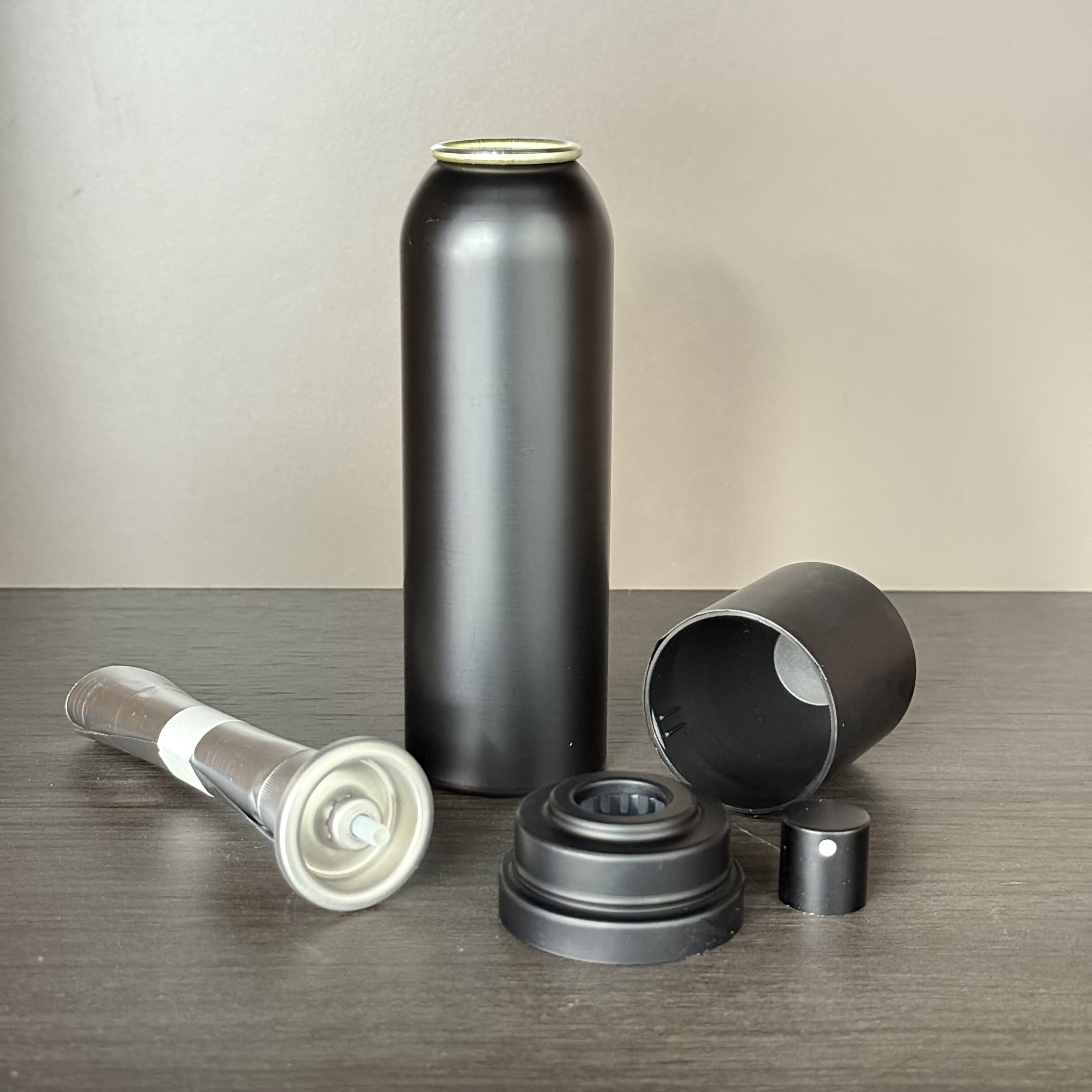
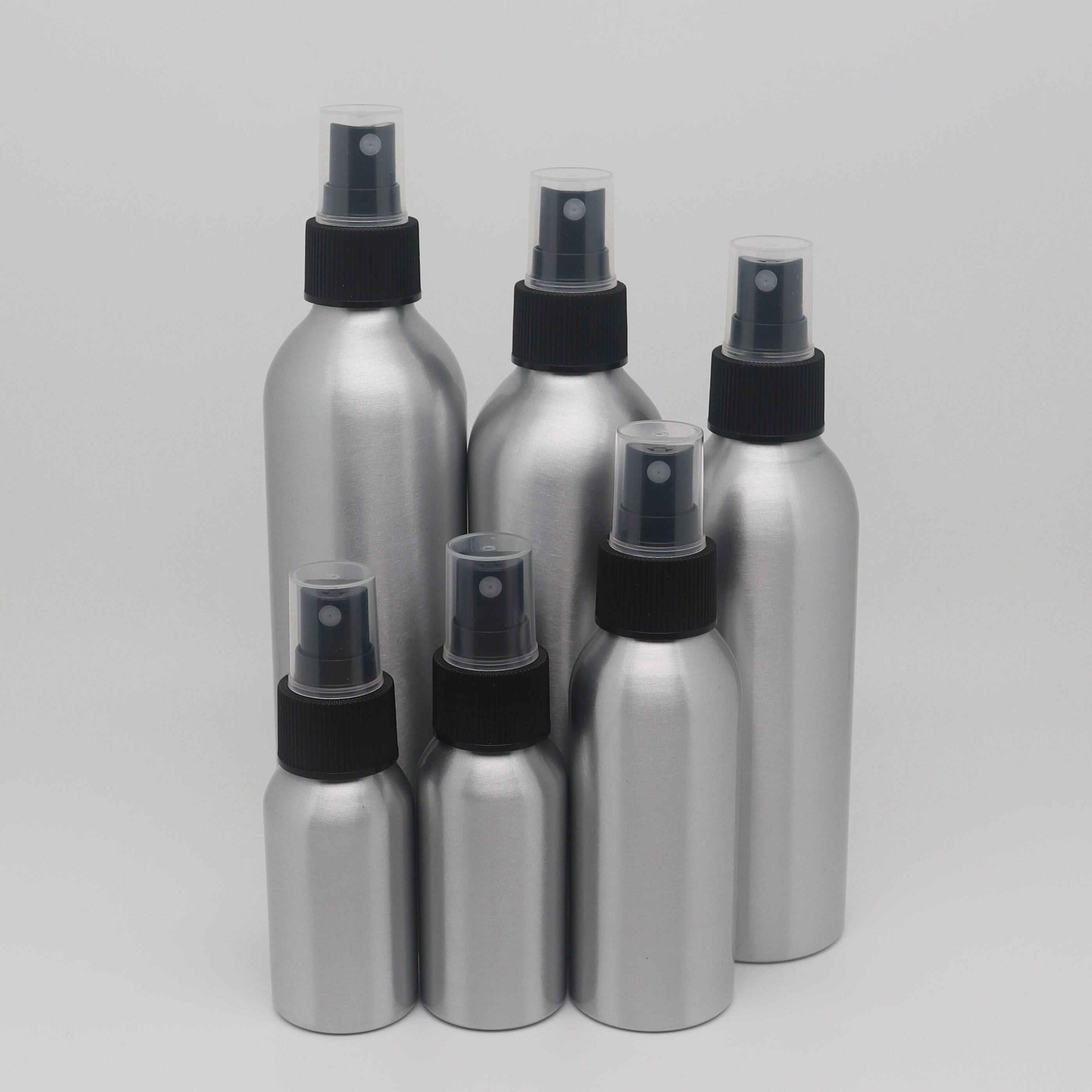
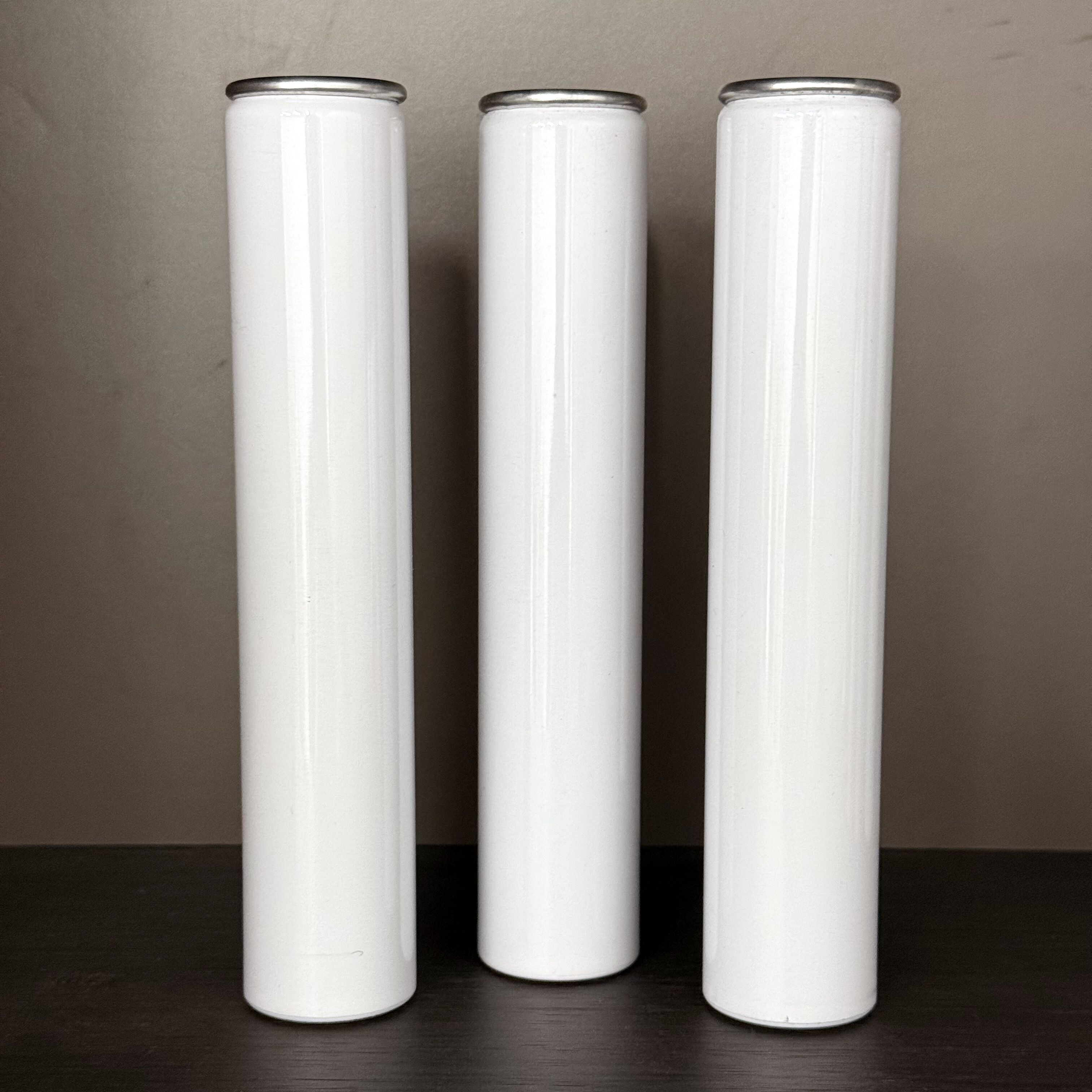
Safety considerations permeate every aspect of food grade aerosol can for food packaging design, manufacturing, and quality assurance, reflecting unwavering commitment to protecting consumer health and meeting international regulatory requirements. The regulatory framework governing these products encompasses multiple jurisdictions, including FDA regulations in the United States, European Food Safety Authority standards, and various national food safety agencies worldwide, each establishing specific requirements for materials, manufacturing processes, and testing protocols. Material selection begins with approved substances listed in food contact regulations, ensuring every component from the can body to valve seals meets stringent migration limits that prevent chemical transfer into food products. The lacquers and coatings applied to interior surfaces undergo extensive toxicological evaluation and receive specific approval for food contact applications, with manufacturers maintaining detailed documentation tracing every batch to certified raw material sources. Testing protocols extend beyond basic safety verification to include accelerated aging studies that simulate years of storage under various conditions, ensuring protective barriers remain effective throughout declared shelf life periods. Pressure testing procedures subject every food grade aerosol can for food packaging to rigorous examination, verifying structural integrity can withstand internal pressures with substantial safety margins while identifying any manufacturing defects before products reach distribution channels. Microbiological testing confirms sterilization procedures effectively eliminate potential pathogens and that sealed environments remain sterile throughout storage periods. Propellant purity standards require food-grade gases meeting pharmaceutical quality specifications, with suppliers providing certificates of analysis documenting absence of contaminants and compliance with composition requirements. Valve performance testing encompasses thousands of actuation cycles under varying conditions, ensuring consistent operation and confirming seal integrity prevents propellant leakage or contamination ingress. Labeling requirements mandate comprehensive information disclosure including ingredient lists, allergen warnings, storage instructions, and usage directions, empowering consumers to make informed decisions and use products safely. Manufacturing facilities producing food grade aerosol cans implement HACCP principles and maintain certifications such as ISO 22000 for food safety management, demonstrating systematic approaches to identifying and controlling potential hazards. Third-party audits and certifications from recognized bodies provide independent verification of compliance, building confidence among brand owners and consumers alike. The traceability systems embedded in production processes enable rapid identification and isolation of any quality issues, supporting effective recall procedures if necessary while minimizing potential impacts. This comprehensive safety architecture delivers peace of mind for manufacturers, retailers, and consumers, ensuring every food grade aerosol can for food packaging reaching the market meets the highest standards for protecting public health while delivering functional excellence.

 EN
EN