Superior Product Protection and Quality Preservation
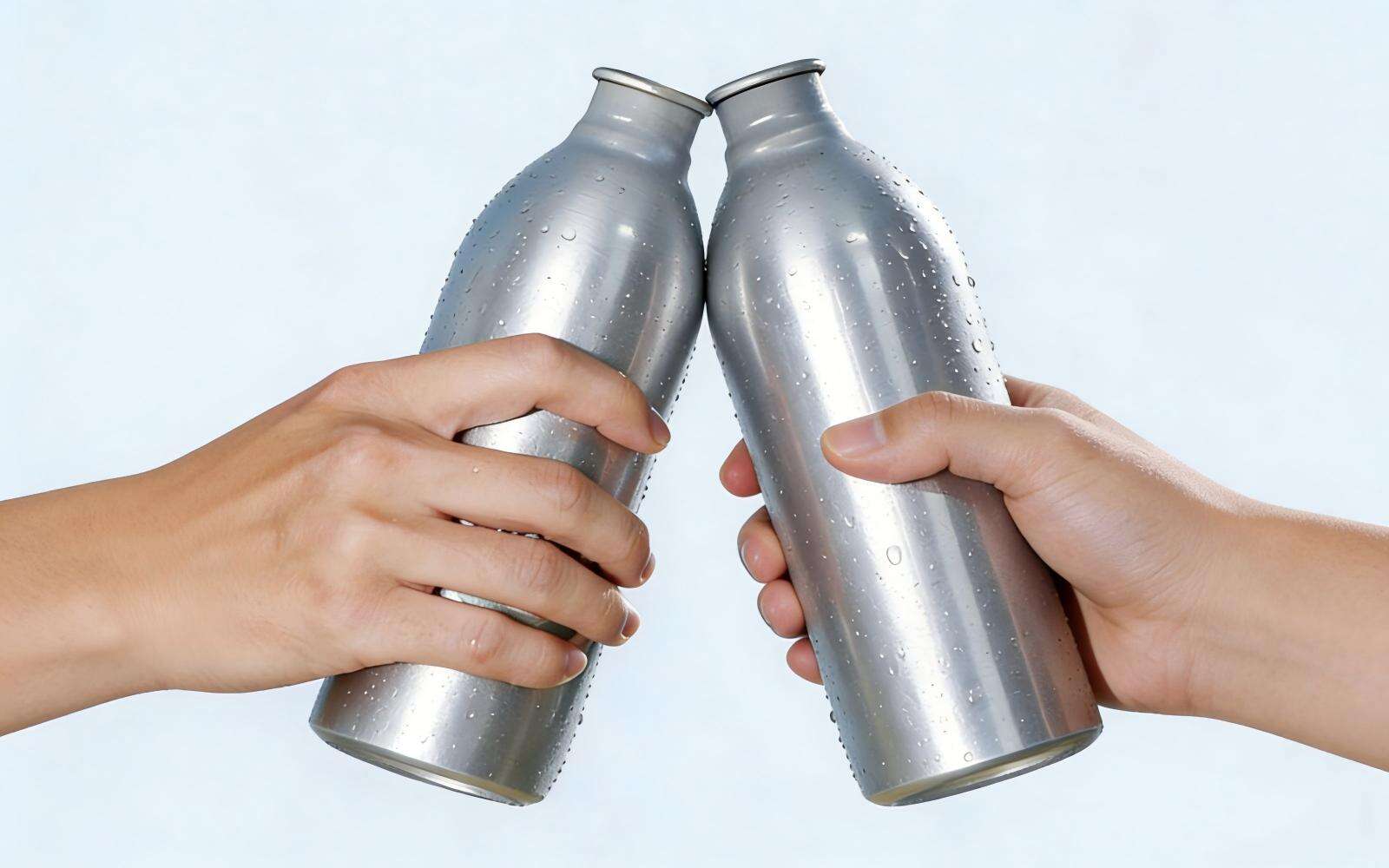
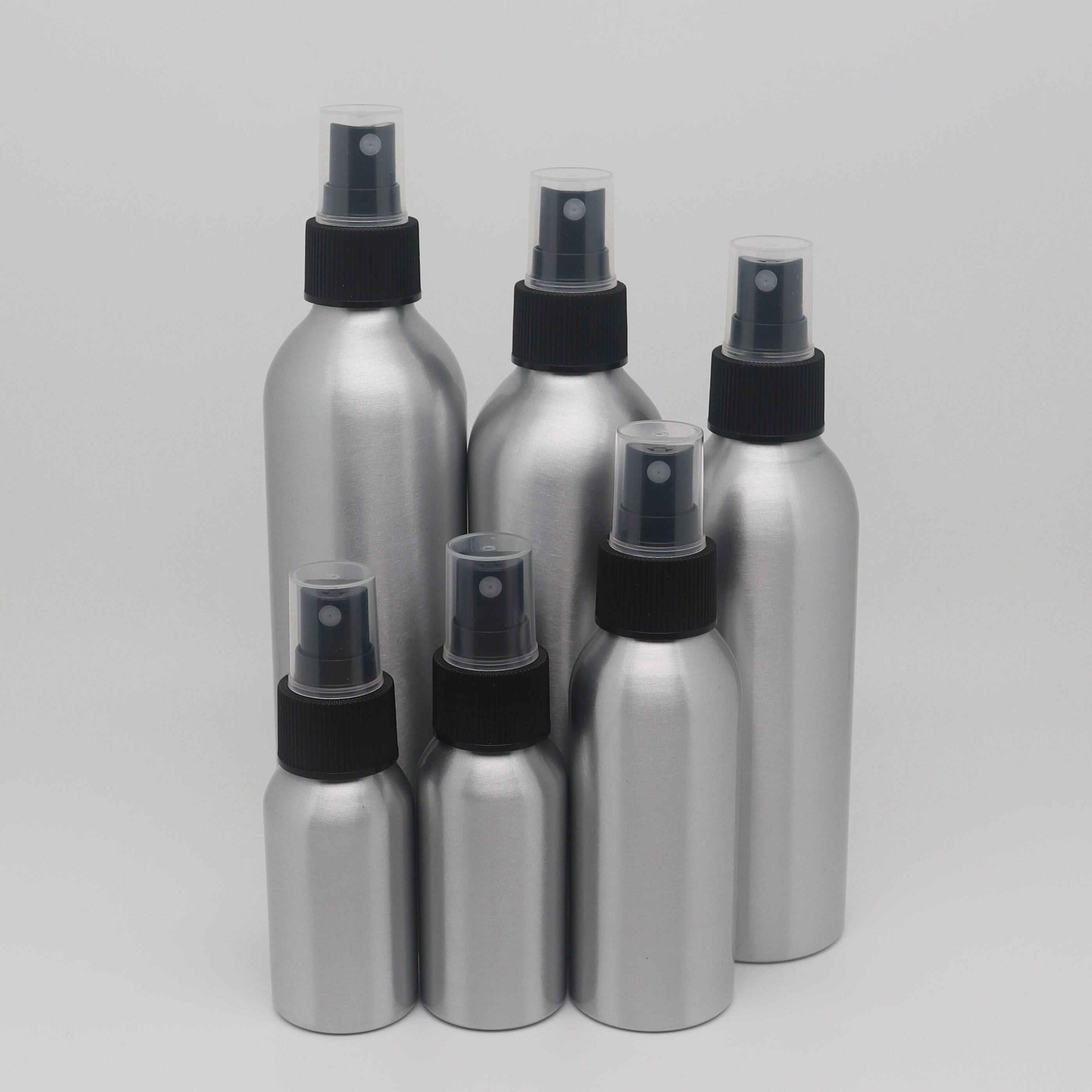
The exceptional barrier properties of aluminum juice bottles provide unparalleled protection for beverage contents, safeguarding product quality from production through final consumption. Aluminum creates a complete barrier against light penetration, preventing photochemical reactions that degrade vitamins, alter flavors, and diminish nutritional value in juice products. This light-blocking capability proves especially critical for beverages containing sensitive compounds like vitamin C, beta-carotene, and natural pigments that break down rapidly when exposed to ultraviolet and visible light wavelengths. The oxygen impermeability of aluminum juice bottles stops oxidation processes that cause off-flavors, browning reactions, and nutrient loss, maintaining the fresh-pressed character and vibrant color that consumers expect from premium juice products. Unlike permeable packaging materials that allow gradual oxygen ingress over time, aluminum provides absolute protection that preserves product integrity throughout extended shelf life periods without requiring modified atmosphere packaging or oxygen scavengers. The moisture barrier characteristics prevent water vapor transmission in either direction, protecting juice from concentration changes due to evaporation while preventing external humidity from affecting package integrity or label adhesion. These combined barrier properties enable juice manufacturers to reduce or eliminate artificial preservatives, meeting clean label demands while ensuring product safety and quality standards throughout distribution channels and retail storage periods. The structural strength of aluminum juice bottles resists physical damage during handling, transportation, and storage operations, preventing leaks, dents, and punctures that compromise product integrity and create costly inventory losses. Temperature stability represents another protective advantage, as aluminum juice bottles withstand thermal stress from cold storage to ambient conditions without structural failure or performance degradation. The inert nature of properly coated aluminum ensures that no metallic ions migrate into beverage contents, maintaining pure flavor profiles without imparting any unwanted tastes or odors that could diminish consumer enjoyment. These protective qualities work synergistically to deliver consistent product quality from manufacturing facility to consumption moment, supporting brand reputation and consumer satisfaction across diverse market conditions and distribution environments.

 EN
EN