aluminum aerosol can capacity
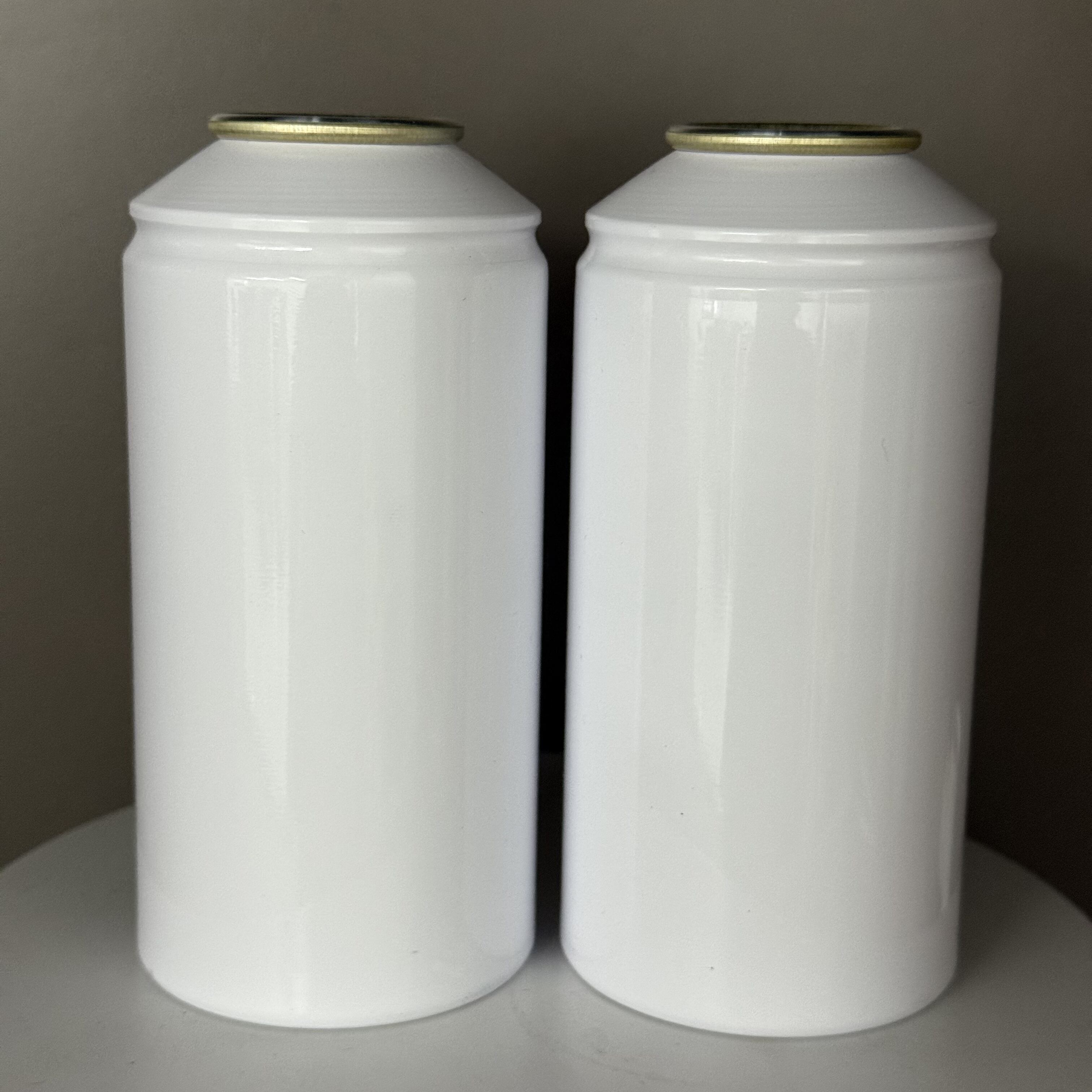
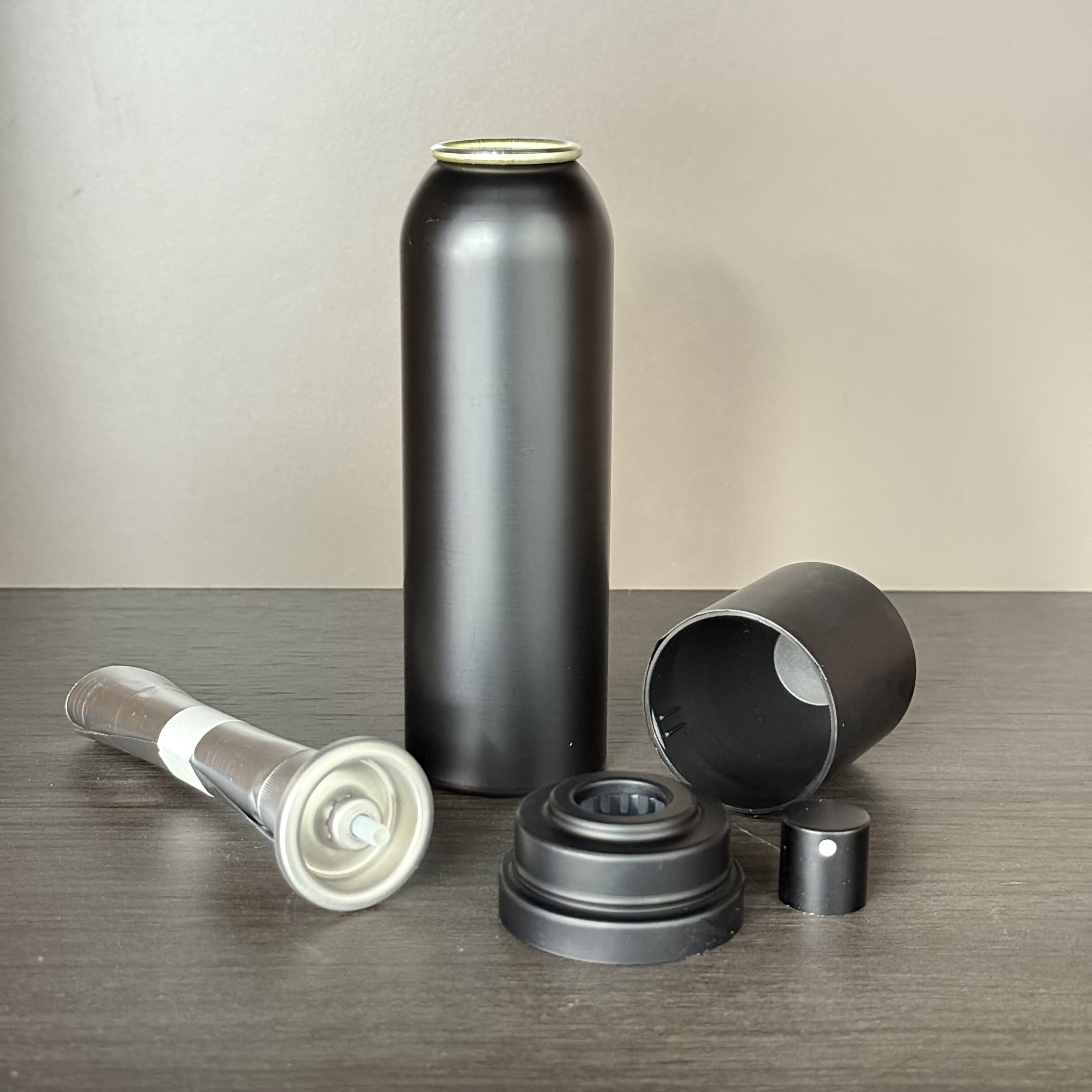
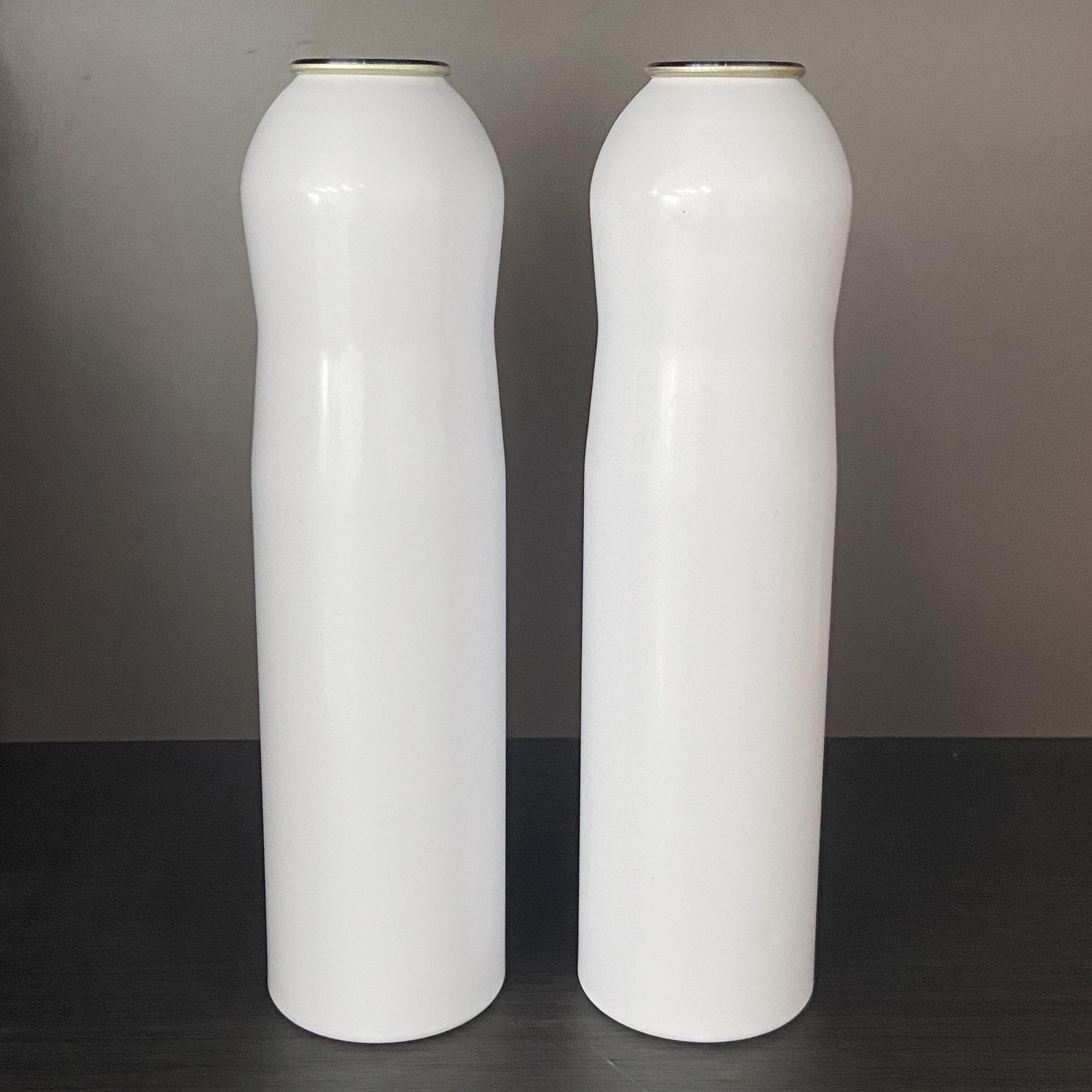
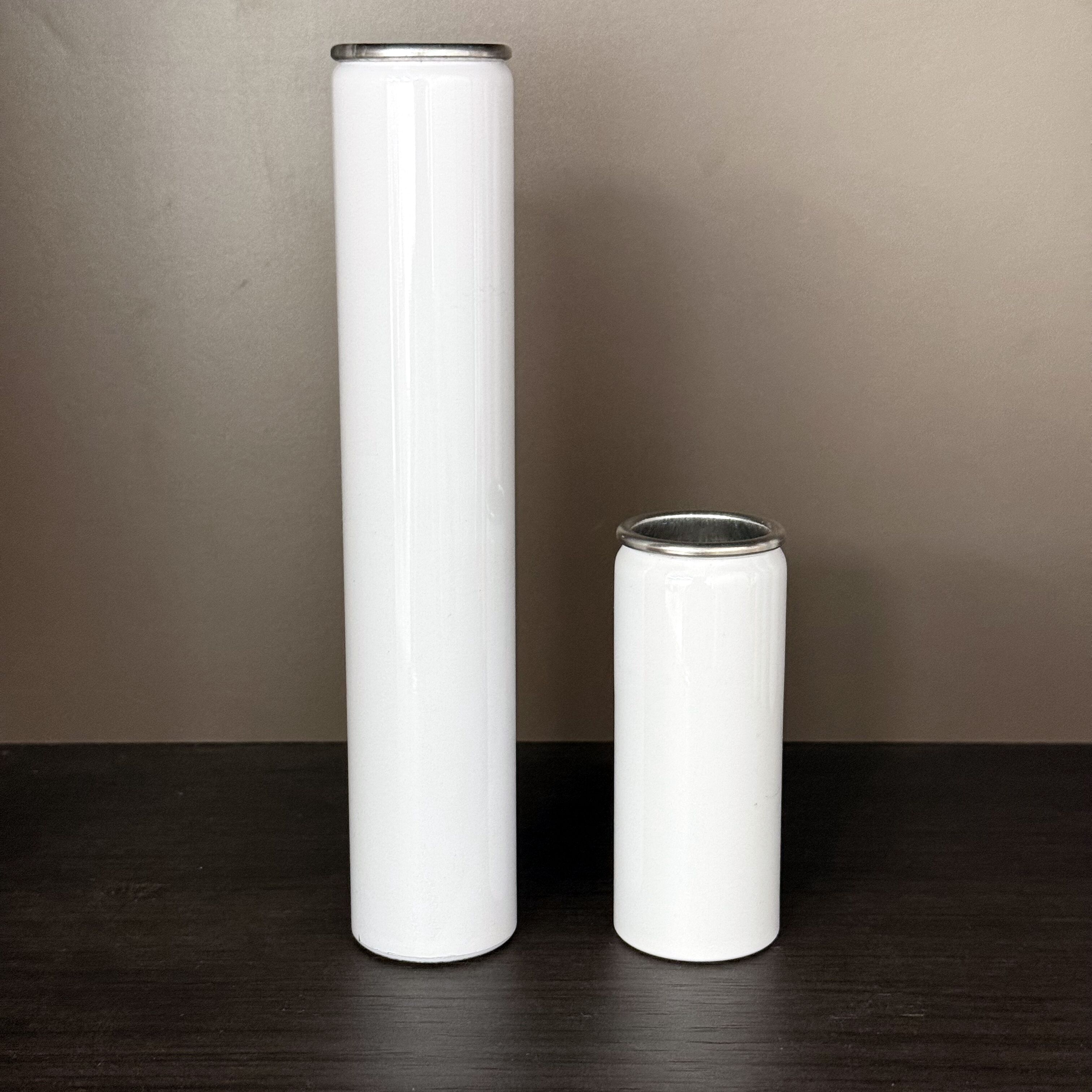
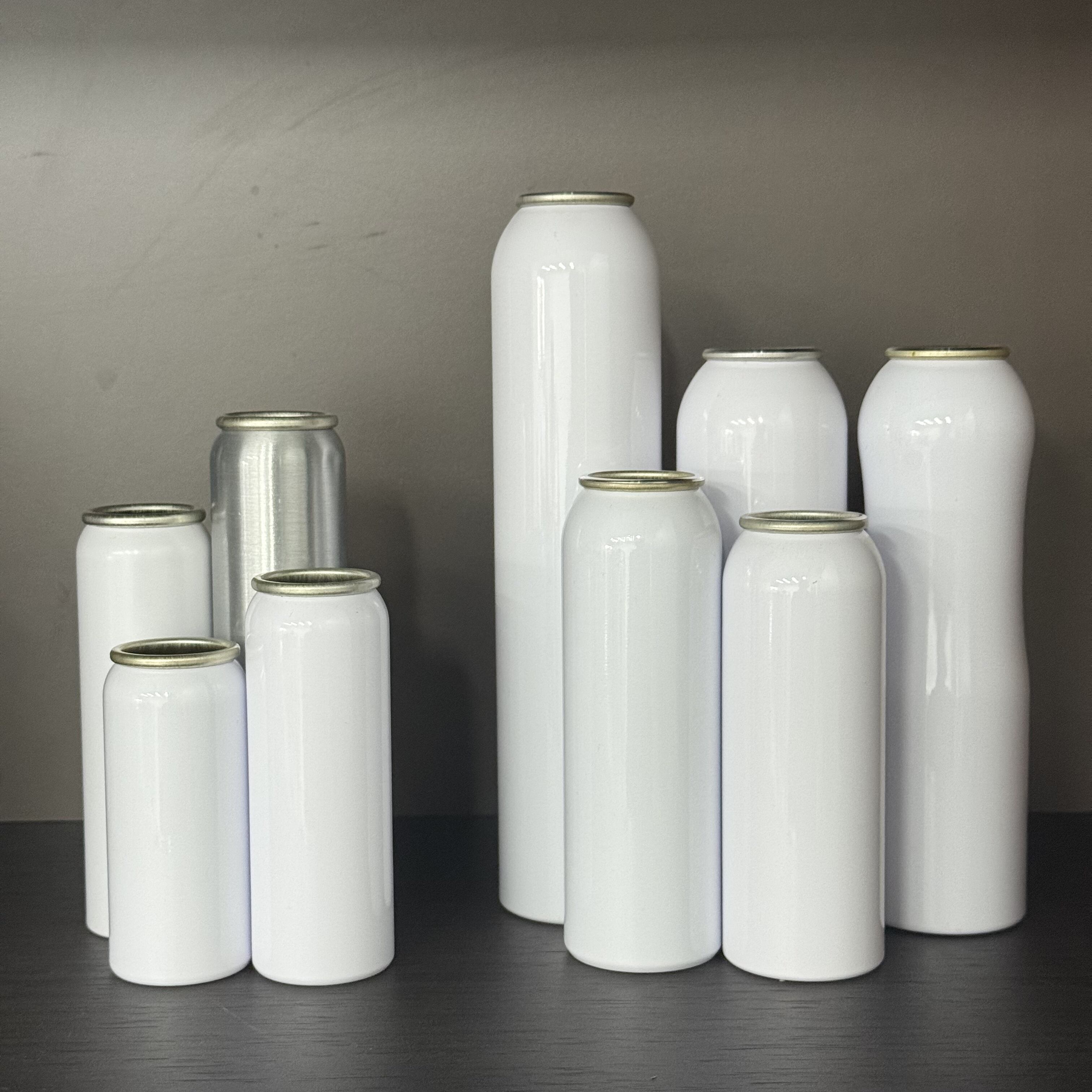
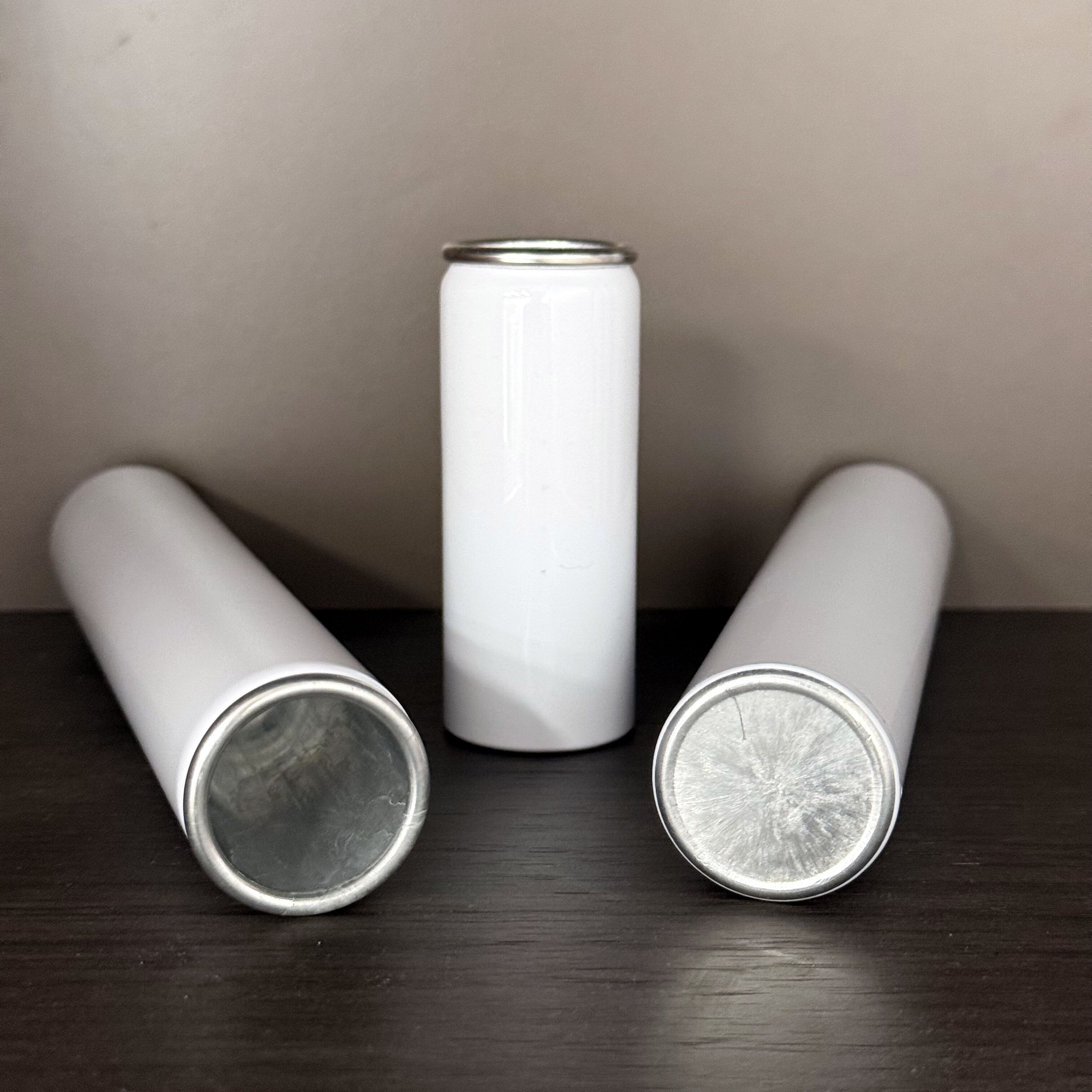
Aluminum aerosol can capacity represents a critical specification that defines the volume of product these specialized containers can hold, typically ranging from 50ml to 1000ml depending on application requirements. The aluminum aerosol can capacity is measured in milliliters or fluid ounces and determines how much formulation, including both the active product and propellant, can be safely stored within the container. This capacity specification plays a fundamental role in product development, as manufacturers must carefully balance consumer usage patterns with portability, cost efficiency, and regulatory compliance. The technological features of aluminum aerosol can capacity involve precise engineering to maintain structural integrity under pressure while maximizing usable volume. Modern manufacturing techniques enable producers to create cans with varying dimensions and capacities that meet diverse market needs, from compact travel-sized personal care products to larger household maintenance items. The capacity directly influences the wall thickness, dome design, and overall shape of the container, ensuring that each can withstands internal pressures ranging from 60 to 180 psi at room temperature. Applications for different aluminum aerosol can capacity options span multiple industries including cosmetics, pharmaceuticals, automotive products, household cleaners, food products, and industrial maintenance supplies. Personal care items like deodorants and hair sprays commonly utilize 150ml to 200ml capacities, while industrial lubricants and specialty coatings may require 400ml to 500ml sizes. The food industry employs smaller capacities between 50ml and 250ml for whipped cream, cooking sprays, and other culinary aerosols. Each capacity option serves specific market segments, with manufacturers selecting appropriate volumes based on product viscosity, usage frequency, shelf life considerations, and consumer preferences. The aluminum aerosol can capacity also affects shipping logistics, retail display requirements, and environmental impact, making it a crucial factor in comprehensive product strategy and market positioning across all aerosol-dependent industries.

 EN
EN