Kesesuaian Merentas Pelbagai Formulasi Produk
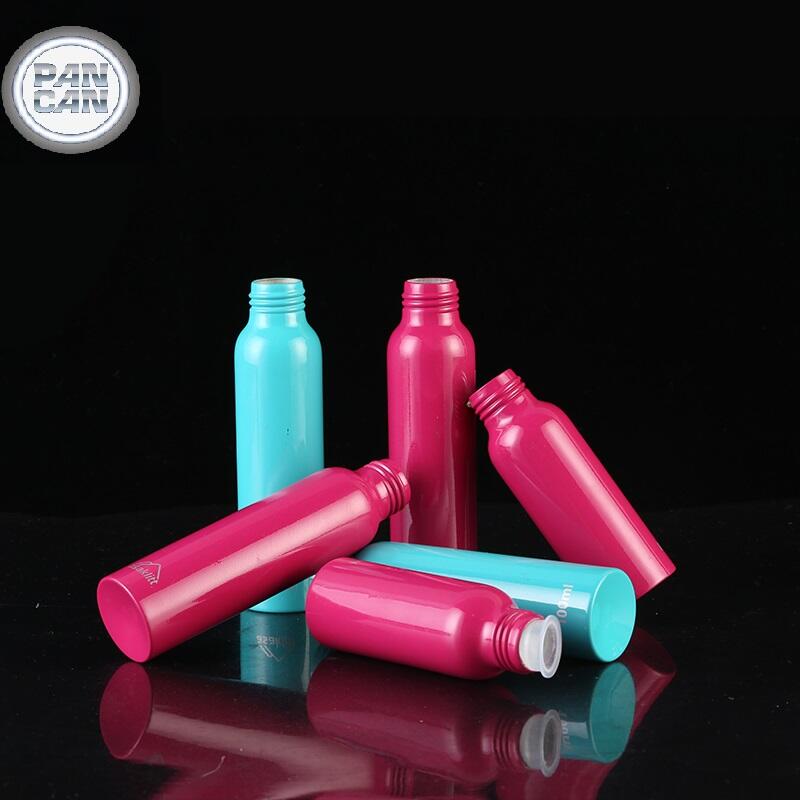
Injap botol aerosol aluminium menunjukkan keserasian yang luar biasa terhadap pelbagai jenis formula produk, menjadikannya penyelesaian pembungkusan yang sangat bernilai bagi pelbagai industri. Keserasian ini bermula dengan pemilihan bahan secara teliti bagi komponen-komponen yang bersentuhan langsung dengan kandungan produk, demi memastikan rintangan kimia terhadap asid, alkali, alkohol, hidrokarbon, dan bahan reaktif lain yang biasa terdapat dalam produk pengguna dan industri. Segel elastomerik di dalam injap botol aerosol aluminium menggunakan sebatian yang dirumuskan khusus untuk tahan terhadap degradasi akibat pendedahan berpanjangan kepada bahan kimia agresif, sambil mengekalkan sifat kedapannya serta kestabilan dimensinya. Bagi formula berbasis air seperti semburan rambut, deodoran, dan penyegar fabrik, komponen injap botol aerosol aluminium tahan terhadap kakisan dan pembengkakan yang boleh menjejaskan prestasinya. Produk berbasis pelarut—seperti cat, gam, dan rawatan automotif—memerlukan injap dengan rintangan kimia yang ditingkatkan; pengilang mengatasi keperluan ini melalui bahan segel khusus dan rawatan permukaan pada komponen logam. Injap botol aerosol aluminium mampu menampung kedua-dua bahan pendorong gas cecair seperti hidrokarbon dan sistem gas termampat seperti nitrogen atau udara termampat, memberikan keluwesan dalam pendekatan formula. Keserasian bahan pendorong ini membolehkan pengilang mengoptimumkan formula mereka dari segi prestasi, kos, dan pertimbangan alam sekitar tanpa terkawal oleh had pembungkusan. Produk berbasis minyak menimbulkan cabaran khusus berkaitan keserasian segel dan potensi pengekstrakan plastisiser, yang diatasi oleh injap botol aerosol aluminium melalui pemilihan bahan yang teliti serta protokol ujian keserasian. Reka bentuk injap juga menyokong produk yang mengandungi zarah tersuspensi atau formula likat melalui dimensi saluran dan ciri aliran yang sesuai, memastikan pengagihan yang boleh dipercayai sepanjang hayat bekas. Pertimbangan suhu turut memainkan peranan dalam keserasian formula, kerana produk mungkin mengalami keadaan penyimpanan dari suhu sejuk hingga suhu tinggi—seperti dalam kenderaan atau persekitaran luar rumah. Injap botol aerosol aluminium mengekalkan prestasinya di sepanjang julat suhu ekstrem ini, dengan segel yang kekal liat dalam keadaan sejuk dan tahan lembut pada suhu tinggi. Nilai pH ekstrem dalam formula memerlukan injap dengan komponen yang tahan serangan kimia, yang disahkan oleh pengilang melalui kajian penuaan terkumpul yang mensimulasikan bertahun-tahun penyimpanan dalam jangka masa yang dipendekkan. Injap botol aerosol aluminium menyokong keperluan lapisan halangan (barrier) dan bukan halangan (non-barrier) pada permukaan dalaman, membenarkan lapisan perlindungan tambahan apabila formula memerlukan langkah berjaga-jaga tambahan. Pematuhan peraturan merupakan satu lagi dimensi keserasian, di mana injap botol aerosol aluminium memenuhi pelbagai piawaian antarabangsa untuk aplikasi sentuhan makanan, pembungkusan farmaseutikal, dan keselamatan produk pengguna. Kelulusan peraturan ini memudahkan proses pembangunan produk dan memastikan akses pasaran di pelbagai wilayah.

 EN
EN