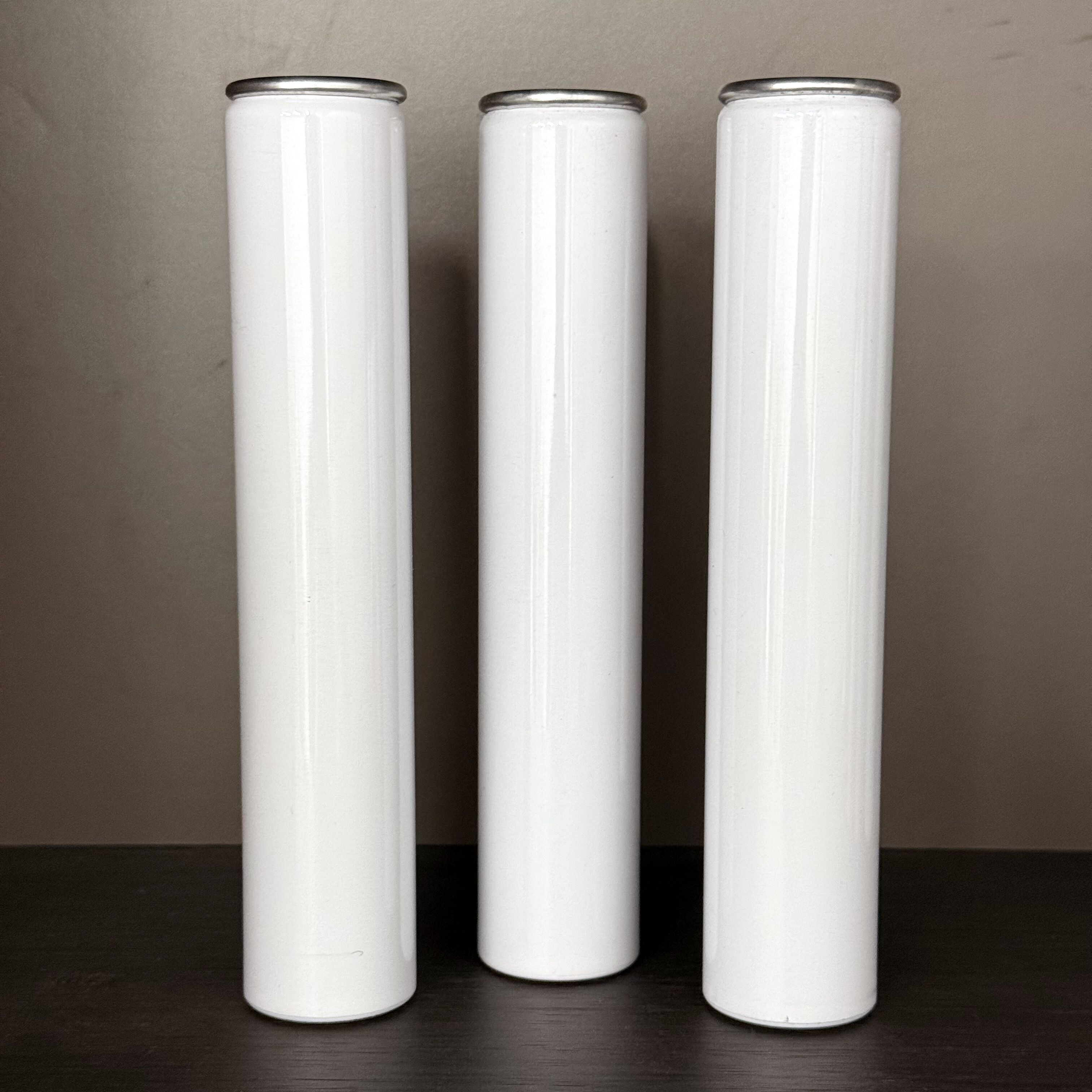
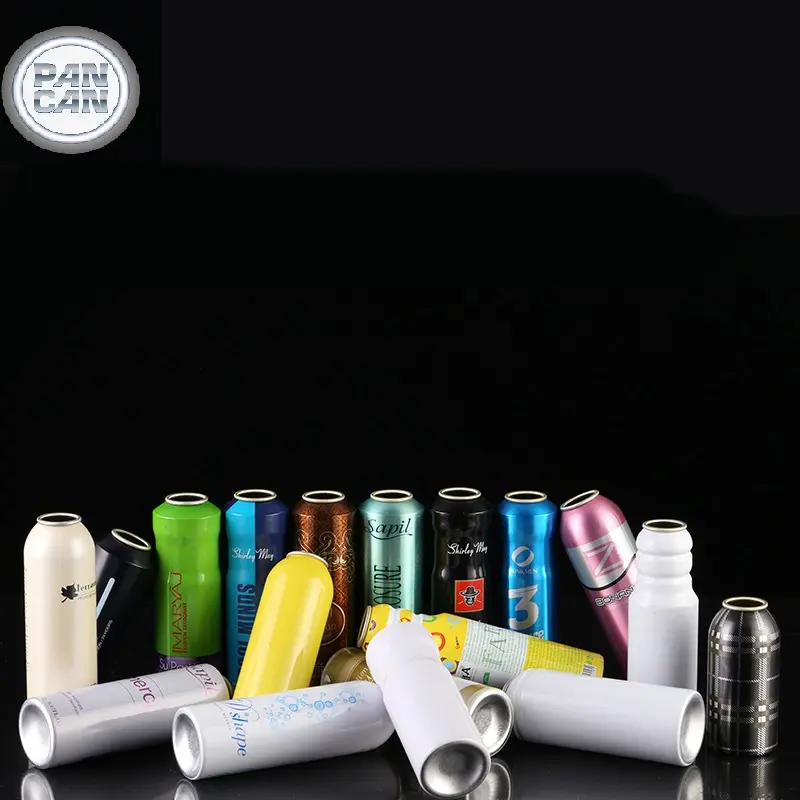
kilang botol aerosol aluminium
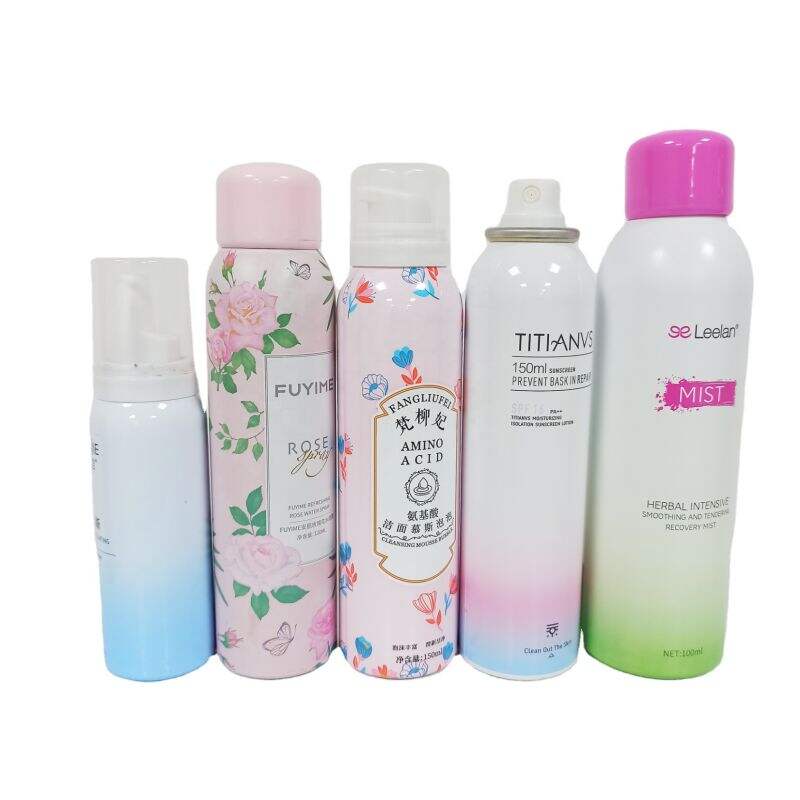
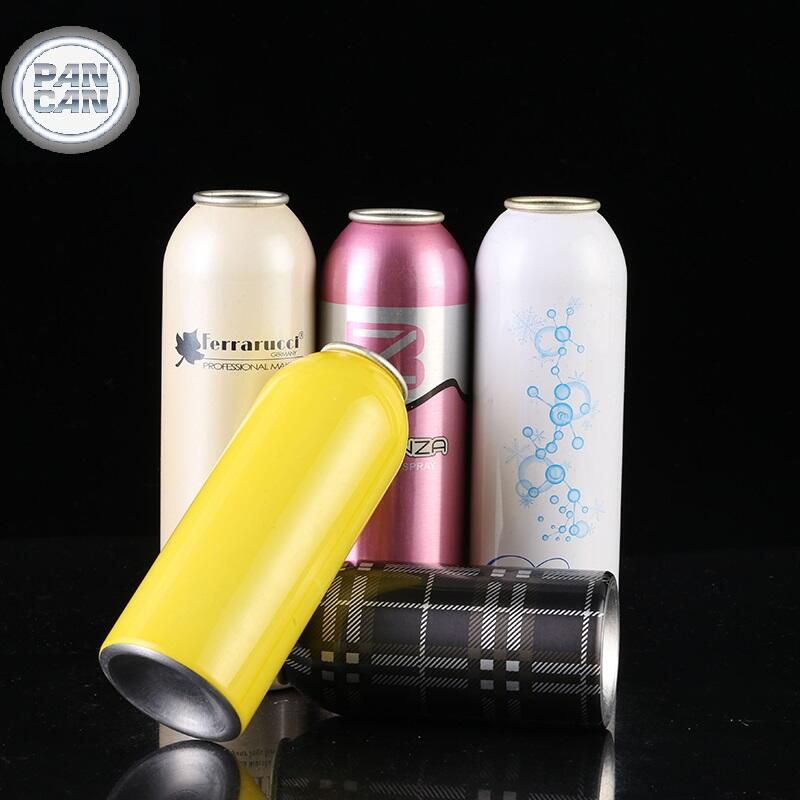
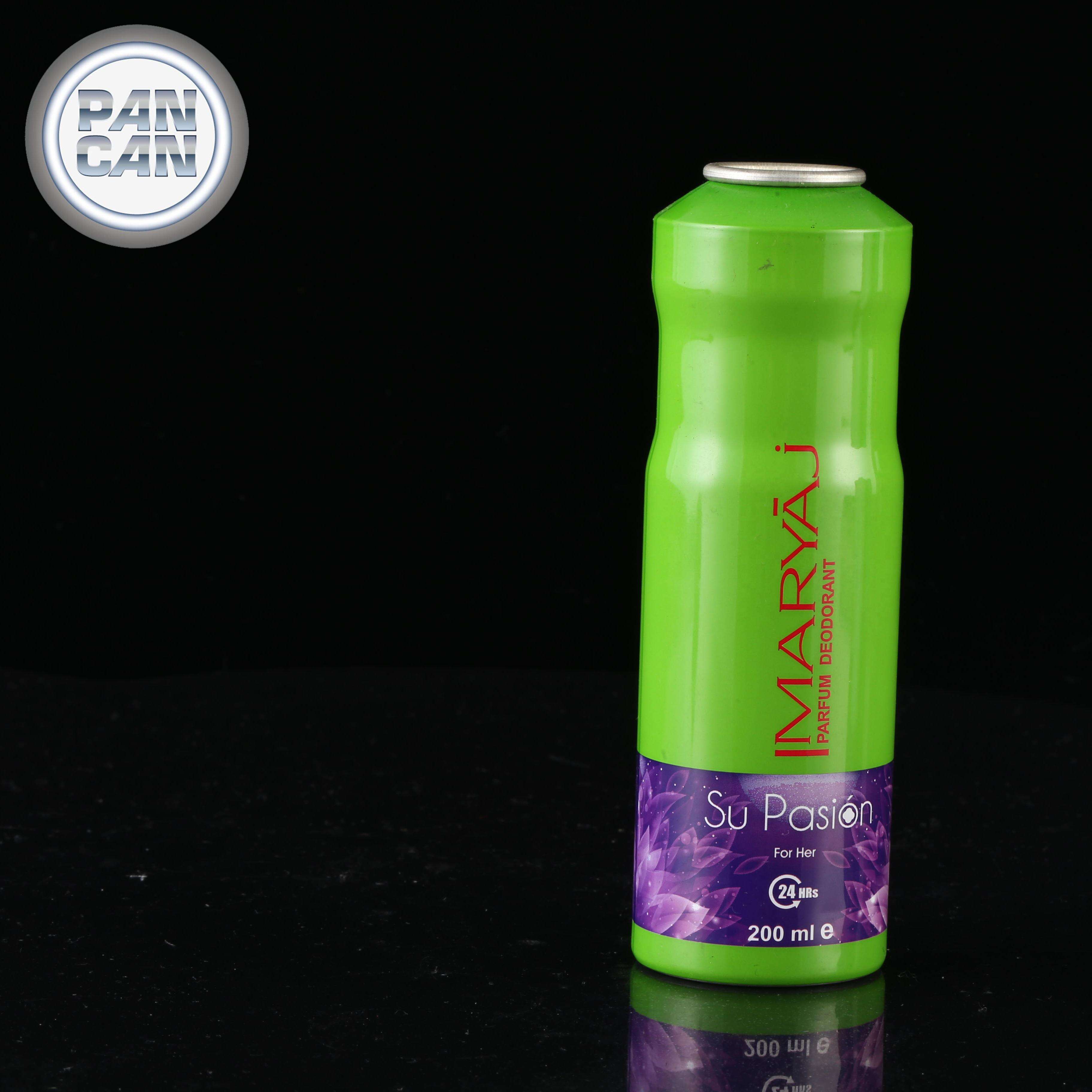
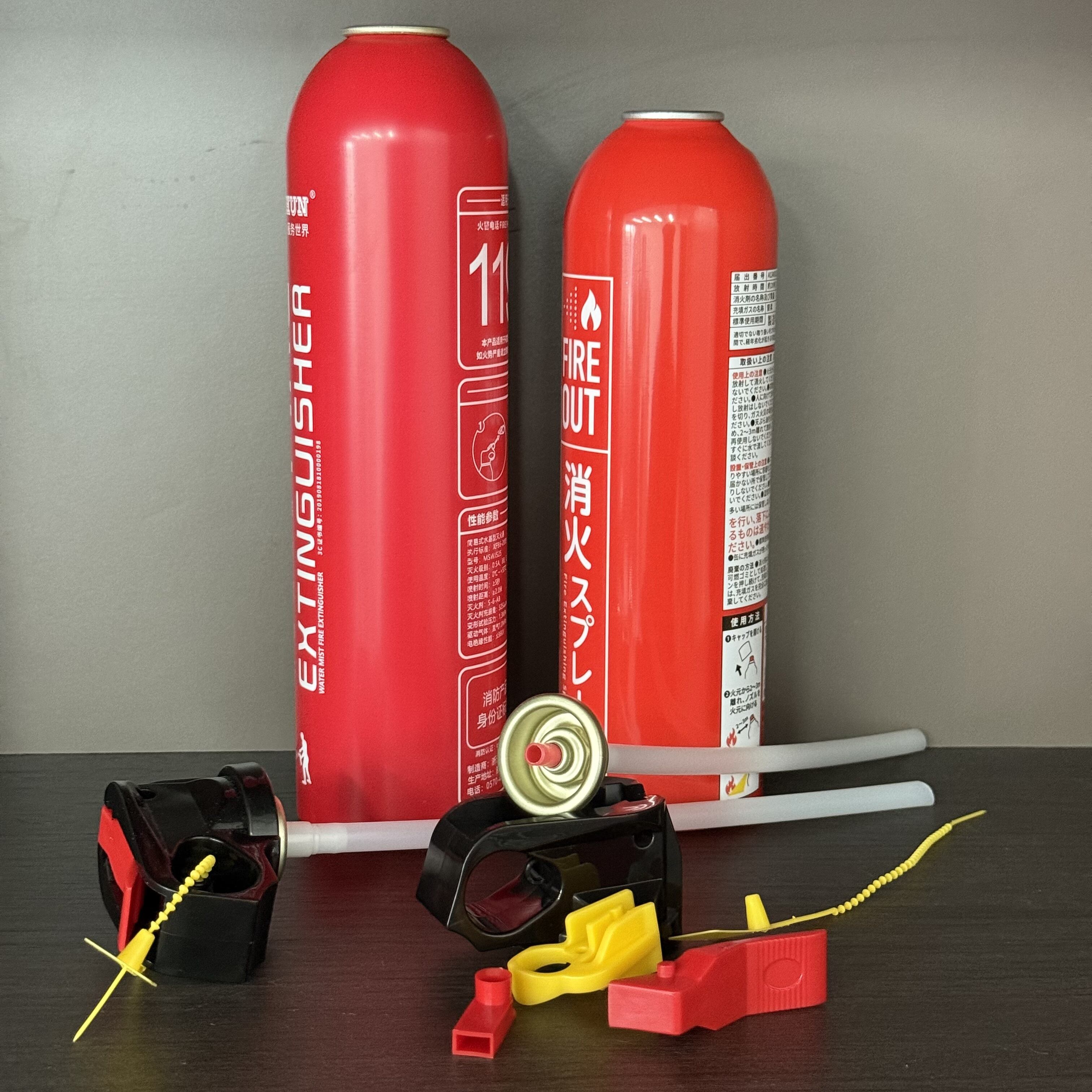
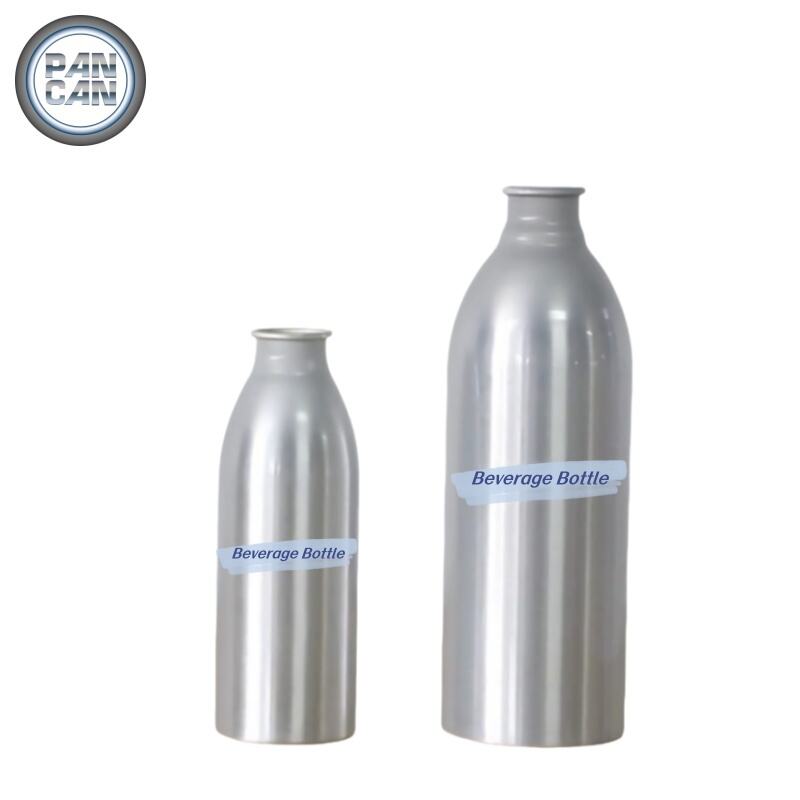
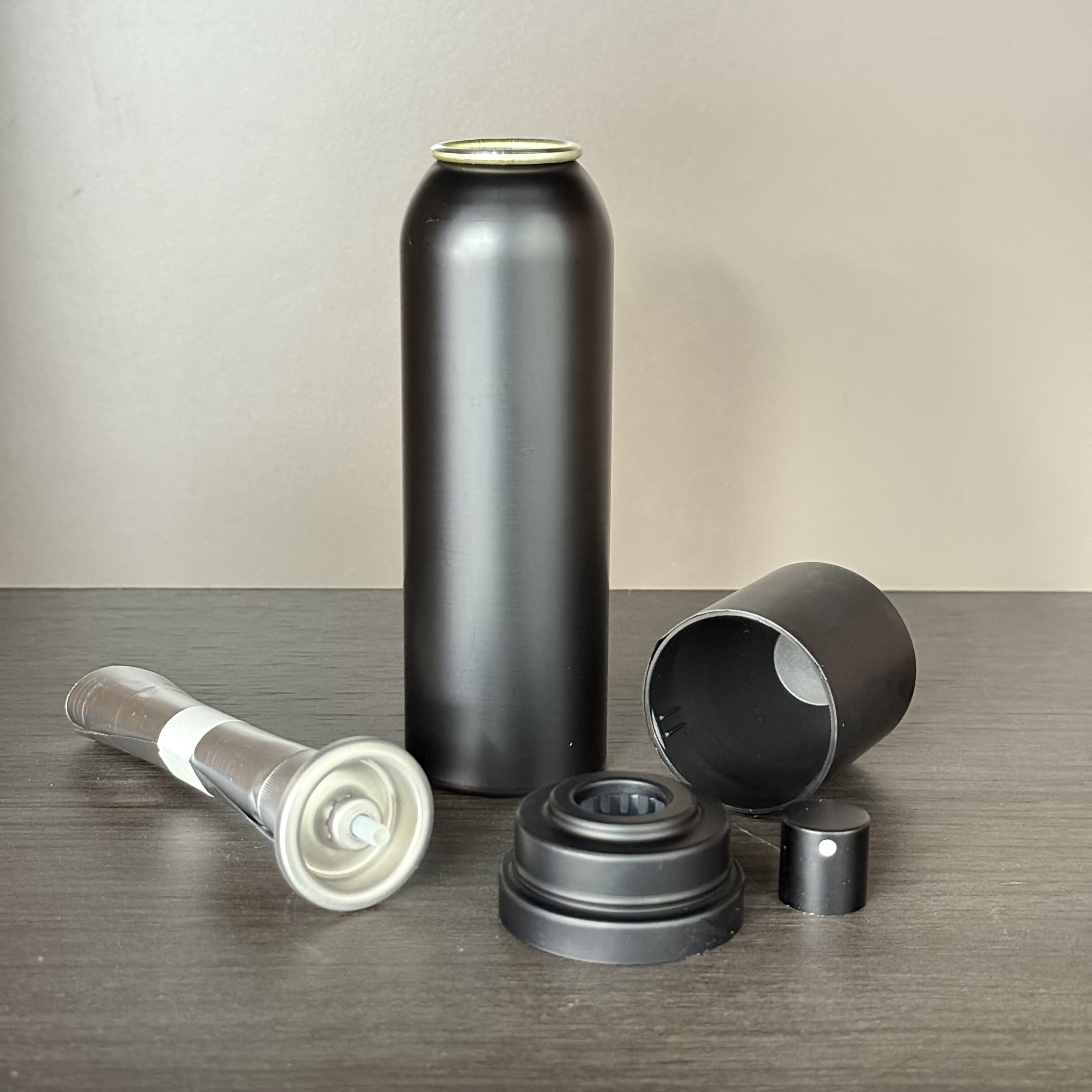
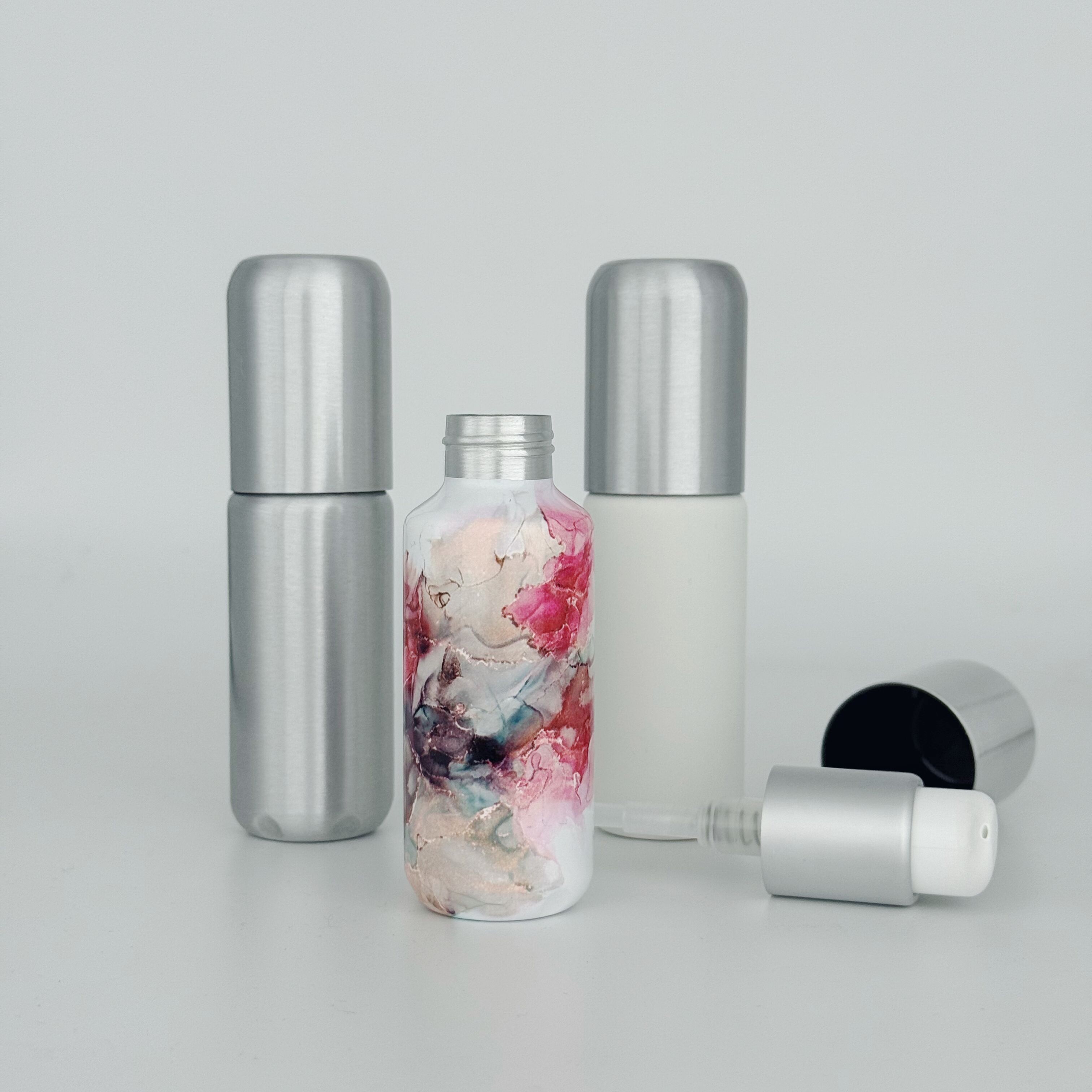
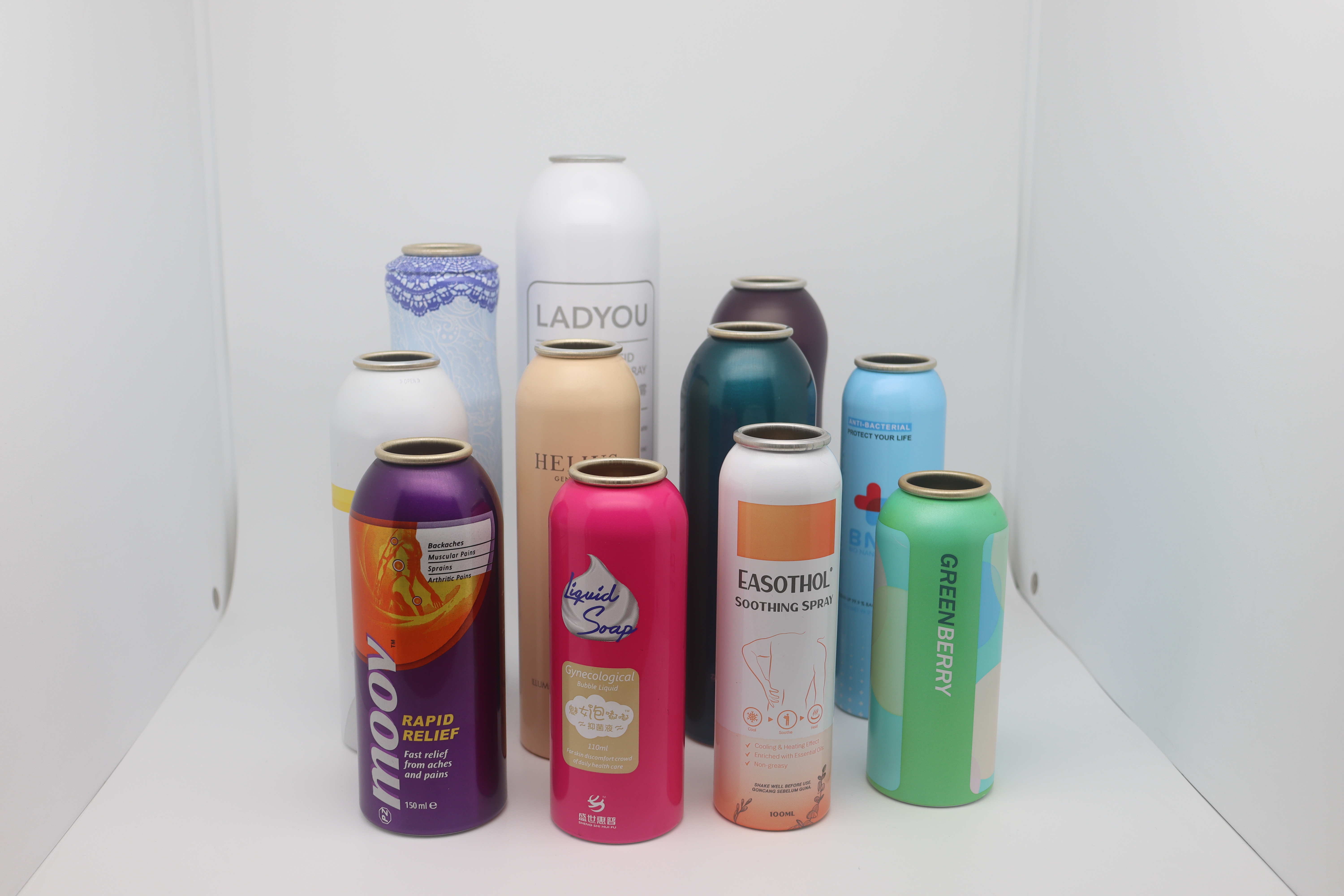
Sebuah kilang botol aerosol aluminium mewakili sebuah kemudahan pembuatan yang canggih yang dikhususkan untuk menghasilkan bekas bertekanan berkualiti tinggi yang digunakan di pelbagai industri di seluruh dunia. Kilang-kilang khusus ini menggabungkan metalurgi lanjutan, kejuruteraan tepat, dan sistem pengeluaran automatik untuk menghasilkan bekas yang tahan lama dan ringan, yang dapat menyuntikkan pelbagai produk secara selamat di bawah tekanan. Fungsi utama sebuah kilang botol aerosol aluminium adalah mengubah bahan mentah aluminium kepada bekas tanpa sambungan dan kedap udara melalui proses kompleks seperti pengekstrusan impak, aplikasi salutan, pencetakan, dan pemasangan injap. Kilang botol aerosol aluminium moden menggunakan peralatan terkini yang mampu menghasilkan berjuta-juta unit setahun sambil mengekalkan piawaian kawalan kualiti yang ketat. Ciri-ciri teknologi yang terbenam dalam kemudahan ini termasuk mesin pengekstrusi yang dikawal komputer, sistem pencucian berperingkat, talian pencetakan automatik, dan mesin krimping injap berketepatan tinggi yang memastikan setiap botol memenuhi peraturan keselamatan antarabangsa. Kilang-kilang ini melayani pelbagai aplikasi, termasuk produk penjagaan diri, sistem penghantaran farmaseutikal, pembersih rumah tangga, produk penyelenggaraan kenderaan, serta aplikasi bermutu makanan. Proses pembuatan bermula dengan butiran aluminium yang menjalani proses pengekstrusan impak untuk membentuk badan botol tanpa sambungan, diikuti dengan aplikasi salutan dalaman untuk mencegah kontaminasi produk dan rawatan permukaan luaran yang membolehkan grafik berkualiti tinggi. Makmal jaminan kualiti di premis kilang botol aerosol aluminium menjalankan ujian ketat termasuk pengesahan rintangan tekanan, analisis lekatan salutan, dan pengukuran ketepatan dimensi. Kelestarian alam sekitar kini menjadi sebahagian penting dalam operasi kilang moden, dengan banyak kemudahan yang melaksanakan program kitar semula dan kaedah pengeluaran yang cekap tenaga. Keluwesan keluaran kilang botol aerosol aluminium membolehkan jenama membungkus segala-galanya, dari deodoran dan semburan rambut hingga minyak masak dan inhaler perubatan, menjadikan pusat-pusat pembuatan ini penting dalam rantai bekalan barangan pengguna semasa dan rangkaian pengedaran industri.

 EN
EN