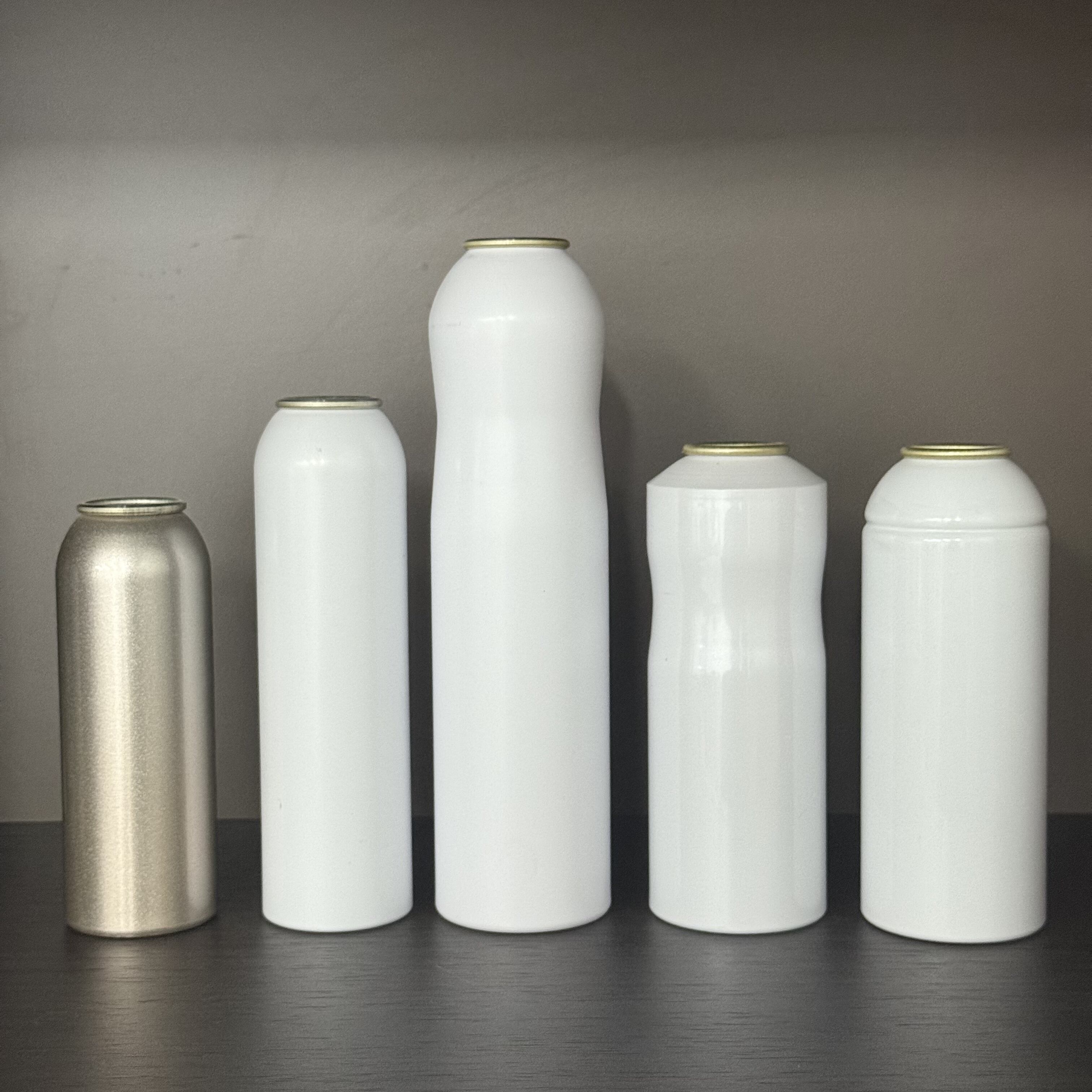
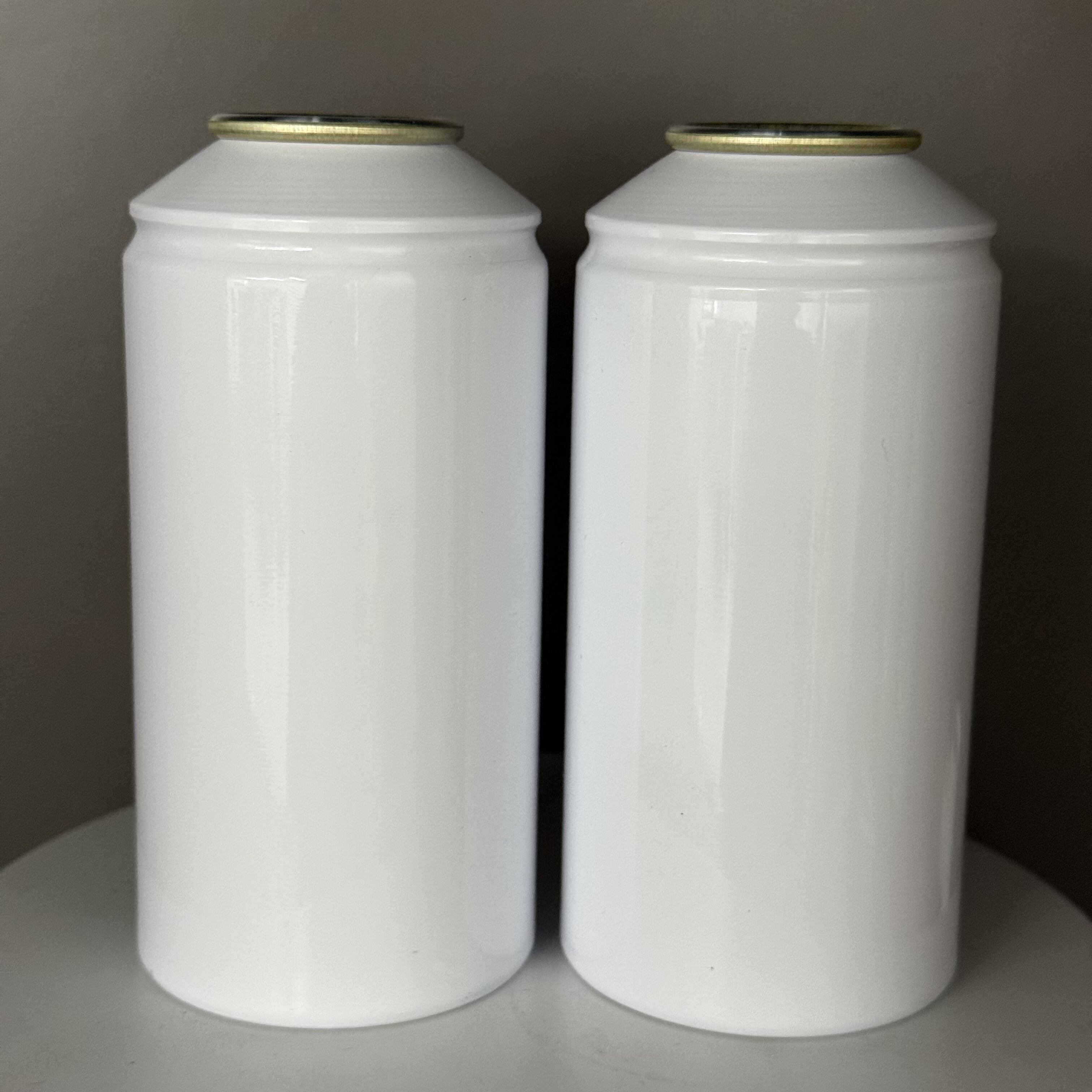
Regulatory Compliance and Safety Assurance Excellence
The aluminum aerosol can for pharmaceutical applications exemplifies packaging engineering focused on meeting the most demanding regulatory standards and safety requirements in the healthcare industry. Pharmaceutical packaging must satisfy complex regulations spanning multiple jurisdictions, and the aluminum aerosol can for pharmaceutical use achieves compliance through systematic design, manufacturing controls, and documentation practices. Every aspect of the aluminum aerosol can for pharmaceutical products undergoes validation according to Good Manufacturing Practice guidelines that govern pharmaceutical packaging materials. Manufacturing facilities producing the aluminum aerosol can for pharmaceutical applications maintain controlled environments with air filtration, temperature regulation, and humidity control that prevent contamination during production. Raw materials entering the aluminum aerosol can for pharmaceutical manufacturing process undergo incoming quality inspections that verify material certifications, perform chemical composition analysis, and confirm physical properties meet specifications. The aluminum alloys selected for the aluminum aerosol can for pharmaceutical use contain only approved elements in concentrations that pose no toxicity risks, with full material traceability maintained through batch documentation. Internal coatings applied to the aluminum aerosol can for pharmaceutical containers undergo extensive compatibility testing with representative drug formulations, including stability studies that simulate years of storage under accelerated conditions. These studies identify any potential interactions between packaging and medication, ensuring the aluminum aerosol can for pharmaceutical products introduces no impurities, absorbs no active ingredients, and maintains medication stability throughout labeled shelf life. The aluminum aerosol can for pharmaceutical applications incorporates multiple safety features that protect both patients and products. Tamper-evident seals on the aluminum aerosol can for pharmaceutical containers provide visible indication if products have been compromised, critical for maintaining medication chain of custody from manufacturer to patient. Child-resistant closures on the aluminum aerosol can for pharmaceutical products meet standardized testing protocols that verify young children cannot access contents while ensuring adults can operate the package without excessive difficulty. Safety labeling on the aluminum aerosol can for pharmaceutical use accommodates comprehensive drug information including active ingredients, concentrations, indications, contraindications, dosing instructions, and warnings in multiple languages when required. The cylindrical surface of the aluminum aerosol can for pharmaceutical packaging provides ample space for regulatory-mandated information while maintaining readability. Quality assurance testing for the aluminum aerosol can for pharmaceutical applications includes pressure resistance verification, valve functionality assessment, spray pattern analysis, and leak detection using helium mass spectrometry or other sensitive methods. Statistical process control during aluminum aerosol can for pharmaceutical manufacturing monitors critical parameters in real-time, triggering immediate corrective actions if any measurements drift outside acceptable ranges. This quality focus ensures every aluminum aerosol can for pharmaceutical use that reaches filling operations meets all specifications, minimizing rejection rates and supporting efficient pharmaceutical production operations.